Headlines about food and cancer risk often make the evidence sound simpler than it is. Some eating patterns have strong evidence behind them; other claims come from laboratory findings or uncertain human research. This guide separates those questions across 15 examples. It is general information about risk, not a diagnosis or a meal plan for someone receiving cancer treatment.
Updated October 26, 2026
In this article
The evidence is different for different choices
- Established evidence: processed meat and alcohol are linked causally to particular cancers. The size of a person’s risk is a separate question.
- Probable carcinogenicity: WHO classifies red meat differently from processed meat; the evidence is less conclusive.
- Uncertain human evidence: chemicals from high-temperature meat cooking and dietary acrylamide should not be described as proving that one grilled meal or slice of toast causes cancer.
- Indirect pathways: excess body weight and cancer risk is a different topic from proving that an individual sugary drink directly causes cancer.
Several numbered examples belong to the same evidence group. They are not 15 independently established cancer causes. The source links beside the items let you check what the research does and does not show.
1. Bacon
References
Sources checked October 11, 2026. General information; individual needs and rules can differ.
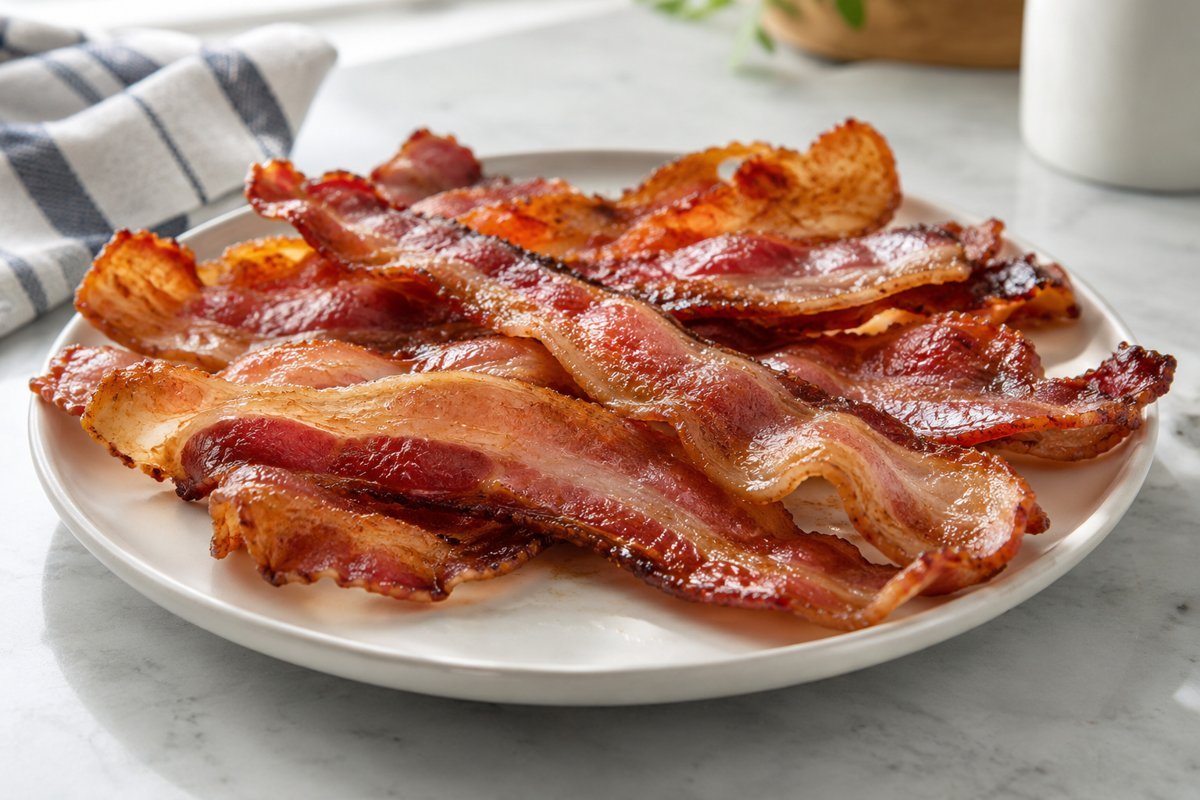
Think about bacon as one repeated choice in a wider eating pattern. A small amount used for flavor and a plate centered on bacon every morning are different habits. This is not a way to calculate your personal cancer risk from a meal. If you're unsure how guidance fits your health or treatment, ask your own clinician.
Bacon belongs to the processed-meat category. WHO says the evidence that processed meat causes colorectal cancer is convincing. That concerns a long-term eating pattern, not a prediction about a person after one breakfast. Choose other breakfast proteins more often and use smaller amounts if bacon remains part of your meals.
2. Hot dogs
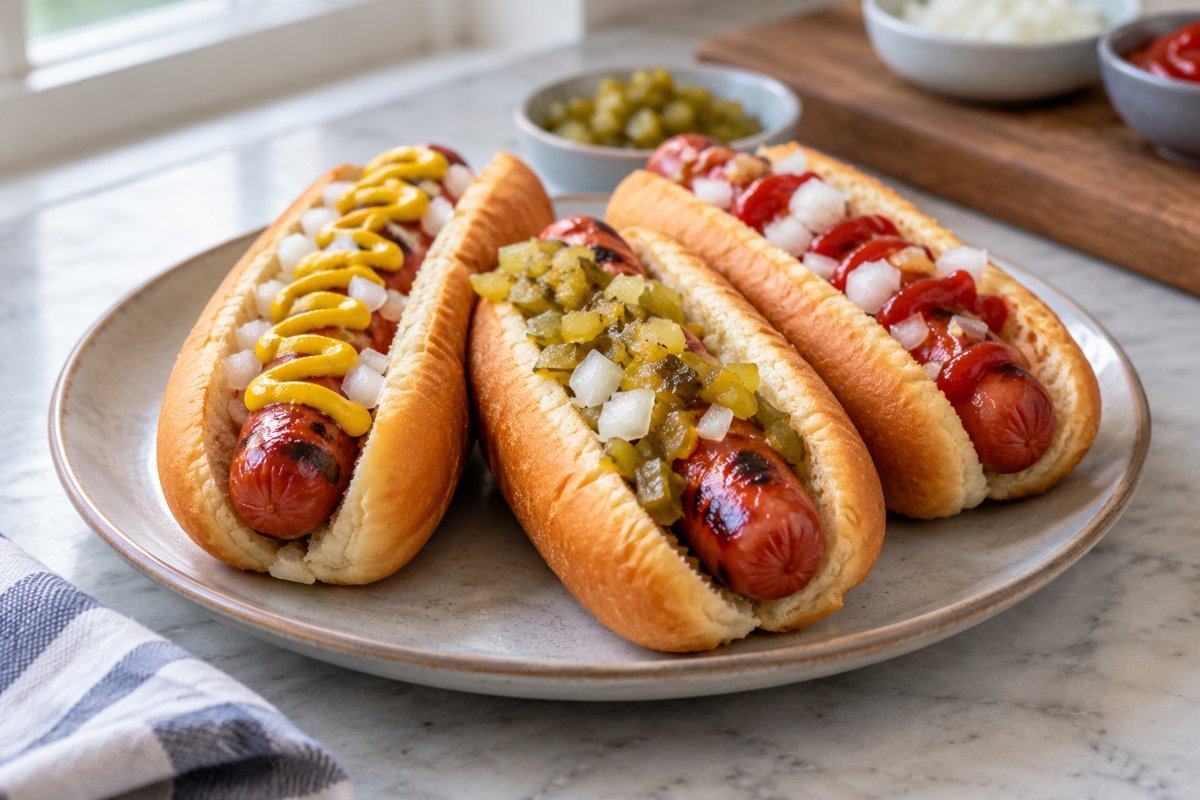
Changing the label from premium to ordinary doesn't change a hot dog's basic preparation category. What you can change is the frequency with which it becomes the default meal. At a cookout, that might mean having another main option available rather than assuming everyone wants the same processed-meat choice.
Hot dogs are another processed-meat example. The category matters more than whether the package looks traditional or premium. Try a bean dish, egg meal or other option on some occasions. A cancer-risk classification describes the strength of evidence; it doesn't tell you that every exposure has the same size of risk.
Source: WHO: red and processed meat.
3. Salami and cured ham
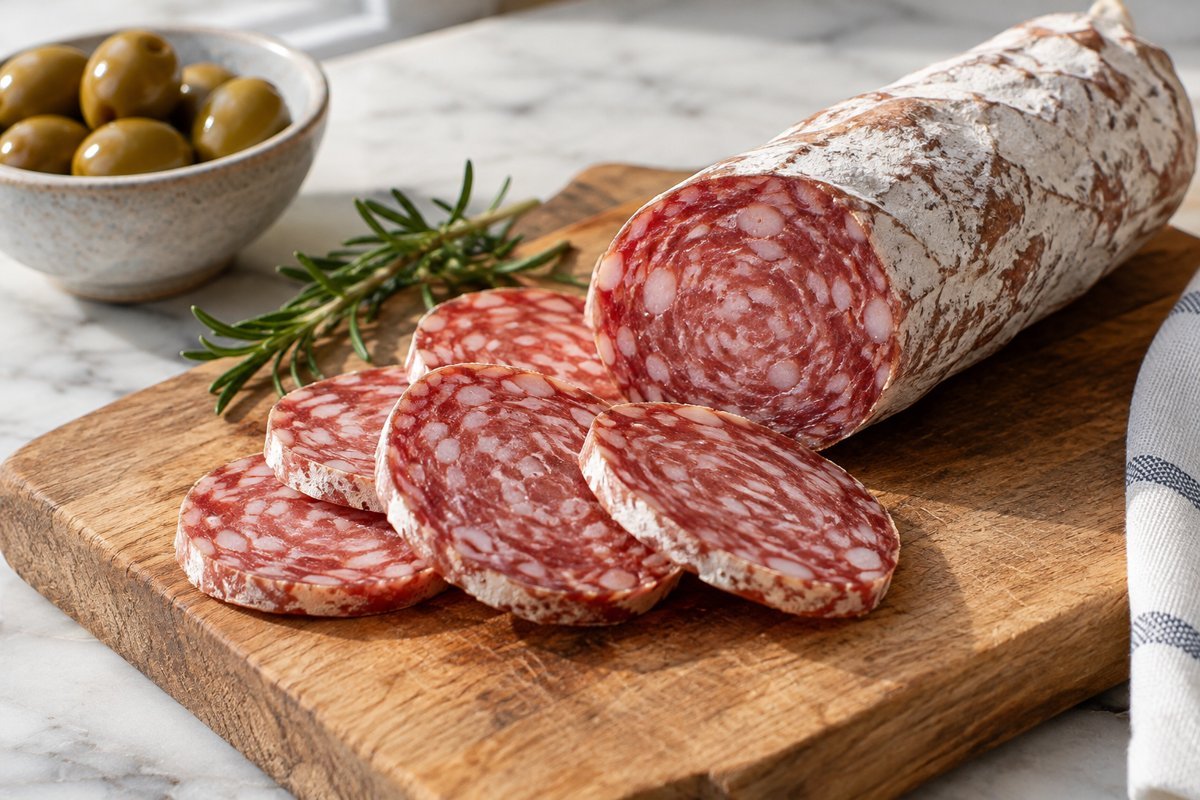
A snack board can make portions hard to notice because people return to it repeatedly. Put the amount you want on a plate, and include other foods you enjoy rather than making cured meat the only option. This is a practical meal choice; it should not be advertised as a guaranteed way to prevent cancer.
Curing and similar preservation processes put these meats in the processed category. They can be easy to eat often in sandwiches and snack boards. Rotate your usual filling with hummus, eggs or freshly prepared alternatives. You don't need to make every meal a calculation; changing the repeated choice is a practical start.
Source: WHO: red and processed meat.
4. Processed poultry meats
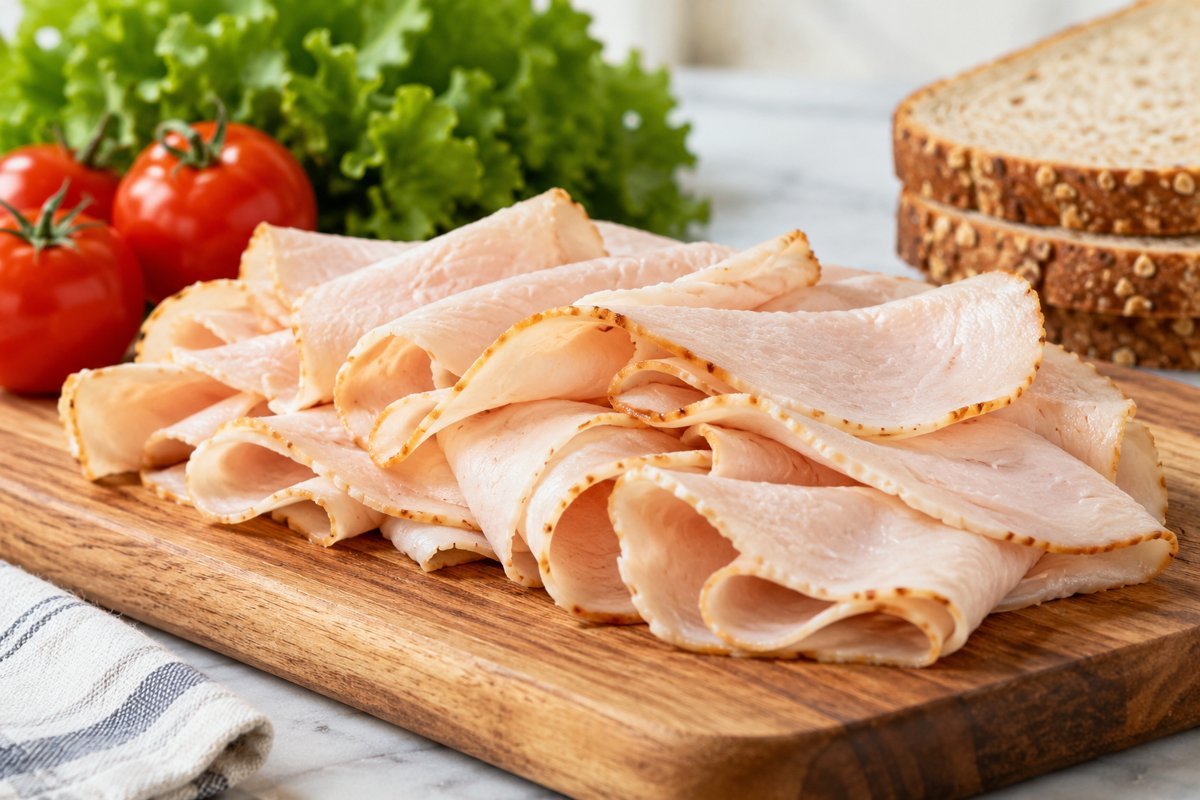
The useful check is the preparation, not simply a picture of a chicken on the package. Cured slices and freshly cooked poultry can have different roles in your routine. If you prepare poultry at home, safe handling and cooking are still essential. A discussion of long-term disease risk doesn't replace food-safety guidance.
A turkey or chicken product can still be processed through curing, smoking or similar methods. Switching animal species doesn't automatically remove that issue. Read the product description. An ordinary cooked chicken breast and cured poultry slices should not be treated as the same food simply because both come from chicken.
Source: WHO: red and processed meat.
5. Beef
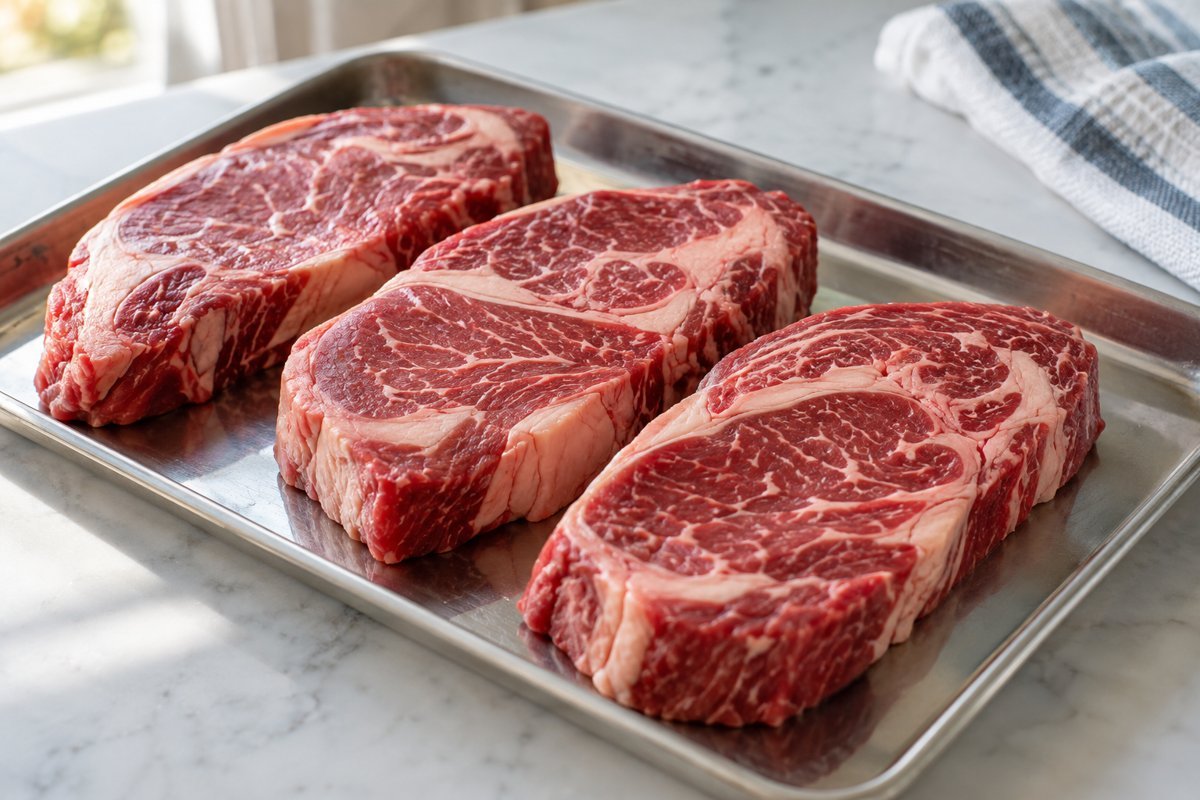
An evidence classification and the size of an individual person's risk answer different questions. It is possible to explain the research without treating a steak as a diagnosis. If red meat is a frequent centerpiece, plan a few familiar meals that use another protein food rather than buying a specialty replacement you dislike.
Red meat has a different evidence classification from processed meat. WHO describes it as probably carcinogenic, with limited human evidence, strongest for colorectal cancer. That doesn't mean all meat is identical. Consider how often you eat it and make room for beans, fish or poultry where those fit your diet.
Source: WHO: red and processed meat.
6. Pork and lamb
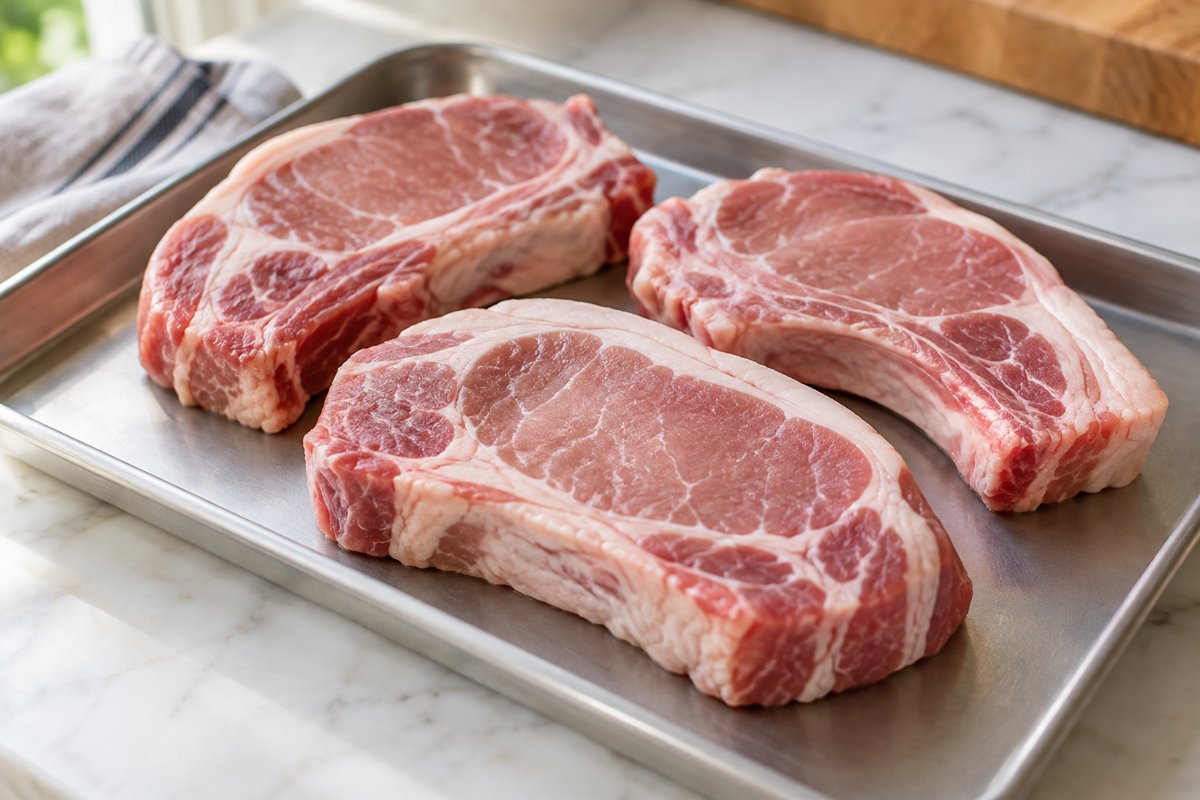
Calling pork 'the other white meat' doesn't alter the research category. When you compare your usual meals, count the foods you actually eat rather than relying on culinary nicknames. A stew can also use vegetables and beans to change the balance of the meal while keeping some of the flavor you enjoy.
These are red meats too, even though cooked pork may look pale. The category concerns mammalian muscle meat, not its color on the plate. A useful meal change is to use a smaller amount with vegetables and a grain or bean side, rather than swapping one red meat for another and assuming the evidence changes.
Source: WHO: red and processed meat.
7. Beer
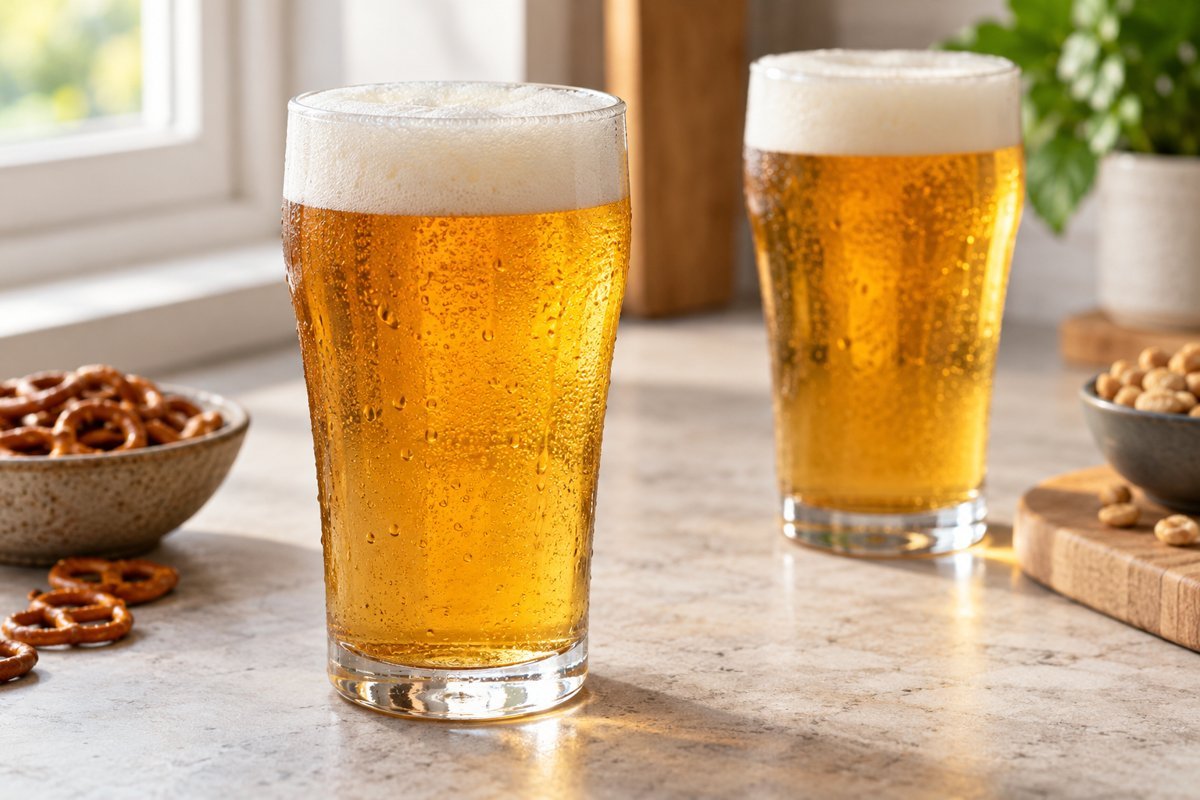
Different drinks deliver different amounts of alcohol, so count what you actually drink rather than the number of containers alone. An alcohol-free beer may be a useful substitute, but check its label because products differ. If reducing alcohol is difficult, seek appropriate support instead of trying to solve it with a menu swap.
Alcoholic drinks have established links to several cancers. Beer isn't exempt because its alcohol percentage is lower than that of spirits. If you drink, reducing the amount can reduce alcohol-related cancer risk. If you don't drink, there is no cancer-prevention reason to start. Choose an alcohol-free drink for some occasions.
Source: NCI: alcohol and cancer risk.
8. Wine

A wine's color, price or origin is not an exemption from alcohol-related risk. A generous home pour may be larger than the serving you had in mind. Decide on the amount before pouring, and keep an appealing nonalcoholic option available. Advice about drinking needs to account for medication and personal health too.
A wine label or discussion of antioxidants doesn't cancel the risks from alcohol. NCI explains that alcoholic drinks are linked to cancer through several pathways. A small-looking glass can also be poured generously. Pay attention to the amount you actually drink rather than relying on the drink's reputation.
Source: NCI: alcohol and cancer risk.
9. Spirits and cocktails

A cocktail recipe can include several measures of spirits, making one glass an unreliable guide to its alcohol content. Fruit juice does not cancel the alcohol. Asking about the recipe is more useful than choosing a drink based on its color or healthy-sounding name.
The alcohol in a cocktail still matters even when juice or fruit is included. Mixed drinks can contain more than one standard serving, depending on the recipe. Ask what's in the drink or choose an alcohol-free version. The mixer does not turn alcohol into a cancer-preventive food.
Source: NCI: alcohol and cancer risk.
10. Heavily charred meat
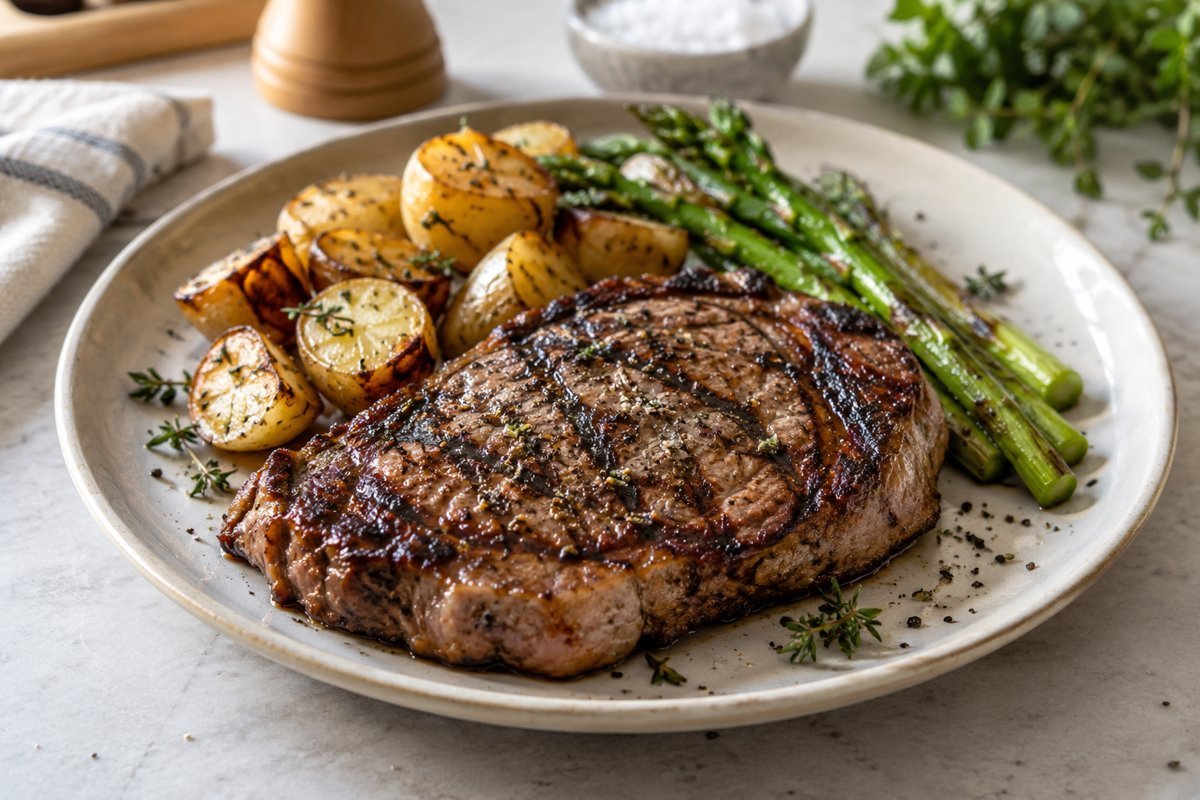
Cooking safely and avoiding heavy charring are separate goals. Don't undercook meat in an attempt to avoid browning; use a food thermometer and reliable safe-temperature guidance. You can adjust heat or cooking methods while still cooking the food properly. The image on this page illustrates a cooking topic, not a measurement of chemical exposure.
High-temperature cooking can form chemicals called HCAs and PAHs. NCI notes that human population studies have not established a definitive link between exposure from cooked meats and cancer. Avoiding heavy charring is a reasonable cooking choice, but calling every grilled meal a proven cancer cause overstates the evidence.
11. Very browned potatoes
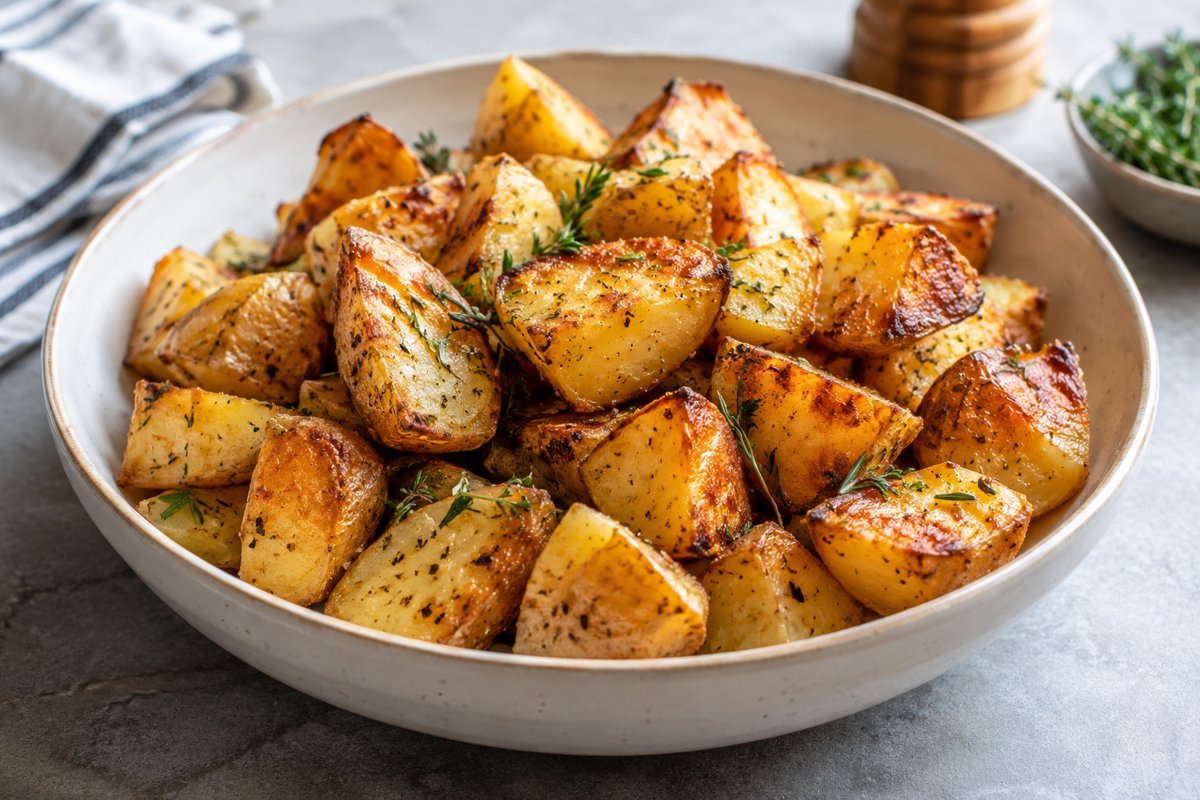
The color of a potato cannot tell you a person's future cancer risk. The sensible cooking habit is to avoid routinely burning food and use a range of methods, such as boiling, baking and steaming where suitable. Claims about one chemical should not turn a varied diet into a long list of foods to fear.
Acrylamide can form in some foods during high-temperature cooking. Animal studies raised concerns, but NCI reports no consistent evidence that dietary acrylamide causes cancer in humans. Don't turn a plate of potatoes into a diagnosis. Vary cooking methods and avoid routinely burning food rather than making an unsupported certainty claim.
Source: NCI: dietary acrylamide evidence.
12. Darkly toasted bread

A lighter slice of toast is an easy preference to make, but it should not be presented as a promise of cancer prevention. The evidence about dietary acrylamide in people is uncertain. Keep that uncertainty visible, and focus on the overall meal instead of making a dramatic claim about a burnt edge.
Toast appears in acrylamide discussions too. The evidence gap is the same: a chemical's laboratory findings are not a direct measurement of the risk from your breakfast. You can choose a lighter toast and a varied diet. There is no need to replace evidence with a dramatic 'never eat this' rule.
Source: NCI: dietary acrylamide evidence.
13. Sugary drinks
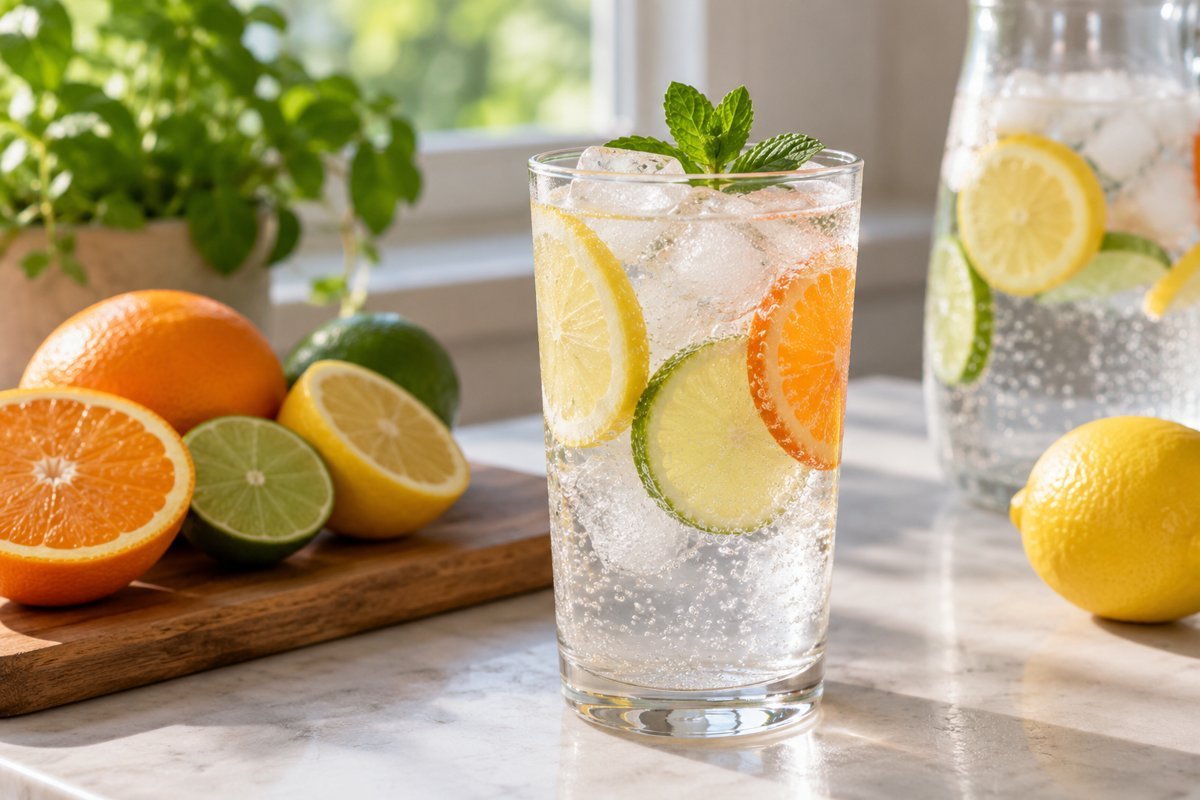
Nutrition and cancer research concerns patterns across time, not a verdict on one soda. If sweet drinks are a regular part of your day, try replacing one with a drink you enjoy without added sugar. That is a manageable nutrition change; it doesn't prove that the original drink directly caused or the replacement prevents cancer.
Sugar in a drink is not proof that the drink directly causes cancer. Frequent calorie-rich drinks can contribute to excess energy intake, while excess body weight is linked to several cancers. Water or an unsweetened drink can be a practical substitute. Keep the indirect pathway separate from claims of a direct cause.
Source: NCI: obesity and cancer risk.
14. Large portions of calorie-dense snacks
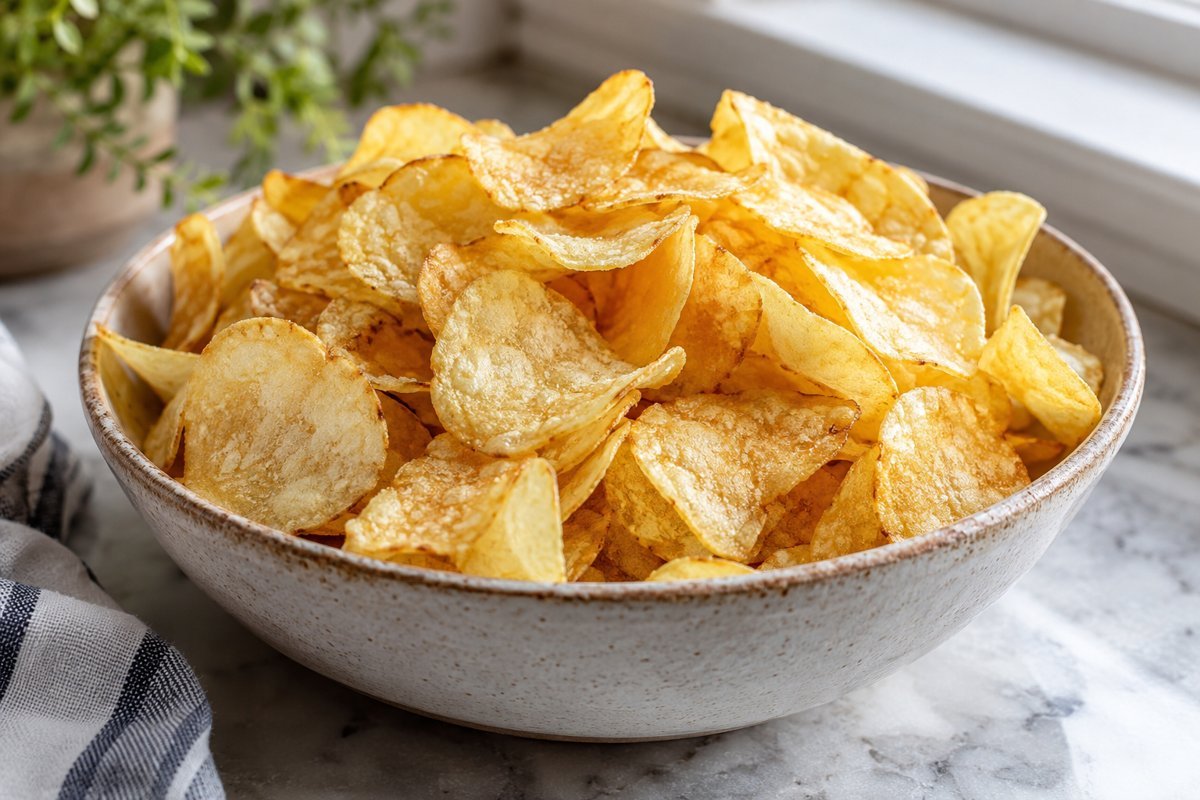
Body weight has many influences, so a snack label is not a complete explanation for it. A useful starting point is to notice portions and whether snacks are replacing meals. Personal advice is particularly important for anyone losing weight unexpectedly or receiving cancer treatment; a general prevention article is not their meal plan.
A snack isn't a cancer diagnosis. Portion size and overall diet can affect weight over time, and the cancer evidence concerns that broader picture. Serve a portion you want, make room for ordinary meals, and avoid treating a single ingredient as the explanation for a complex disease.
Source: NCI: obesity and cancer risk.
15. Highly processed foods as the everyday default
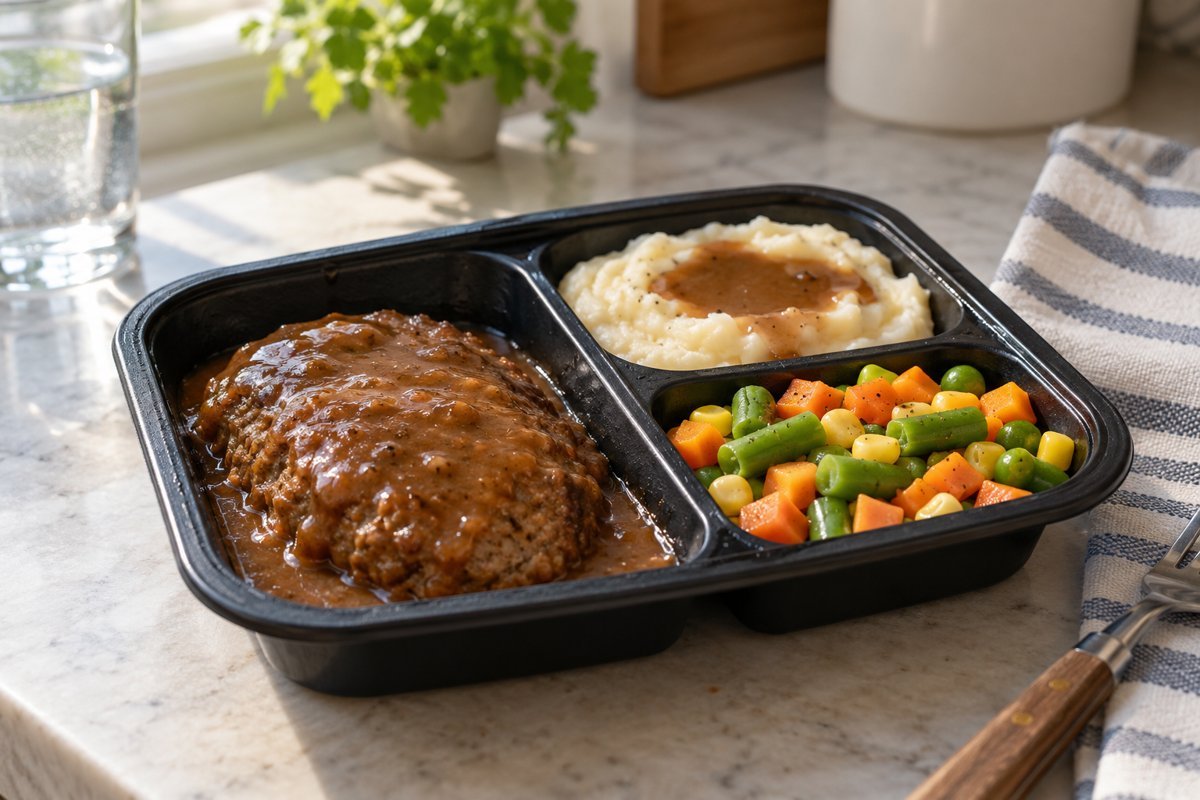
Packaging alone does not define how highly processed a food is. Frozen vegetables, bread and packaged snacks can have different ingredients and purposes, so assess the specific product and your overall eating pattern. Evidence about a broad food category should not be turned into a claim that every packaged item independently causes cancer. Practical variety is more useful than fearing all packaged food.
Source: NCI: body weight and cancer risk; this does not establish that each packaged food causes cancer.
For everyday choices, focus on the evidence that's clearest: limit processed meat, reduce or avoid alcohol, and build a varied eating pattern. Cancer prevention also includes tobacco avoidance, appropriate screening and other measures beyond food. If you're receiving cancer treatment, ask your care team about nutrition before restricting foods. This is general information, not a treatment plan or a promise of prevention.
Keep reading: 25 Budget-Friendly Foods for Simple, Balanced Meals or 10 Foods and Drinks to Rethink When Managing Your Weight.

2 thoughts on “Food and Cancer Risk: 15 Choices Explained Without the Scare Stories”