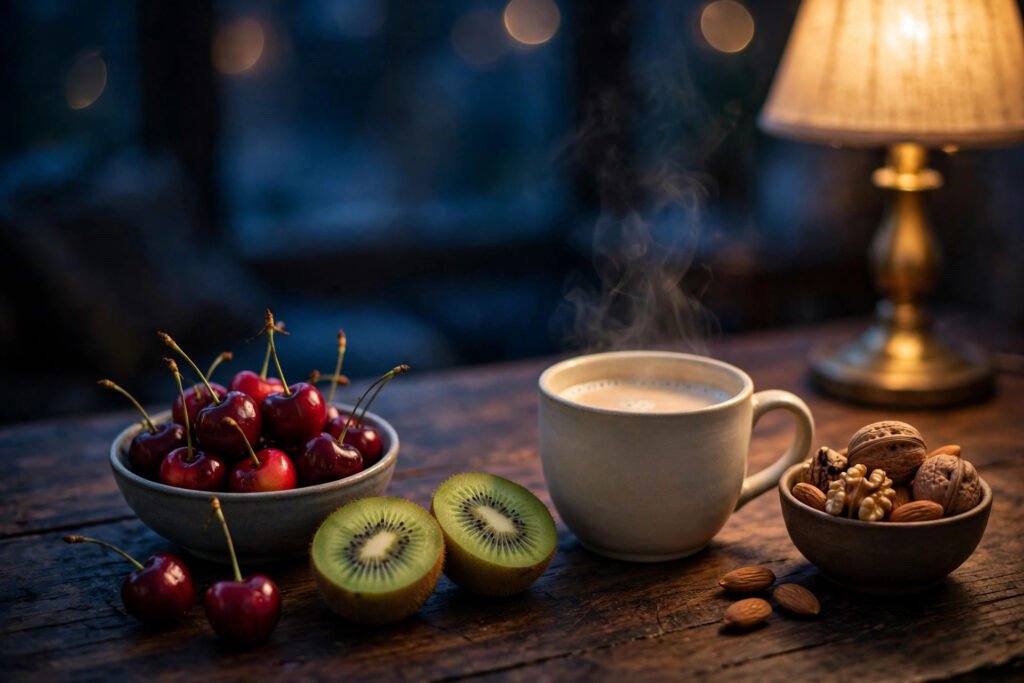
Some foods that help you sleep have real studies behind them, and a few stand out. Tart cherry juice, kiwi, fatty fish and walnuts carry the strongest evidence, while the rest of this list are sensible choices with weaker proof. No food cures insomnia or guarantees a good night, and the effects in the studies are small. If poor sleep lasts more than a few weeks, ask a qualified professional for advice.
Updated November 22, 2026
In this article
How to use foods that help you sleep in an evening routine
Think of these foods as a habit, not a one-night fix. In the trials, people ate the food daily for weeks before researchers measured a change. A single kiwi on a restless night is unlikely to do much. Pick one or two items from this list that you already enjoy and fold them into your evenings for a few weeks.
Timing and size matter more than the food itself. A small snack about an hour before bed works better than a heavy meal, which can keep you awake. Pair a protein food with a small amount of carbohydrate, since that combination helps tryptophan reach the brain. Most of these foods are also cheap and ordinary, so they sit well with other budget-friendly healthy foods and with food habits that support healthy aging.
Keep the rest of the evening calm too. Food is only one part of sleep. A regular bedtime, a dark room and no caffeine after the afternoon do more than any single snack. The foods below help at the edges. They do not replace those basics.
1. Tart cherries
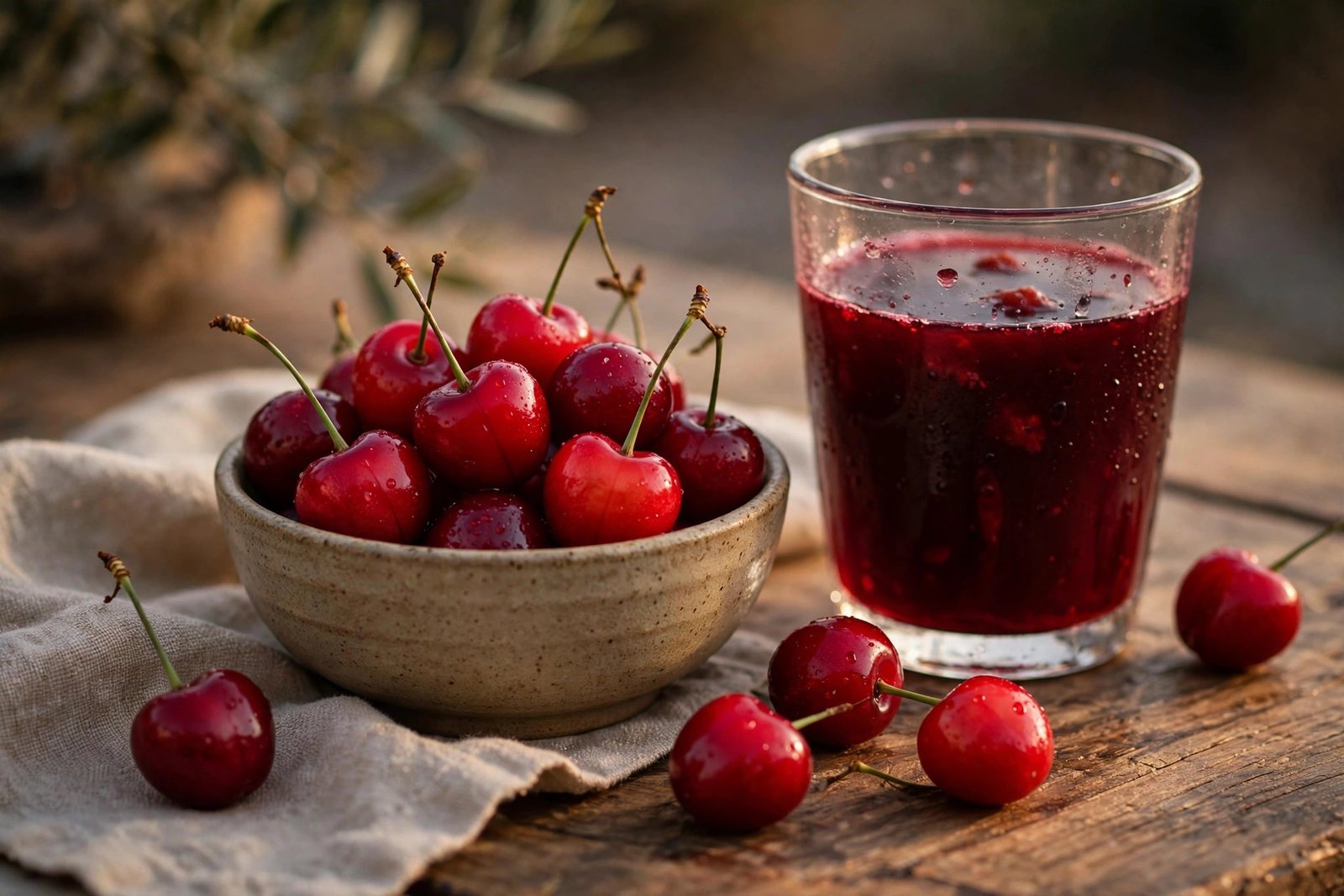
Tart cherries have the best sleep evidence of any food on this list. In a 2012 trial, 20 healthy adults drank tart cherry juice concentrate for seven days. Their melatonin levels rose, and they spent more time asleep and slept more efficiently than when they drank a placebo. Tart cherries contain melatonin itself, plus tryptophan and plant compounds that may calm inflammation.
Buy tart cherry juice, not sweet cherry juice, and check the label for added sugar. A small glass in the evening matches what the trial used. Fresh tart cherries are hard to find in many shops, so juice is the practical option. The study was small and short, so treat the result as promising rather than proven.
Source: Howatson et al., 2012, tart cherry juice and sleep quality
Up next: 2. Kiwi
2. Kiwi
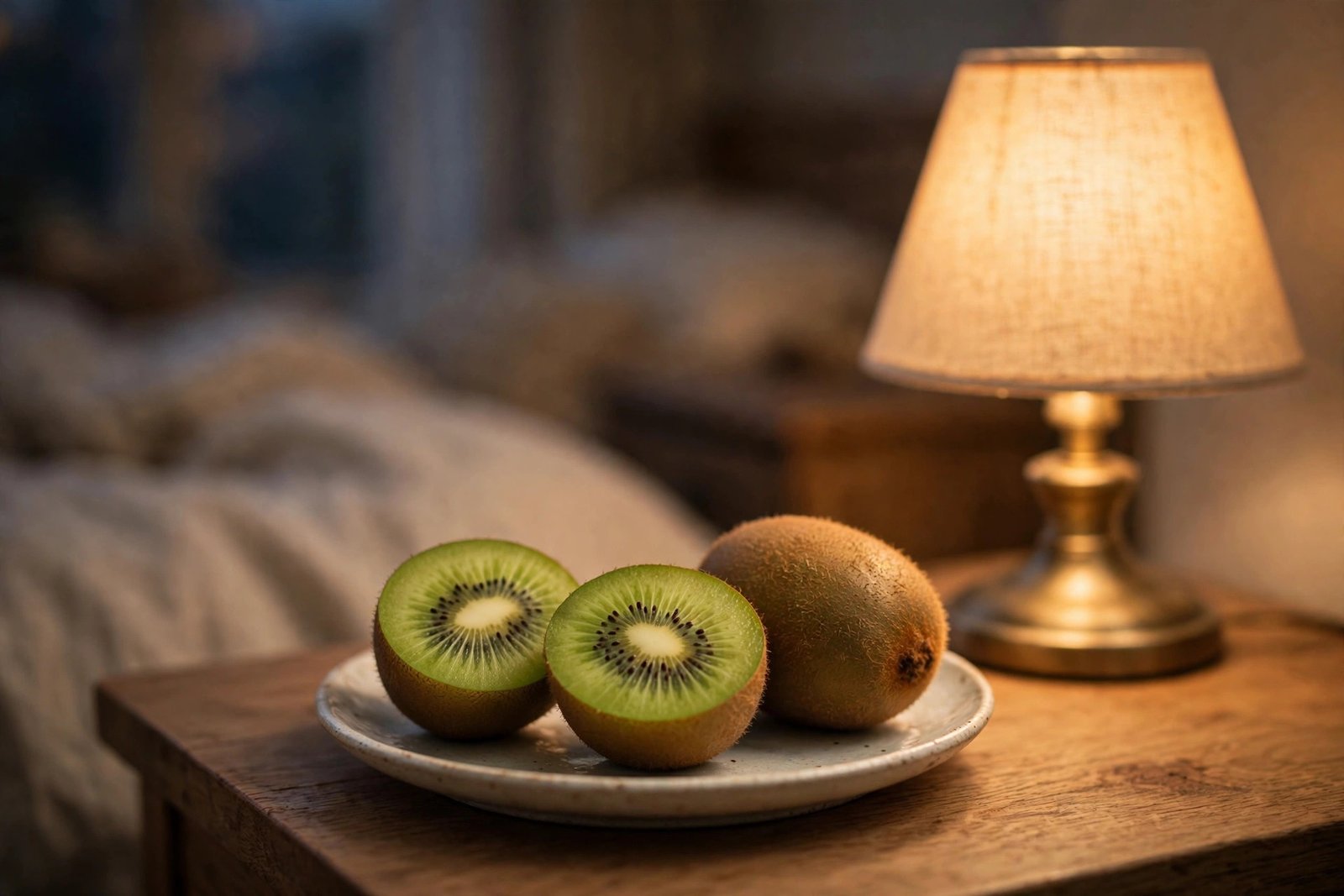
Two kiwis before bed is one of the simplest sleep habits ever tested. In a 2011 study, 24 adults with sleep problems ate two kiwis one hour before bedtime every night for four weeks. By the end, they fell asleep about 35 percent faster by their own reports, slept about 13 percent longer, and rated their sleep quality about 42 percent better. Kiwi is rich in serotonin, folate and antioxidants, which may explain the effect.
Read the numbers with care. The study had no control group, so some of the gain may come from the routine itself or from expecting to sleep better. It was also small, with 22 women and 2 men. Even so, two kiwis an evening is cheap, safe for most people and easy to test on yourself for a month. Peel and eat them about an hour before bed, as the study did.
Source: Lin et al., 2011, kiwifruit and sleep quality
Up next: 3. Fatty fish
3. Fatty fish
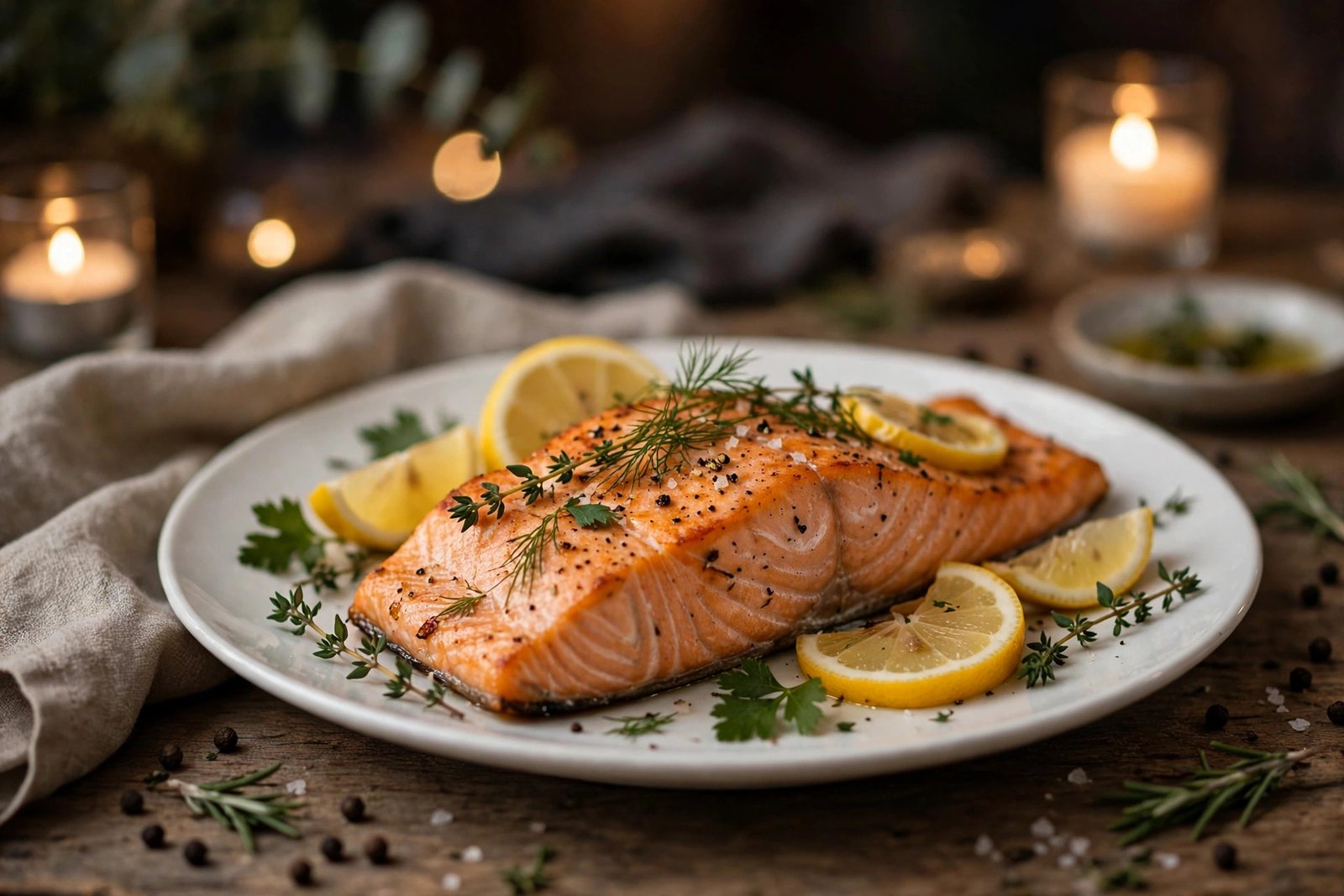
Fatty fish works slowly, over weeks rather than nights. In a 2014 trial, 95 men ate Atlantic salmon three times a week for six months. The fish group reported better daily functioning than the group eating other meats, and their vitamin D levels stayed closer to the range linked with good sleep. Vitamin D status was tied to better sleep efficiency, while the control group took longer to fall asleep by the end of the trial.
The likely link is omega-3 fats plus vitamin D, both of which support normal serotonin signalling. Salmon is the fish that was tested, but mackerel and sardines carry similar nutrients. This is a daytime habit, not a bedtime snack. A serving of oily fish a few times a week is a reasonable goal. Note the trial studied a narrow group of men in one inpatient setting, so the results may not apply to everyone.
Source: Hansen et al., 2014, fish consumption and sleep
Up next: 4. Walnuts
4. Walnuts
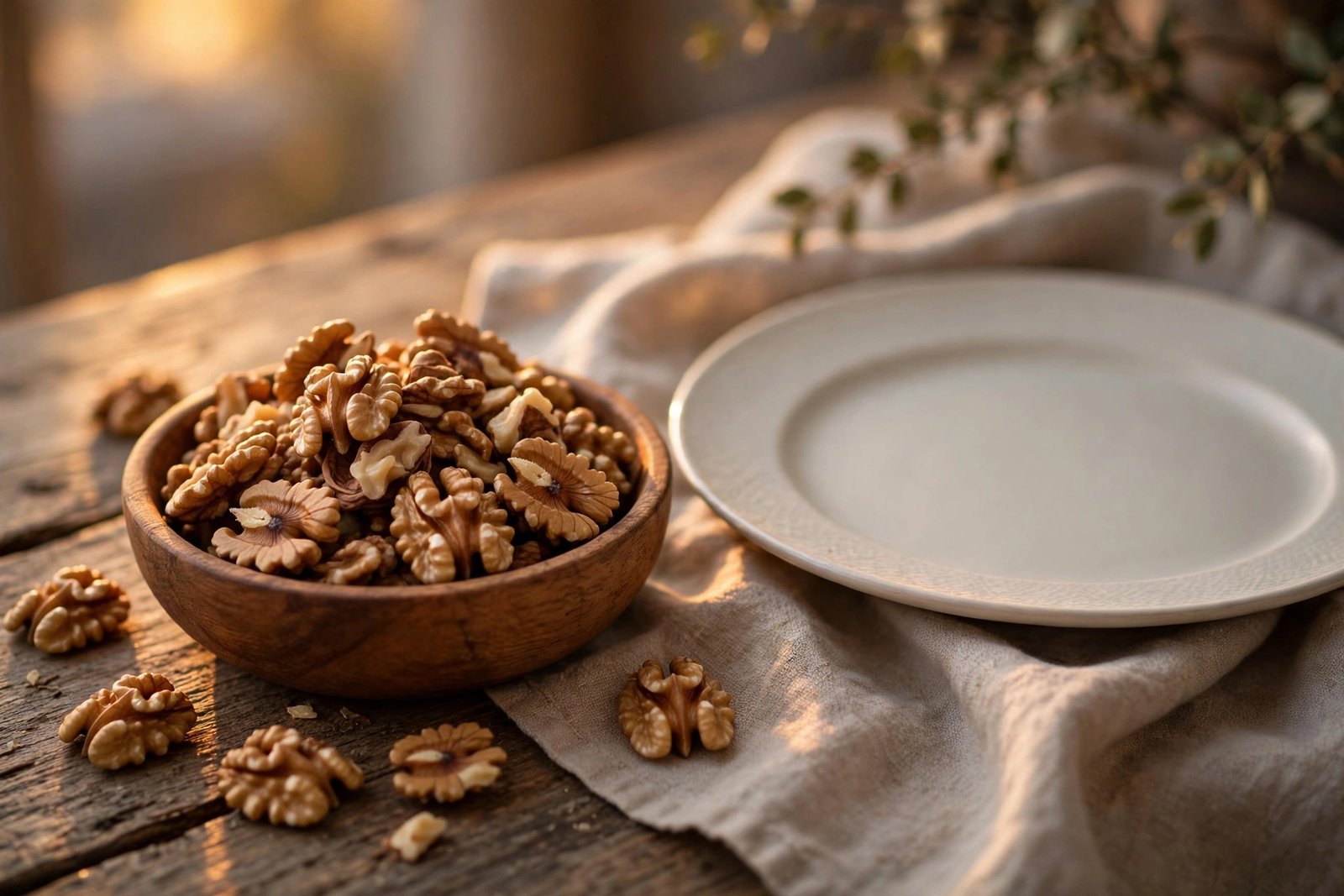
Walnuts are the newest food on this list to be tested in a proper trial. In a 2025 randomised crossover trial, 76 young adults ate 40 grams of walnuts, about a small handful, with dinner every day for eight weeks. During the walnut weeks, a melatonin marker in their evening urine rose, they fell asleep about 1.3 minutes faster, and they rated their sleep better and felt less sleepy during the day.
The effect is real but small. Falling asleep a minute sooner will not transform a bad night. Walnuts bring a useful package though: the serving in the trial contained about 85 milligrams of tryptophan, 118 nanograms of melatonin and 45 milligrams of magnesium. Keep the portion to a small handful. A large bowl of nuts late at night is heavy and can work against sleep. The trial was funded by a walnut industry body, though the authors state the funder did not shape the study.
Source: Zerón-Rugerio et al., 2025, walnuts and sleep quality
Up next: 5. Almonds
5. Almonds

Almonds are a practical source of magnesium, a mineral involved in normal nerve and muscle function and in making melatonin. One ounce of dry-roasted almonds, about a small handful, provides around 80 milligrams of magnesium. In a 2019 study, 446 students ate 10 sweet almonds a day for two weeks, and the share reporting insomnia fell from about 78 percent to about 69 percent.
That study had no control group, so the improvement cannot be credited to the almonds alone. Students may simply have slept better as their term settled. Treat almonds as a sensible evening snack with a plausible mechanism, not a proven sleep aid. A small handful about an hour before bed is enough. Salted or honey-coated almonds add sugar and salt you do not need late at night.
Source: Ghafarzadeh et al., 2019, almonds and sleep quality
Up next: 6. Chamomile tea
6. Chamomile tea
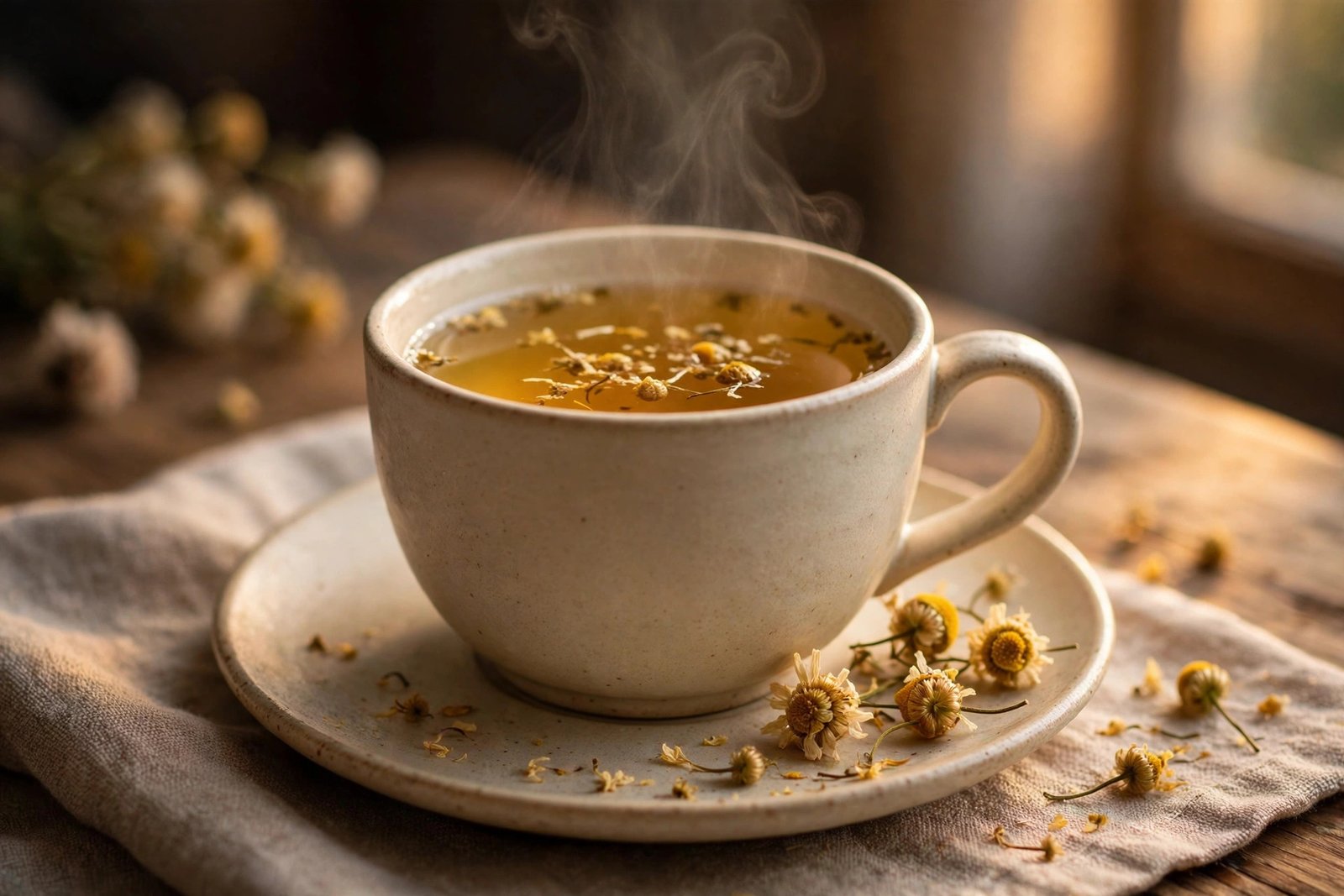
Chamomile is the most used herbal tea for sleep, and it has a plausible mechanism. Its main active compound, apigenin, binds to the same brain receptors that common sleep medicines target. The strongest test so far was a 2011 pilot trial in 34 adults with chronic insomnia, who took 270 milligrams of chamomile extract twice a day for 28 days. Sleep diary measures did not improve significantly more than with a placebo, though daytime functioning showed a modest edge.
A cup of tea is weaker than the extract capsules used in that trial, and the amount of apigenin in tea varies by brand and brewing time. Later reviews of several small trials found small gains in how people rated their sleep, but no change in how long they slept. Chamomile still earns its place as a wind-down ritual. A warm, caffeine-free cup at the same time each night tells your body the day is ending. Skip it if you are allergic to plants in the daisy family.
Source: Zick et al., 2011, chamomile extract and chronic insomnia
Up next: 7. Warm milk
7. Warm milk

Warm milk is the oldest bedtime remedy on this list, and the science gives it a cautious yes. Milk contains tryptophan, the building block for serotonin and melatonin, plus calcium and B vitamins that help the chain of reactions along. A 2025 meta-analysis of clinical trials found that milk and dairy products improved self-rated sleep quality scores. The catch is dose. One cup of milk holds far less tryptophan than the amounts used in supplement trials, and its melatonin content is tiny.
So why does it seem to work for so many people? Part of the answer is the ritual. A warm drink at the same time each night is a clear signal to wind down, and that signal matters. Warm milk is best seen as a gentle habit, not a sedative. If milk upsets your stomach or you avoid dairy, a warm caffeine-free drink you enjoy can play the same role.
Source: Peres et al., 2025, milk and dairy products and sleep quality
Up next: 8. Bananas
8. Bananas
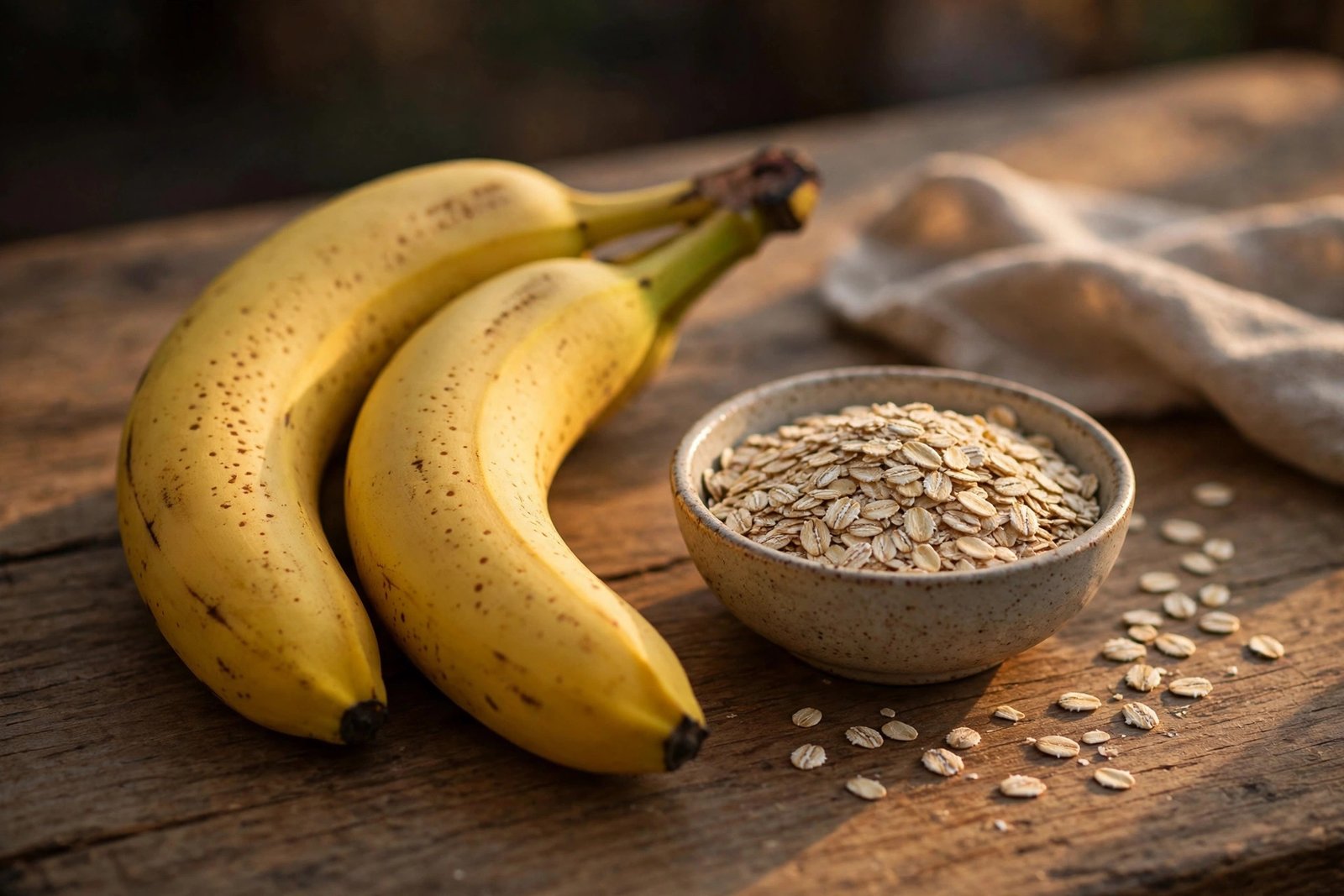
Bananas combine three nutrients that sleep researchers watch: magnesium, potassium and vitamin B6. A medium banana provides about 32 milligrams of magnesium, and vitamin B6 helps the body turn tryptophan into serotonin. The carbohydrate in a banana also helps tryptophan reach the brain, where it becomes melatonin. That is a tidy chain of logic, and it is why bananas appear in so many sleep food lists.
The honest limit is that no trial has tested bananas alone for sleep. The case rests on nutrient content, not on people eating bananas and sleeping better in a study. That does not make bananas a bad choice. A banana is a light, filling evening snack, and it pairs well with oats or a glass of milk. Eat it because it is a good snack, not because it will switch off a restless mind.
Up next: 9. Oats
9. Oats
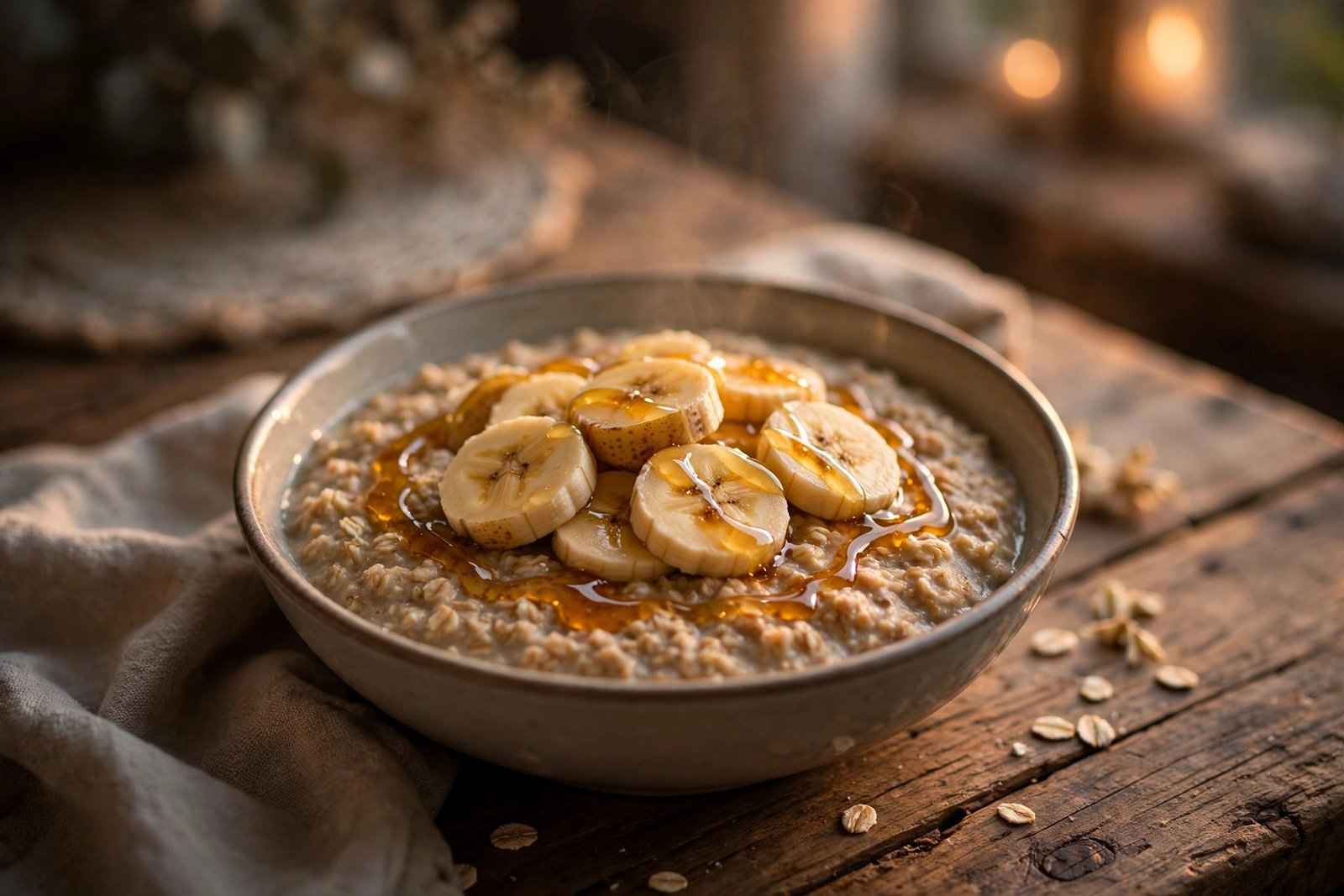
Oats are an underrated evening food. They contain small amounts of melatonin. One laboratory assay measured about 90 nanograms per gram, though other assays found far less, so the exact figure is uncertain. Oats also supply tryptophan, and a bowl of oats with milk pairs carbohydrate with protein, the combination that helps tryptophan reach the brain. Oats are cheap, filling and easy to keep in the cupboard.
No trial has tested oats for sleep, and the melatonin in a bowl of oats is far below the dose in a supplement. Do not expect oats to knock you out. Their value is practical. A small warm bowl in the evening is light, easy to digest and keeps hunger from waking you. For morning ideas, see our breakfast choices for busy mornings.
Source: Meng et al., 2017, melatonin content of foods
Up next: 10. Turkey
10. Turkey
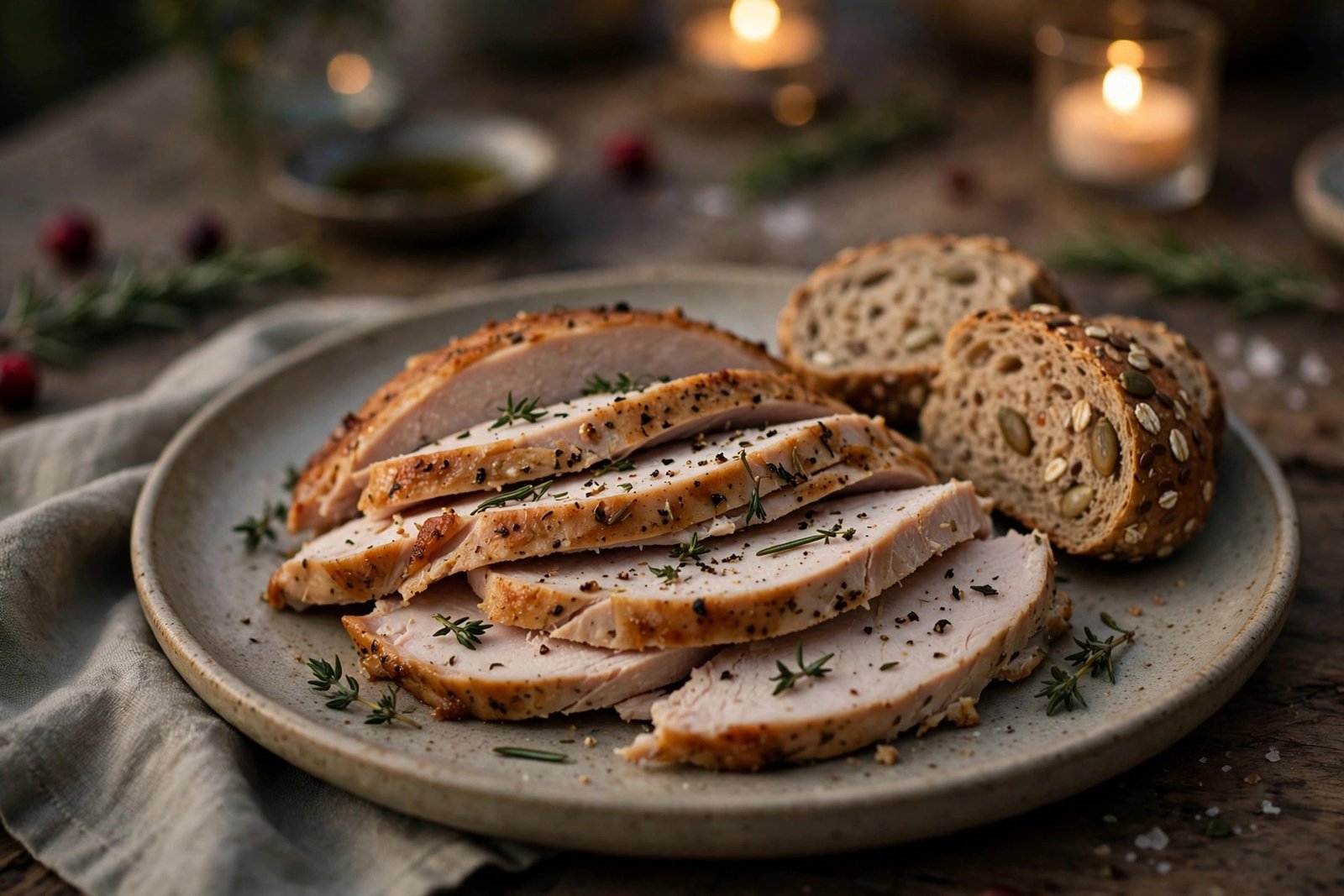
Turkey is famous for tryptophan, and the reputation has a real basis. Turkey is rich in this amino acid, which the body turns into serotonin and then melatonin. The effect is strongest when tryptophan is eaten with a small amount of carbohydrate, which clears competing amino acids from the bloodstream and lets more tryptophan reach the brain. A few slices of turkey with a slice of bread make a reasonable light evening snack.
But no study has tested turkey alone for sleep, and the famous drowsiness after a large turkey meal has more to do with eating a lot than with the turkey itself. A heavy late dinner, turkey or not, can make sleep worse. Keep the portion small and the meal early enough to digest before bed. Turkey belongs on this list for its nutrients, not for any proven sleep effect.
That is the honest picture. Tart cherry juice, kiwi, fatty fish and walnuts have the best evidence, and even there the effects are modest. The rest are sensible foods with plausible mechanisms and little or no direct testing. None of them replaces regular sleep hours, a dark room and a calm evening. Try one or two that you enjoy, give them a few weeks, and if poor sleep keeps going, talk to a qualified professional rather than adding more foods to the list.
References
Sources checked November 22, 2026. General information; individual needs and rules can differ.
- Howatson et al., 2012: tart cherry juice, melatonin levels and sleep quality
- Lin et al., 2011: kiwifruit consumption and sleep quality in adults with sleep problems
- Hansen et al., 2014: fish consumption, sleep, daily functioning and heart rate variability
- Zerón-Rugerio et al., 2025: daily walnut consumption, melatonin levels and sleep quality
- Ghafarzadeh et al., 2019: sweet almond and sleep quality in students
- Zick et al., 2011: chamomile extract for chronic primary insomnia
- Peres et al., 2025: milk or dairy products and sleep quality, systematic review and meta-analysis
- Meng et al., 2017: dietary sources and bioactivities of melatonin
- Ortega et al., 2025: nutrition in improving sleep quality and fighting insomnia
Keep reading: 25 Budget-Friendly Foods for Simple, Balanced Meals or 13 Food Habits Worth Reviewing as You Get Older.