Food bans and import restrictions can be confusing: a food can be legal to eat in one country and still be refused at another country’s border. The reason may be an ingredient rule, an unsafe preparation, or protection against animal and plant diseases. These 25 examples explain the distinction. Use the official reference for your actual product and journey, because restrictions and disease controls can change.
Updated October 26, 2026
In this article
- Chewing gum: Singapore import restrictions
- Toy-filled chocolate eggs: U.S. import prohibition
- Haggis made with livestock lungs: U.S. food rules
- Raw drinking milk: U.S. interstate sale restriction
- Puffer fish: controlled U.S. imports
- Ackee products: U.S. toxin controls
- Foods colored with E171: European Union rules
- Drinks made with BVO: U.S. authorization revoked
- Foods with Red No. 3: U.S. phaseout
- Meat-filled mooncakes: U.S. traveler restrictions
- Mooncakes with incompletely cooked egg filling: U.S. entry rules
- Milk from livestock-disease regions: U.S. entry rules
- Fresh eggs from poultry-disease regions: U.S. restrictions
- Fresh chicken from affected regions: U.S. restrictions
- Beef from affected regions: U.S. restrictions
- Pork from affected regions: U.S. restrictions
- Cured ham carried by travelers: special U.S. restrictions
- Salami carried by travelers: special U.S. restrictions
- Fresh mangoes: U.S. traveler produce rules
- Fresh apples: U.S. traveler produce rules
- Fresh tomatoes: U.S. traveler produce rules
- Frozen berries: U.S. traveler produce rules
- Home-canned vegetables: U.S. traveler entry prohibition
- Meat sandwiches: Great Britain border rules
- Cheese and dairy souvenirs: Great Britain border rules
Before you pack food for a journey
- Write down the destination and the country where the food was produced. A stopover or the shop where you bought it may not establish its origin.
- Record its ingredients and whether it is fresh, cooked, dried, canned or shelf-stable. Keep the original packaging.
- Use the official source linked beside the relevant item below. Check traveler rules separately from commercial-import rules.
- For U.S. arrival, declare agricultural products even when you believe they are allowed. Inspectors make the entry decision.
The meat, dairy and produce examples share several rules; they are not 25 separate scientific findings about food safety. Recheck current restrictions before each trip.
1. Chewing gum: Singapore import restrictions
References
Sources checked October 11, 2026. General information; individual needs and rules can differ.
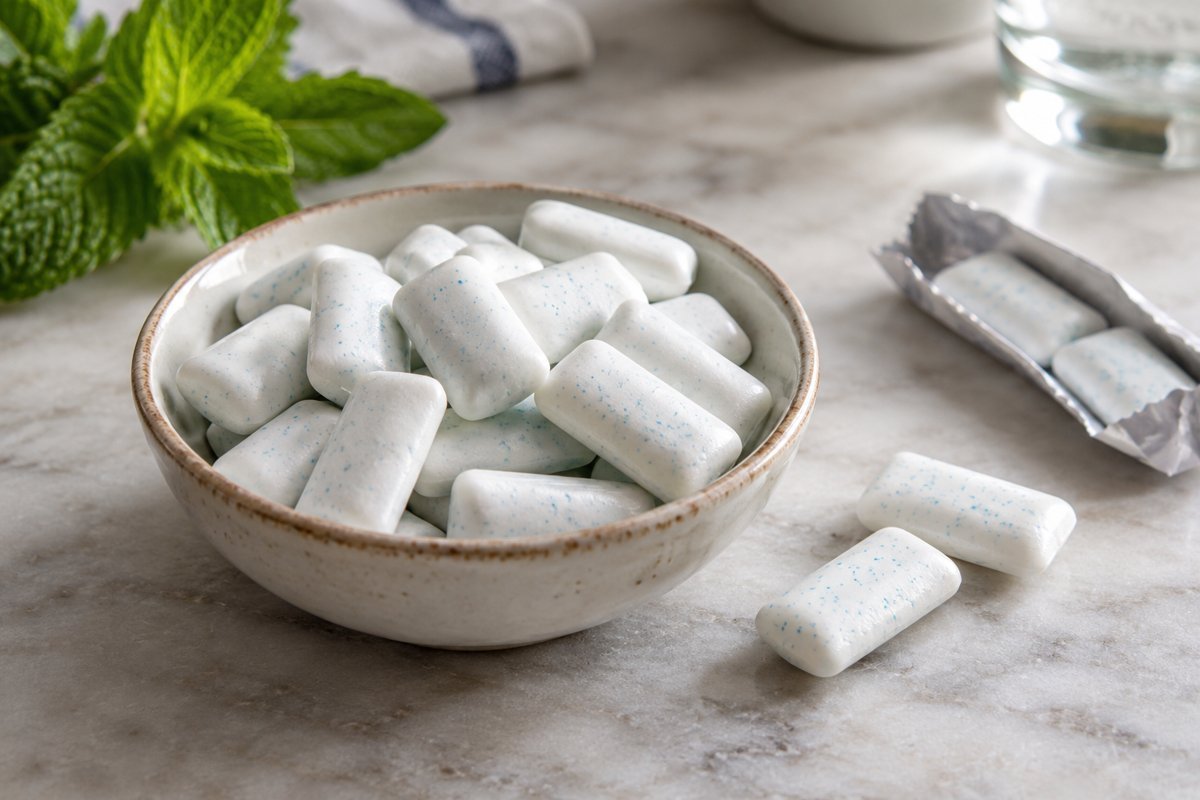
A rule on importing a product is different from a rule on eating or owning it. Singapore’s gum controls are a good example of why a viral ‘banned foods’ list can be misleading. The traveler should check the permitted product category and any exception, rather than assume the rule applies to every gum in every situation.
Singapore restricts imports of ordinary chewing gum. Certain approved therapeutic gums have exceptions. This is an import rule, so it shouldn’t be retold as a claim that simply chewing gum is illegal. Check Singapore Customs before bringing a packet as a souvenir.
2. Toy-filled chocolate eggs: U.S. import prohibition
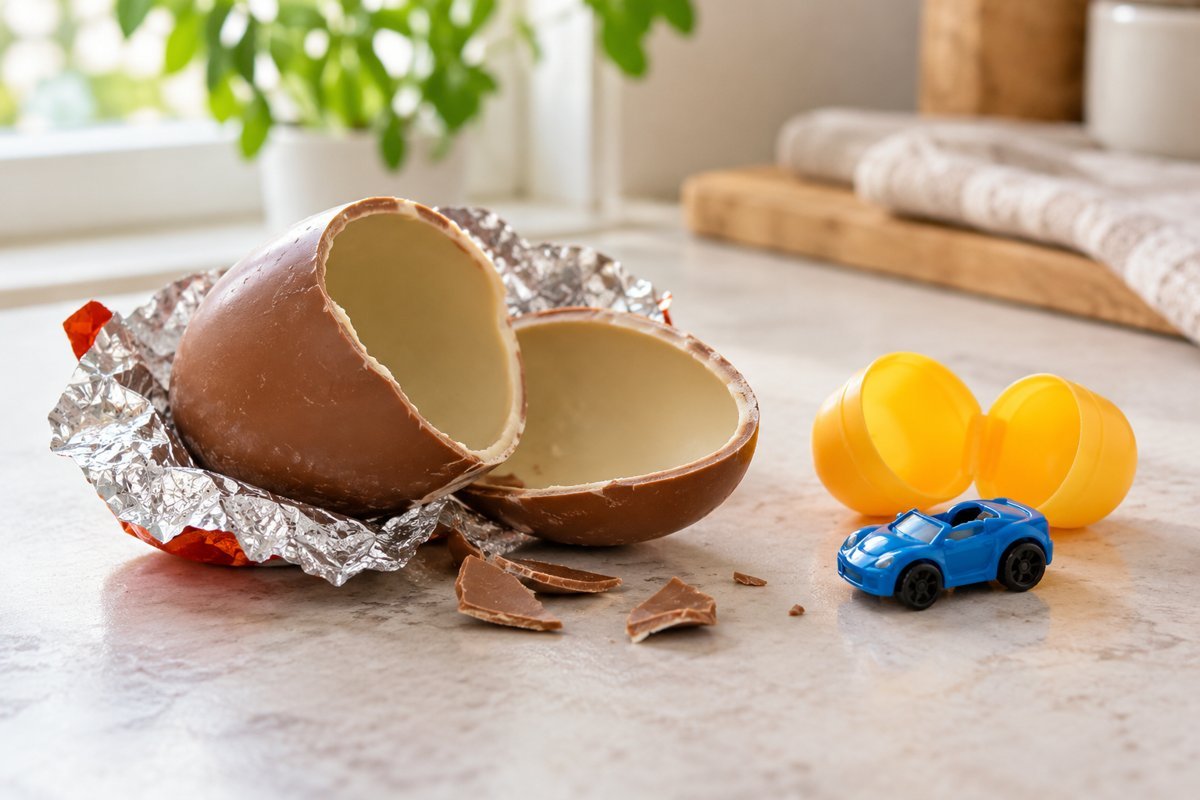
The U.S. concern is the design of candy with a nonfood object inside it. A chocolate treat and a toy placed in separate compartments aren’t the same design. Brand names alone won’t resolve the question. Keep the original packaging, and check the current Customs guidance before buying novelty sweets as gifts for children.
Kinder Surprise-style eggs with a toy enclosed inside the chocolate face U.S. restrictions because of the nonfood object. This doesn’t apply to every chocolate egg or every product from the brand; a separate toy compartment is a different design. Check the actual product and current U.S. import guidance. FDA Import Alert 34-02 specifically addresses chocolate eggs with embedded non-nutritive objects.
3. Haggis made with livestock lungs: U.S. food rules
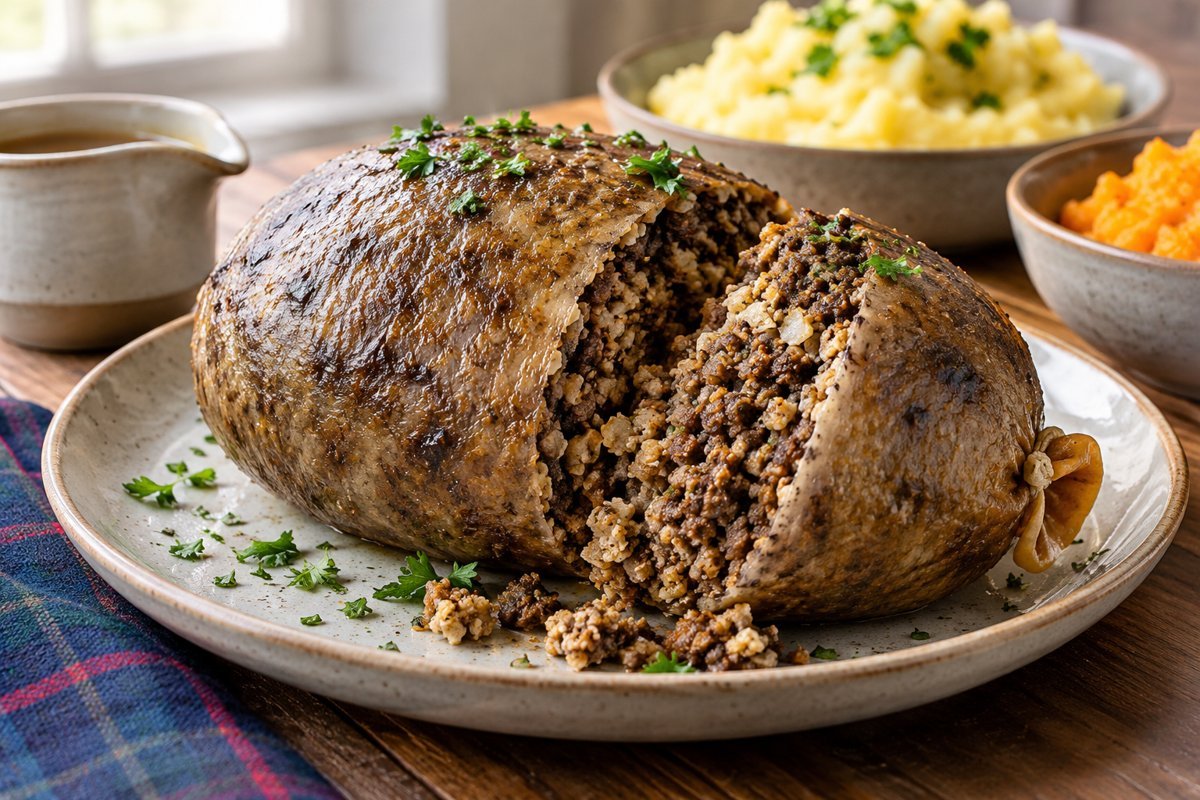
Traditional haggis can include ingredients that a destination’s food rules do not permit. A recipe made without lungs may therefore be sold where the traditional version cannot. The dish’s name is not enough to determine whether an import is allowed. Check the full ingredient list instead of treating a restaurant version and a packaged export as identical.
U.S. regulations prohibit saving livestock lungs for human food. Traditional haggis recipes containing lungs therefore run into this rule. A lung-free recipe is a different product. The restriction concerns that ingredient, not every Scottish dish or every kind of haggis.
Source: 9 CFR 310.16: livestock lungs.
4. Raw drinking milk: U.S. interstate sale restriction
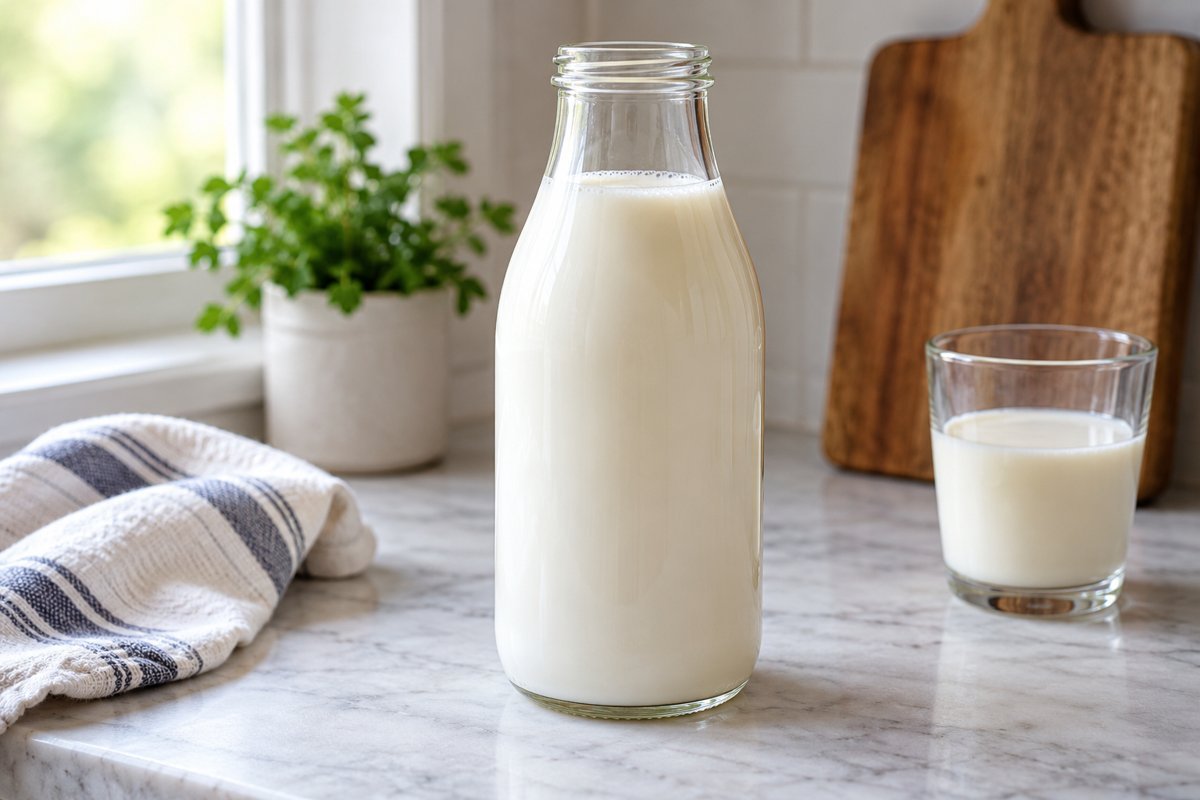
Two questions need separate answers: whether a sale is legal in a particular place, and whether the milk has been pasteurized. State permission doesn’t remove the infection risks described by FDA. Travelers and shoppers should check both the relevant rules and the processing information on the product, especially when serving someone more vulnerable to foodborne illness.
The FDA prohibits interstate sale of unpasteurized milk for drinking. Local sale rules vary by state. That distinction matters when someone says raw milk is ‘banned in America.’ Pasteurization also addresses real infection risks; an allowed local sale is not a guarantee that a product is safe.
Source: FDA: raw milk and interstate sales.
5. Puffer fish: controlled U.S. imports
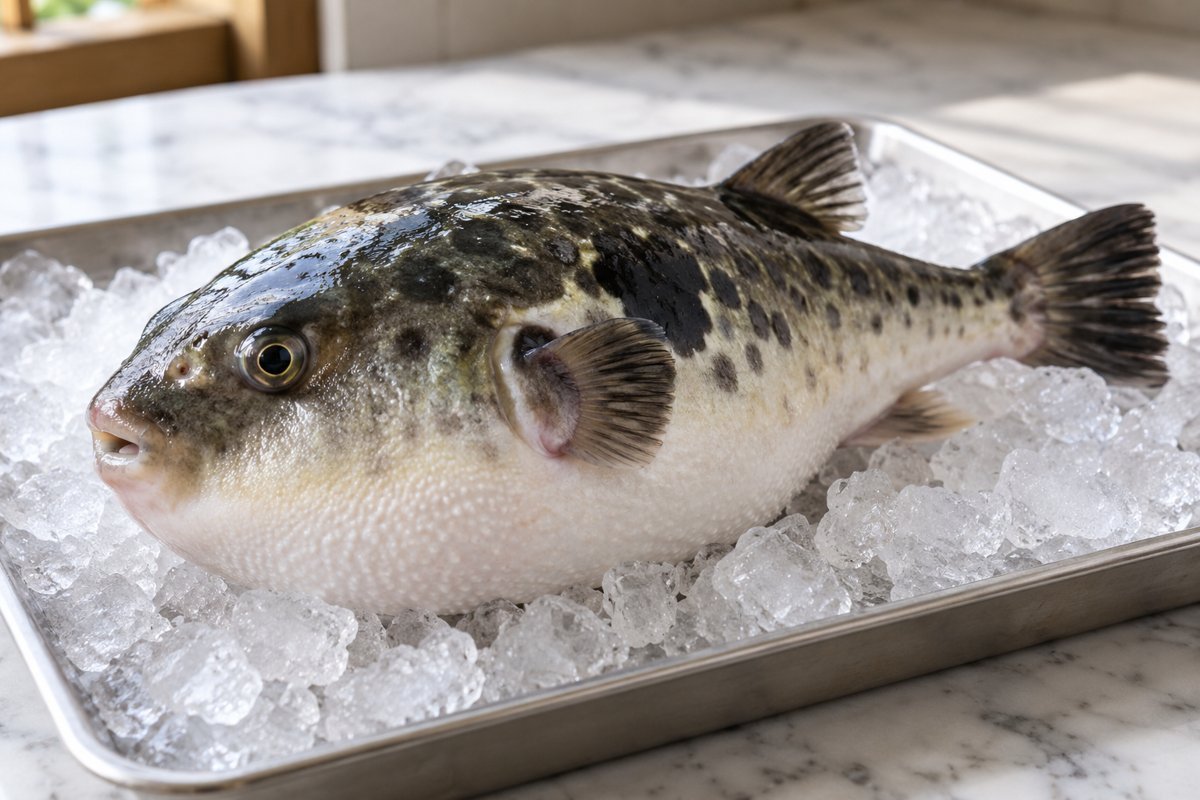
Controls on puffer fish concern a toxin that can have severe consequences when preparation is wrong. A photograph of an attractive restaurant dish tells you nothing about an import approval or a supplier’s qualifications. This is a topic for regulated sourcing and trained preparation, not a home experiment or a general seafood substitution.
Puffer fish isn’t an ordinary unrestricted seafood import. FDA arrangements allow certain carefully controlled Japanese products, while other shipments can be detained. The species, preparation and supplier matter. FDA explicitly prohibits personal imports; the limited regulated commercial arrangement is not permission to carry puffer fish home. Don’t treat this as a food to prepare yourself after reading a travel list.
Source: FDA: puffer fish import controls.
6. Ackee products: U.S. toxin controls
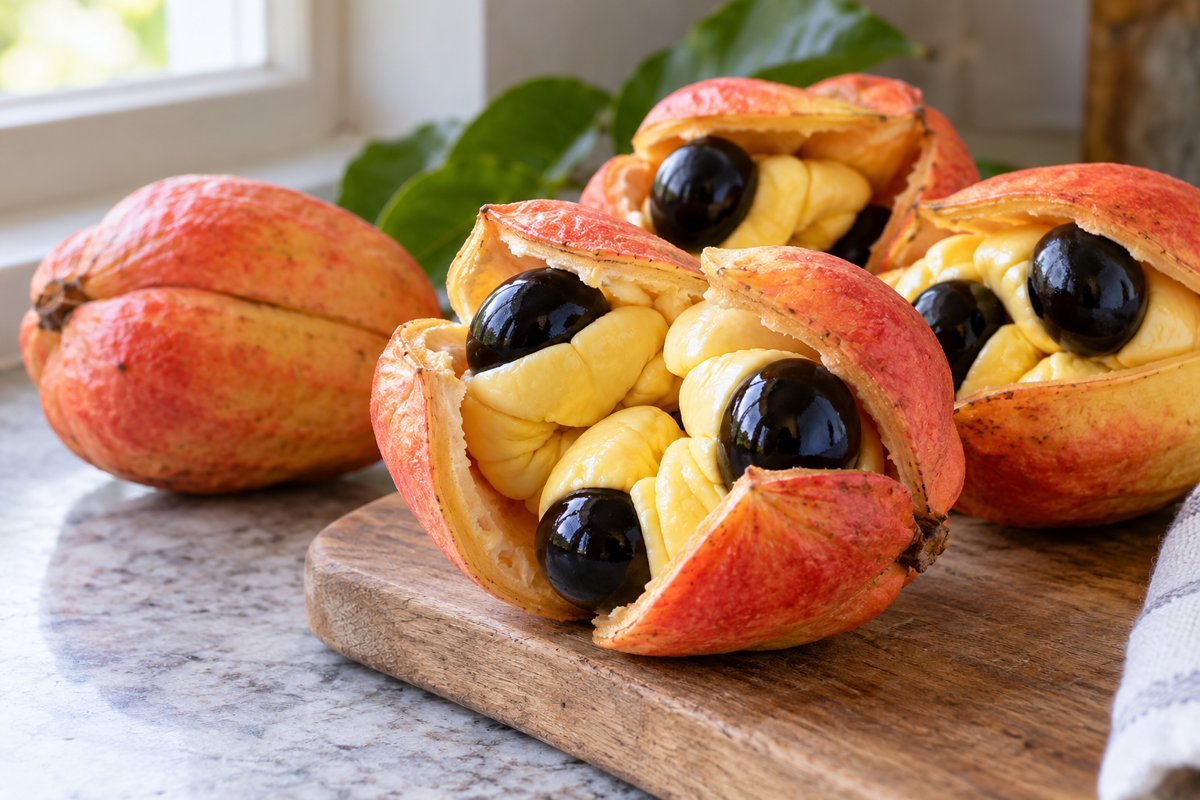
Ackee is a familiar ingredient in Jamaican cooking, but ripeness and processing are important to its safety. A properly made canned product should not be confused with unripe fruit or an uncontrolled shipment. Read FDA’s explanation of hypoglycin and the import conditions rather than assuming a country’s traditional dish has been universally outlawed.
Ackee can contain hypoglycin A, especially in unsafe parts or unripe fruit. FDA controls target products with excessive toxin levels. Properly processed compliant ackee is different from an unsafe shipment. ‘All ackee is banned’ misses that distinction and misrepresents a food used in Jamaican cooking.
Source: FDA: hypoglycin A and ackee.
7. Foods colored with E171: European Union rules
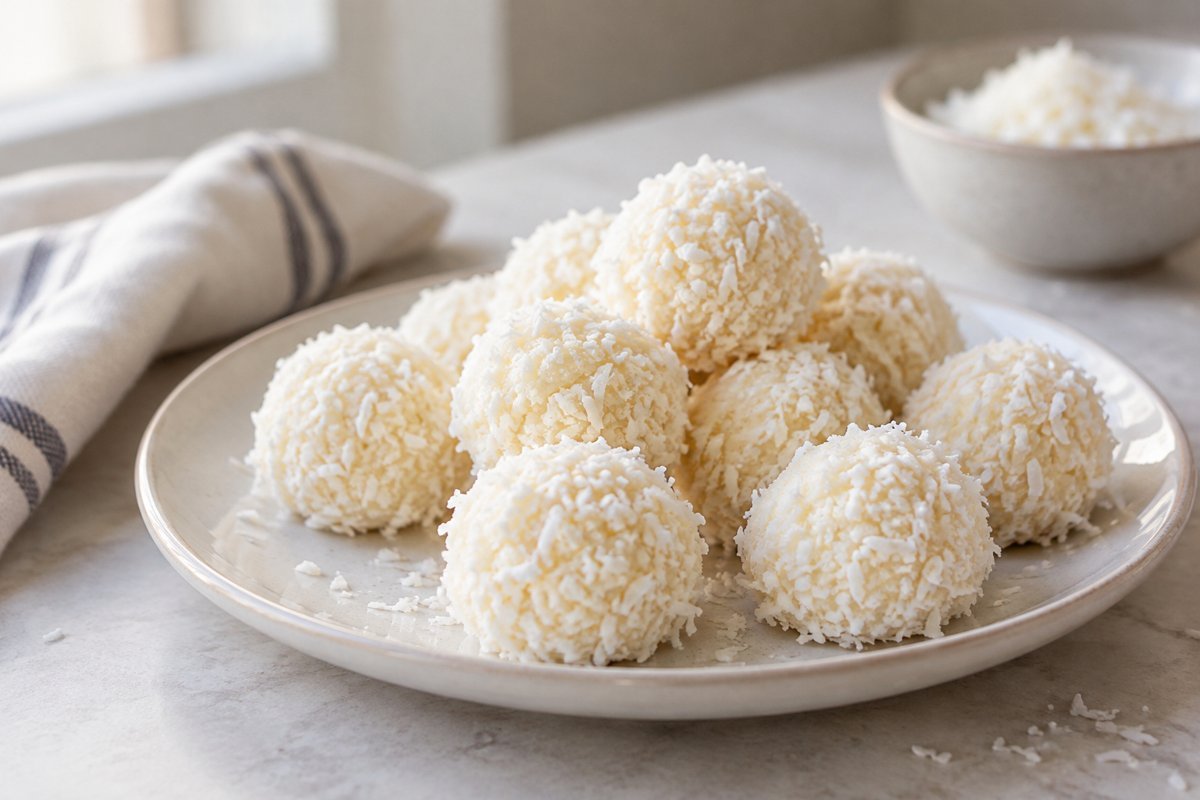
Additive permissions are tied to a jurisdiction and a particular use. Removing E171 from authorized EU food additives does not mean every pale food contains titanium dioxide, or that rules for medicines and other products are identical. The label and the destination’s current food law matter more than the color of the finished product.
The EU removed authorization for titanium dioxide, called E171, as a food additive. The rule concerns the use of that additive in food. It doesn’t ban all white candy or all foods with similar appearances. Product formulations can differ between countries.
Source: EU Regulation 2022/63: E171.
8. Drinks made with BVO: U.S. authorization revoked

An ingredient can disappear from a drink without changing its brand name. FDA’s BVO decision therefore needs to be checked against the current formulation, not a photograph of a bottle from several years ago. Look for brominated vegetable oil in the ingredient list; citrus flavor alone doesn’t establish whether it was used.
The FDA revoked permission to use brominated vegetable oil in food, with the compliance period ending in August 2025. BVO had been used to help keep flavoring dispersed in some drinks. This doesn’t mean every citrus soda contains it; manufacturers can use different formulations.
Source: FDA: BVO authorization.
9. Foods with Red No. 3: U.S. phaseout
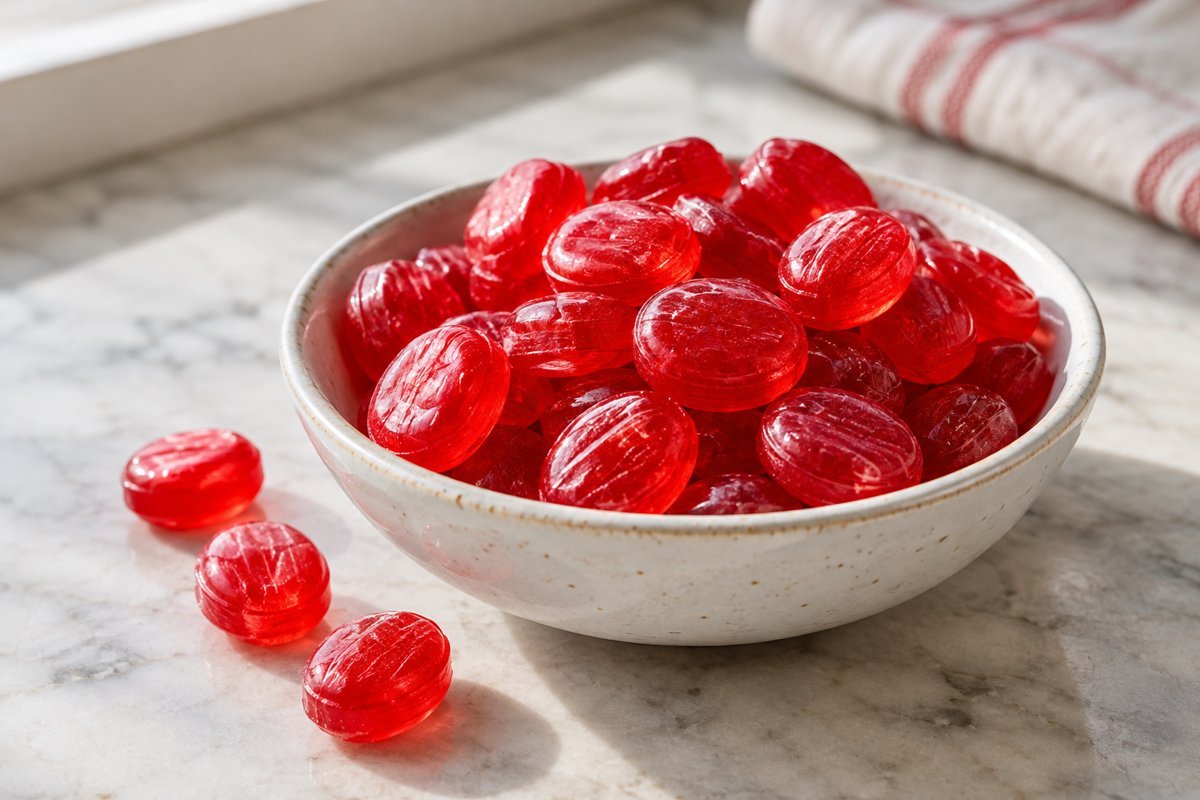
A phaseout includes a transition period. FDA’s stated food deadline is January 15, 2027, so an October 2026 article should not describe that deadline as already passed. A manufacturer may change its recipe earlier. The current package is the best starting point for checking a specific food.
The FDA revoked authorization for this color additive, giving food manufacturers until January 15, 2027 to reformulate. On this article’s October 2026 check date, that food deadline is still ahead. Describe it as a phaseout rather than claiming every current product is already unlawful.
Source: FDA: Red No. 3 reformulation dates.
10. Meat-filled mooncakes: U.S. traveler restrictions
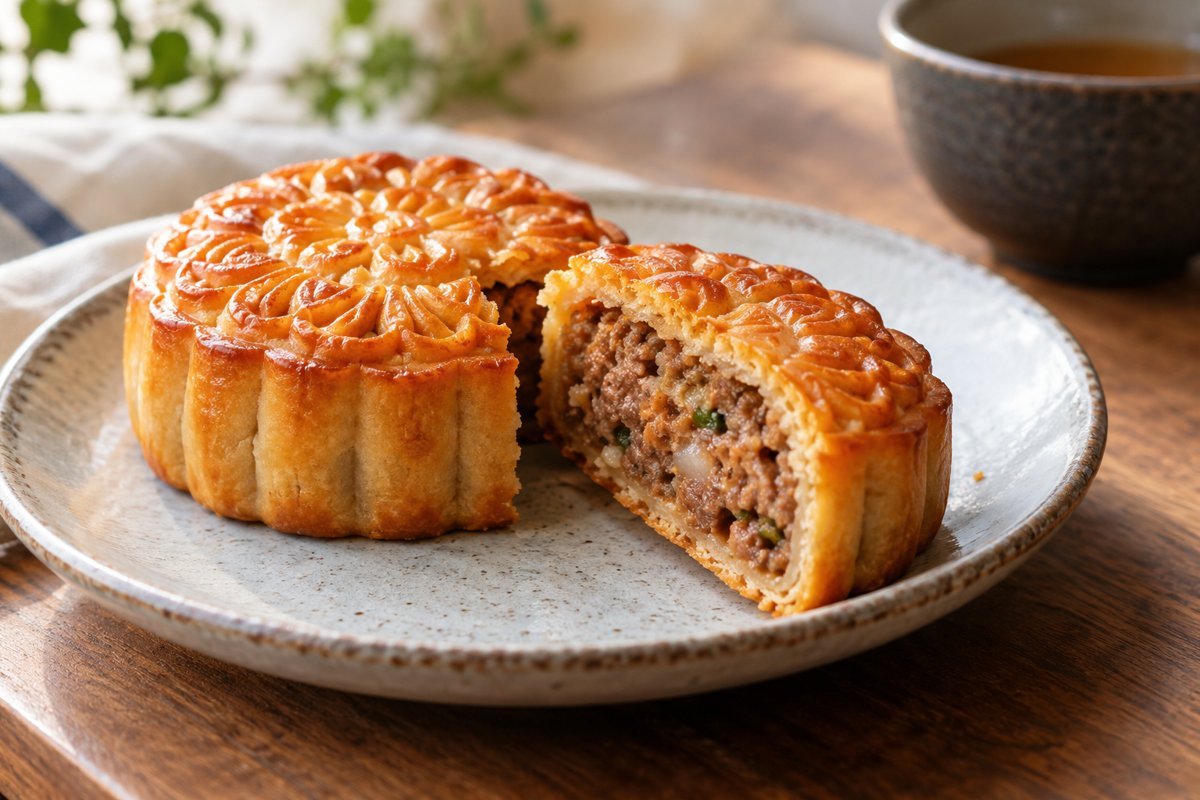
Mooncakes can have many fillings, and meat may not be obvious from their shape or decoration. Border rules apply to what’s inside, not whether the food is usually called a cake. When a product has several fillings, read every ingredient and check official guidance before carrying it across a border.
APHIS says travelers cannot bring in mooncakes containing meat. A similar-looking cake without meat is a different case. Keep the ingredient list and original packaging; a pastry’s appearance doesn’t tell an inspector what’s in the filling.
Source: APHIS: traveler rules for milk, dairy and eggs, including mooncakes.
11. Mooncakes with incompletely cooked egg filling: U.S. entry rules
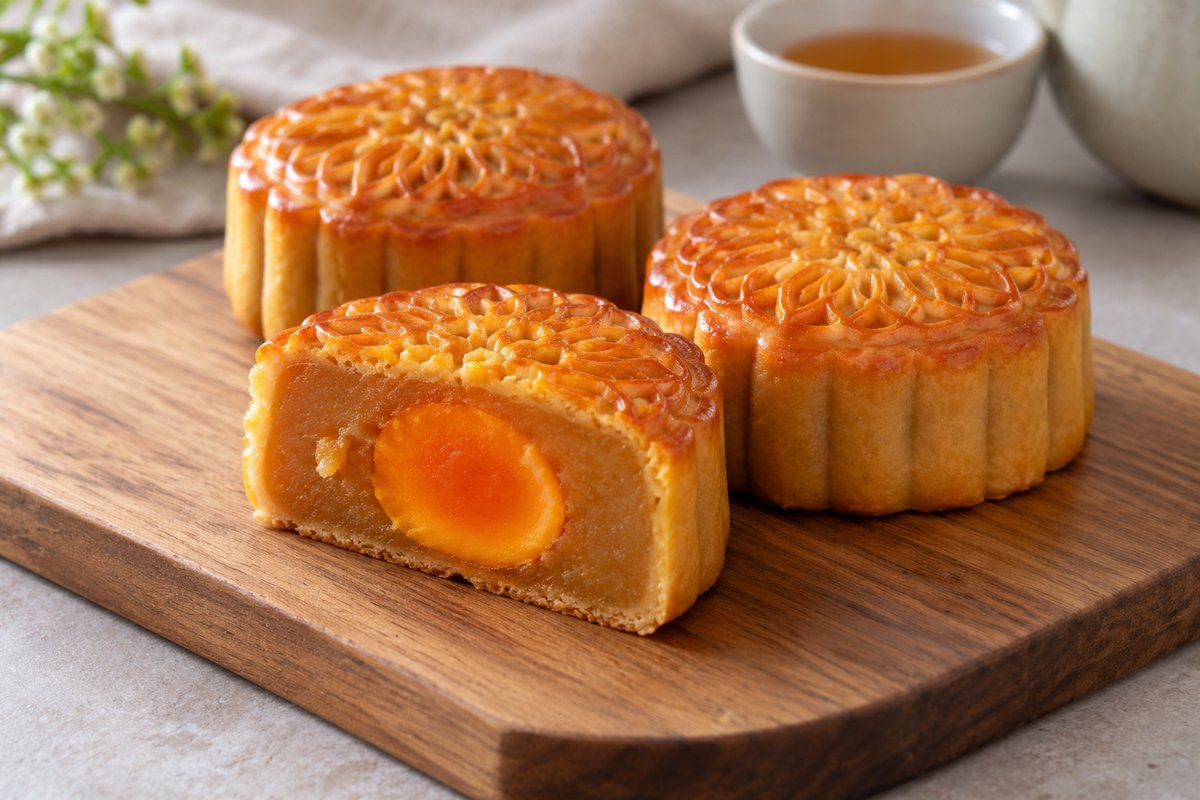
Egg products can be treated differently according to how they were processed and where they came from. A shop’s description such as ‘preserved’ or ‘traditional’ is not proof that a filling meets an entry requirement. Keep the ingredient information available and ask the relevant border authority if you cannot establish how it was cooked.
For egg or egg-yolk fillings, APHIS distinguishes thoroughly cooked products from those that aren’t thoroughly cooked. Don’t assume a preserved yolk automatically meets the requirement. Ask before traveling rather than relying on a shop’s description.
Source: APHIS: traveler rules for milk, dairy and eggs, including mooncakes.
12. Milk from livestock-disease regions: U.S. entry rules
Milk rules can change with animal-disease conditions in the place of origin. A carton that is perfectly legal to buy locally may still be restricted in passenger baggage elsewhere. Product treatment, packaging and exceptions all matter. Buying it in an airport shop does not automatically give it permission to enter your destination.
Traveler imports of milk depend on the origin and disease status, with specific exceptions. A bottle allowed from one place may not be allowed from another. Infant products and certain packaged foods have separate provisions; check the dairy guidance for your exact item.
Source: APHIS: traveler rules for milk, dairy and eggs, including mooncakes.
13. Fresh eggs from poultry-disease regions: U.S. restrictions
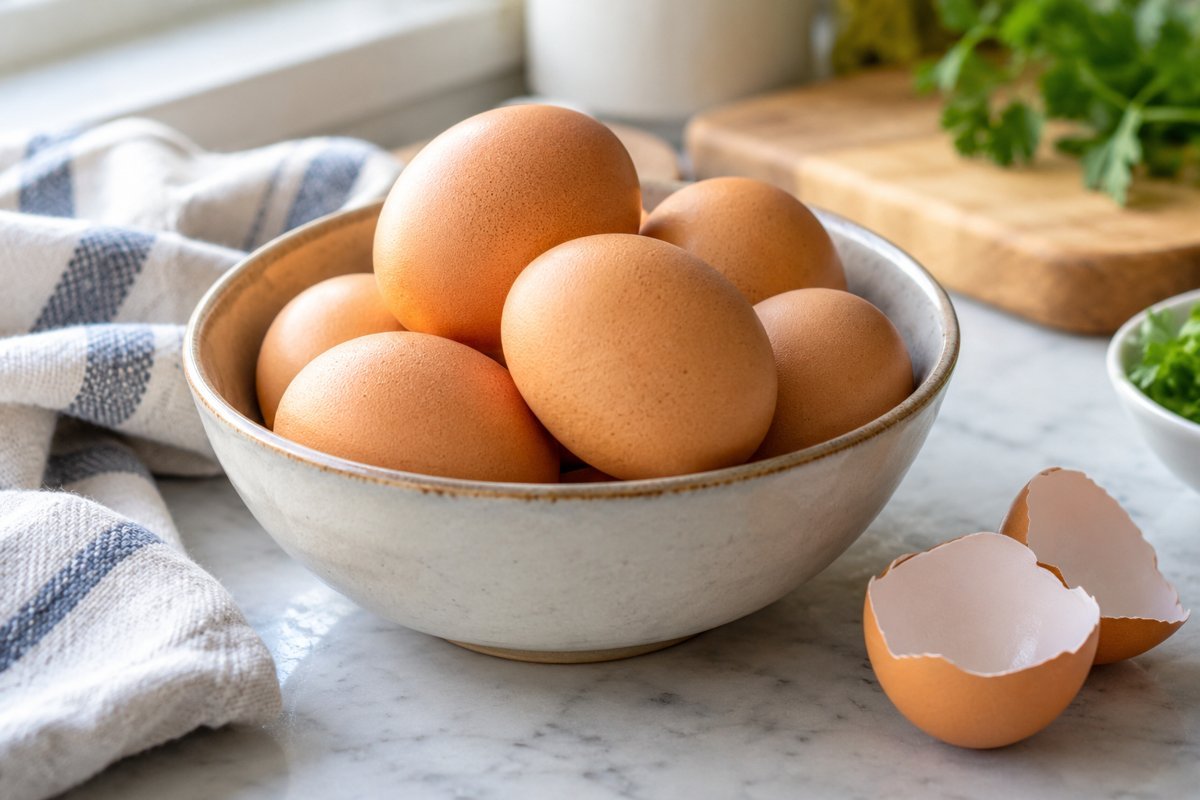
Eggs can carry animal-disease concerns even when a traveler intends to use them only for cooking. Don’t assume that a clean shell, a small number of eggs or a supermarket receipt removes the restriction. Check the official product category and origin requirements before packing fresh eggs or egg products.
Egg entry rules depend on animal-disease conditions and how the product has been treated. A fresh egg is not the same as a commercially prepared shelf-stable food. Receipts and origin information help, but inspectors make the entry decision.
Source: APHIS: traveler rules for milk, dairy and eggs, including mooncakes.
14. Fresh chicken from affected regions: U.S. restrictions
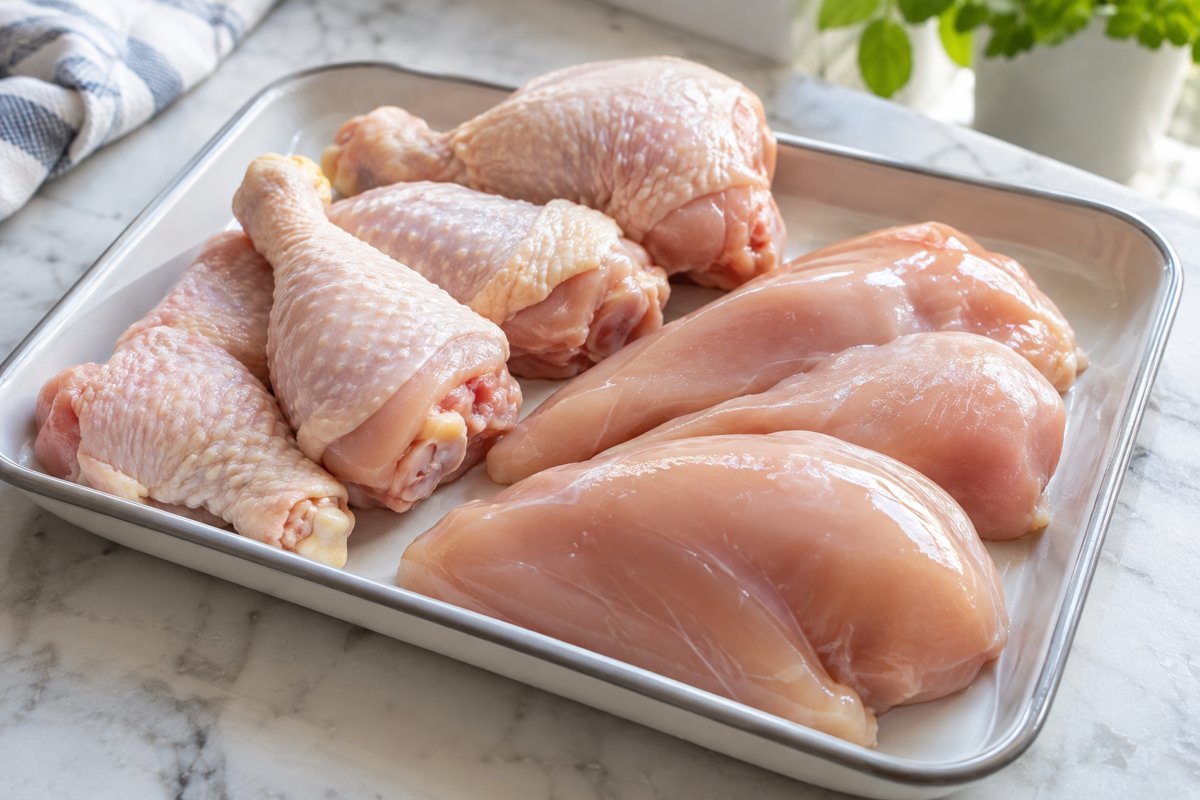
The relevant distinction is often raw versus fully cooked, together with the country of origin and current disease controls. A sealed bag alone is not a food-safety treatment. Before bringing a chicken product, check whether it falls into a stated exception and whether you have the packaging needed to show what it is.
Poultry disease status can prevent traveler entry of chicken products. Fully cooked and commercially packaged products may fall under exceptions. This is a border biosecurity issue, not a statement that chicken sold legally at home is inherently unsafe to eat.
15. Beef from affected regions: U.S. restrictions
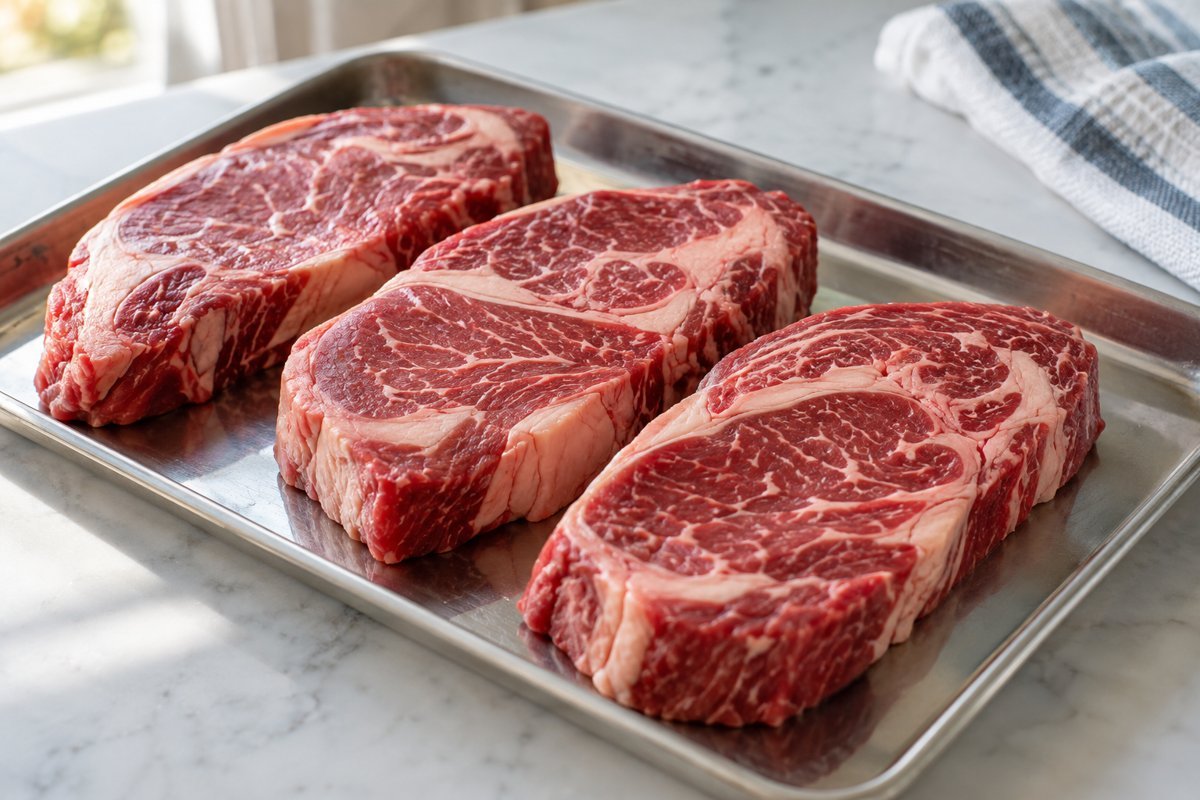
Beef can be subject to animal-health restrictions that vary by origin. A product being available for sale at home or in a destination’s supermarket doesn’t establish that you may carry the same item in your suitcase. Commercial imports and traveler baggage follow different processes and documentation requirements.
Fresh or processed beef can be restricted based on diseases in the source country. Processing doesn’t automatically solve every import issue. Check APHIS animal-health guidance and keep origin documents instead of assuming a vacuum seal makes it acceptable.
16. Pork from affected regions: U.S. restrictions
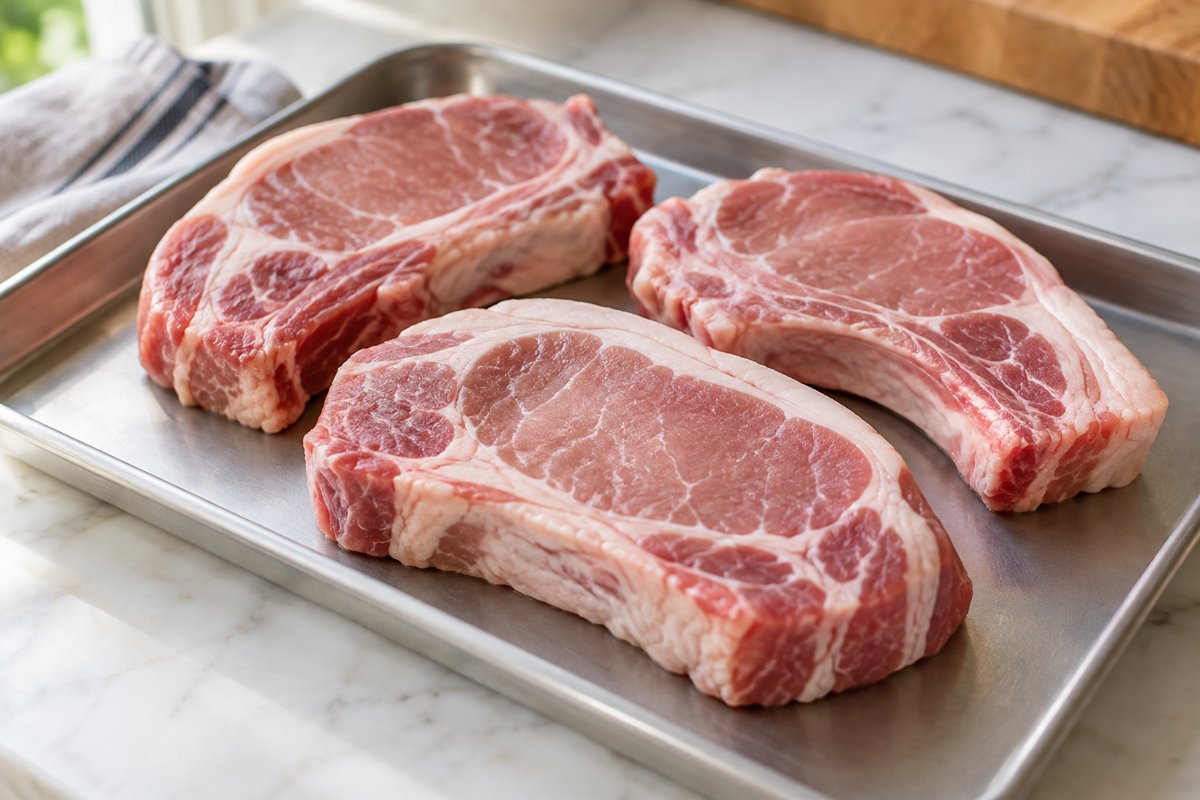
Pork includes more than fresh chops. Dried, cured or otherwise prepared products can still fall within meat controls. The right question is what the item contains and how the destination treats that category. Check before buying a food souvenir, because a package’s shelf stability doesn’t settle the import question.
Pork products face origin-dependent rules intended to protect livestock. Dried pork is still pork for these purposes. A small souvenir can matter at a border too, so check the specific product before buying it for your suitcase.
17. Cured ham carried by travelers: special U.S. restrictions
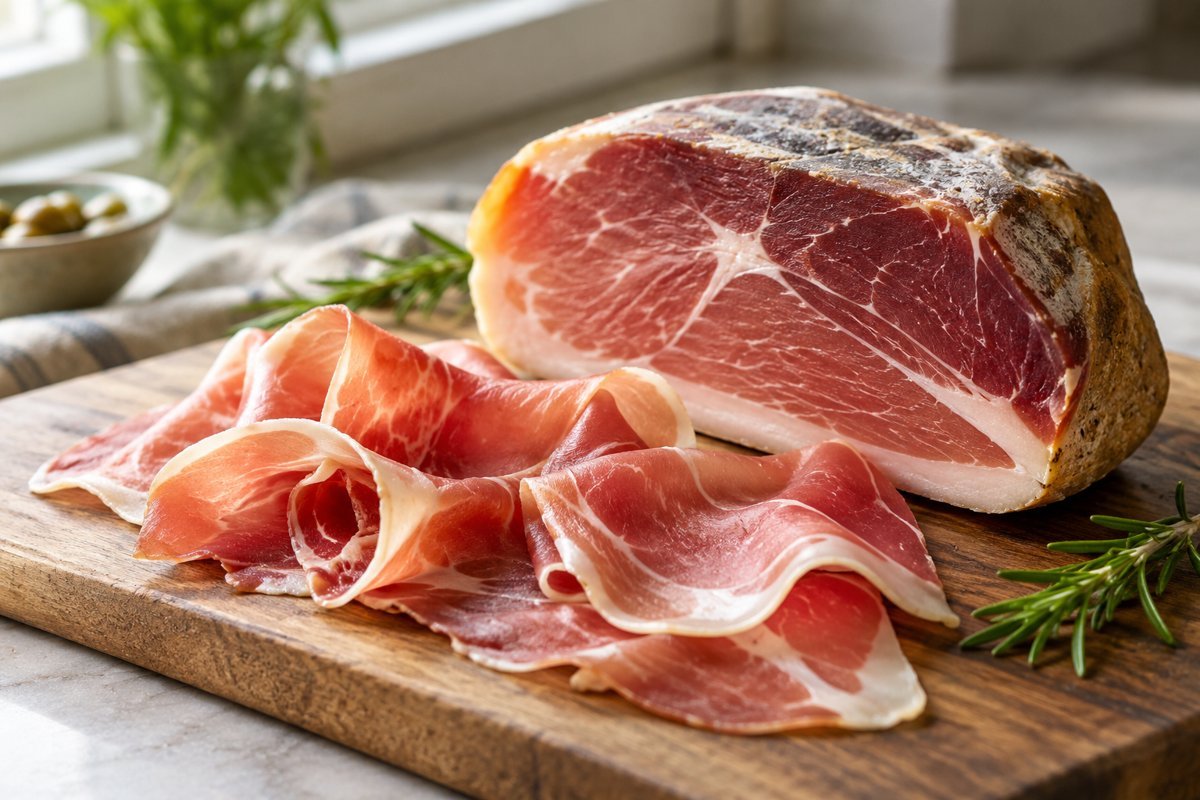
A ham imported by a certified business may meet conditions that a traveler’s souvenir does not. This is why seeing a similar ham in a U.S. deli is not proof that passenger baggage is allowed. Use the traveler guidance for your journey, and keep the country of production distinct from the country of purchase.
APHIS lists restrictions on traveler imports of cured hams from areas in France, Germany, Italy and Spain. Commercial shipments have different certification arrangements. A product available in a U.S. store may therefore still be refused in passenger baggage.
18. Salami carried by travelers: special U.S. restrictions
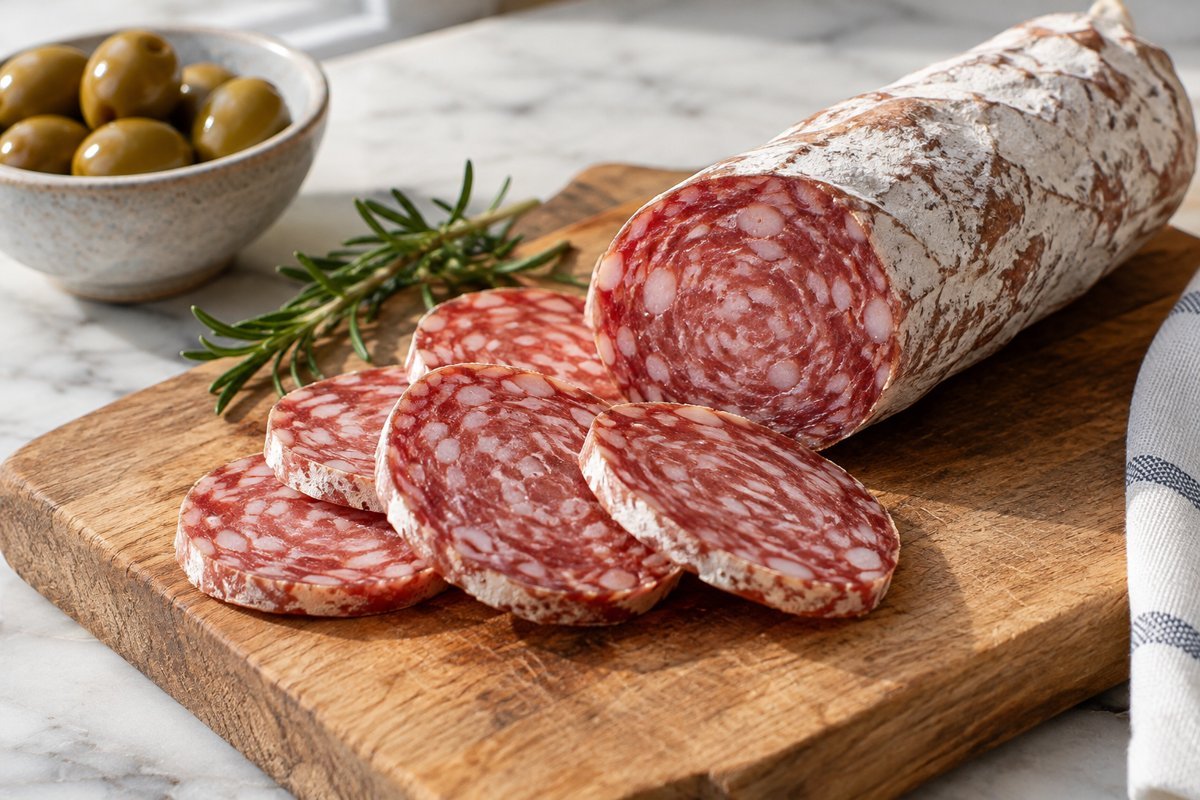
Curing is part of how salami is made, but it does not automatically satisfy every border rule. Imported meats can be subject to animal-health documentation as well as ordinary packaging requirements. Travelers should check the exact origin and product guidance rather than rely on the assumption that all shelf-stable meat is unrestricted.
Salami from the same listed European areas is also subject to special traveler restrictions. Buying it from a well-known shop doesn’t replace import documentation. Check the current guidance for the place it was produced, not simply the airport where you bought it.
19. Fresh mangoes: U.S. traveler produce rules
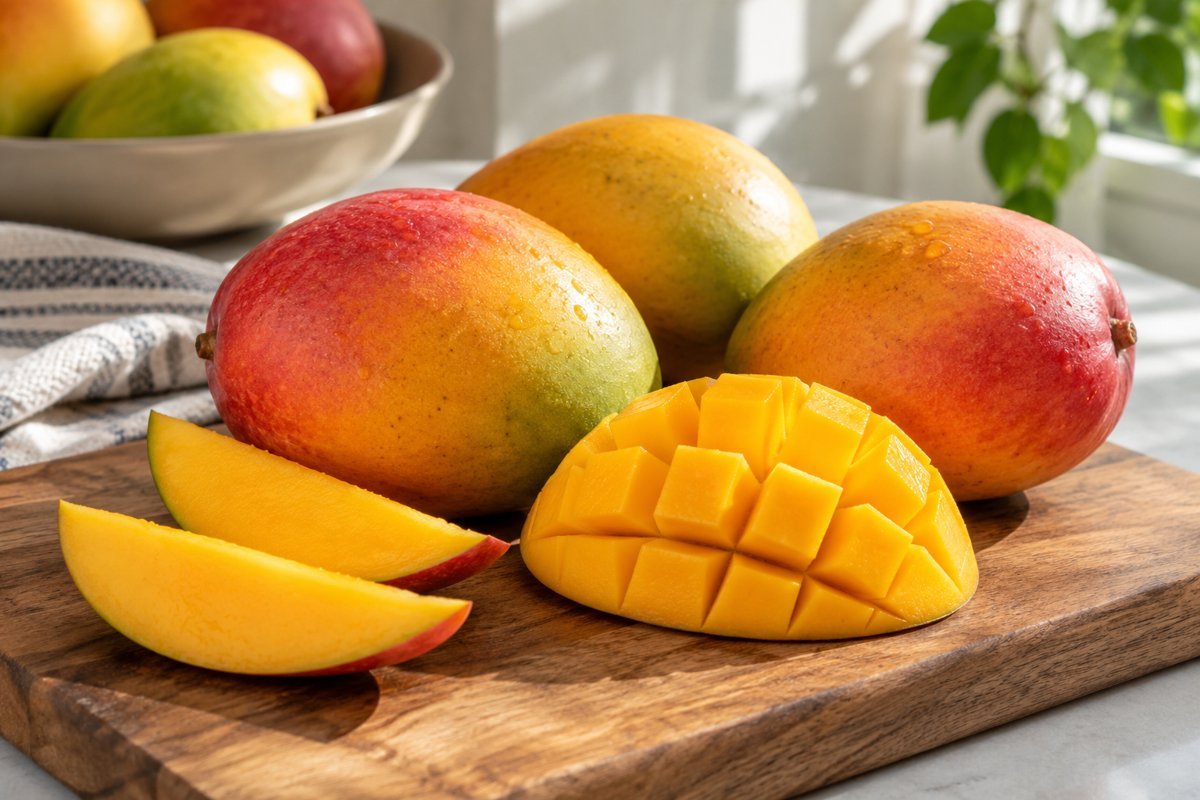
Fresh fruit can carry plant pests that are hard to see. Washing a mango doesn’t turn it into a commercially cleared shipment. The broad traveler rule has exceptions, so use the destination authority’s current guidance for the fruit and its origin. Declare agricultural products rather than guessing that a small snack won’t matter.
Almost all fresh fruits and vegetables are prohibited in ordinary traveler baggage under APHIS guidance. A fresh mango should therefore be checked before travel. Permitted commercial imports don’t mean the fruit in your backpack has the same clearance.
Source: APHIS: traveler fresh, frozen and canned produce rules.
20. Fresh apples: U.S. traveler produce rules
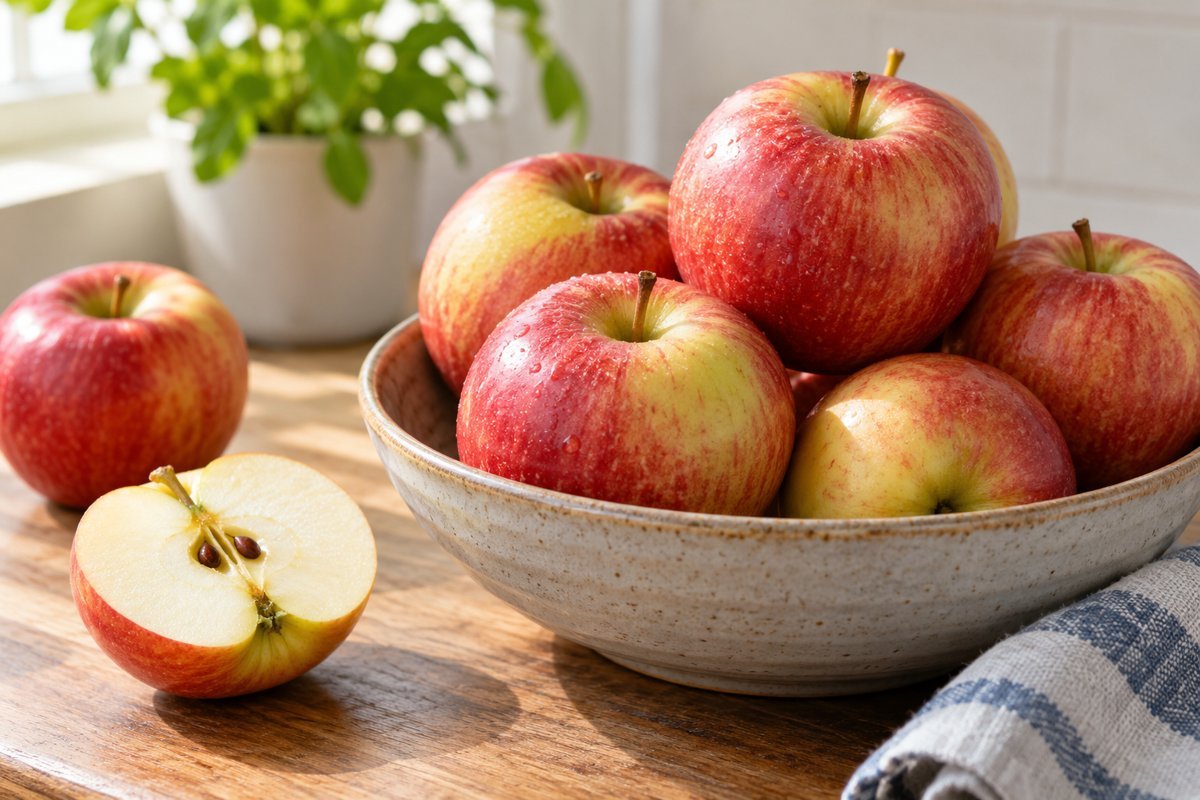
An apple from an airline meal is still fresh produce under arrival rules. APHIS explicitly includes produce supplied on aircraft and cruise ships. Eat or dispose of it before arrival where permitted and as instructed, and declare any agricultural products you still have. Receiving food during a journey does not create an exemption.
Source: APHIS: traveler fresh, frozen and canned produce rules.
21. Fresh tomatoes: U.S. traveler produce rules
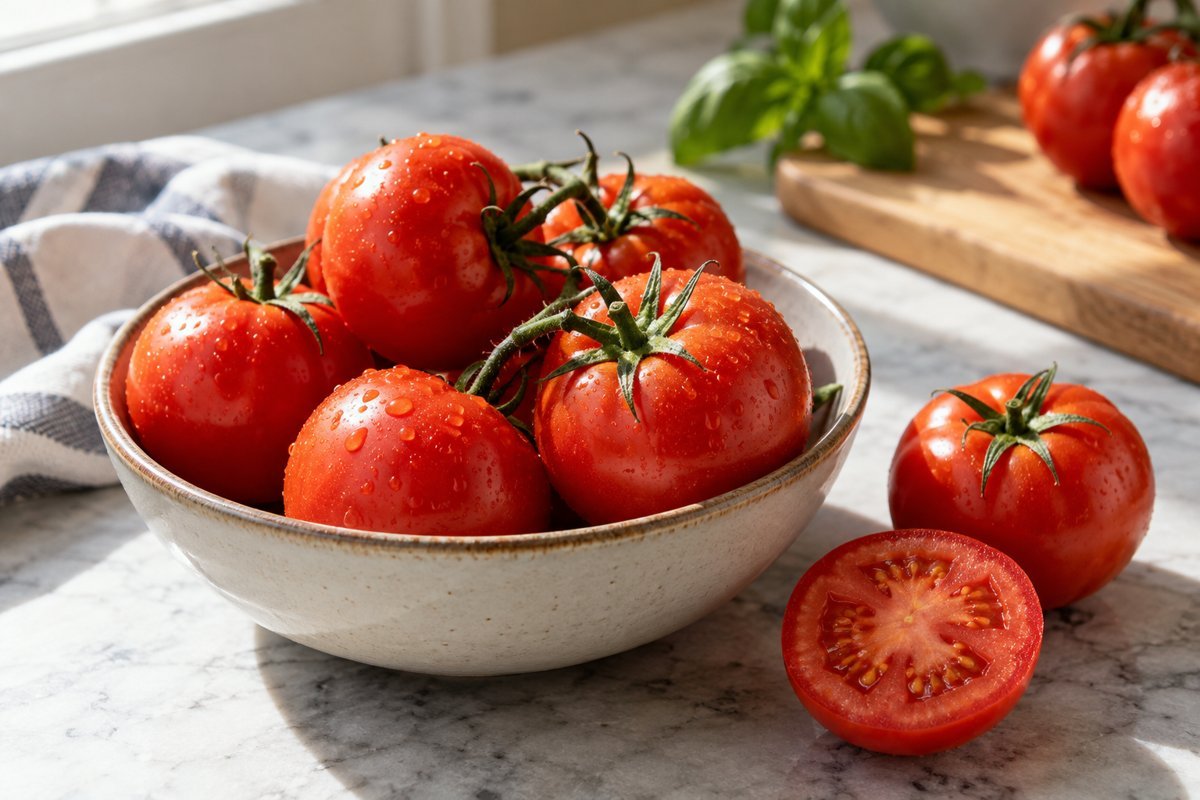
Produce rules can cover sliced snacks as well as whole vegetables. A tomato packed in a lunchbox may look different from a grocery bag of tomatoes but still belongs to the fresh-produce category. Keep the destination and origin in mind, and ask for an official answer if the rules for your itinerary are unclear.
Whole and cut fresh vegetables both fall under produce controls. Being washed or packed for a snack doesn’t remove every pest risk. Check official entry requirements and declare what you’re carrying. The general rule has exceptions, so avoid guessing about a particular origin.
Source: APHIS: traveler fresh, frozen and canned produce rules.
22. Frozen berries: U.S. traveler produce rules
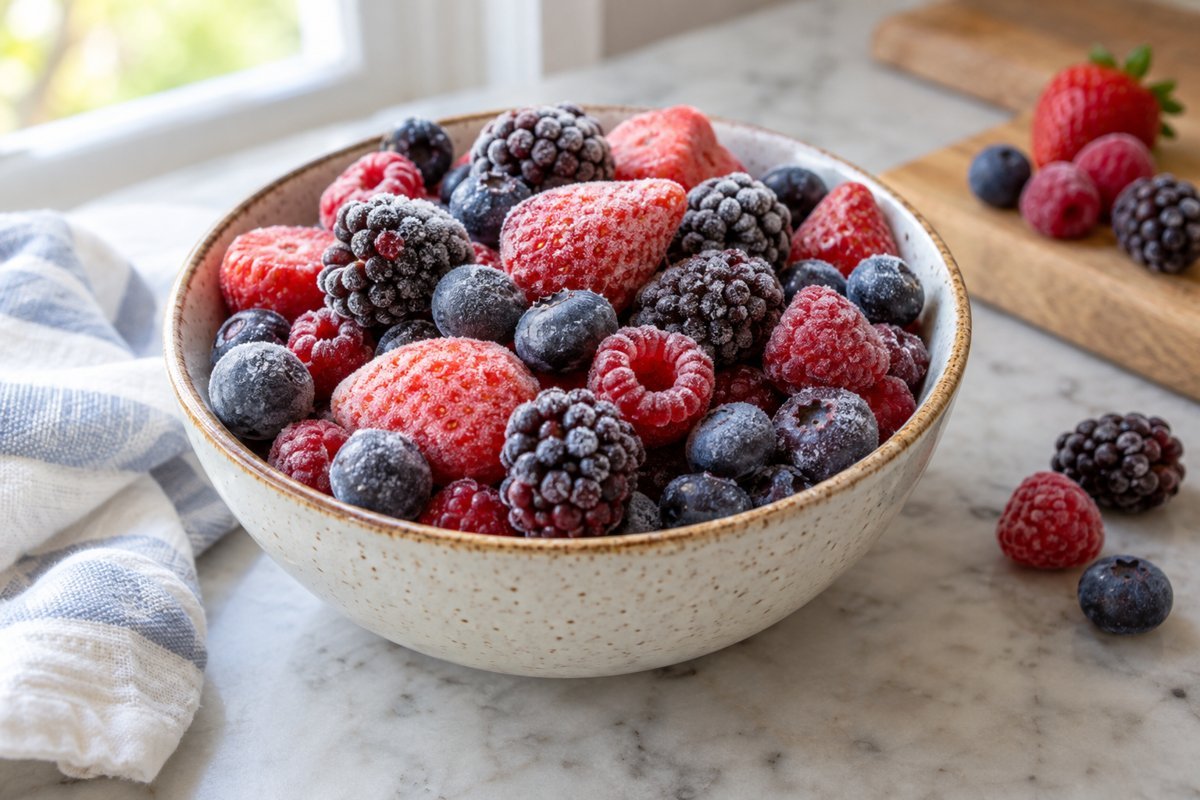
Frozen produce may feel safer to travel with because it is preserved, but freezing does not remove every agricultural concern. APHIS distinguishes the food’s state and entry requirements from whether it is edible at home. Check the traveler rules before treating a sealed bag of frozen berries as an easy gift.
Freezing doesn’t remove all plant-pest and disease concerns. APHIS says almost all frozen produce is prohibited for travelers too. A frozen bag from a foreign grocery store isn’t automatically treated like a compliant commercial shipment.
Source: APHIS: traveler fresh, frozen and canned produce rules.
23. Home-canned vegetables: U.S. traveler entry prohibition
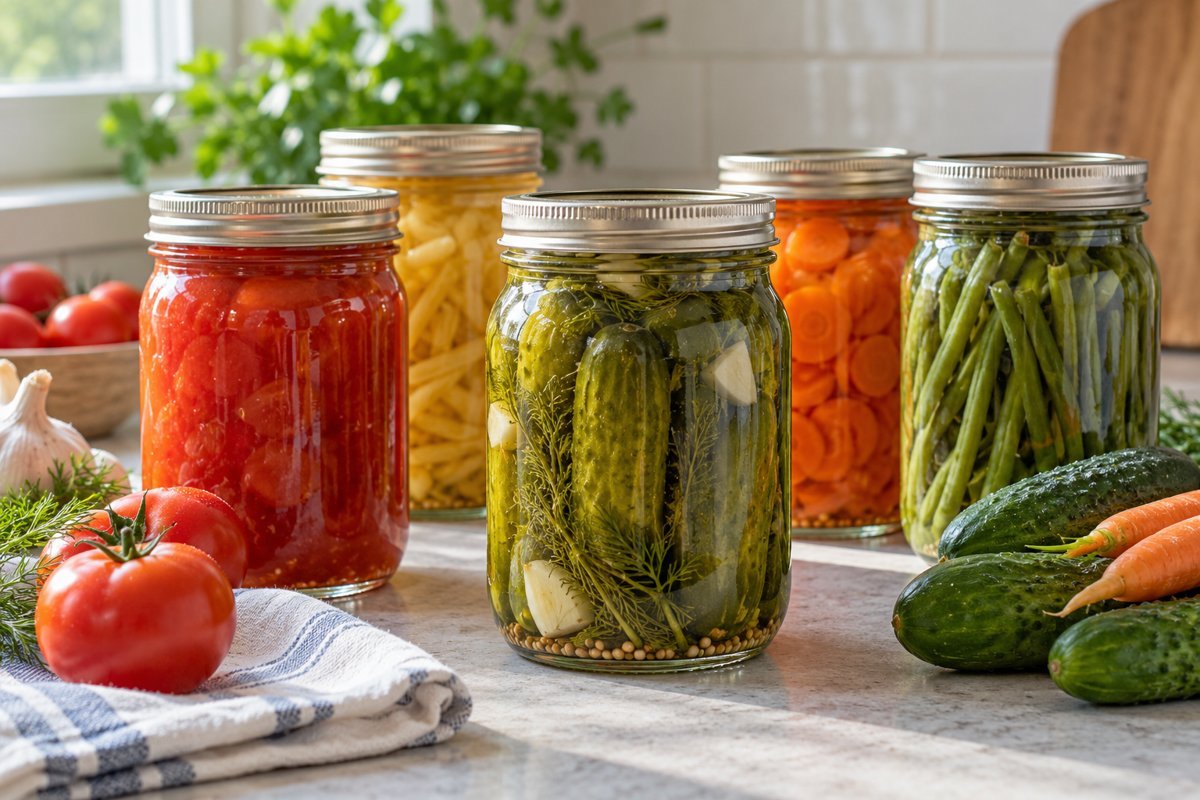
Home canning and commercial canning are separate categories in traveler guidance. A neat label or a family recipe does not turn a home-canned jar into a commercial product. Avoid packing a jar unless you have confirmed it is allowed; food prepared with care can still fail an import requirement.
APHIS distinguishes commercially canned produce from home-canned products and does not allow the latter to enter in traveler baggage. Even a carefully made family jar falls into the home-canned category. Keep that in mind before packing a gift.
Source: APHIS: traveler fresh, frozen and canned produce rules.
24. Meat sandwiches: Great Britain border rules
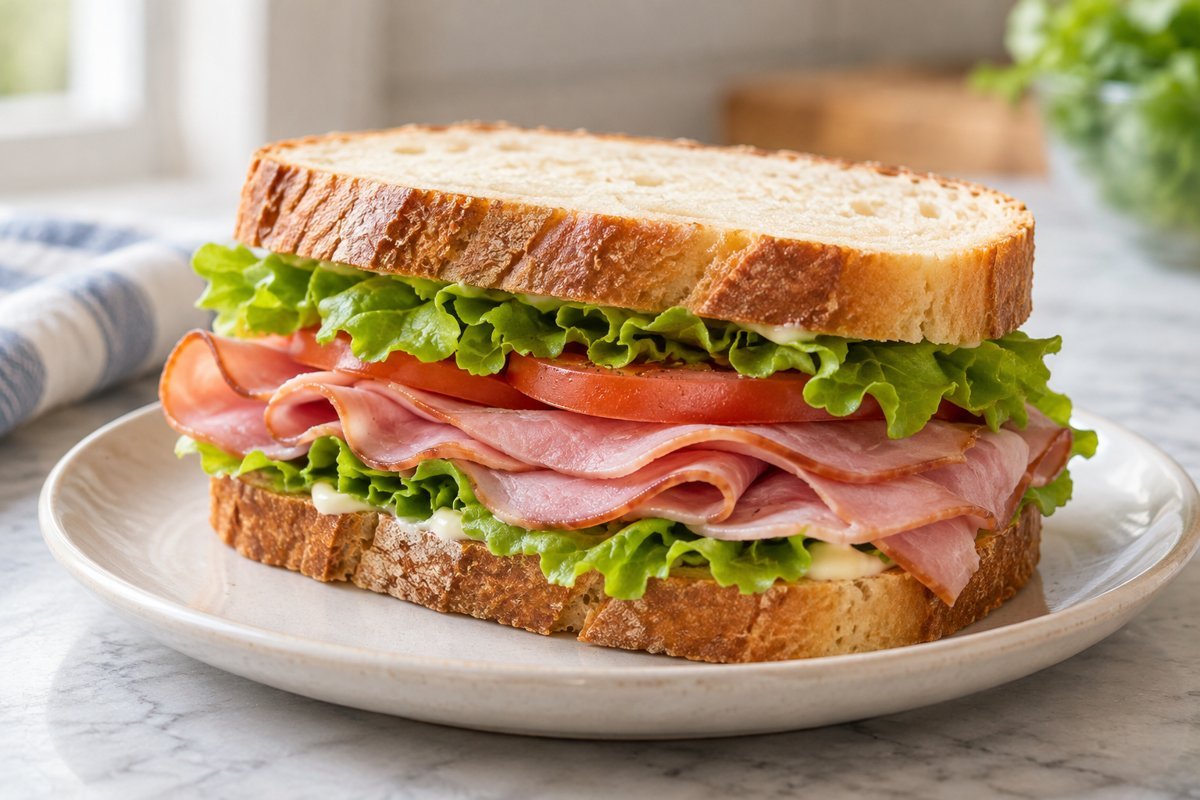
A sandwich is made from several ingredients, and the filling can trigger a restriction even if bread is allowed. Great Britain’s controls also change with disease conditions and origin. Read the current government page for your departure country, rather than relying on an old list of foods you once carried without trouble.
Great Britain restricts certain meat imports in personal luggage, and a sandwich filling counts as meat. Requirements depend on origin and current disease controls. A plain loaf and a ham sandwich are different cases. Read the current government animal-product guide before departure.
25. Cheese and dairy souvenirs: Great Britain border rules
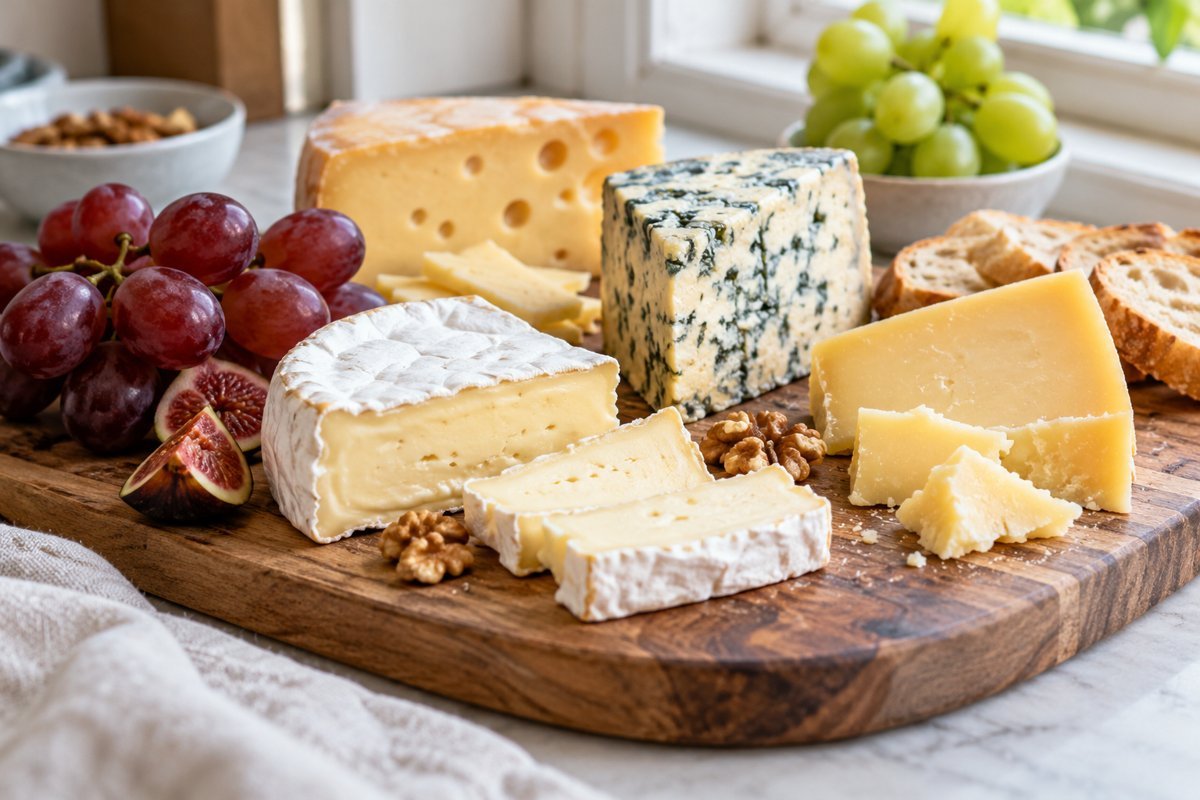
Cheese, milk and other dairy products do not all have identical entry conditions. The destination matters too: guidance for Great Britain should not be applied automatically to Northern Ireland. Check the route and current official restrictions before buying dairy souvenirs, and keep the label showing the product and its origin.
Dairy entry restrictions also depend on where you’re arriving from and current controls. Don’t apply old travel advice to a new trip. Great Britain, Northern Ireland and the European Union have different arrangements, so choose the guide for your actual destination.
Before traveling, write down the food’s ingredients, origin and whether it’s fresh, cooked, canned or shelf-stable. Then use the relevant official border guide. For U.S. entry, declare agricultural products, including foods you think are allowed. This article is a set of examples, not permission to import anything. Rules and disease-related restrictions can change quickly.
Keep reading: 21 Everyday Foods Worth Checking the Ingredients On.


1 thought on “25 Foods With Bans, Restrictions or Special Import Rules”