A warm bowl of noodles or curry rice is manageable in a home kitchen. These seven ideas pair familiar ingredients with a few Japanese pantry staples, so you can start with one dish instead of buying a cupboard full of sauces.
For other ways to use the rest of a cabbage, see ten ways to cook cabbage beyond coleslaw.
These are simplified home-cooking ideas inspired by Japanese dishes, not definitive regional recipes. The Japan National Tourism Organization’s food guide shows how much dishes vary by place; ingredient substitutions below are practical adaptations.
The suggested amounts generally make two modest servings. Methods have not been kitchen-tested, and cooking times depend on your equipment. Follow package instructions, especially for noodles and curry roux. Check sauces and broth for wheat, soy, fish, sesame and other allergens relevant to you.
Published October 18, 2026 · Updated October 26, 2026
In this article
1. Vegetable curry rice

References
The Japan National Tourism Organization and Japan’s Ministry of Agriculture links provide cultural context. U.S. agency links support the food-safety guidance. The seven simplified methods are Toy Nature’s editorial suggestions.
Choose a Japanese-style curry roux and read the packet before starting; brands require different water amounts. For two servings, prepare half an onion, one carrot and one medium potato in similar bite-size pieces. Have cooked rice ready for serving.
Soften the onion in a little oil, add the carrot and potato, then add water in the amount the roux package specifies for your portion. Simmer until the vegetables are tender. Add and dissolve the roux at the stage directed on the package, stirring carefully so it doesn’t stick.
Serve the curry beside the rice rather than thinning it into soup. Keep the seasoning restrained until you taste the roux. A drained can of chickpeas is an optional adaptation if you want beans in the meal; it changes the dish but works with the same vegetables. Add water if the sauce thickens too far.
2. Omurice-inspired rice with a fully set omelet

For a simple version, finely chop half an onion and a small carrot. Soften them in oil, then stir in 2 cups of freshly cooked rice and a little ketchup, adding the ketchup gradually. Cook until the mixture is hot and the vegetables are tender.
In a separate nonstick skillet, cook two beaten eggs as a thin omelet. Let the egg set fully, then fold it over or slide it onto the rice. This version uses a fully cooked omelet rather than the runny center often shown in videos.
Split between two plates and serve with a vegetable side. You don’t need to master a dramatic flip: a flat omelet over a mound of rice does the job. If using leftover rice, follow safe cooling and storage practices and reheat it thoroughly. Don’t leave cooked rice on the counter while you prepare the other ingredients.
3. Mushroom udon bowls
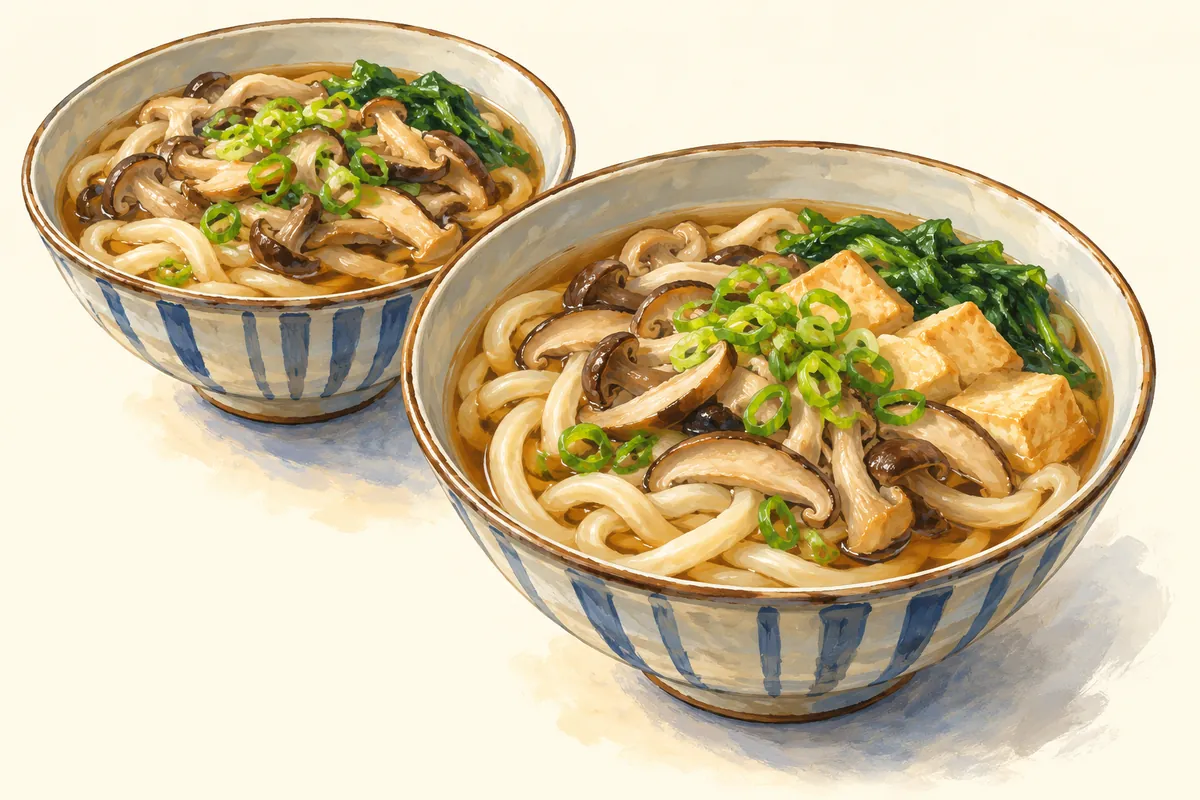
Use two portions of udon and prepare them according to the package. Meanwhile, simmer about 3 cups of suitable broth with 4 ounces of sliced mushrooms until the mushrooms are tender. Choose a broth you enjoy; mushroom broth is a practical vegetarian adaptation.
Season the broth with a little soy sauce and taste before adding more. Divide the cooked noodles between bowls and ladle the hot broth and mushrooms over them. Add sliced scallion or tender greens that have been cooked in the broth.
Noodles sold fresh, frozen and dried need different handling, so don’t assume every packet can go straight into the soup. For a larger meal, add tofu that has been heated according to its package directions. Keep toppings ready before draining the noodles so the bowls can be served while hot.
4. A miso-soup meal with rice and tofu
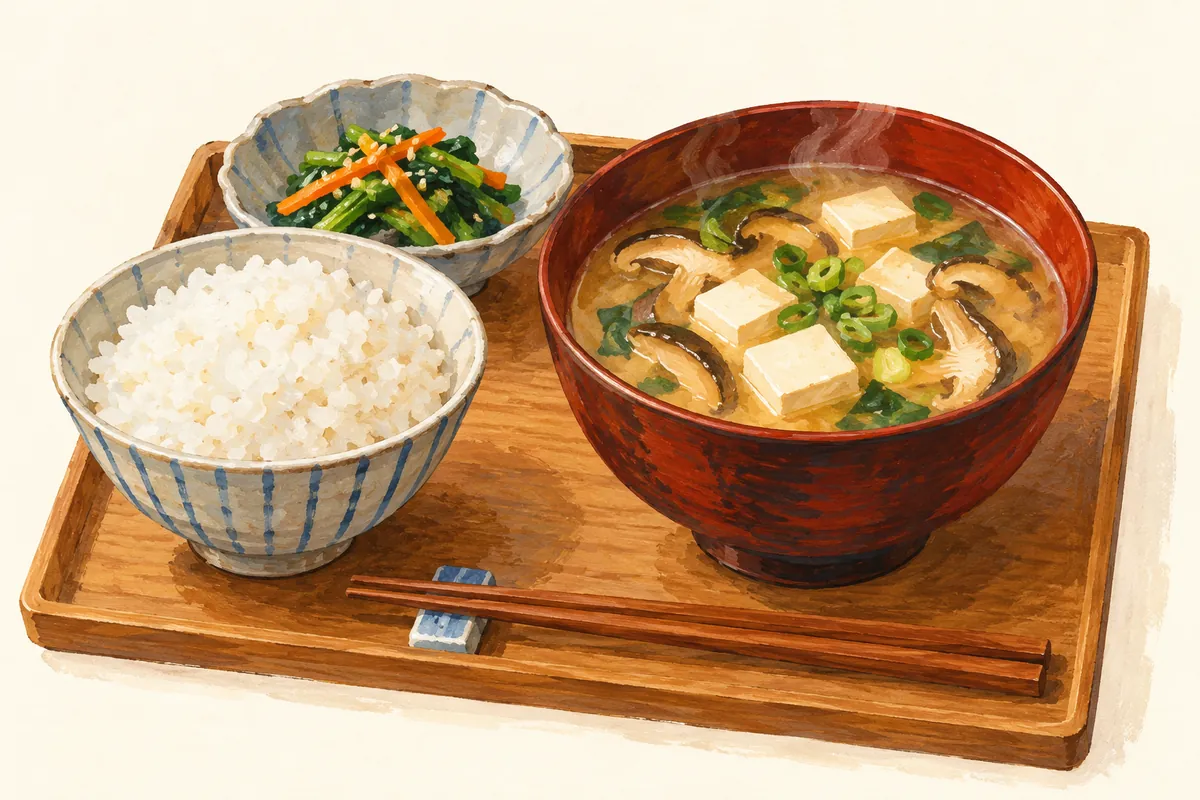
Start with the liquid quantity and miso amount suggested by your miso product. Warm a suitable broth with thinly sliced mushrooms or small pieces of vegetable. When those are cooked, stir miso into a ladleful of warm broth, then return that mixture to the pot.
Add cubed tofu and heat it as the package directs. Serve the soup with a separate bowl of rice and a vegetable side. Miso soup alone may be a smaller meal than you want, so think about the whole tray rather than asking one bowl to do everything.
Miso and broth vary widely in saltiness and ingredients. Some dashi products contain fish, so a vegetarian label on the miso does not settle the broth question. Taste before adding other seasonings. This is a flexible meal arrangement, not a promise that every bowl follows one household’s method.
5. Cabbage pancakes inspired by okonomiyaki
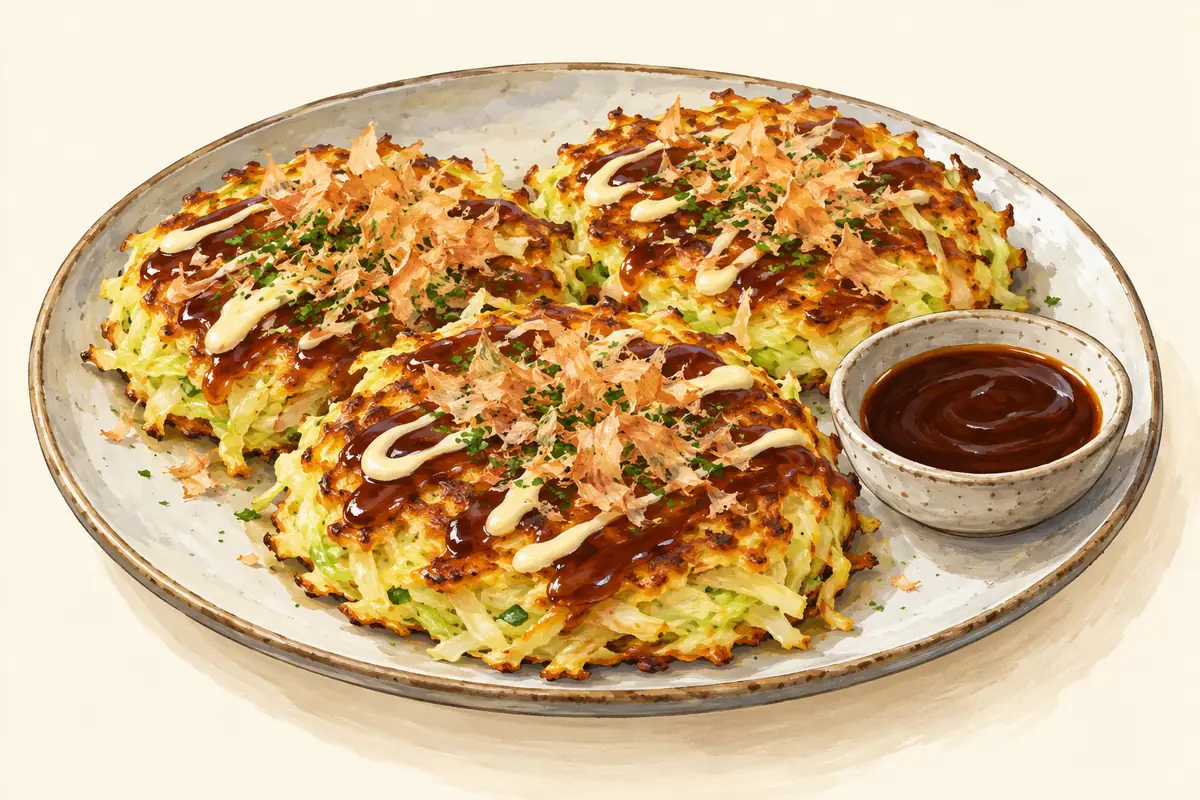
JNTO describes different regional approaches to okonomiyaki. For a small home adaptation, combine 2 cups of finely shredded cabbage, two eggs, a quarter cup of flour and 2 tablespoons of water. Spoon into a lightly oiled skillet as small, thin pancakes.
Cook over medium-low heat, turning carefully, until golden on both sides and cooked through. Use a thermometer: the egg mixture should reach 160°F (71°C). Don’t taste raw batter. Small pancakes make it easier to cook the middle without burning the outside.
Use a suitable okonomiyaki sauce if you have one, following its serving guidance, or choose a sauce you already enjoy and call it an adaptation. Bonito flakes contain fish and mayonnaise commonly contains egg. Avoid adding raw meat to this simplified version unless you separately establish the correct cooking method and temperature.
6. Tofu with a teriyaki-style glaze
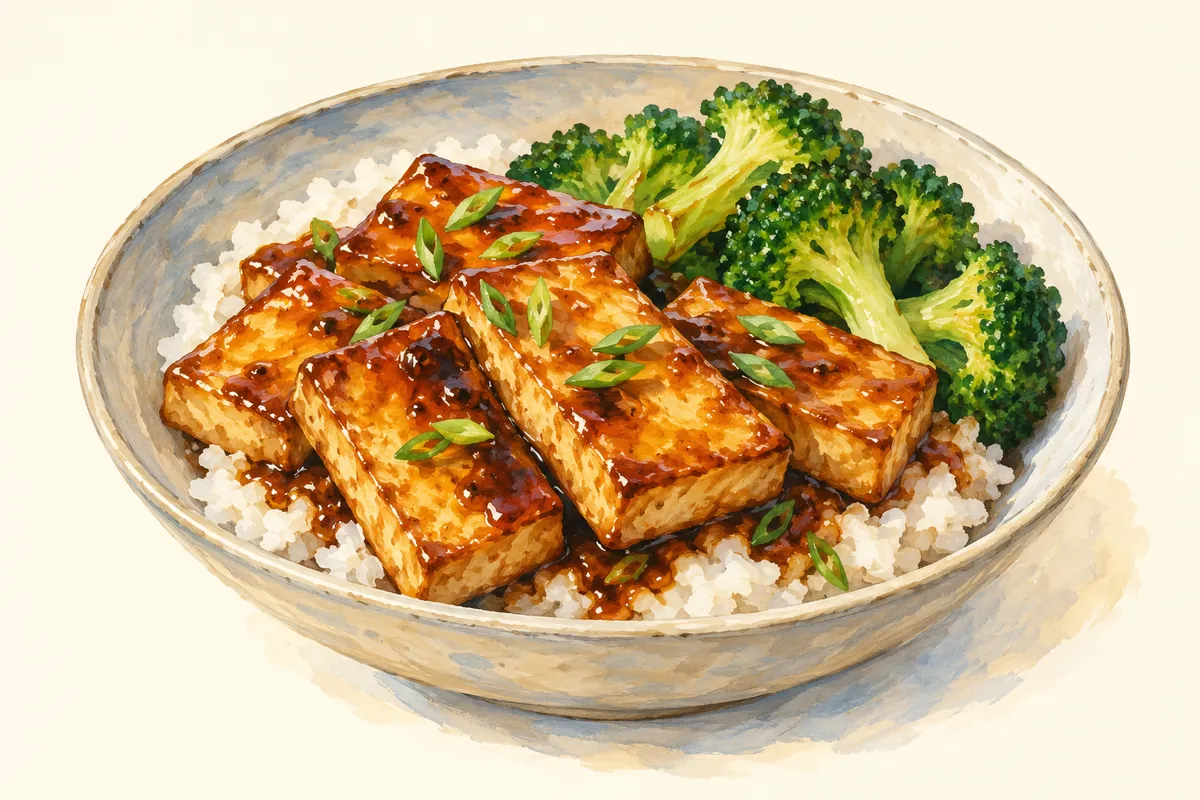
Pat dry a package of firm tofu and cut it into even slabs. Brown gently in a lightly oiled nonstick skillet, turning only after the first side releases. Handle it with a wide spatula so the slices keep their shape.
Add a small amount of a ready-made teriyaki sauce and the water suggested on its label, then simmer gently until the tofu is hot and coated. A little sauce is enough to start; reducing a large amount can make the dish far saltier than intended.
Serve with rice and cooked broccoli or another vegetable. This is a convenient glazed-tofu dinner rather than a universal definition of teriyaki. Check the sauce for wheat and soy, and use a suitable product if you need an alternative. Heat and store tofu according to its own package instructions.
7. A vegetable yaki-udon-style skillet
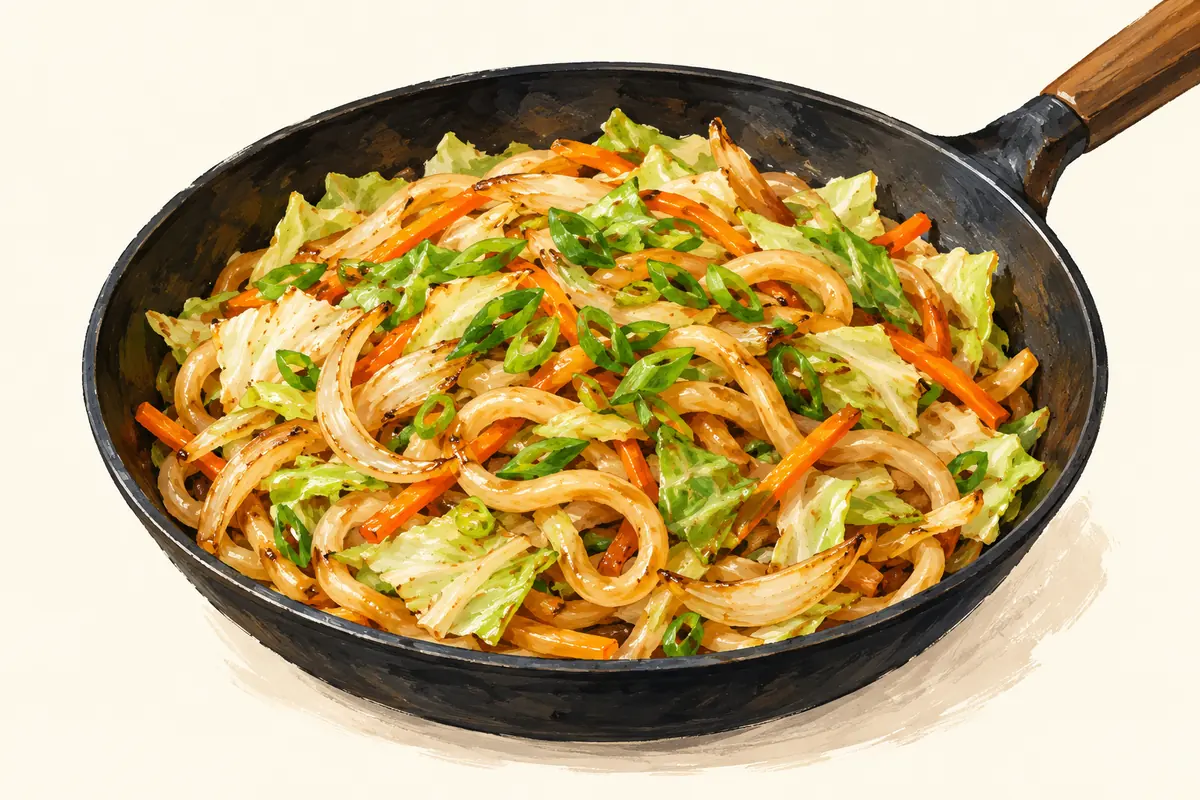
Cook or loosen two portions of udon following their packet. Thinly slice half an onion, a quarter cabbage and a small carrot. Cook the vegetables in a wide skillet with a little oil, adding a splash of water when needed, until tender.
Add the noodles and a modest amount of a suitable stir-fry sauce. Toss gently until the noodles are hot and the sauce coats them. If the noodles clump, loosen them with a spoonful of water rather than tearing them apart with force.
Finish with sliced scallion. Keep the skillet uncrowded: if everything is piled high, cook in batches and combine at the end. Freshly prepared vegetables make this possible without needing leftovers. To explore cabbage in other forms, see our cabbage cooking ideas.
Make Japanese-style comfort dishes with a small pantry
If the noodle bowls appeal to you, start with noodles and one broth you like. If curry is the winner, keep a roux whose instructions suit your routine. Buy unfamiliar ingredients for a dish you intend to make, then find a second use before opening another jar. That is easier to maintain than collecting every condiment at once.
Store cooked food safely
Keep the refrigerator at 40°F (4°C) or below. Refrigerate perishables promptly, use cooked leftovers within 3–4 days and reheat leftovers to 165°F (74°C). Follow USDA’s full guidance, including the shorter room-temperature limit in hot conditions.





3 thoughts on “7 Japanese-Style Comfort Dishes to Make at Home”