12 Lunch Choices Worth Rethinking—and What to Try Instead

Lunch should fit the day you’re having. A meal that works at home may be awkward to pack, too small for your appetite or difficult to store safely.
Clear, practical articles for everyday life.
Lunch should fit the day you’re having. A meal that works at home may be awkward to pack, too small for your appetite or difficult to store safely.
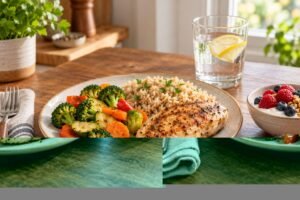
You don’t have to ban bread, fruit or every food you enjoy to work on your weight. For adults who want to manage weight, useful changes often involve amounts, frequency and the drinks or extras that are easy to overlook.
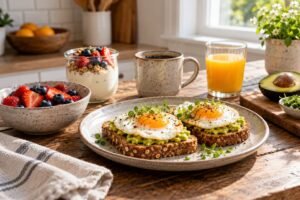
Breakfast doesn’t have to be perfect, and the same meal doesn’t work for everyone. But a few choices can make a rushed morning less comfortable or less practical.
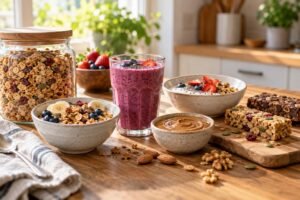
A food can have useful ingredients and still be different from what the packaging leads you to expect. Words like ‘natural,’ ‘protein’ and ‘plant-based’ don’t describe an entire meal.

No food can stop aging, and a list of ‘wrinkle-causing foods’ usually makes the evidence sound simpler than it is. Eating well can support health as you get older, but skin changes also reflect sun exposure, smoking, genetics and time.

A list calling 15 foods ‘cancer-causing’ can make an ordinary meal sound frightening. The evidence is more specific.
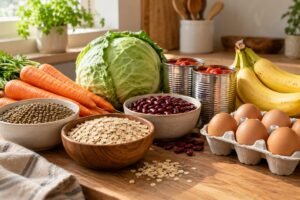
A useful grocery list is one you can turn into meals without wasting half of it. Prices vary by store, season and where you live, so these foods aren’t guaranteed to be the cheapest everywhere.
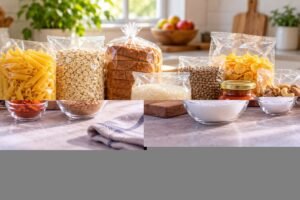
An ingredient list can tell you more than the big words on the front of a package. It can help you compare products, avoid an allergen or find the flavor you’re actually buying.

A food that’s sold in one country may be refused at another country’s border. That doesn’t always mean it’s dangerous to eat.
A breakfast can look filling and still leave little room for the foods you’d like to eat more often. The useful question is what you usually put on your plate, how much you eat, and what goes with it.