The label on health foods may highlight one useful feature while leaving out the rest of the story. These ten foods can still have a place in meals, but ingredients, portions and purpose matter. Here's what to check before assuming that words such as protein, plant-based or gluten-free tell you everything.
Updated October 26, 2026
In this article
Match the package claim to the question you are asking
Use this guide for front-of-pack promises; the ingredient-reading guide explains the back label in more detail. A protein claim, a plant-based recipe and a gluten-free label answer different questions.
- Ingredients: what is the product made from, and is it suitable for your allergies?
- Amounts: what does the Nutrition Facts panel show for the portion you actually use?
- Purpose: are you buying a snack, a meal ingredient or a food needed for a diagnosed condition?
- Value: compare it with an ordinary alternative you would eat, including price and convenience.
For celiac disease, avoiding gluten is a medical requirement. That is a different question from whether a gluten-free snack is a better general nutrition choice.
1. Granola
References
Sources checked October 11, 2026. General information; individual needs and rules can differ.
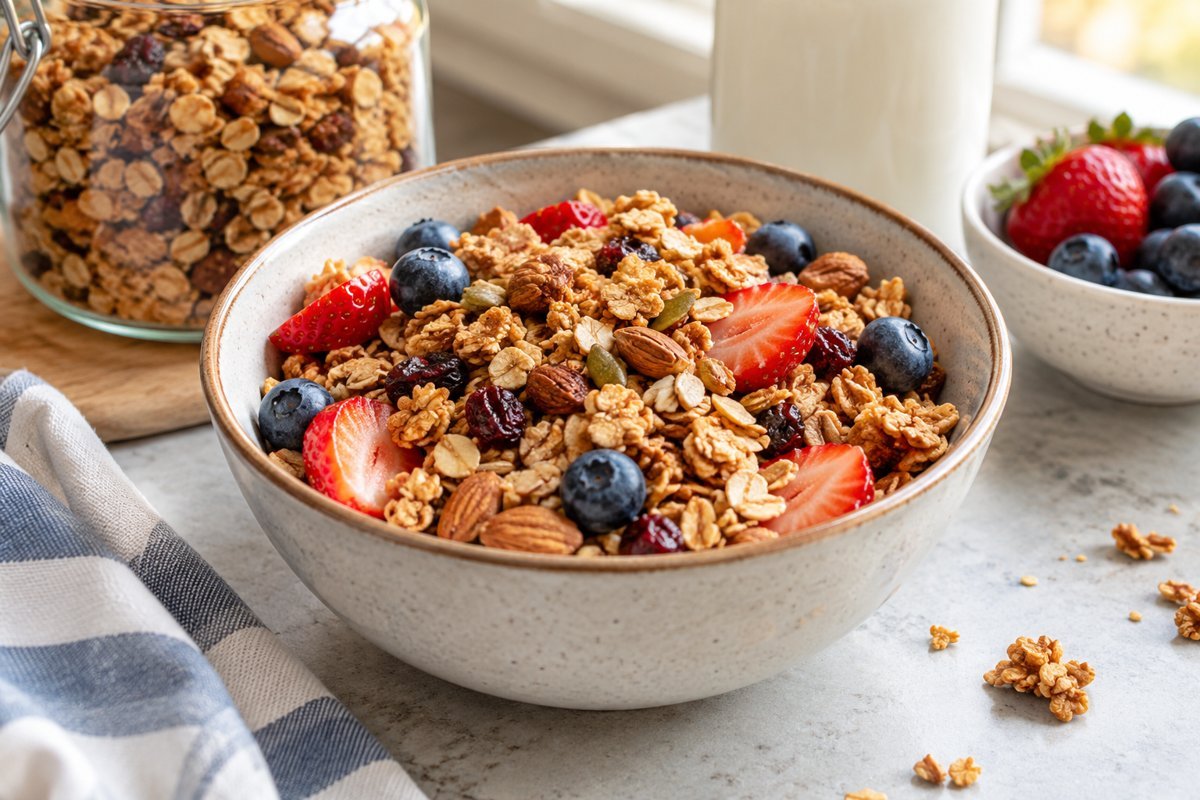
The useful question is how granola fits the bowl you actually eat. If it is a topping, compare the small amount you use; if it is the whole cereal serving, look at that larger amount. An oat ingredient doesn't make every recipe alike. Notice serving size before judging a product by a healthy-looking bag.
Oats and nuts can sit alongside sweeteners and oils in the same bag. Start with the product's actual serving information, then think about how you use it. A topping on yogurt is different from a large bowl. Try putting a spoonful into a dish first instead of pouring from the bag. You can keep the food and change the amount.
3 thoughts on “10 ‘Health Foods’ That Deserve a Closer Look”