Page 2 of 4
4. Half a cabbage: choose wedges or shreds
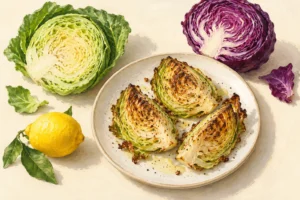
Roast thick wedges when you want a side with browned edges, or thinly shred the cabbage for soup or noodles. Choose the cooking method around the meal, then cut it accordingly. A thick wedge and a bowl of fine shreds won’t finish in the same time.
Remove damaged parts as appropriate and wash the usable produce under running water. Don’t try to disguise spoiled cabbage in a heavily seasoned dish. If you need ideas beyond slaw, these cabbage cooking methods give you several directions for the same vegetable.
5. A handful of spinach: add it near the end
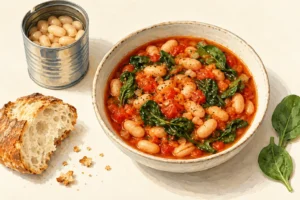
Fresh spinach can wilt into a simmering soup, tomato sauce or pan of beans. Add a small handful, stir and see whether you want more before emptying the bag. Its volume changes as it cooks, so the raw handful is only a starting point.
Follow the package’s washing and storage directions, including for ready-to-eat products. Discard questionable leaves rather than expecting heat to correct any problem. If your recipe needs a longer-cooking green such as kale, spinach isn’t a timing-for-timing replacement; add it later and judge by the texture you want.
6. A small amount of cooked rice: plan one proper use
Use safely cooled and refrigerated rice in a thoroughly reheated rice-and-vegetable dish, or serve a reheated portion with soup. Keep track of when it was cooked. A little rice can accompany a meal without becoming enough fried rice for the whole household.
If you don’t know how long the rice stood warm or unrefrigerated, don’t use it. Reheating isn’t a fix for mishandling. Prepare fresh rice when that is the safer or simpler choice. Keep serving utensils separate from anything that touched raw ingredients during the rest of your cooking.