For weight management, everyday amounts and repeated choices are often more useful to review than a list of forbidden foods. These ten examples focus on drinks, portions and convenience. They don't promise a weight-loss result. This is general information for adults, not a weight-loss plan for children. Use individual advice if you have a medical condition, are pregnant, or have concerns about restrictive eating.
Updated October 26, 2026
In this article
1. Sugary soda
References
Sources checked October 11, 2026. General information; individual needs and rules can differ.
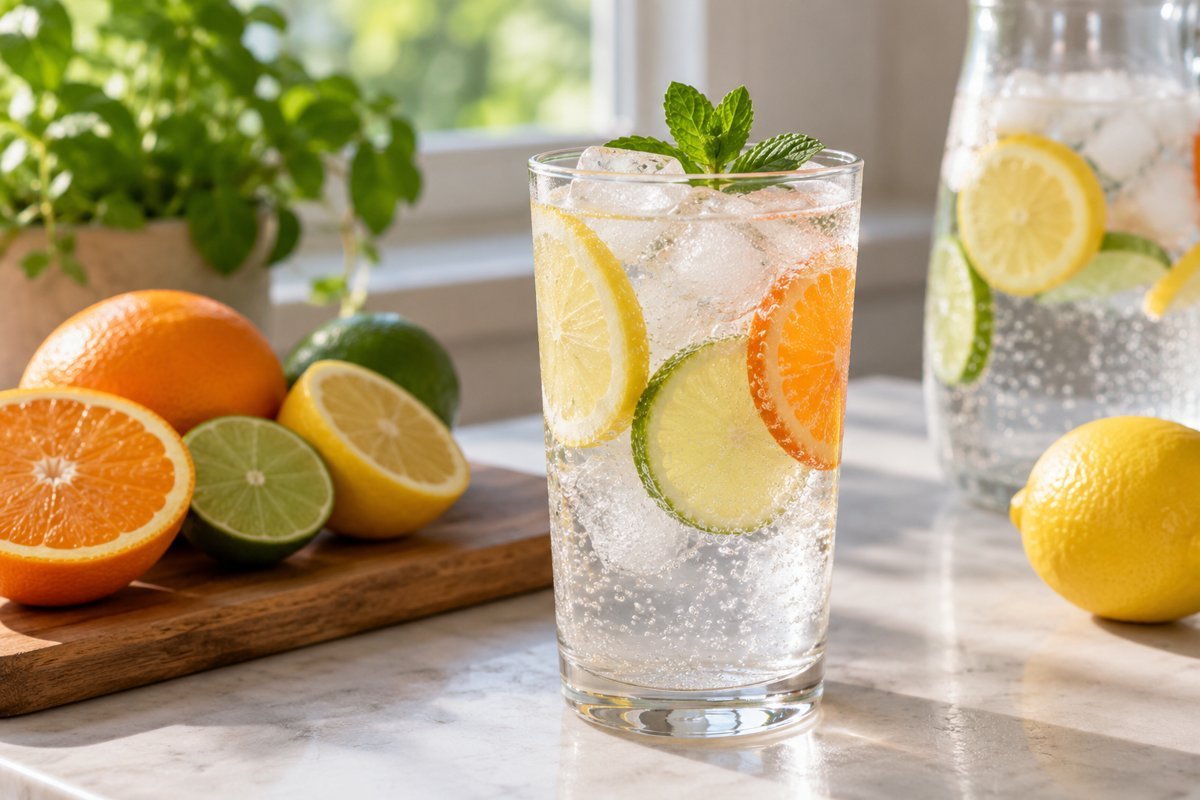
Liquid calories can be easy to overlook when a drink is bought with a meal or refilled throughout the day. Check the container's serving information and the amount you actually drink. Starting with one usual occasion can make the change more manageable than trying to overhaul every food at once.
If you drink soda often, start by noticing the size and number of drinks rather than changing your entire diet. Water, sparkling water or an unsweetened option can replace some of them. Make the replacement convenient: keep it chilled or carry a bottle. A change you can repeat is more useful than one you follow for two days.
2. Sweetened coffee drinks
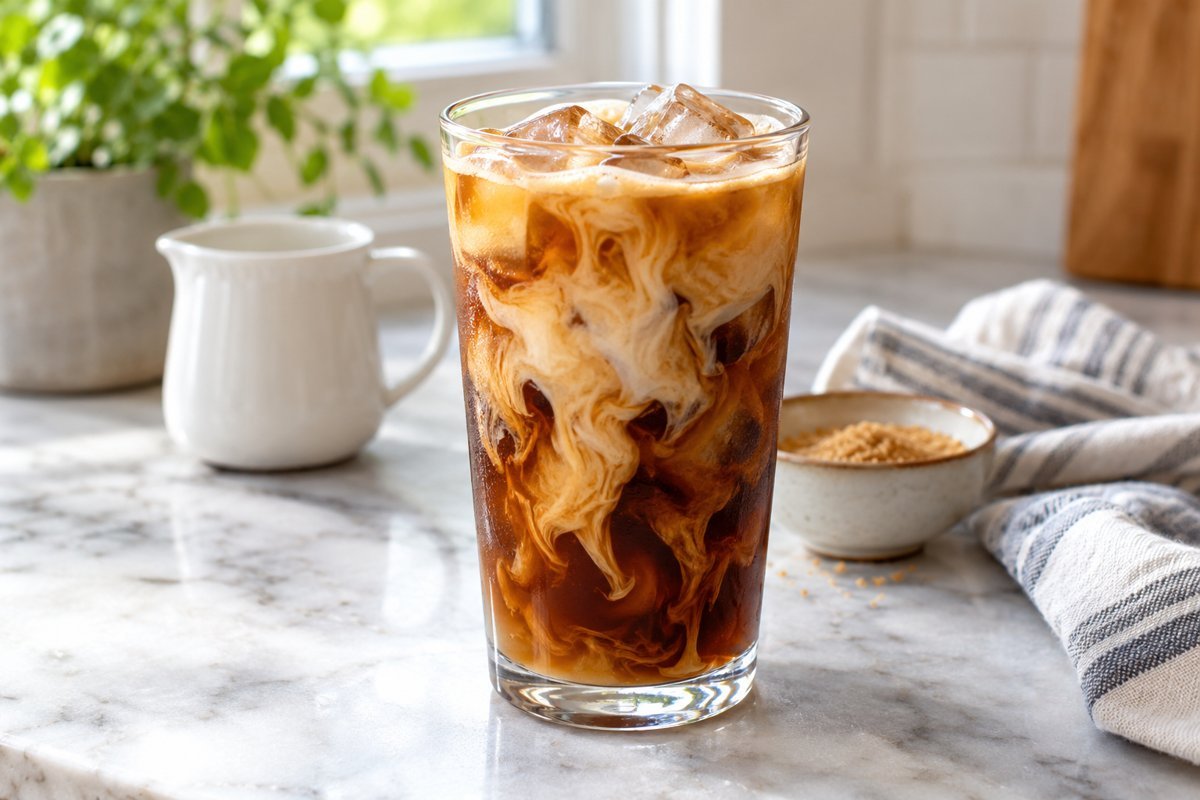
A coffee's name can hide differences in size and toppings. Compare your regular order with a version that keeps the flavor you like and changes one addition. You don't need to choose plain coffee if you won't enjoy it; a repeatable adjustment is more useful than a strict rule.
Sauces, cream and syrups can make a coffee order quite different from plain coffee. Check the drink description and choose the parts you value most. A smaller size or fewer extras may suit you. Keep breakfast separate from the drink decision, so cutting a topping doesn't accidentally mean skipping a meal you need.
3. Large portions of chips
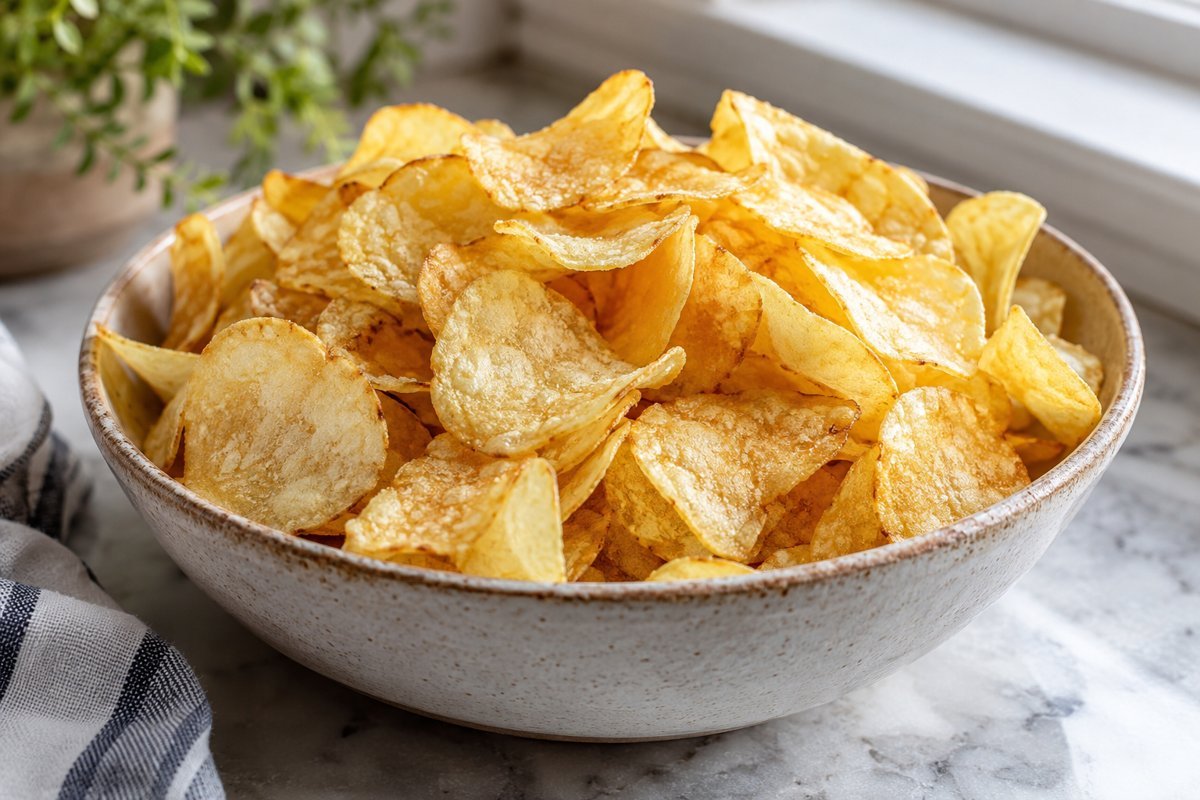
Eating from a family-size bag makes the amount harder to see. A bowl creates a natural pause, even if you later decide you want more. This is a way to make eating deliberate, not a trick that guarantees weight loss. A snack should be considered alongside your overall meals and needs.
The amount can grow when you eat straight from a bag while doing something else. Put the portion you want into a bowl and close the packet. If you're still hungry, consider whether you need a meal or another food alongside it. Chips don't have to disappear from your life for your routine to change.
4. Frequent bakery treats
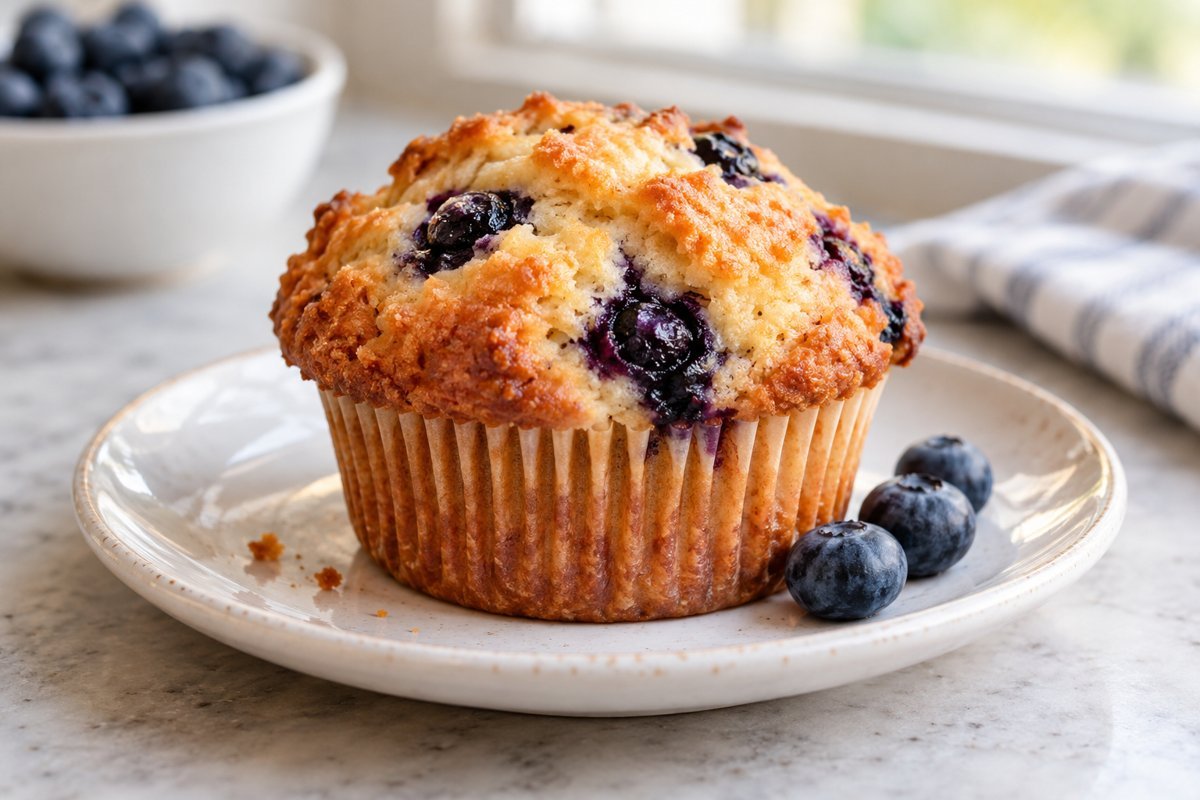
Treats can become part of a routine without much enjoyment when they are always beside the checkout or included with coffee. Decide which one you actually want instead of choosing automatically. Restriction that leaves you hungry or anxious is not the goal; a sustainable eating pattern needs room for ordinary preferences.
A cookie or pastry can be enjoyed deliberately. The question is whether several treats have become an automatic addition every day. Choose the one you really want and make it part of your plan. Avoid the cycle of strict rules followed by feeling that you've failed after eating a food you like.
5. Oversized takeout meals
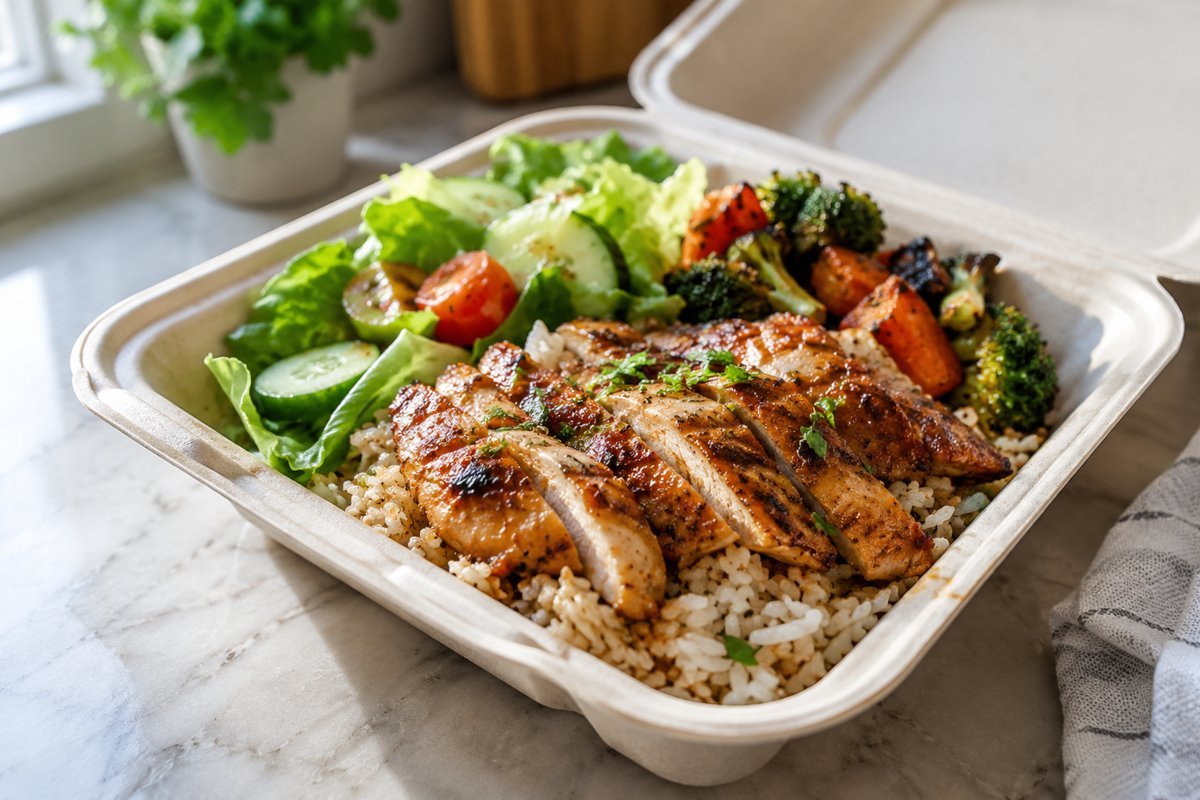
Takeout portions and bundles vary widely, so the word 'meal' doesn't establish the amount. Look at the whole order, including sides and drinks. If sharing or saving food suits you, plan how it will be handled safely. Ordering fewer extras can be simpler than changing the main dish you enjoy.
A meal deal may contain more food than you intended because the extra items seem inexpensive. Decide what you want before ordering. Choose a smaller meal or set some aside if you can store it safely. Paying attention to the order can be easier than trying to negotiate with a full plate afterward.
6. Alcoholic drinks

Alcohol decisions involve more than calories. Medication, health conditions and difficulty cutting down are reasons to get tailored advice. An alcohol-free replacement can still contain sugar, so check it for the purpose you have in mind. No single drink swap guarantees a change in body weight.
Alcohol contributes energy, and pours can vary. If drinking is part of your routine, consider a smaller amount or an alcohol-free option. There are health reasons beyond weight to reduce alcohol too. If cutting down is difficult, seek support; it doesn't have to be managed through a food checklist alone.
7. Sweetened bottled drinks marketed as healthy

A sports drink is made for a particular role, and an ordinary day may not require that role. A tea or fruit drink can also include added sugar despite a healthy-looking label. Compare the actual ingredients and amounts, then choose the drink that fits your activity and preferences.
A tea, smoothie or sports drink may sound different from soda but still deserves a look at its label. Read the actual product rather than guessing from the name. Decide whether you need that drink for your activity or simply enjoy it. Water can be an ordinary everyday choice without a special marketing claim.
8. Unmeasured oils, sauces and spreads
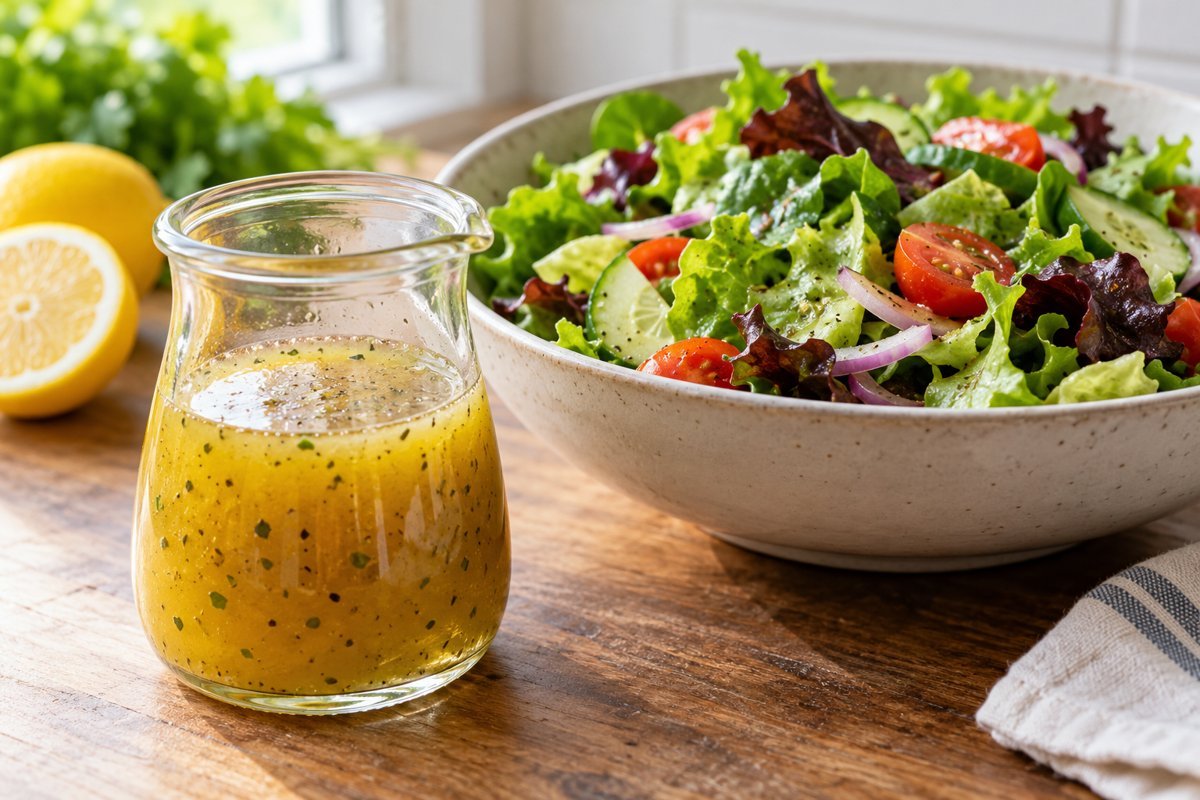
Oils and spreads have useful roles in cooking, but free-pouring can make amounts hard to compare between meals. Serve the intended amount before adding more. A smaller addition can still supply flavor, and removing all fats is not necessary simply because you want to pay more attention to portions.
These foods can add flavor and have a place in meals. They are also easy to pour repeatedly without noticing the amount. Try serving what you intend to use with a spoon or small dish. You don't need to remove every fat or sauce; make the addition a choice instead of a habit you overlook.
9. Snack mixes eaten continuously
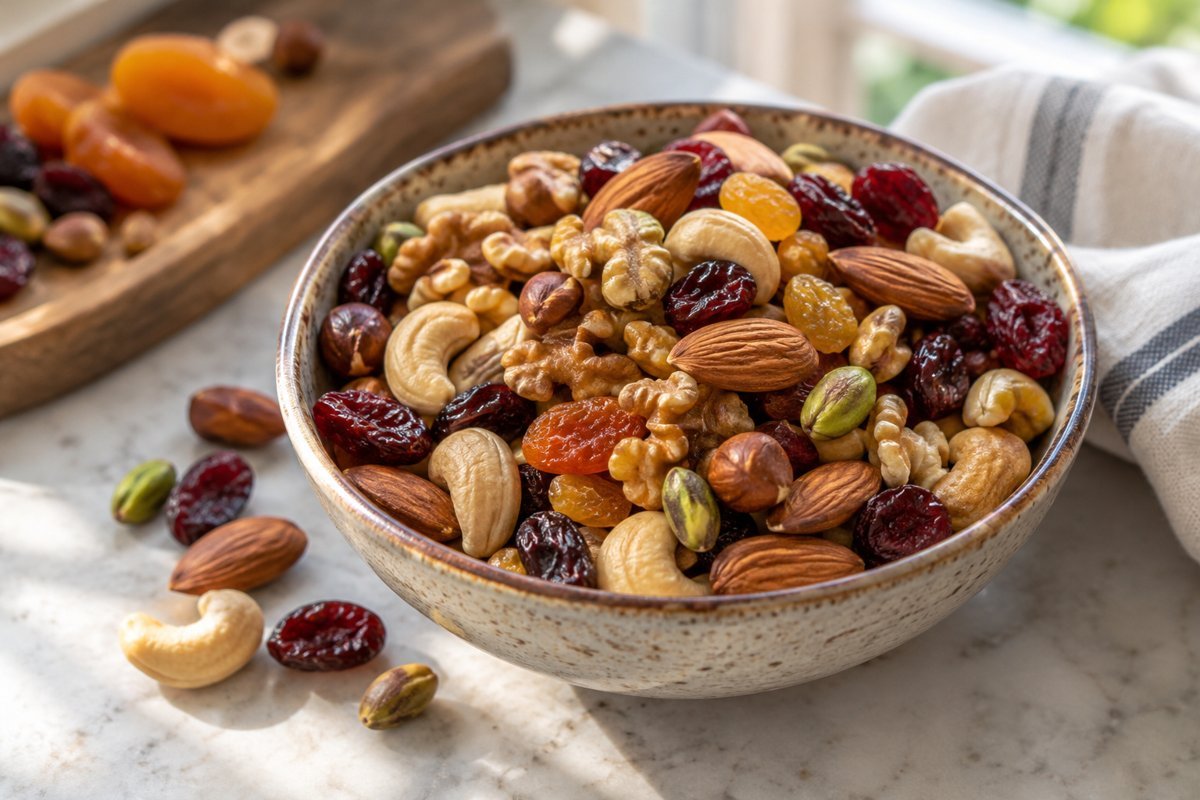
A snack mix is convenient, but several foods can add up as you keep returning to the packet. Portion it before settling down to work or watch a film. If you are genuinely hungry, consider a meal or a more planned snack rather than relying on the open bag to decide the amount.
Nuts, dried fruit, chocolate and crackers can all end up in one mix. Take a portion rather than leaving the bag open beside you. Check whether you are hungry, distracted or waiting too long for lunch. That question can lead to a better meal plan than labeling every ingredient in the mix as bad.
10. Diet products you buy but don't find useful
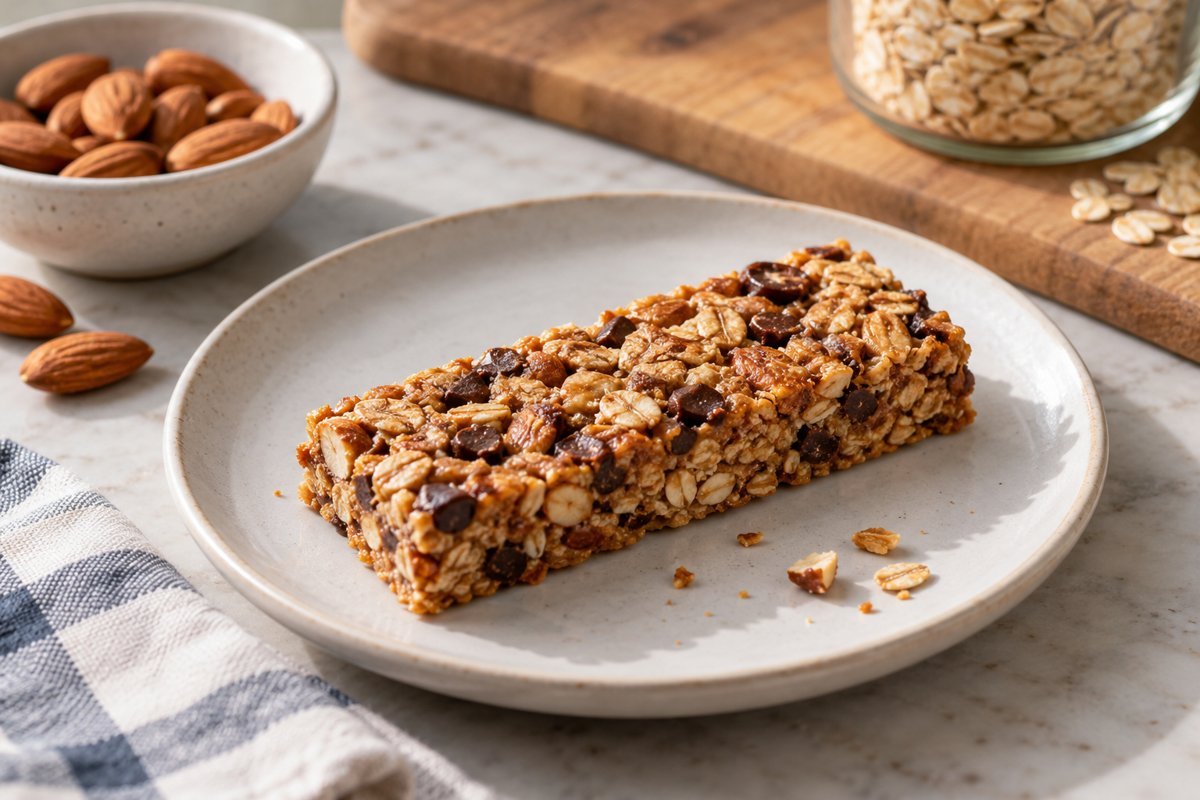
A weight-management product may be useful in a particular plan, but it should not be treated as essential because of the packaging. Look at what it replaces, its cost and whether it leaves you with a workable routine. Ask a qualified professional about a plan if you have health needs or a history of disordered eating.
A special bar or shake isn't necessary just because its packaging mentions weight loss. Consider whether it helps you eat in a way you can sustain, whether it's affordable, and whether it fits your health needs. An ordinary meal may work better. Avoid products or programs promising rapid results without realistic ongoing support.
Pick one recurring choice and make a small change for a week. Notice whether it's practical and satisfying before adding another. If you want a personal weight-management plan, use a qualified clinician or registered dietitian, especially if you have a medical condition or take medicines that affect weight. Your progress should not depend on following an internet list perfectly.
Keep reading: 10 'Health Foods' That Deserve a Closer Look or 21 Everyday Foods Worth Checking the Ingredients On.



3 thoughts on “10 Foods and Drinks to Rethink When Managing Your Weight”