The label on health foods may highlight one useful feature while leaving out the rest of the story. These ten foods can still have a place in meals, but ingredients, portions and purpose matter. Here's what to check before assuming that words such as protein, plant-based or gluten-free tell you everything.
Updated October 26, 2026
In this article
Match the package claim to the question you are asking
Use this guide for front-of-pack promises; the ingredient-reading guide explains the back label in more detail. A protein claim, a plant-based recipe and a gluten-free label answer different questions.
- Ingredients: what is the product made from, and is it suitable for your allergies?
- Amounts: what does the Nutrition Facts panel show for the portion you actually use?
- Purpose: are you buying a snack, a meal ingredient or a food needed for a diagnosed condition?
- Value: compare it with an ordinary alternative you would eat, including price and convenience.
For celiac disease, avoiding gluten is a medical requirement. That is a different question from whether a gluten-free snack is a better general nutrition choice.
1. Granola
References
Sources checked October 11, 2026. General information; individual needs and rules can differ.
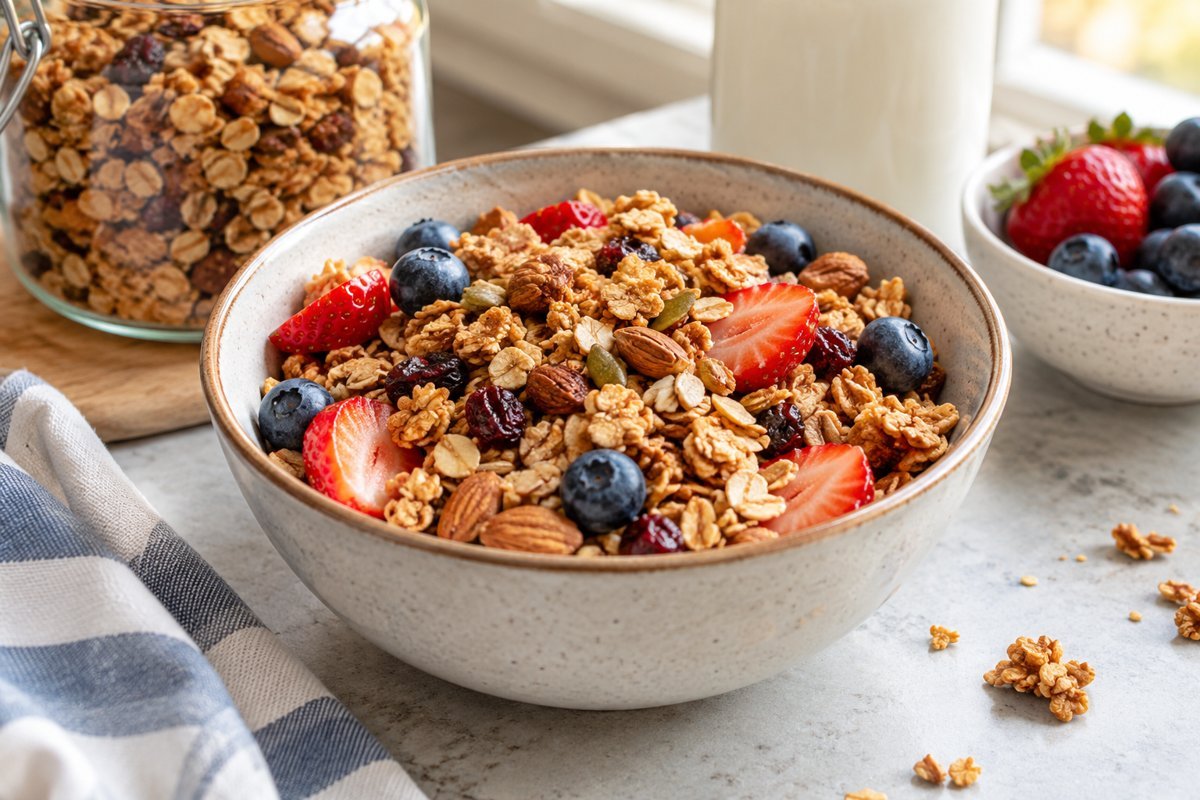
The useful question is how granola fits the bowl you actually eat. If it is a topping, compare the small amount you use; if it is the whole cereal serving, look at that larger amount. An oat ingredient doesn't make every recipe alike. Notice serving size before judging a product by a healthy-looking bag.
Oats and nuts can sit alongside sweeteners and oils in the same bag. Start with the product's actual serving information, then think about how you use it. A topping on yogurt is different from a large bowl. Try putting a spoonful into a dish first instead of pouring from the bag. You can keep the food and change the amount.
2. Fruit smoothies
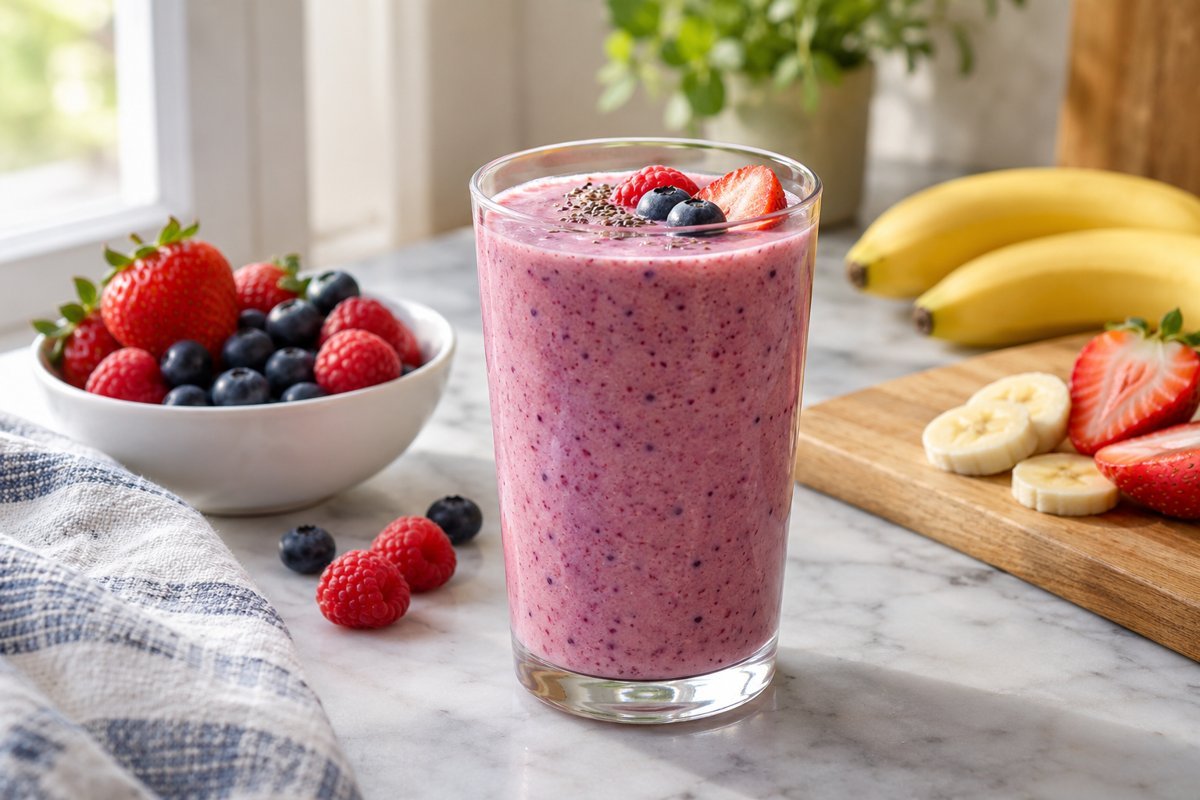
Smoothies range from fruit blended with plain yogurt to shop drinks made with juice, syrup and other extras. Ask what is in a made-to-order version, or check the ingredients on a bottle. Think about whether it is a drink beside a meal or meant to replace one; that affects what else you may want to eat. Choose a version you enjoy without assuming every smoothie has the same ingredients.
3. Sweetened yogurt
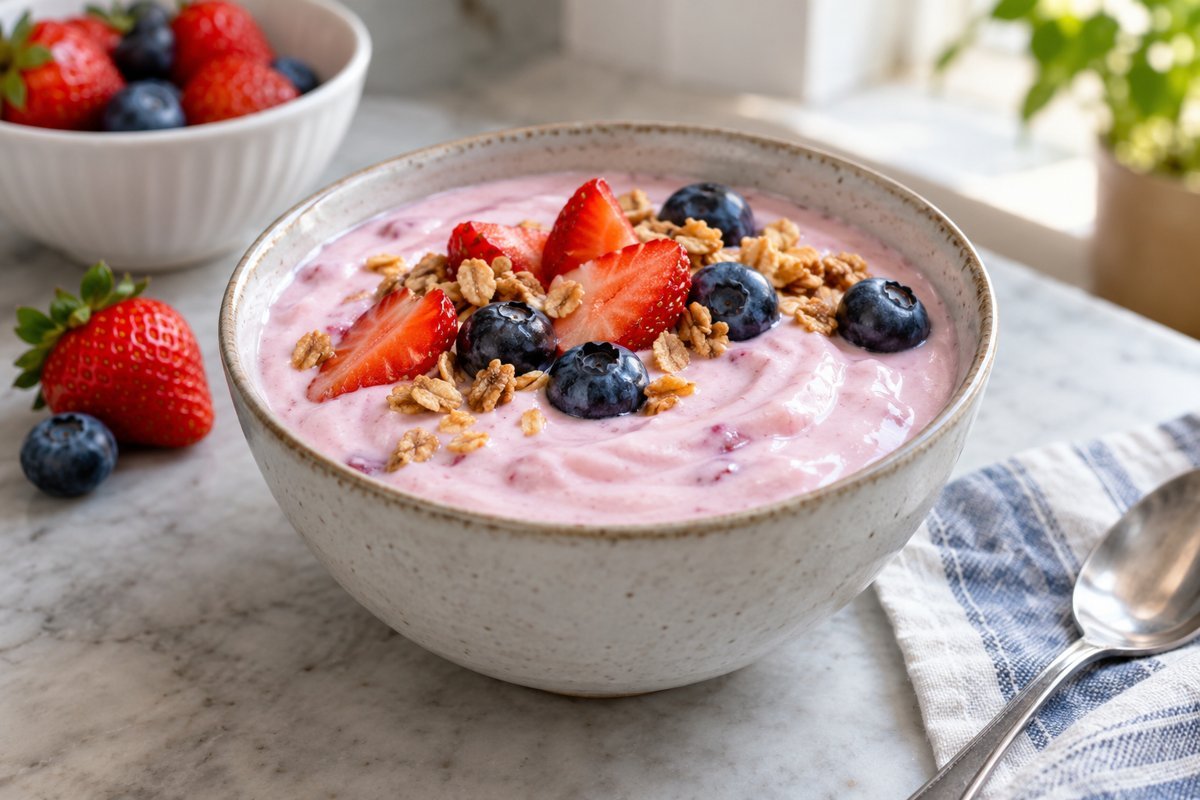
Plain and sweetened yogurt can both fit a meal. Compare similar portions and check added sugar separately from the sugar naturally found in milk. If you choose a plant-based version, check its protein and fortification too; dairy-free products are not automatically nutritionally equivalent. Plain yogurt with fruit offers one way to choose the flavor, while a sweetened pot may be more convenient.
Source: FDA: total and added sugars.
4. Vegetable chips
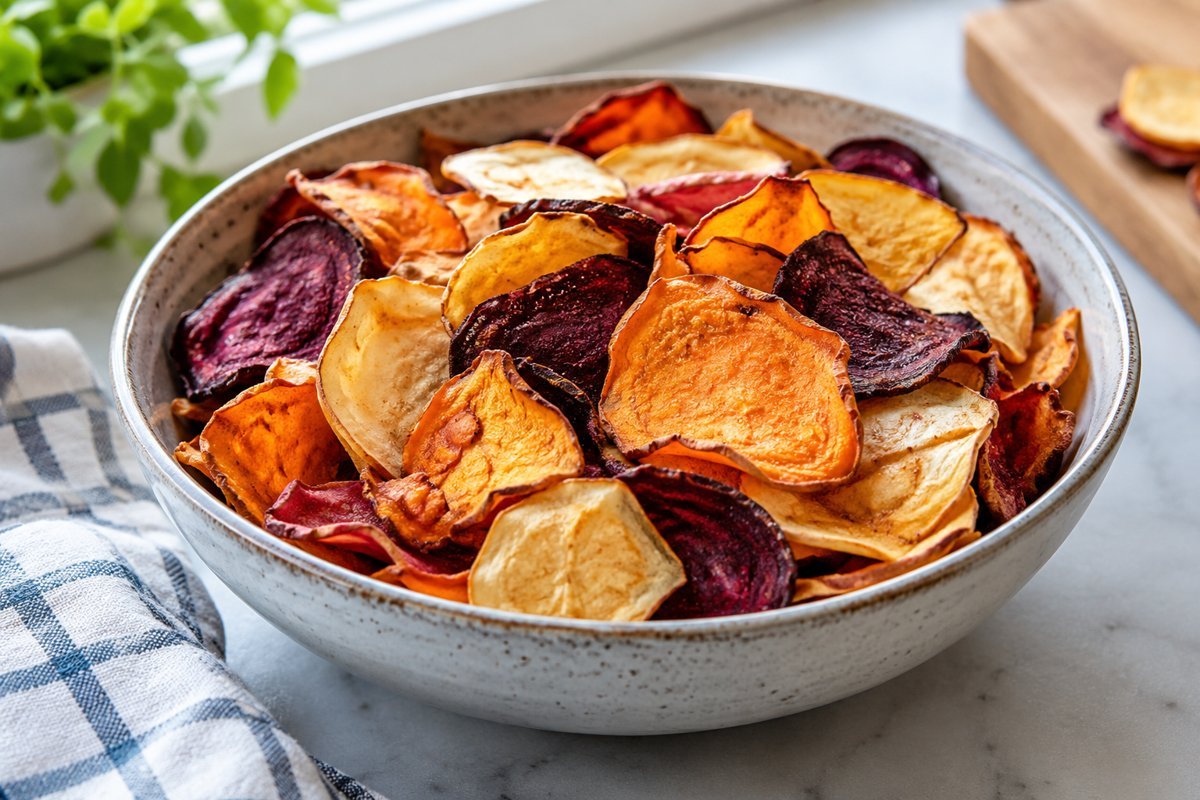
Vegetable chips may be made from sliced vegetables or from a mixture shaped into chips. The ingredients tell you which. Their preparation and serving size matter as much as the vegetable name on the front. Don't expect a snack product to provide the same role as a vegetable side dish at dinner.
A chip made from a vegetable is still prepared according to a particular recipe. Look at the ingredients and how much you usually eat. Don't assume a bag replaces a portion of ordinary vegetables in your meal. Keep it as a snack if you like it, and add vegetables you enjoy elsewhere instead of expecting one product to do everything.
5. Protein cookies and bars
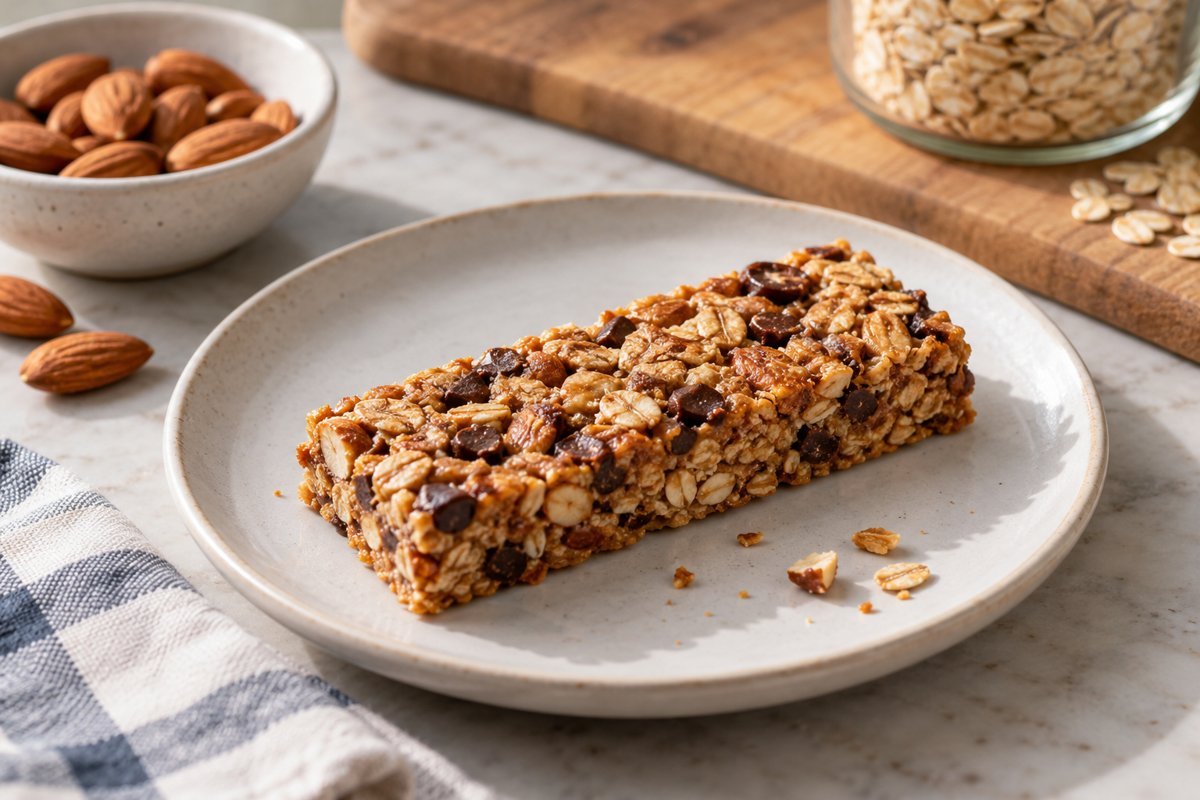
Protein is only one part of a label. A cookie can contain added protein and still be a cookie, which is fine if that is what you want. Compare cost and convenience with ordinary snacks before treating the marketing claim as a reason to pay more. The product cannot determine your personal protein needs.
Added protein doesn't erase the rest of the ingredients. Read the whole label and consider why you're buying the product. Is it a portable snack, something for a specific activity, or just a cookie you enjoy? An ordinary snack may serve the same purpose for less money. Protein needs differ, and a marketing claim doesn't set yours.
6. Gluten-free packaged snacks
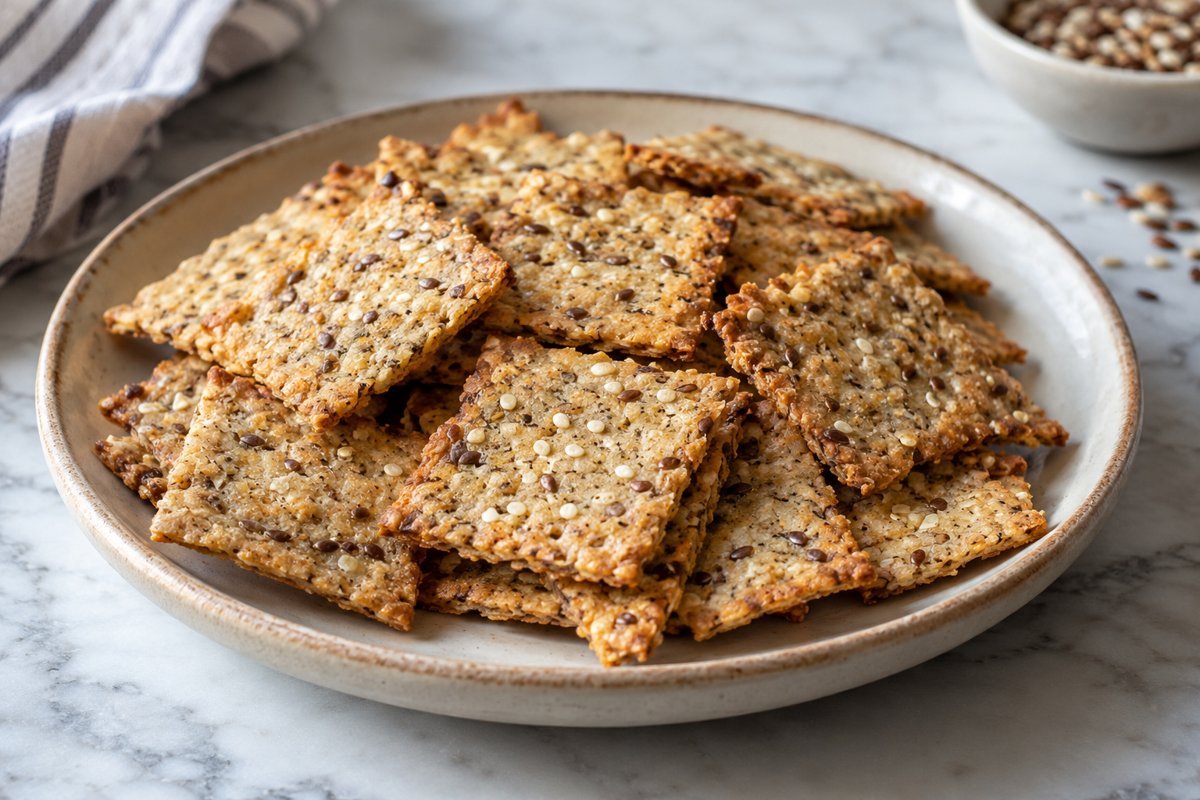
For someone with celiac disease, gluten-free food is a safety requirement, not a trend. For someone without that need, the label does not automatically mean a better snack. Focus on the ingredients and nutritional information relevant to you, and avoid suggesting that everyone should remove gluten to improve their diet.
Gluten-free matters for people who must avoid gluten, including those with celiac disease. It isn't a general promise that a snack is more nutritious or better for weight loss. Compare foods within the choices safe for you. If you don't have a medical reason to avoid gluten, don't assume the label gives a product an automatic advantage.
7. Plant-based burgers
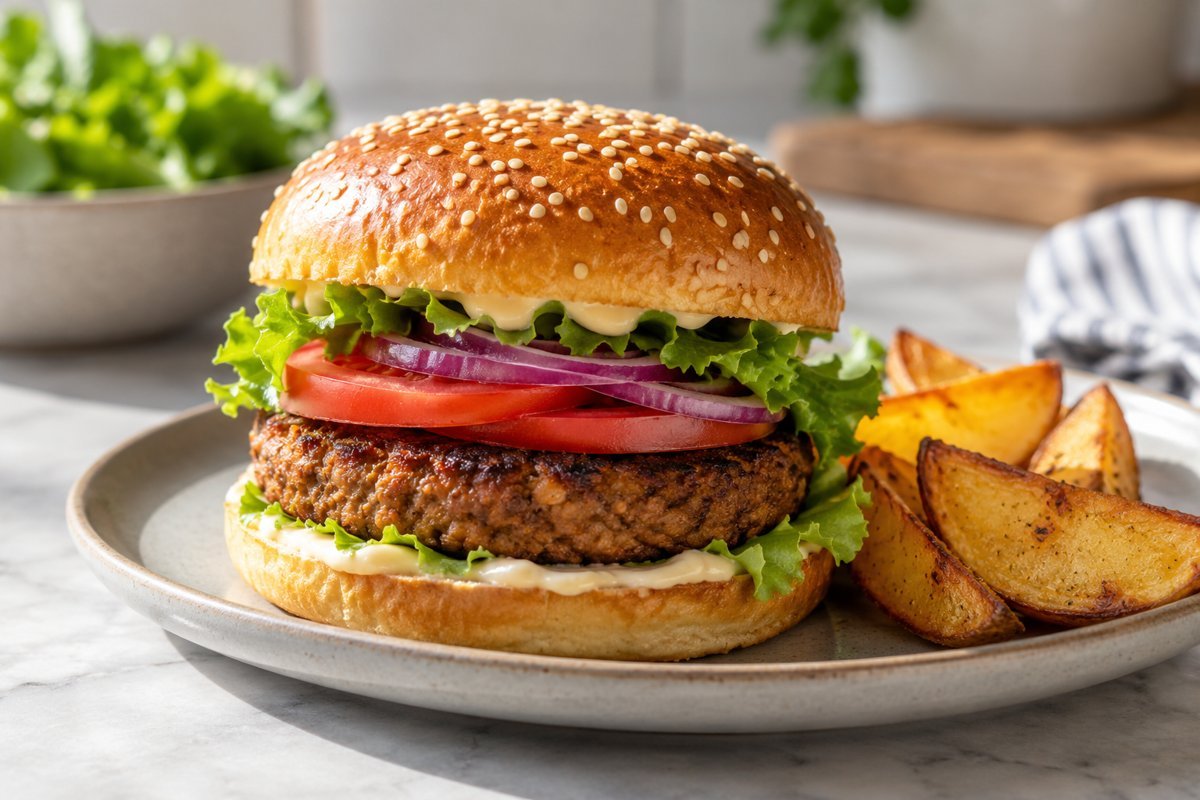
A plant-based patty may be useful for a meat-free meal, but its ingredients can vary widely. Compare products within the choices that fit your allergies and preferences. Consider the whole plate too: the bun, toppings and side dishes are separate decisions. One label cannot describe the entire meal.
Recipes can use different proteins, oils, seasonings and binders. One product may be quite different from another. Read the label for allergies and the nutrients that matter to you. A plant-based burger can be useful, but it's not identical to a bowl of beans. Choose it for the role it plays in the meal rather than the phrase on the box.
Source: FDA: allergen labeling.
8. Flavored oatmeal
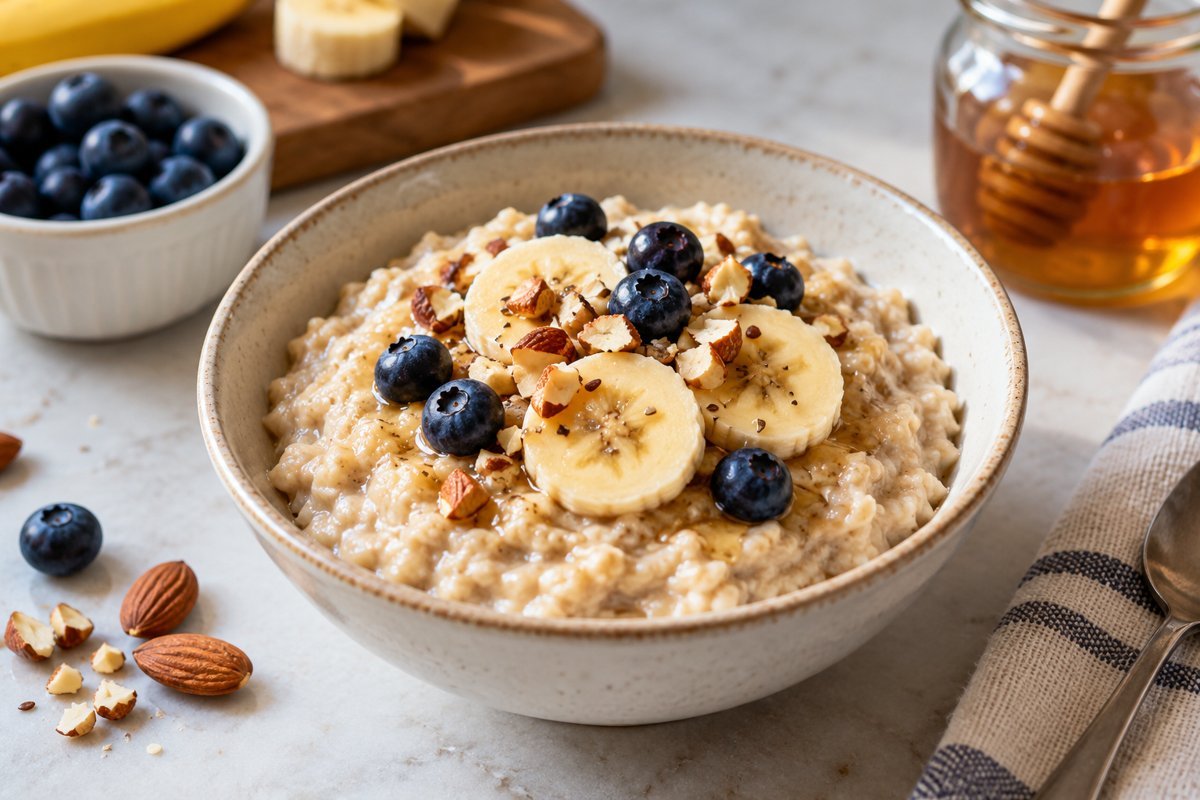
Flavored oats remove some morning preparation, while plain oats give you control over additions. Compare the packets you would actually use, rather than choosing a product you won't enjoy. A little planning can give you both convenience and a choice of toppings without turning breakfast into a project.
A packet is a convenient way to make breakfast. Plain oats plus a topping you choose offer another option. Compare the versions you like, and consider adding fruit or yogurt if that makes the meal work better for you. There's no need to replace a useful quick breakfast with a recipe that takes more time than you have.
9. Bottled green juice
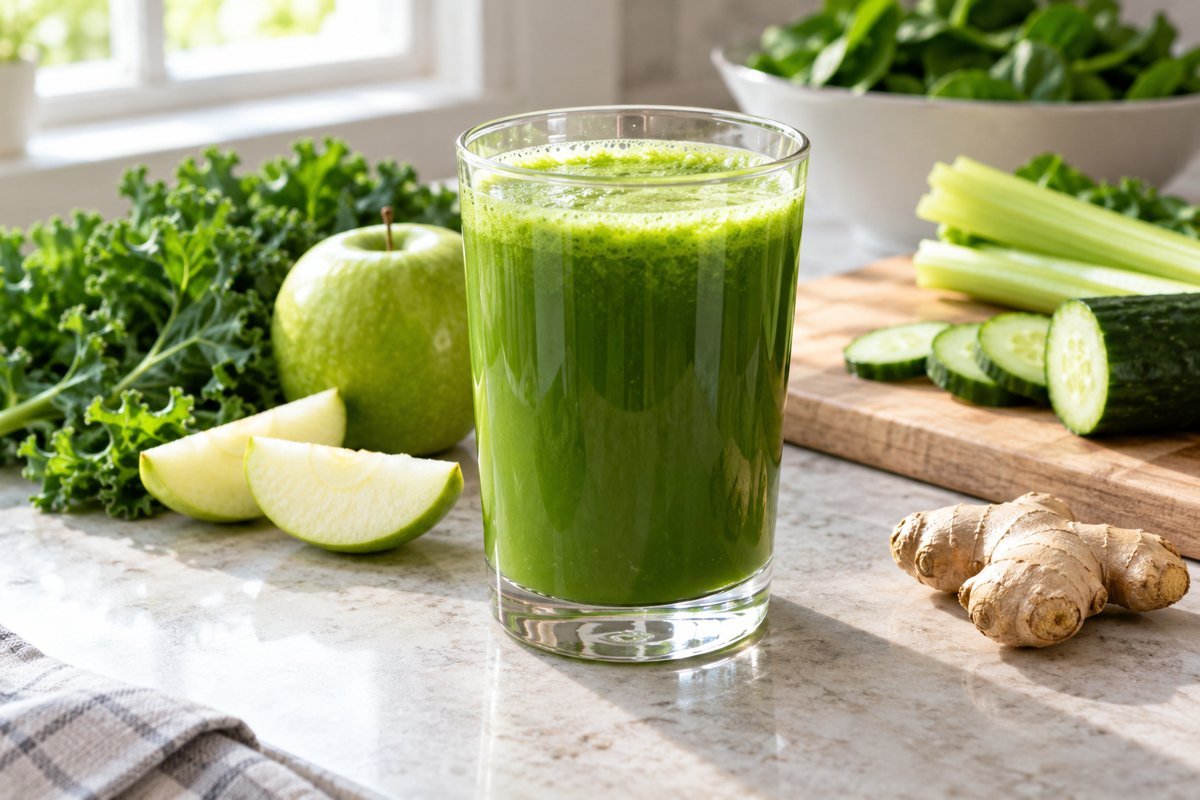
Green juice may contain several fruit juices as well as vegetables. Check the ingredients and bottle size before treating it as a serving of everything pictured. Whole produce offers a different texture and eating experience. If you enjoy the juice, have it as a drink without assuming it replaces all the fruit and vegetables your meals need.
10. Nut butter
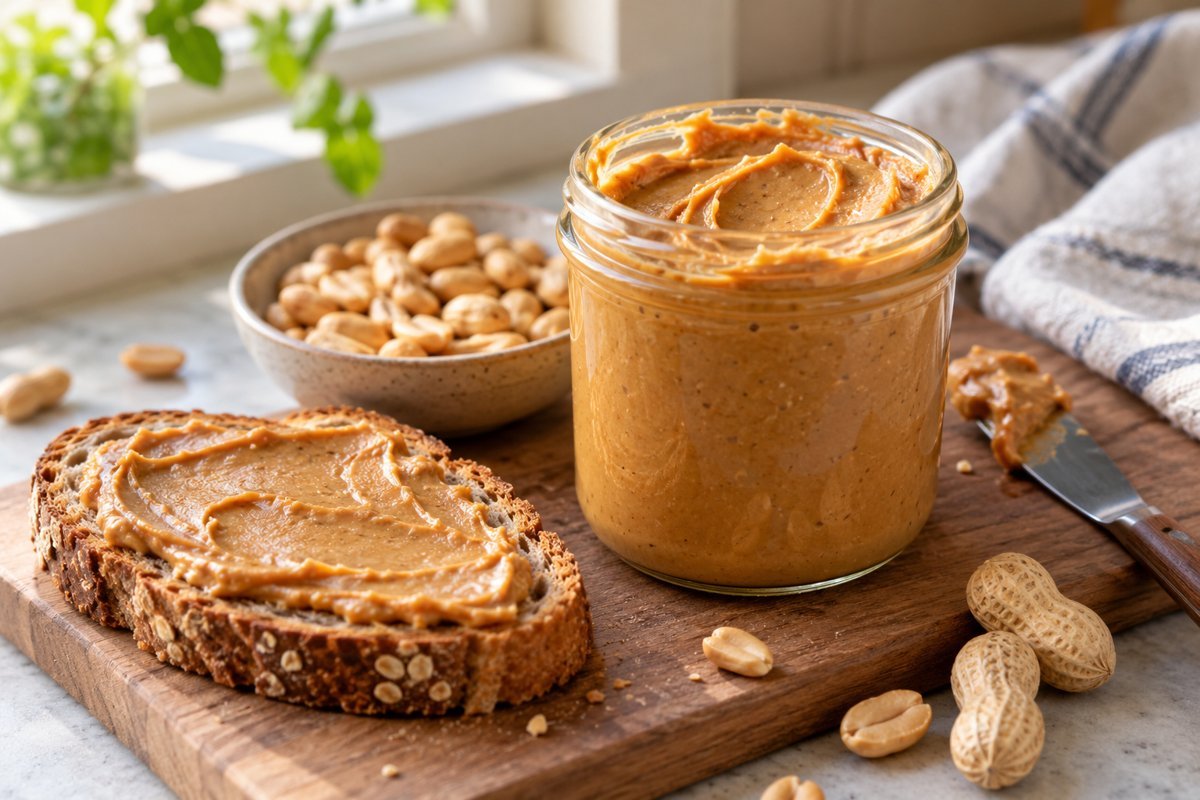
A spread is easy to use repeatedly while making toast or a snack. Decide on the amount before eating from the jar, and remember that nut allergy suitability comes before nutrition comparisons. Different recipes can include sugar, salt or oils, so compare the actual products rather than the word 'superfood.'
Nuts can fit many meals, but spreads differ and amounts are easy to underestimate. Read the jar and serve what you intend to use. A spoonful on toast is a different snack from eating repeatedly from the container. Allergies also matter. An expensive 'superfood' label isn't necessary when a plain, suitable jar does the job.
On your next shop, pick one product and ask three concrete questions: what's in it, how much will I have, and what job does it do in my meal? Compare it with something you'd actually buy. That is more useful than declaring a whole food category good or bad. If you need a diet for a medical condition, follow advice tailored to you.
Keep reading: 12 Lunch Choices Worth Rethinking—and What to Try Instead or 21 Everyday Foods Worth Checking the Ingredients On.

4 thoughts on “10 ‘Health Foods’ That Deserve a Closer Look”