Good lunch choices are enough for you, practical to prepare, and safe until you eat them. These 12 examples look at the whole meal as well as transport and storage. The aim is to give you workable options, not rules about foods you must never eat. A sandwich or a ready meal can be adjusted without replacing the entire routine.
Updated October 26, 2026
In this article
- A deli-meat sandwich every single day
- A salad with very little else
- A huge takeout order chosen on autopilot
- Instant noodles with nothing added
- A sweet drink in place of a meal
- Pastries bought because no lunch was planned
- A snack-only lunch eaten without a break
- A lunch you chose only for a diet claim
- Perishable leftovers carried without cooling
- Food left at room temperature too long
- The same lunch despite a known allergy
- A meal too small because you’re trying to be ‘good’
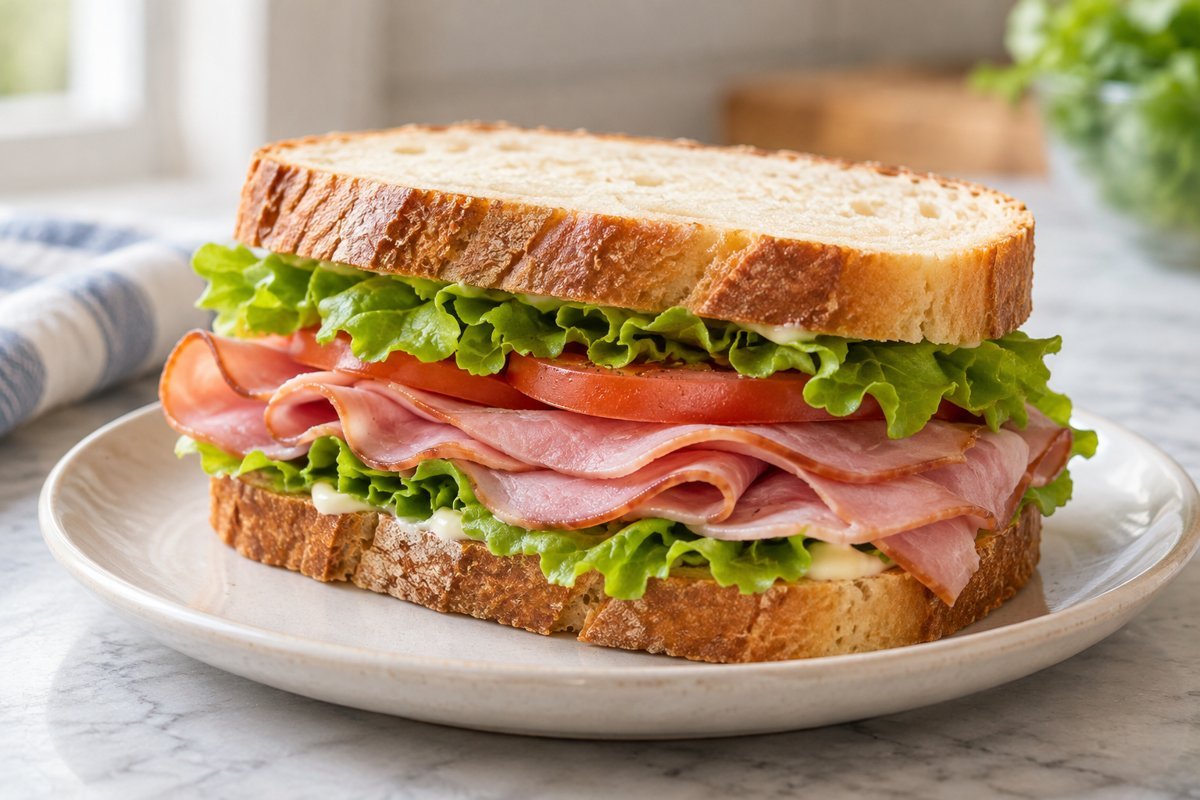
1. A deli-meat sandwich every single day
References
Sources checked October 11, 2026. General information; individual needs and rules can differ.
A sandwich can stay familiar while the filling changes. Planning two or three fillings makes it easier to rotate without buying a new collection of ingredients each week. Consider safe storage and allergies as well as nutrition. A lunch you can prepare and enjoy is more useful than a supposedly perfect one you never pack.
Sandwiches are convenient, but your filling can change. Try hummus, egg, beans or another suitable option on some days. Add vegetables you enjoy and choose bread that works for you. WHO advises limiting processed meat as part of long-term health guidance. A varied lunch routine is an easier starting point than banning sandwiches.
2. A salad with very little else
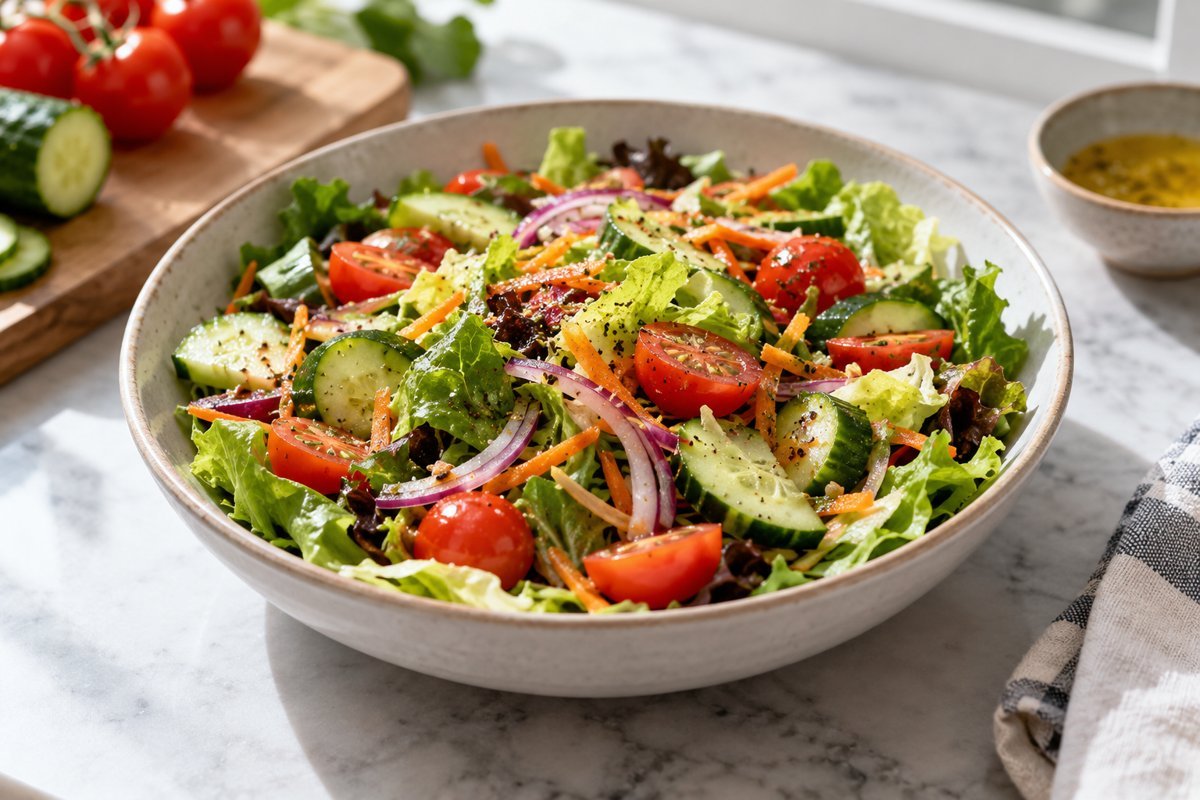
A salad can be a full lunch, but a bowl containing mostly leaves may not serve the same purpose as one with beans, grain and other foods. Review what is actually in yours. Add foods for appetite, taste and convenience rather than judging lunch by how small it looks.
A bowl of leaves may not be enough lunch for your appetite. Try adding beans, eggs, tofu or another protein food, plus bread or a grain if wanted. Dressing can help make it enjoyable. A meal doesn’t have to be the smallest possible plate to be worthwhile; it needs to suit the person eating it.
3. A huge takeout order chosen on autopilot
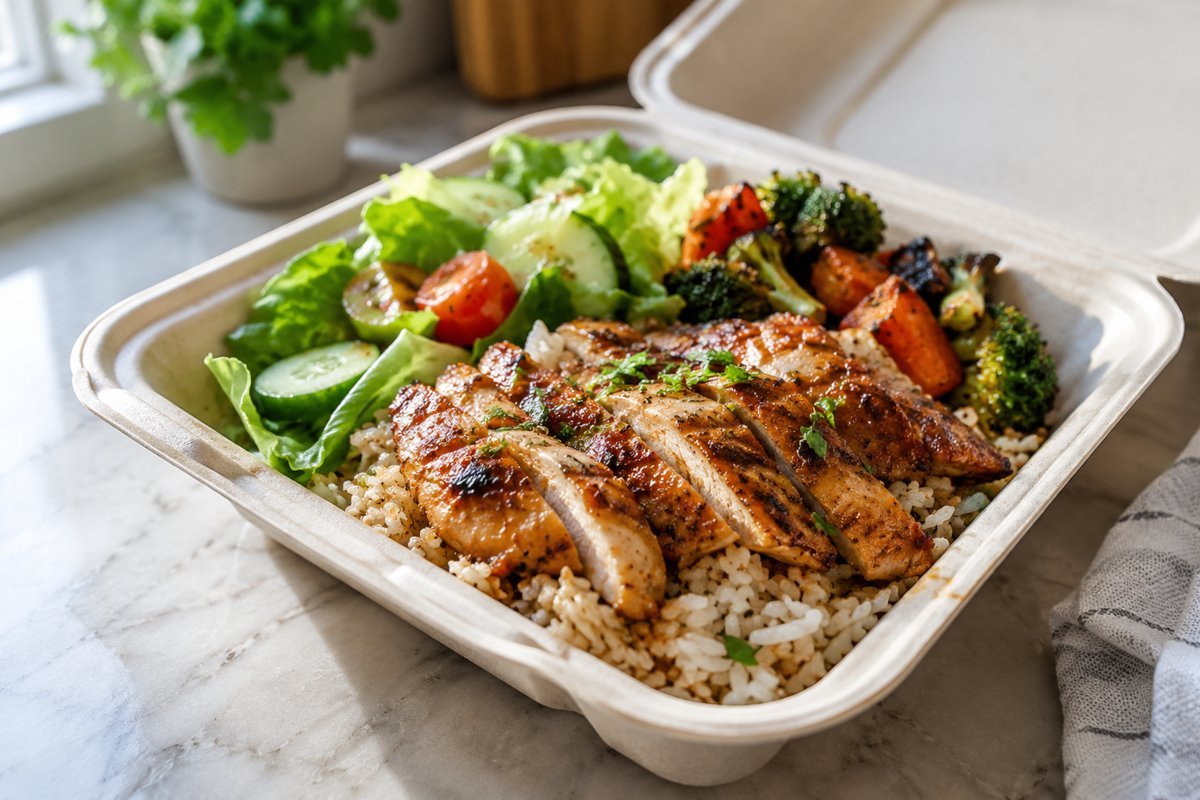
Ordering ahead of extreme hunger may make it easier to choose what you genuinely want. A bundle can include a side or drink you wouldn’t otherwise buy. Look at those parts separately, and keep safe storage in mind if you plan to save some of the meal.
Ordering while very hungry can make a large deal tempting. Decide which parts you actually want. A smaller order or a shared side may fit better. If you save leftovers, refrigerate them safely. You can enjoy takeout and still make a deliberate choice about the amount and the foods beside it.
4. Instant noodles with nothing added
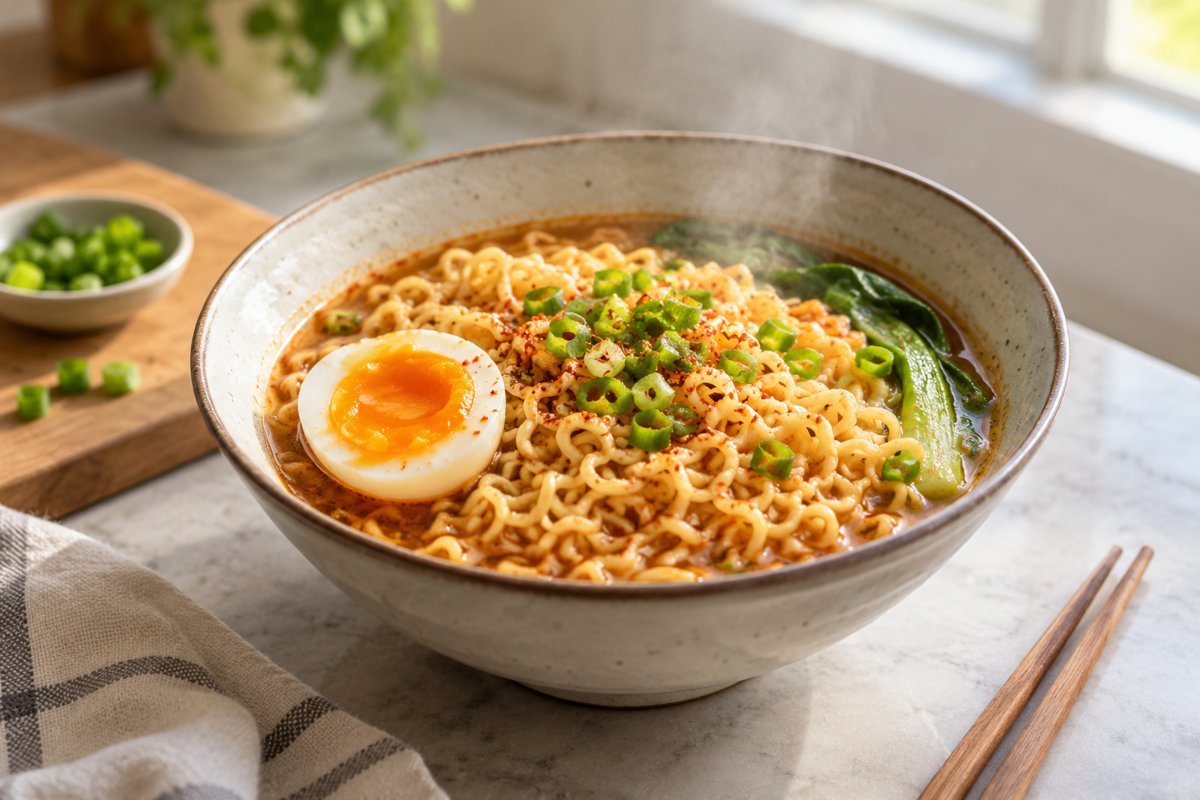
Instant noodles offer convenience, and the packet can be a starting point rather than the final recipe. Frozen vegetables are useful because you can add a portion without chopping. If you add an egg or another perishable ingredient, prepare it safely; a hot broth doesn’t automatically establish that everything is cooked properly.
A packet can be a useful base when time is short. Add cooked vegetables, tofu or an egg prepared safely, and use seasoning to taste. The additions can turn a familiar quick food into a more varied meal. Check the package instructions and don’t assume all noodle brands have the same recipe.
5. A sweet drink in place of a meal
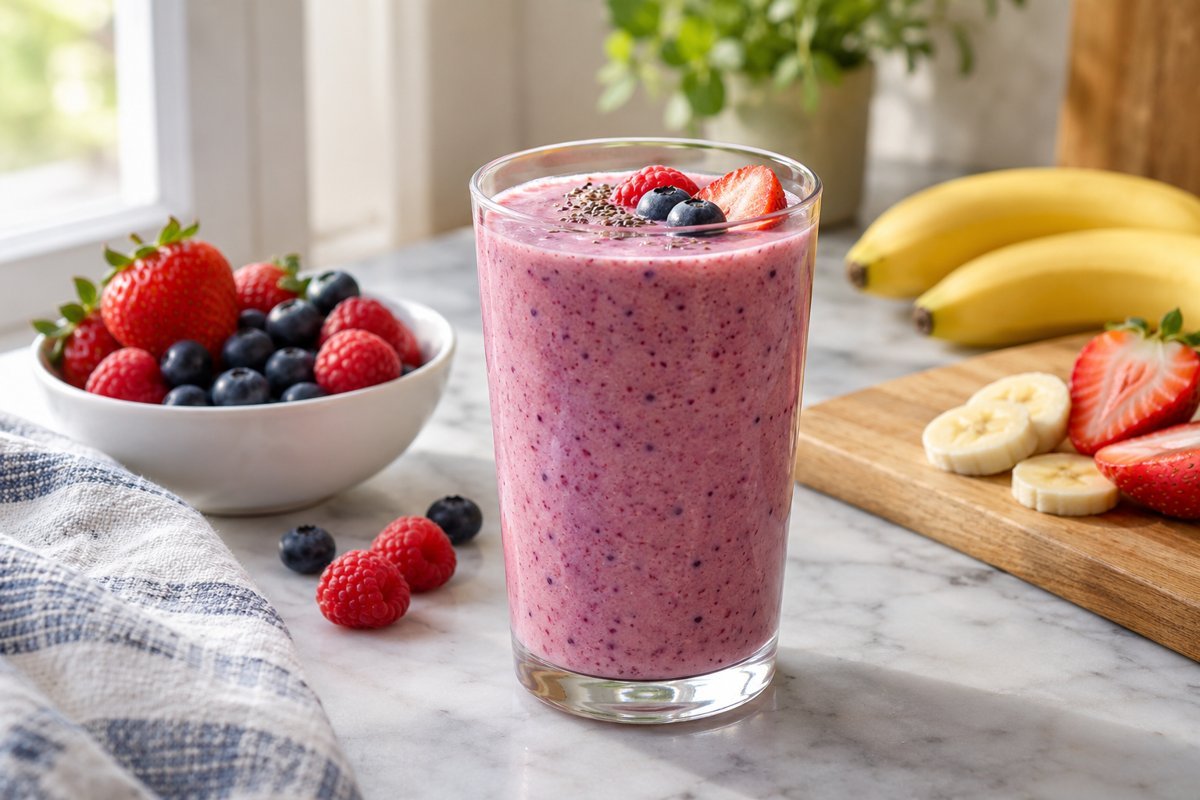
A smoothie or sweet drink has a recipe, not an automatic status as a meal. Check whether it is meant as a beverage or a purpose-made meal replacement, and whether you still need food alongside it. A sandwich, leftovers or a bean bowl can be simple options. Anyone following a medical nutrition plan should use that plan rather than a generic lunch suggestion.
6. Pastries bought because no lunch was planned
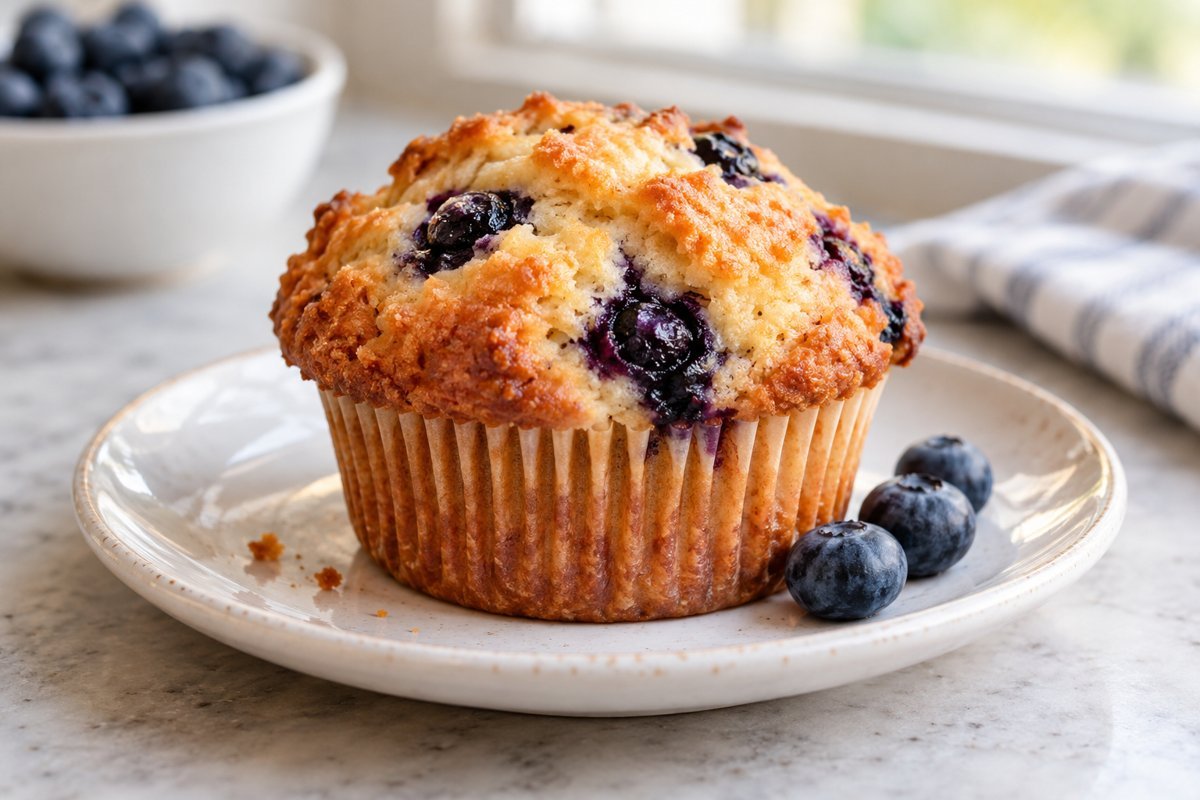
The easiest fix often happens before lunchtime: keep one reliable backup where you can access it. It could be a shelf-stable meal component or a sandwich prepared the night before if safely refrigerated. A pastry doesn’t need to become a forbidden food simply because it was an unplanned lunch.
A pastry can be enjoyable, but it may be all that’s available when you forget lunch. Keep a backup at work if you can, such as a suitable shelf-stable food. Plan what goes with it. The useful fix is making another option available, not criticizing yourself for choosing from a limited selection.
7. A snack-only lunch eaten without a break
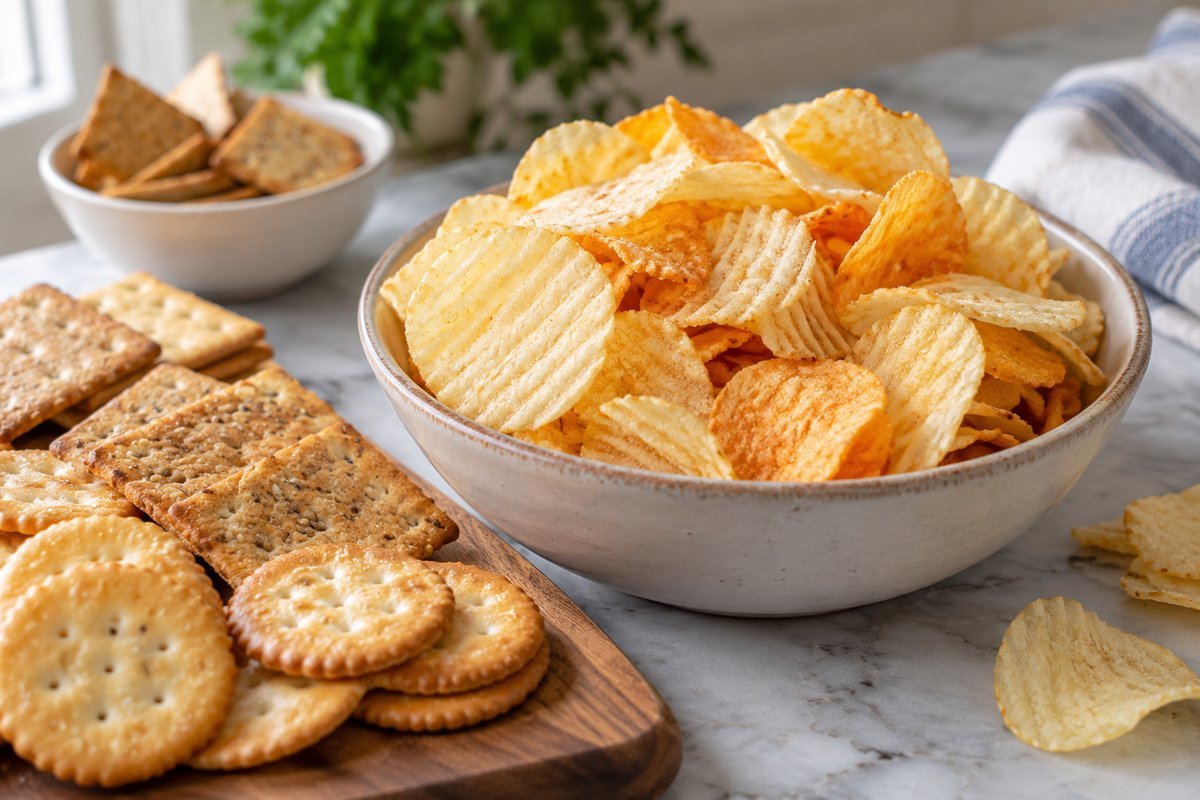
When several snacks are eaten while working, it can be hard to see the meal as a whole. Pause to put the foods together and decide whether you want an addition. This isn’t a requirement for a formal lunch break every day; it’s a practical way to notice what you’ve chosen.
Crackers or chips at a desk can gradually become the whole meal. Put your lunch on a plate or in a container so you can see what you’ve chosen. Add another food if needed. If possible, take a short eating break; that gives you time to notice appetite and enjoy the food.
8. A lunch you chose only for a diet claim
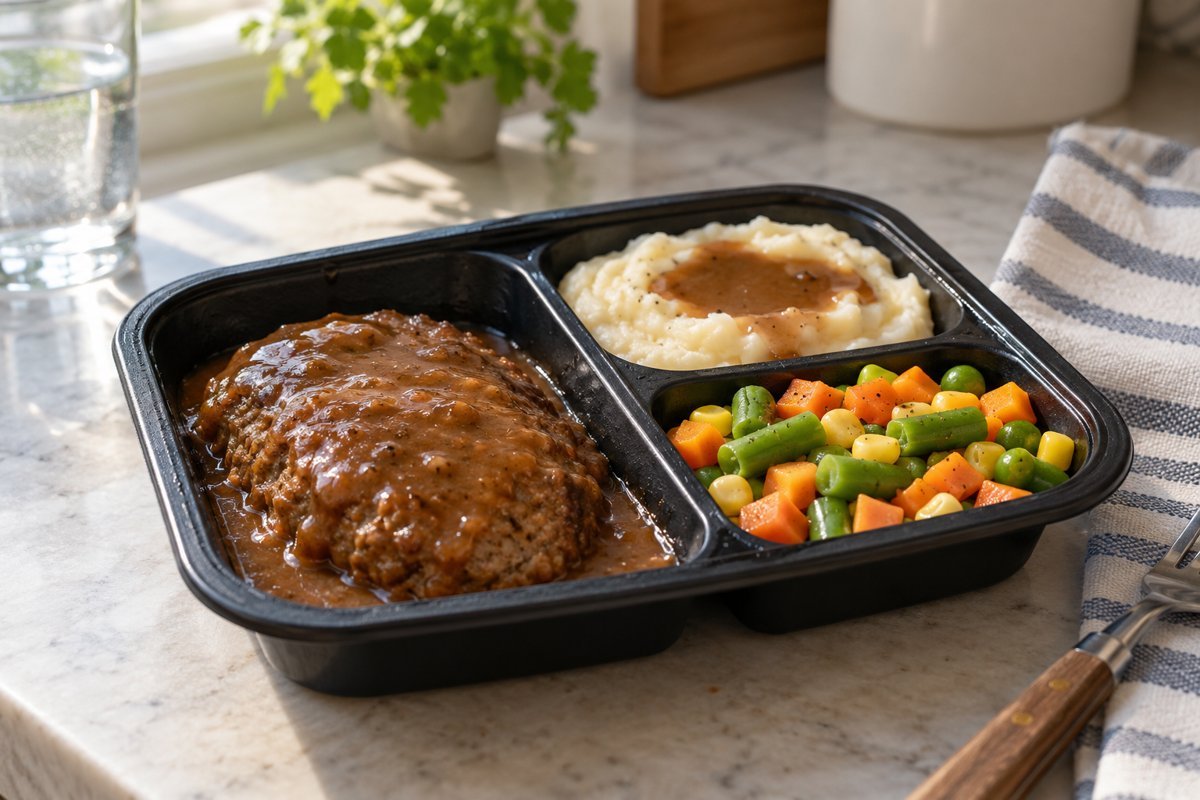
A claim on the front describes one feature, not whether the food meets your appetite or medical needs. Compare serving size, ingredients and the rest of the meal. A product you enjoy that happens to fit the day can be a better choice than one bought solely for a diet promise.
A ‘light’ or ‘high-protein’ label doesn’t tell you whether a meal fits your needs. Read the product and think about the rest of lunch. An ordinary meal you enjoy may be easier to repeat. Avoid buying something solely because the packaging seems to promise a result.
9. Perishable leftovers carried without cooling
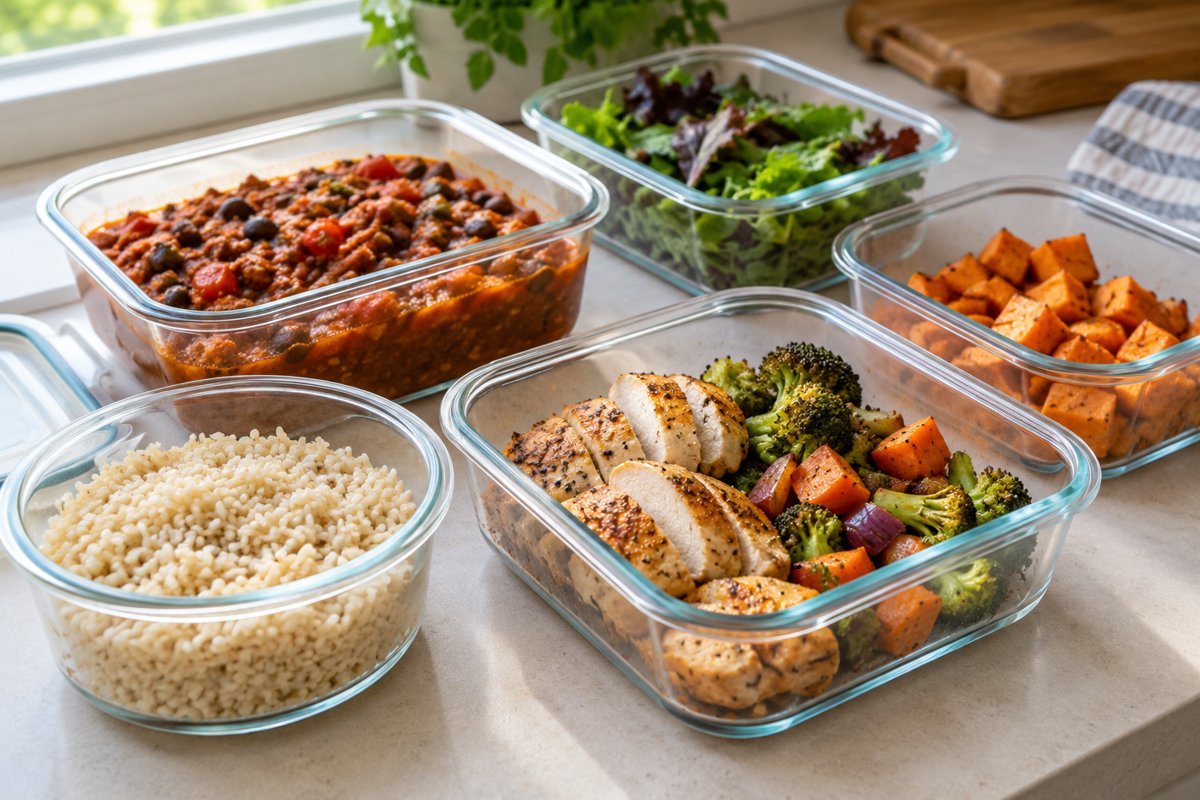
Perishable leftovers need cold storage during transport and after arrival. The USDA recommends an insulated bag with at least two cold sources, or refrigerating the food when you arrive. Consider the length of the journey and whether a fridge will be available; a warm car or an insulated bag alone may not keep food cold enough. If you cannot keep it safely chilled, choose a lunch that does not need refrigeration. For ideas on using opened ingredients, see our guide to half-finished ingredients.
10. Food left at room temperature too long
Food can become unsafe without a clear change in appearance or smell. Keep time and temperature in mind when lunch is interrupted. If you cannot establish that a perishable meal was handled safely, don’t try to rescue it by tasting it. A new meal is a better choice than a guess.
FoodSafety.gov says perishable food should be refrigerated within two hours, or one hour when the temperature is above 90°F. Don’t rely on smell to decide that it is safe. If your lunch has been out too long, discard it. A replacement meal costs less than the consequences of avoidable foodborne illness.
Source: USDA: time and temperature limits.
11. The same lunch despite a known allergy
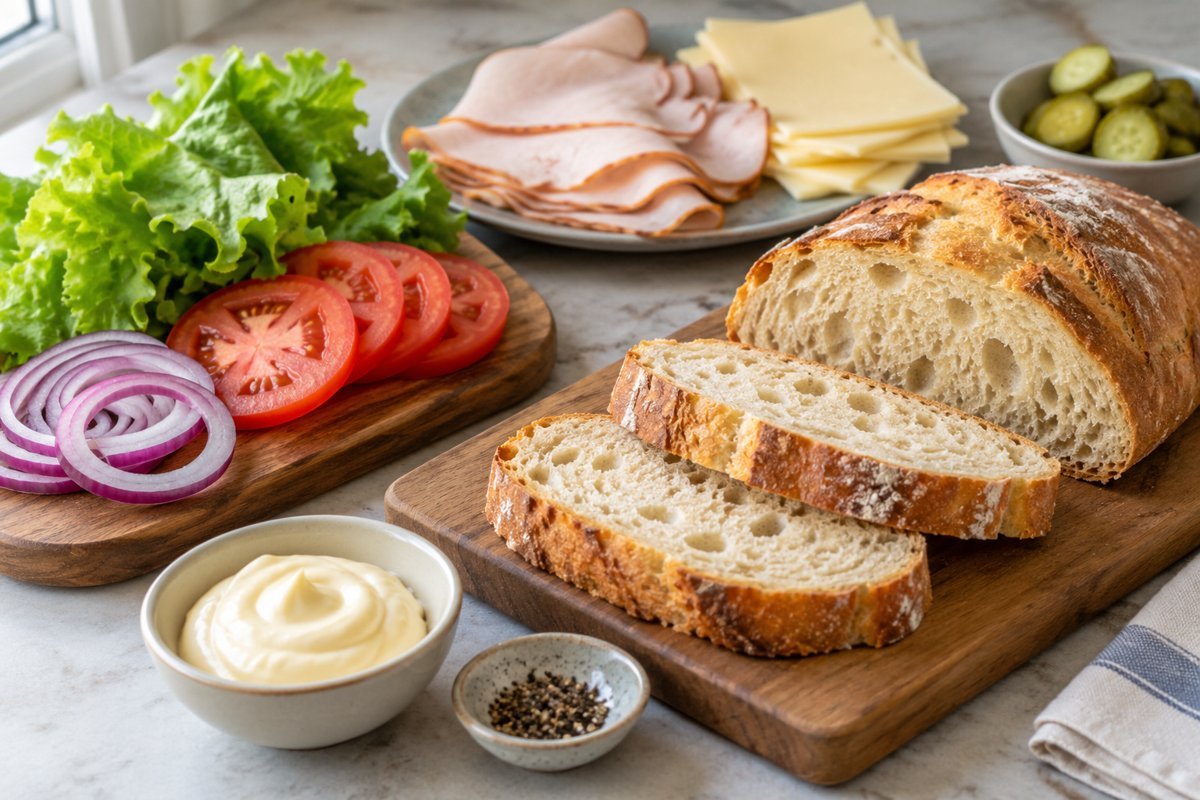
Allergy safety depends on the current product and how it was prepared. Even a familiar lunch can involve a changed recipe or a shared surface. Keep your individual allergy plan ahead of convenience and ask questions when needed. A generic list cannot tell you whether a particular meal is safe.
Read packaged-food labels each time, even for a familiar product, because ingredients can change. Keep shared preparation surfaces and cross-contact in mind. If a food is unsafe for you, convenience doesn’t change that. Follow your allergy plan and ask the manufacturer when the label doesn’t answer an important question.
Source: FDA: food allergies and labeling.
12. A meal too small because you’re trying to be ‘good’
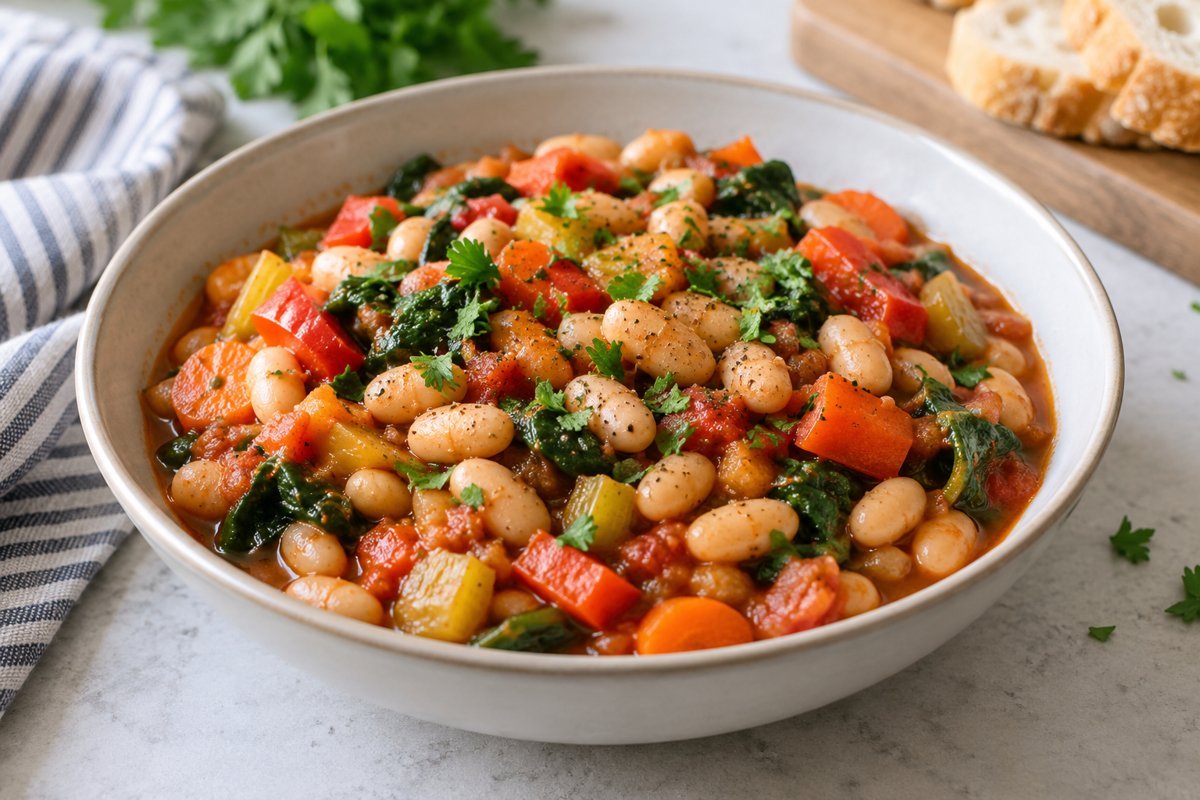
A lunch chosen mainly to satisfy a rule about being ‘good’ can leave the real questions unanswered: are you hungry, is the meal practical, and does it fit your health needs? Review the pattern without blame. If eating causes persistent worry or restriction, seek advice rather than adding more food rules.
Lunch isn’t a test of willpower. If you’re regularly hungry soon afterward, review the amount and variety, or get advice tailored to you. Add ordinary foods that fit your needs rather than searching for a magic appetite trick. People with medical diets should use their individual plan instead of a generic lunch list.
For tomorrow, choose a main food, a side you enjoy and a drink, then decide how you’ll store the meal. For example, a bean sandwich with carrot sticks can be straightforward; a warm leftovers bowl works if you can refrigerate and reheat it properly. Keep a backup for days when plans change. A dependable lunch routine is more useful than a list of forbidden foods.
Keep reading: 21 Everyday Foods Worth Checking the Ingredients On or 25 Budget-Friendly Foods for Simple, Balanced Meals.





3 thoughts on “12 Lunch Choices Worth Rethinking—and What to Try Instead”