An open can of tomatoes, a spoonful of yogurt or half an onion can be awkward to plan around on its own. Pair what you have with a meal already on the menu: softened onion can start soup, yogurt can become a quick dressing, and beans can thicken a skillet. These ideas use small amounts, so you can use what’s left without planning a separate shopping trip.
Planning meals around what is already open? The five-dinner grocery plan shows how to share ingredients across several meals.
Start by checking what the food is and how it was stored. These ideas are for ingredients that are still safe and in good condition. Cooking, freezing or adding strong seasoning does not rescue food that has been stored unsafely. When you can’t establish its handling, don’t build a meal around it.
Refrigerate perishable leftovers within two hours, or within one hour above 90°F (32°C). Keep them at 40°F (4°C) or below, use them within 3–4 days, and reheat them to 165°F (74°C). See USDA’s full leftovers guidance; when storage history is uncertain, discard the food.
Make a short use-next list
Write down the opened items, the dates you opened or cooked them and one realistic use for each. Keep them visible without blocking cold-air circulation in the refrigerator. Follow the product’s instructions; different ingredients don’t share one universal storage deadline. USDA’s leftover guidance is a useful starting point for cooked dishes.
Published October 18, 2026 · Updated October 26, 2026
In this article
- Half an onion: start the next saucepan
- An open can of tomatoes: make a small sauce
- A little plain yogurt: mix a dressing
- Half a cabbage: choose wedges or shreds
- A handful of spinach: add it near the end
- A small amount of cooked rice: plan one proper use
- An opened can of beans: thicken a soup
- Part of a lemon: season the finished meal
- A small piece of cheese: finish rather than fill
- A few mushrooms: give them space in the pan
- The last portion of broth: use it where flavor matters
- Bread that is becoming stale: make crisp pieces
1. Half an onion: start the next saucepan
References
These practical meal ideas are not kitchen-tested recipes. Source links support the handling guidance and cultural context; they are not claims that these exact methods were tested by those organizations.
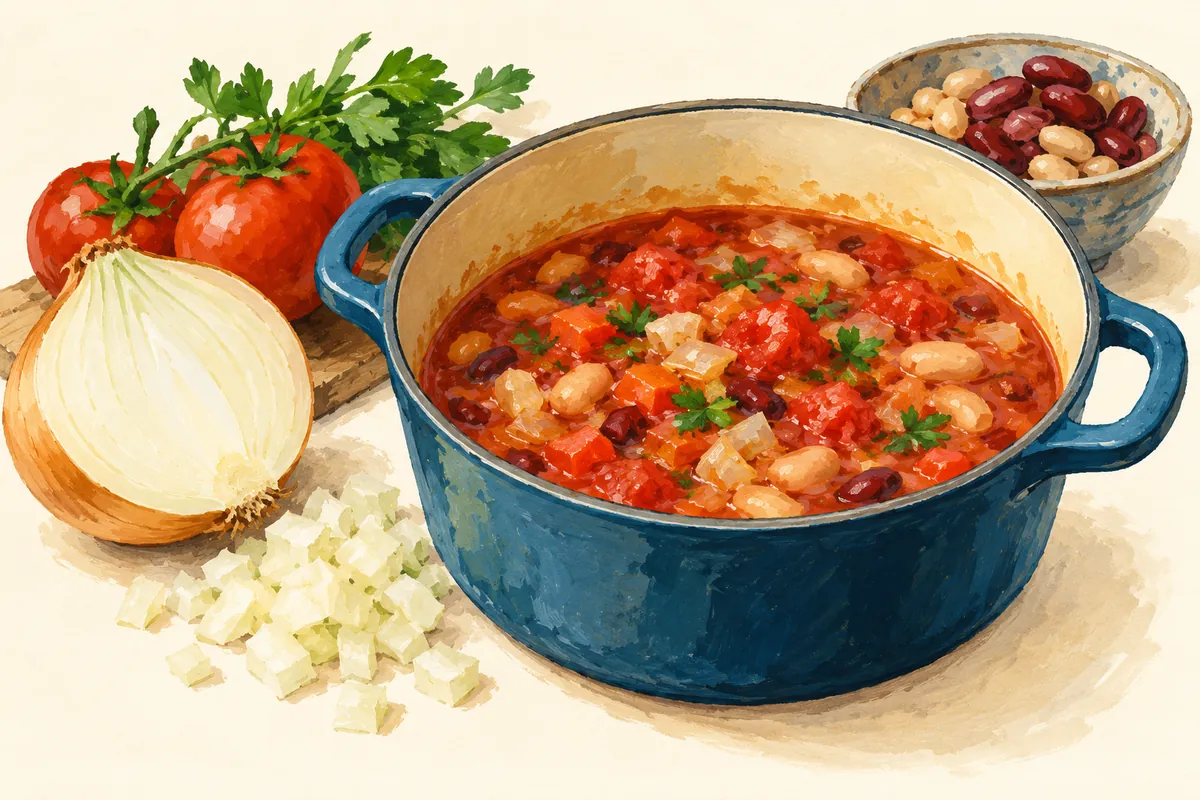
Chop the usable onion and soften it in a little oil before adding canned tomatoes, beans or vegetables. That turns it into the beginning of soup or a sauce rather than a separate item you have to serve. A small amount is often enough for a two-person pan.
If dinner is already under way, choose a dish where softened onion belongs rather than adding it to everything. Onion can change the flavor of a delicate sauce. If you chop more onion than you need, put it in a covered container in the refrigerator and use a clean utensil when taking some out.
2. An open can of tomatoes: make a small sauce
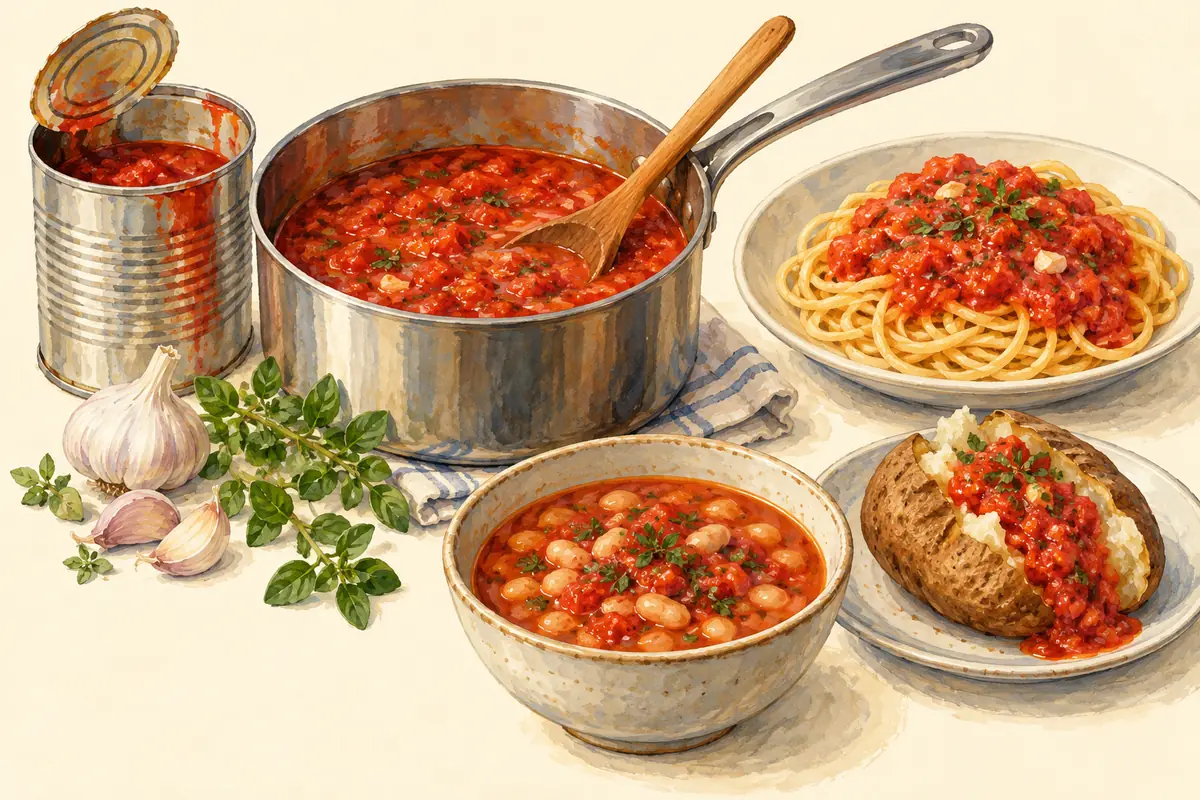
Simmer the tomatoes in a saucepan with garlic or oregano until they reach a consistency you like. Stir occasionally and add water if they begin to stick. Spoon the sauce over pasta, use it with a can of beans or serve it beside a baked potato.
If there isn’t enough for a main dish, treat it as part of the meal. A few tablespoons can go into a vegetable soup. Move unused tomatoes to a covered container and refrigerate them promptly. USDA says opened tomato products keep for 5–7 days in the refrigerator; freeze any portion you won’t use in that time. See USDA’s opened-can storage guidance.
3. A little plain yogurt: mix a dressing
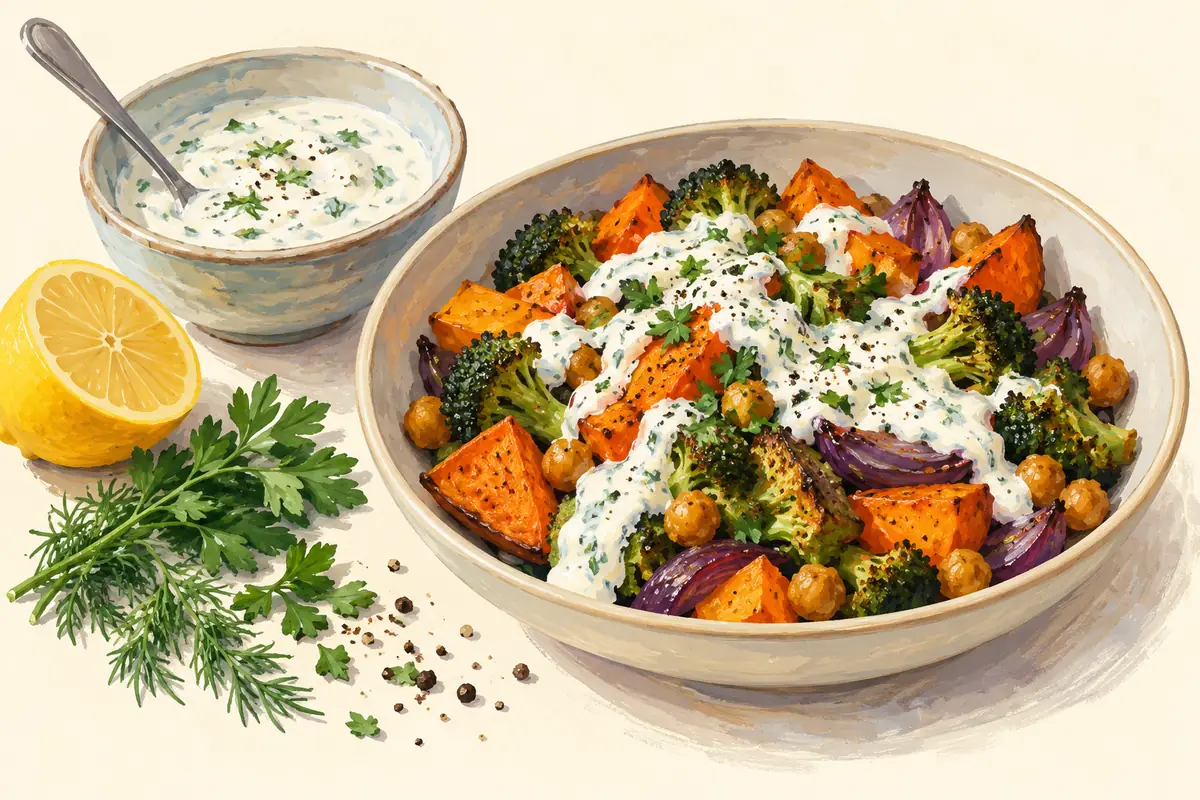
Stir plain yogurt with lemon juice a little at a time, then add black pepper and chopped herbs if you have them. Spoon over roasted vegetables or a bean bowl. Start with a few spoonfuls; it is easier to thin a dressing than to recover one that is too watery.
Sweetened yogurt will give a different result, so check the container before treating every yogurt as interchangeable. Keep the dressing cold and use a clean spoon. Dairy-free products have different flavors and textures; choose one you would enjoy eating rather than assuming it behaves like dairy yogurt.
4. Half a cabbage: choose wedges or shreds
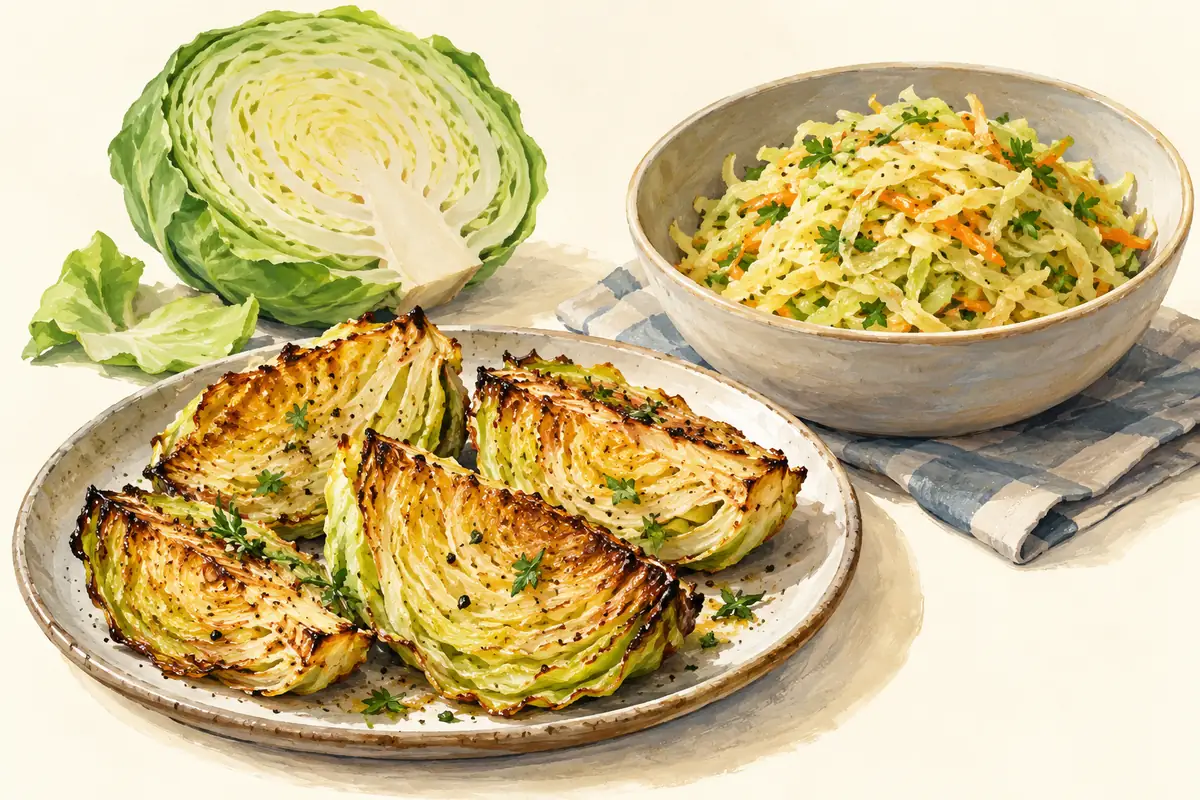
Roast thick wedges when you want a side with browned edges, or thinly shred the cabbage for soup or noodles. Choose the cooking method around the meal, then cut it accordingly. A thick wedge and a bowl of fine shreds won’t finish in the same time.
Remove damaged parts as appropriate and wash the usable produce under running water. Don’t try to disguise spoiled cabbage in a heavily seasoned dish. If you need ideas beyond slaw, these cabbage cooking methods give you several directions for the same vegetable.
5. A handful of spinach: add it near the end
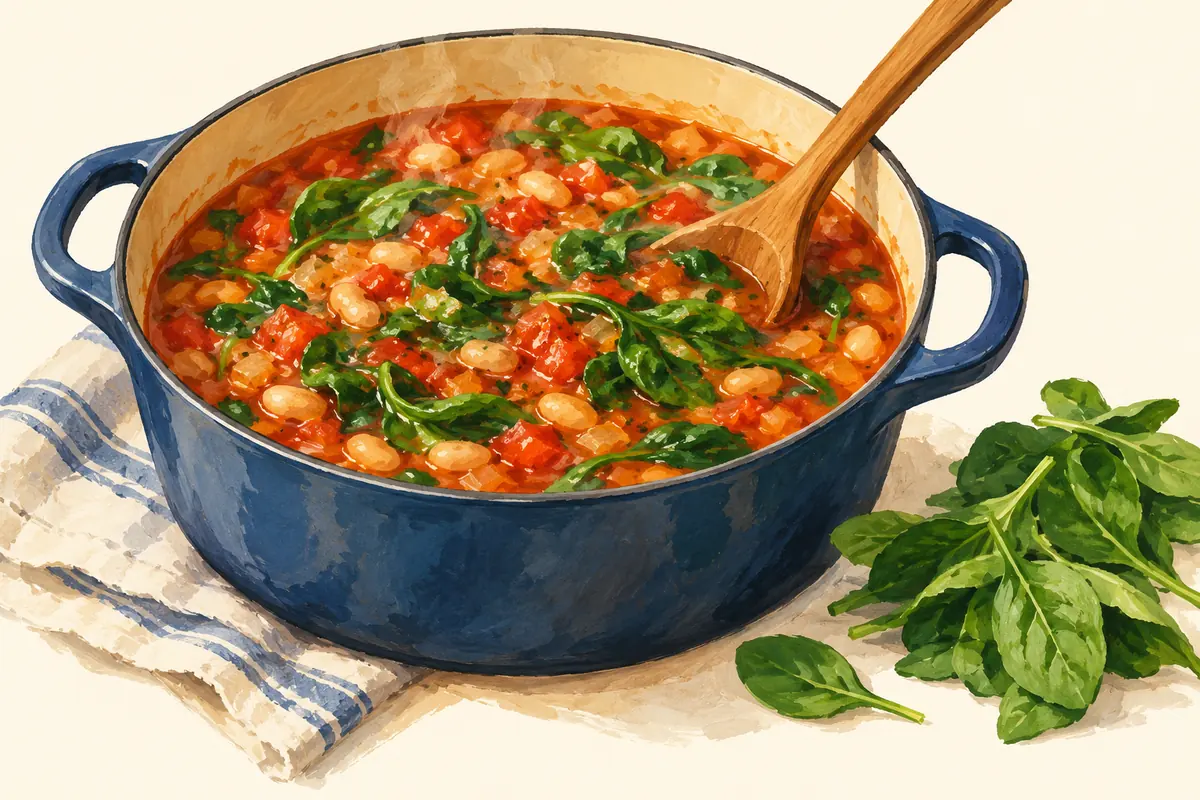
Fresh spinach can wilt into a simmering soup, tomato sauce or pan of beans. Add a small handful, stir and see whether you want more before emptying the bag. Its volume changes as it cooks, so the raw handful is only a starting point.
Follow the package’s washing and storage directions, including for ready-to-eat products. Discard questionable leaves rather than expecting heat to correct any problem. If your recipe needs a longer-cooking green such as kale, spinach isn’t a timing-for-timing replacement; add it later and judge by the texture you want.
6. A small amount of cooked rice: plan one proper use
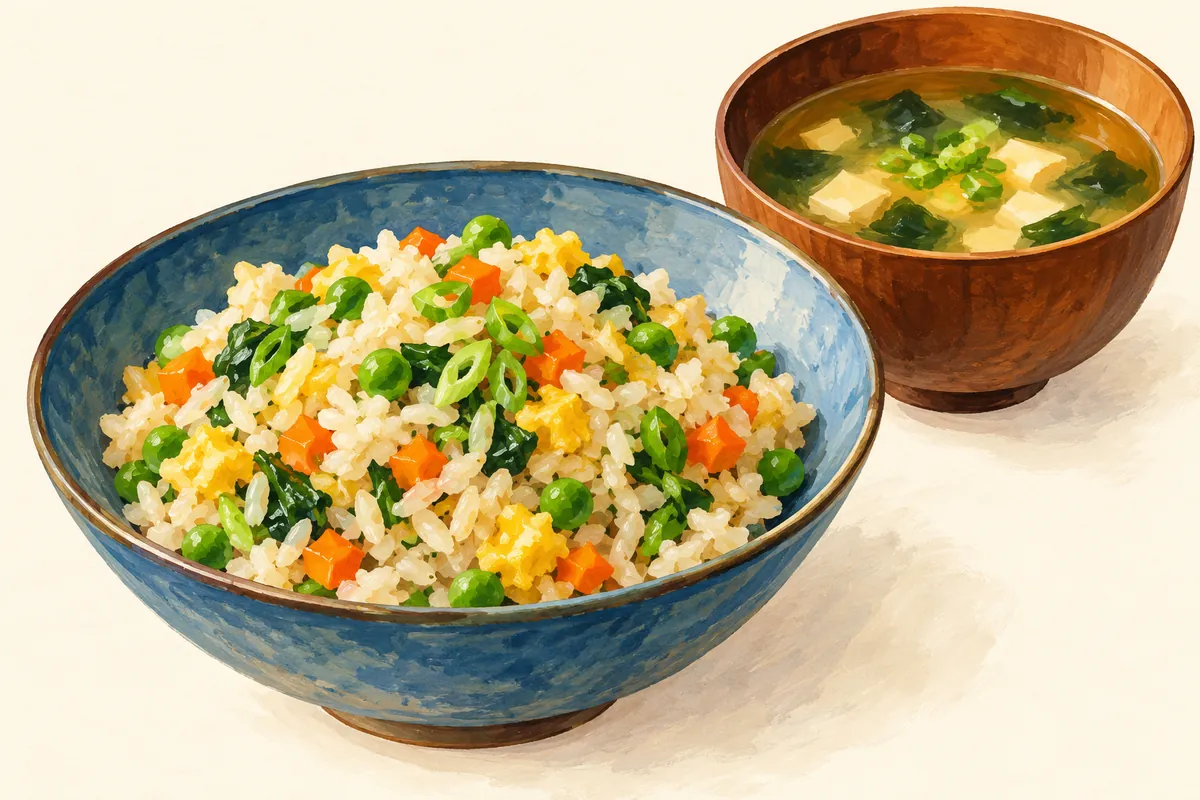
Use safely cooled and refrigerated rice in a thoroughly reheated rice-and-vegetable dish, or serve a reheated portion with soup. Keep track of when it was cooked. A little rice can accompany a meal without becoming enough fried rice for the whole household.
If you don’t know how long the rice stood warm or unrefrigerated, don’t use it. Reheating isn’t a fix for mishandling. Prepare fresh rice when that is the safer or simpler choice. Keep serving utensils separate from anything that touched raw ingredients during the rest of your cooking.
7. An opened can of beans: thicken a soup
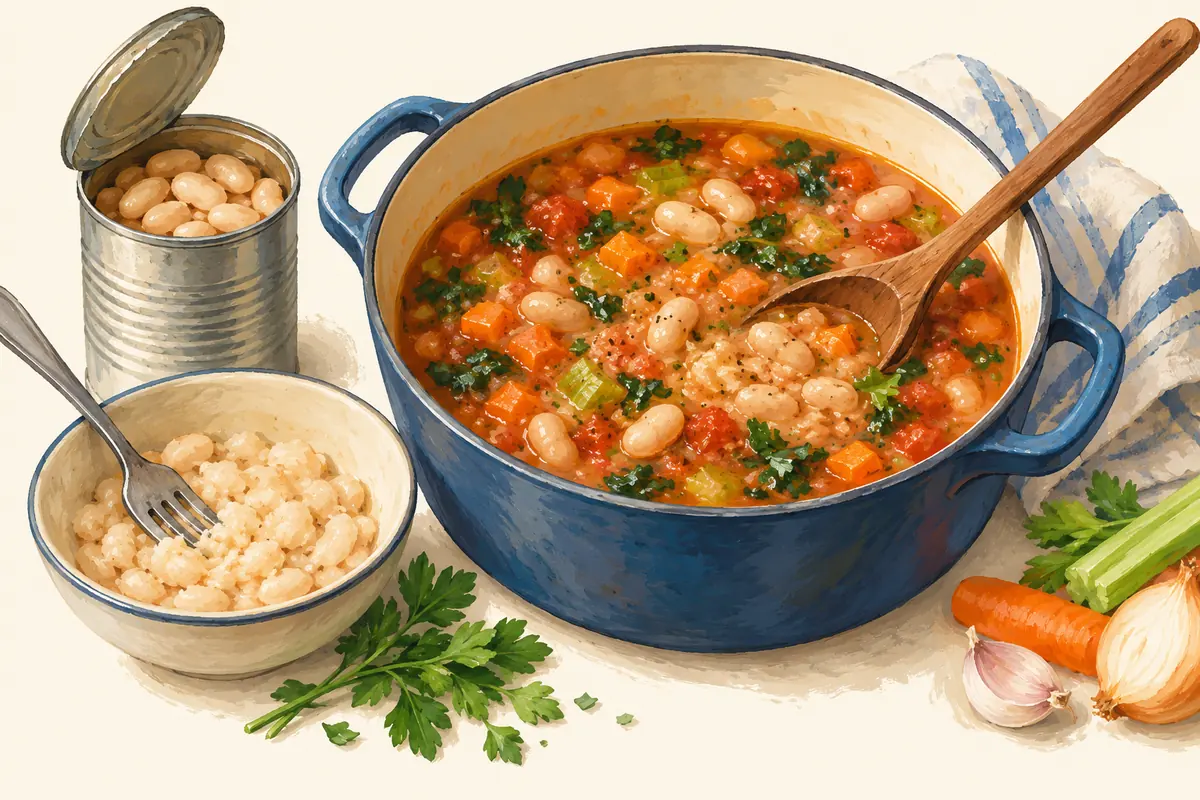
Mash a few spoonfuls of drained beans into a soup or sauce and leave some whole for texture. White beans suit a mild vegetable soup; black or pinto beans can join a tomato-and-cumin base. Add them in stages so they don’t overwhelm the amount of broth.
Use opened canned beans kept refrigerated within 3–4 days, or freeze them for longer storage. This idea makes a small amount useful; it does not extend the beans’ storage life. USDA lists storage times for opened canned foods. Check your soup’s seasoning after the beans go in, especially if the canned product contains salt. See our bean-dinner guide for fuller meals.
8. Part of a lemon: season the finished meal
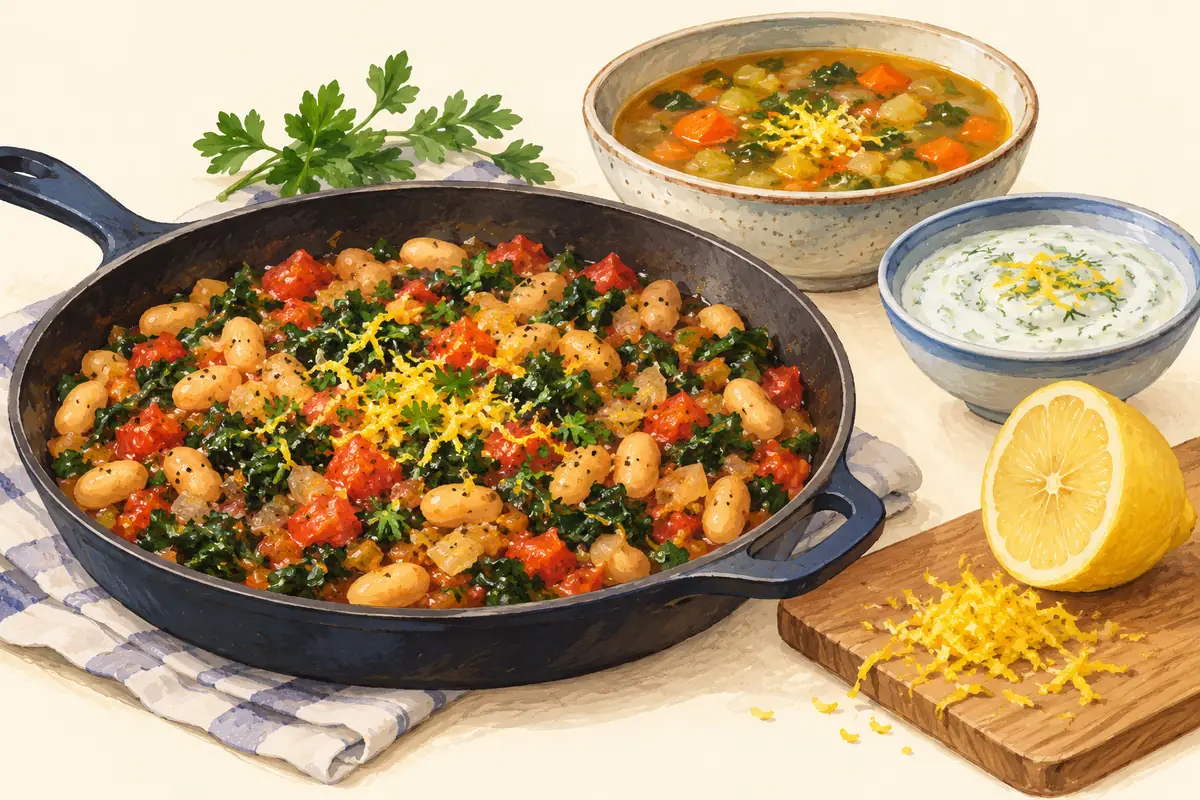
A little lemon juice can finish a bean skillet, a vegetable soup or a yogurt dressing. Add it after tasting the dish. You may need less than you expect, particularly if tomatoes or vinegar already supply acidity.
If using the zest, wash the lemon first and grate only the colored outer layer. Don’t add the whole remaining lemon just to empty the fruit bowl. The best use may be a small amount in two meals. Store the cut fruit appropriately and check its condition before using it.
9. A small piece of cheese: finish rather than fill
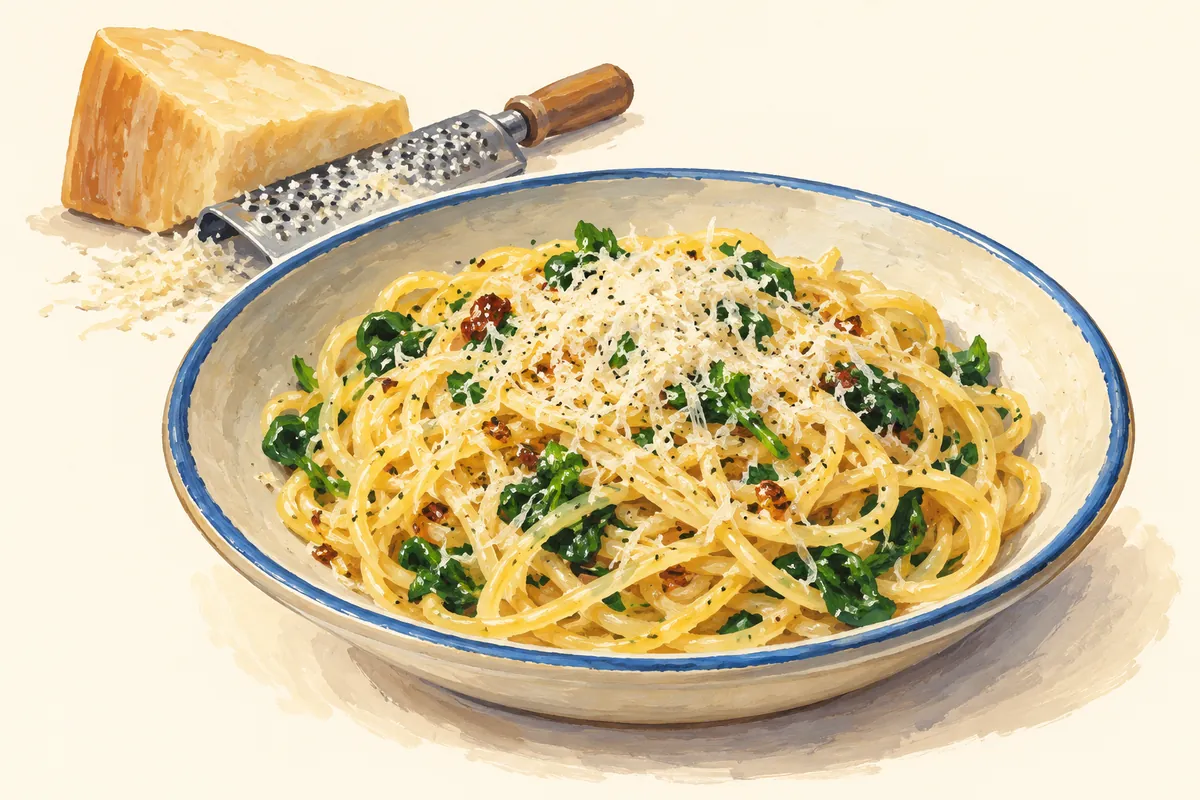
Grate a suitable cheese over pasta, a baked potato or a vegetable skillet. A modest piece can contribute flavor without needing to become the main filling in a new recipe. Choose a use that fits the cheese: a firm grating cheese and a soft spread behave differently.
Follow its package storage advice and use clean utensils. Don’t treat all cheeses as having the same rules when mold or spoilage appears. If you’re unsure whether a particular product is safe, discard it or check reliable product-specific guidance. Heating it isn’t a general solution to questionable storage.
10. A few mushrooms: give them space in the pan
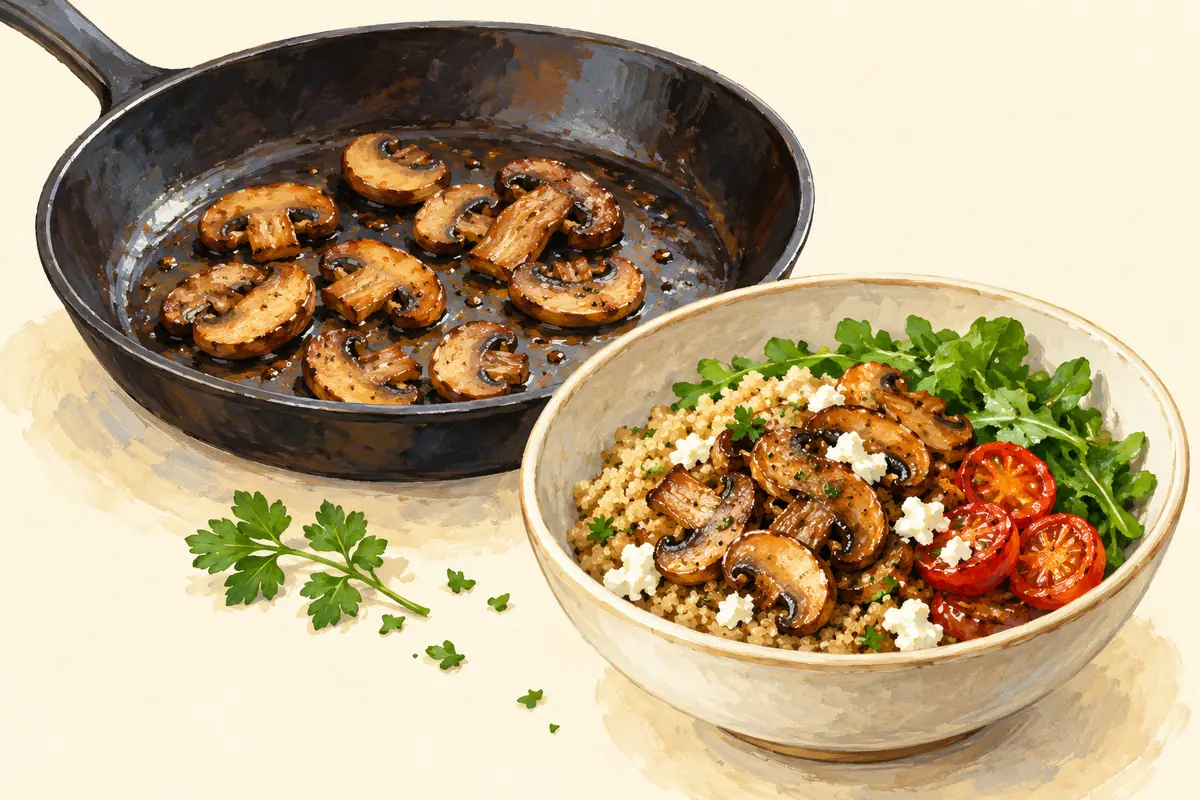
Slice usable mushrooms and cook them in a little oil in a wide pan until tender and beginning to brown. Add to a warm grain bowl, pasta or soup. If there are only a few, use them as a topping rather than trying to turn them into a whole dinner.
A crowded skillet makes a small amount of mushrooms easy to lose among other vegetables. Cook them first, then combine them with the rest. Check their condition before starting, and follow safe produce handling. Salt and sauces can go in gradually once you know how much topping you have.
11. The last portion of broth: use it where flavor matters
Use a small amount of suitable broth to loosen a bean sauce or help cook a pan of vegetables. If a recipe needs more liquid than you have, follow the recipe’s proportions and make up the difference with water where appropriate. Taste before adding salt.
Check when the broth was opened and how it has been stored. An open carton at the back of the fridge isn’t automatically safe because it smells familiar. Follow its label, and freeze suitable portions promptly if you won’t use them within the allowed time. Label the container so it isn’t mistaken for something else.
12. Bread that is becoming stale: make crisp pieces
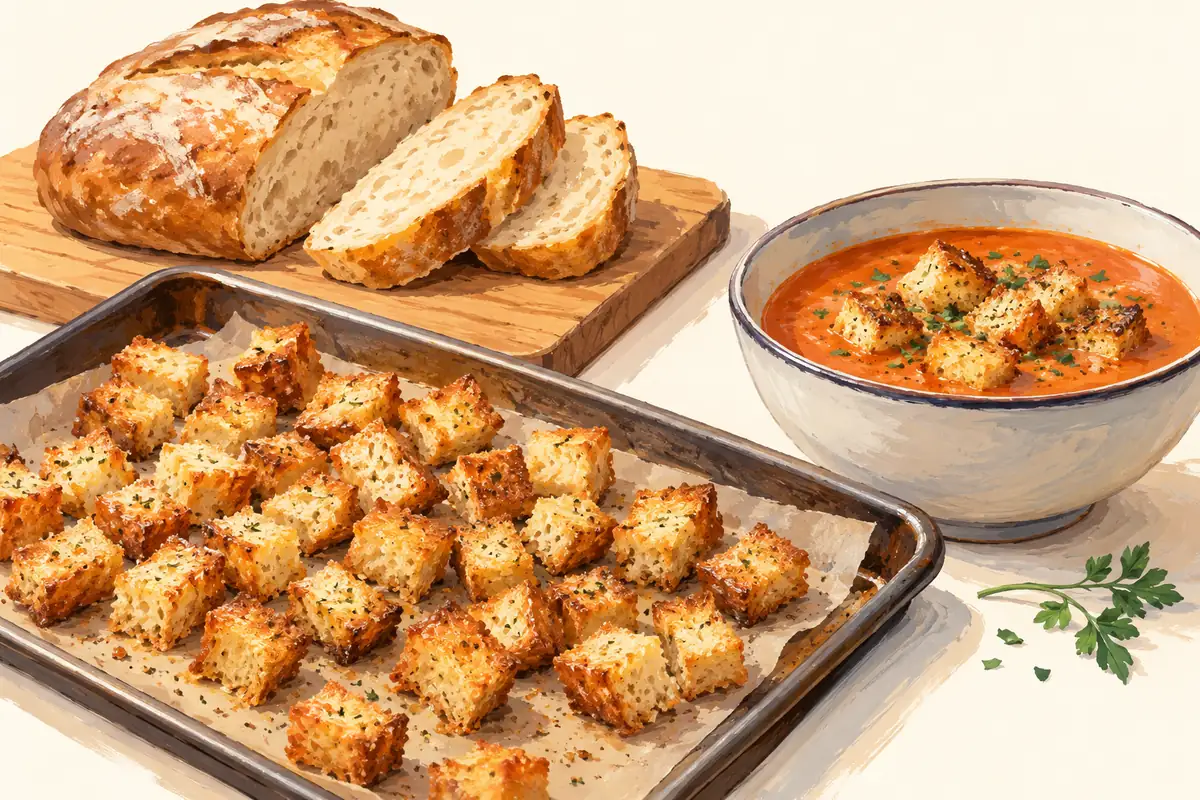
Bread that is simply stale, with no mold or other signs of spoilage, can become toast or small oven-crisped pieces for soup. Cut it into even pieces, toss lightly with oil if wanted and bake, checking frequently, until crisp. Store only after cooling.
Stale and moldy are different conditions; don’t turn moldy bread into croutons. Freeze suitable fresh bread earlier if you know you won’t finish it. Take out only the slices you need for toast. This works best as a habit before the loaf becomes a problem, rather than an attempt to save every last piece.
Plan around half-finished ingredients before shopping
If the same ingredient keeps coming back half-used, buy a smaller size or plan a second use before opening it. A larger package isn’t a saving when a substantial part is thrown away. For a more connected dinner plan, try one grocery list for five different meals.
Store cooked food safely
Keep the refrigerator at 40°F (4°C) or below. Refrigerate perishables promptly, use cooked leftovers within 3–4 days and reheat leftovers to 165°F (74°C). Follow USDA’s full guidance, including the shorter room-temperature limit in hot conditions.






5 thoughts on “12 Ways to Use Half-Finished Ingredients Before Your Next Grocery Trip”