Food habits, needs and daily routines can change as you get older. Shopping, appetite, medication and safe preparation may become as important as the recipe itself. These 13 habits are worth reviewing without blaming one food for aging or promising that another will reverse it. If weight, appetite or swallowing changes concern you, ask a qualified professional for advice.
Updated October 26, 2026
In this article
- Making sweet drinks your usual drink
- Relying on salty ready meals every day
- Leaving protein foods out of meals
- Eating very little because you fear weight gain
- Skipping vegetables because fresh ones go bad
- Forgetting fruit because preparation feels awkward
- Treating pastries as the only quick breakfast
- Eating the same few foods for weeks
- Using alcohol as a nightly health habit
- Buying supplements instead of planning meals
- Making processed meat the standard sandwich filling
- Ignoring food storage because it looks fine
- Trying to fix skin changes only through food
Make the routine easier to manage
Start by identifying the obstacle: getting to a shop, carrying bags, opening packaging, cooking, remembering meals or eating comfortably. A food list is more useful when it addresses that obstacle. The National Institute on Aging’s meal-planning guide offers ideas for building a varied routine.
- Choose a few familiar meals and write down the ingredients they share. Keep a suitable frozen or shelf-stable alternative for days when shopping is difficult.
- Ask for practical help with shopping or preparation if you need it. Place regularly used items where you can reach them safely.
- Bring concerns about unintended weight loss, poor appetite, chewing or swallowing to a clinician. Take your medicine and supplement list to appointments rather than changing a prescribed diet using a general article.
1. Making sweet drinks your usual drink

References
Sources checked October 11, 2026. General information; individual needs and rules can differ.
A drink can become automatic because it is the easiest thing to reach for. Keep water or an unsweetened option where you usually eat or relax, and make changes gradually if that suits you. There is no need to buy an expensive drink marketed for healthy aging; convenience and preference can help a simple choice last.
If soda or sweetened tea is what you reach for all day, try replacing one with water or an unsweetened option. Keep a drink you enjoy within reach. This is a practical change to your routine, not a claim that one bottle creates wrinkles or that extra water erases them.
2. Relying on salty ready meals every day
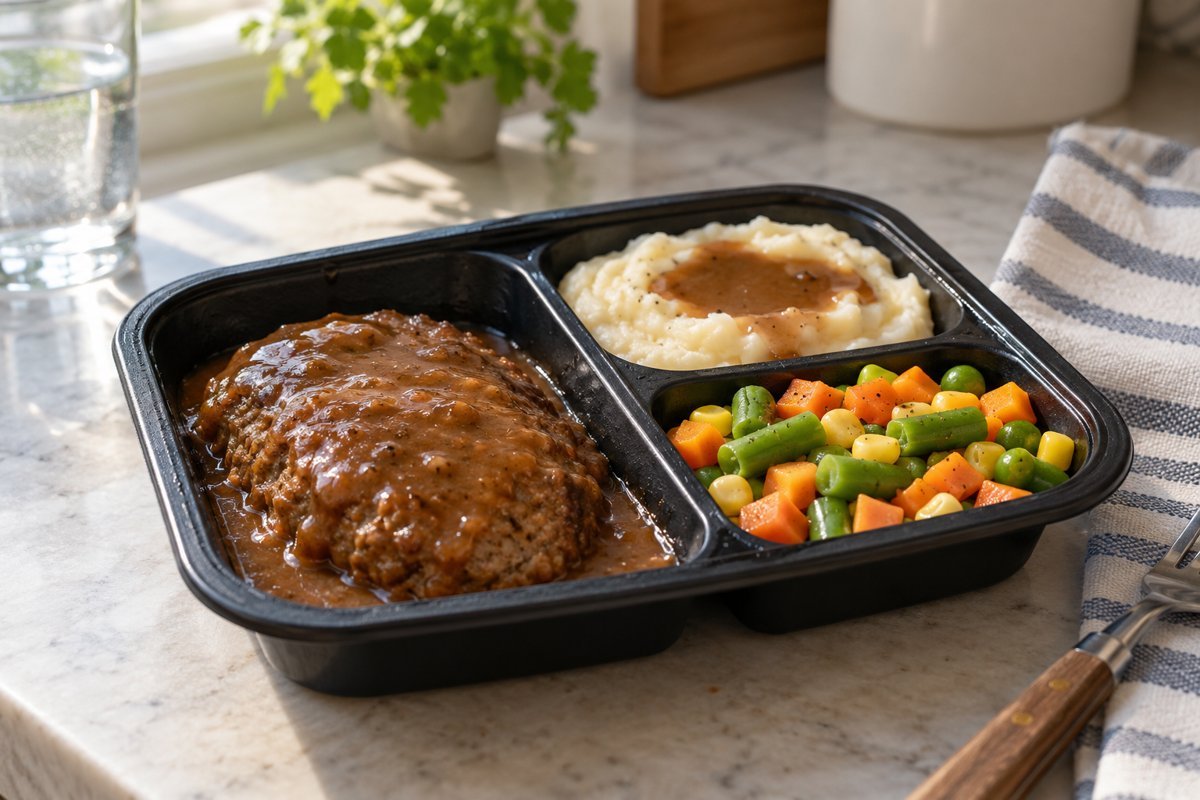
Ready meals can be helpful when cooking is difficult, and abandoning them may make eating less manageable. Compare sodium on similar portions and add a plain vegetable side where practical. The goal is a workable routine, not a rule that everything must be homemade. A medically prescribed diet needs individualized advice.
Ready meals can be helpful when cooking is difficult. Compare a few you enjoy and add a simple vegetable side where possible. You can also alternate them with easy meals such as eggs and toast or beans with rice. The aim is more choice without making dinner harder to manage.
3. Leaving protein foods out of meals
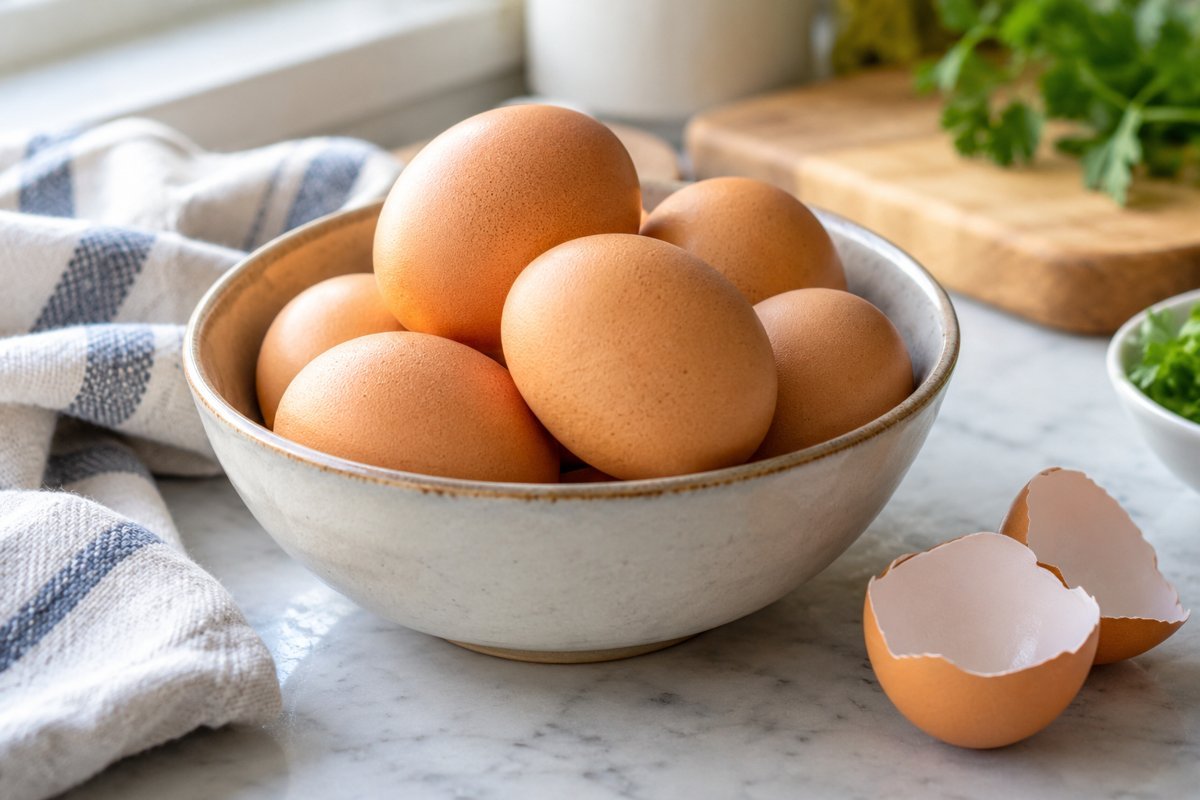
An ordinary meal can include a protein food without looking like a sports supplement advertisement. Think about the foods you already like and can prepare comfortably. Eggs, beans, yogurt and other suitable foods can be used in familiar dishes. Requirements and restrictions vary, so ask for tailored advice when a health condition affects them.
Think about whether a meal includes beans, eggs, fish, dairy, tofu or another protein food that fits your needs. You don't have to buy powders to make an ordinary plate more complete. Individual requirements differ, especially with kidney disease or other conditions, so use personal advice when you have it.
4. Eating very little because you fear weight gain

A smaller appetite can have several causes, including illness or problems with chewing, and deserves attention when it affects eating. Don't hide unintended weight loss behind a belief that it must be healthy. Smaller, manageable meals may be useful, but a clinician or dietitian should help when intake or weight is changing.
Unintentional weight loss or a poor appetite deserves attention. Don't assume eating less is always healthier as you age. Make meals manageable and ask for help if your weight is changing without trying. Restrictive online lists can be especially unhelpful when you already struggle to eat enough.
5. Skipping vegetables because fresh ones go bad

Fresh produce can create work as well as waste. A frozen portion added directly to a recipe or a suitable canned vegetable may be easier to use. Keep the form that fits your storage, strength and cooking routine. The best purchase is the one that actually reaches the plate safely.
Frozen or canned vegetables can be easier to keep ready. Add a portion to a soup, pasta dish or warm bowl. Choose a form and texture you can comfortably eat. A practical option used regularly is more helpful than fresh produce left untouched in the refrigerator.
6. Forgetting fruit because preparation feels awkward
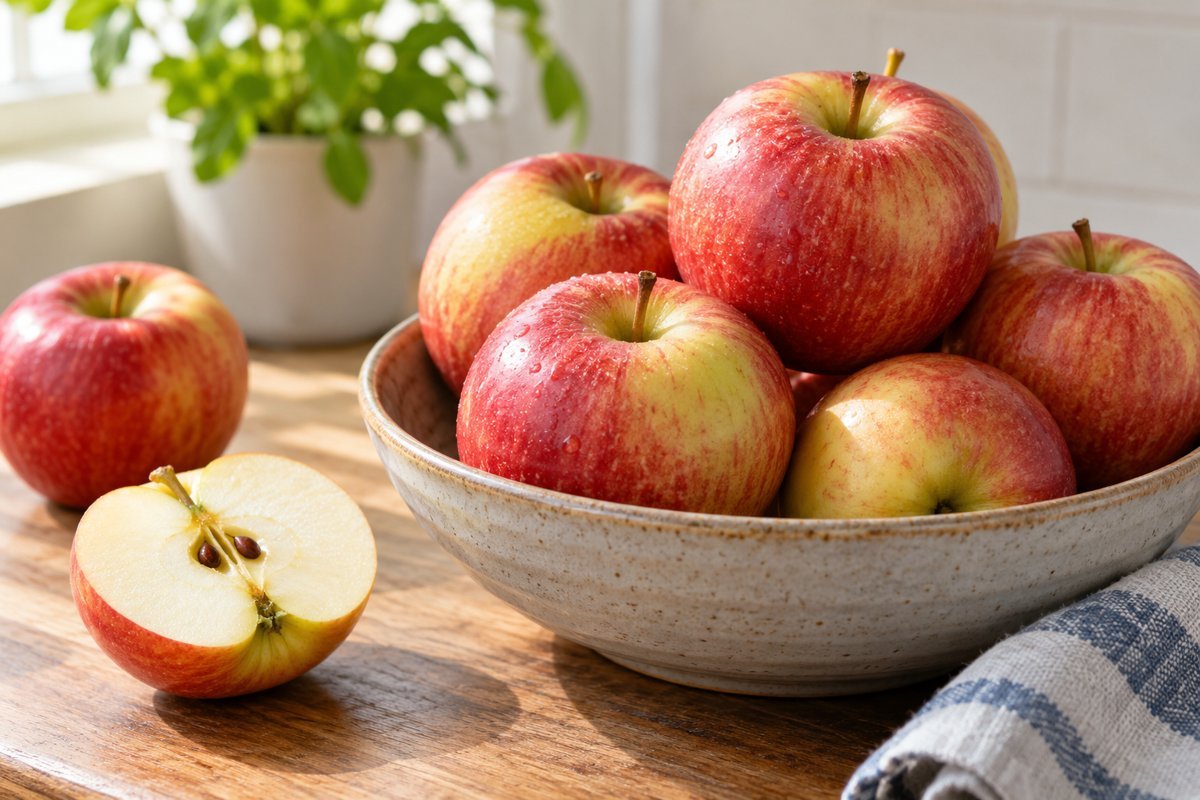
Preparing fruit may be difficult if opening containers or handling a knife has become uncomfortable. Choose a form you can manage safely and ask for help when needed. Texture changes should be guided by a professional if swallowing is a problem; soft food is not automatically the right solution for every person.
Try fruit that's easy for you to wash, peel or cut, or choose a suitable prepared option. Soft cooked fruit can be another way to use it. If chewing or swallowing is difficult, ask a professional about safe textures instead of copying someone else's meal plan.
7. Treating pastries as the only quick breakfast

A quick breakfast is more reliable when the ingredients are visible and ready. Bread in the freezer, plain oats or a yogurt you enjoy can give you another option without a long recipe. Keep access and safe preparation in mind. An elaborate breakfast plan isn't helpful when getting around the kitchen is the real difficulty.
There are other short breakfasts: oats, yogurt with fruit, or toast with an egg. Keep the ingredients where you can reach them easily. A pastry can still be enjoyed; the useful change is having another option available when it has become the automatic choice every day.
8. Eating the same few foods for weeks

Variety can begin with one addition to a familiar dish. If soup is a regular meal, try a different vegetable or a suitable bean; if toast is usual, change the topping. There is no need to replace comforting foods all at once. The practical aim is a broader routine you can keep.
Familiar meals are comforting and convenient. Keep them, then add one new side or ingredient at a time. Beans in a soup or a different vegetable beside dinner can broaden the routine. Variety doesn't require complicated recipes or a shopping list full of specialty products.
9. Using alcohol as a nightly health habit

Alcohol advice can change with medicines, balance problems and other health needs. A headline about wine should not outweigh those individual concerns. Ask a pharmacist or clinician if you take medication, and don't start drinking for a supposed anti-aging benefit. A nonalcoholic evening ritual can still feel familiar.
Alcohol isn't needed for healthy aging. It can also interact with medicines, and the effects of drinking can change with age. If you take medication, ask your pharmacist or clinician about alcohol. Don't rely on a headline about wine to make that decision for you.
10. Buying supplements instead of planning meals
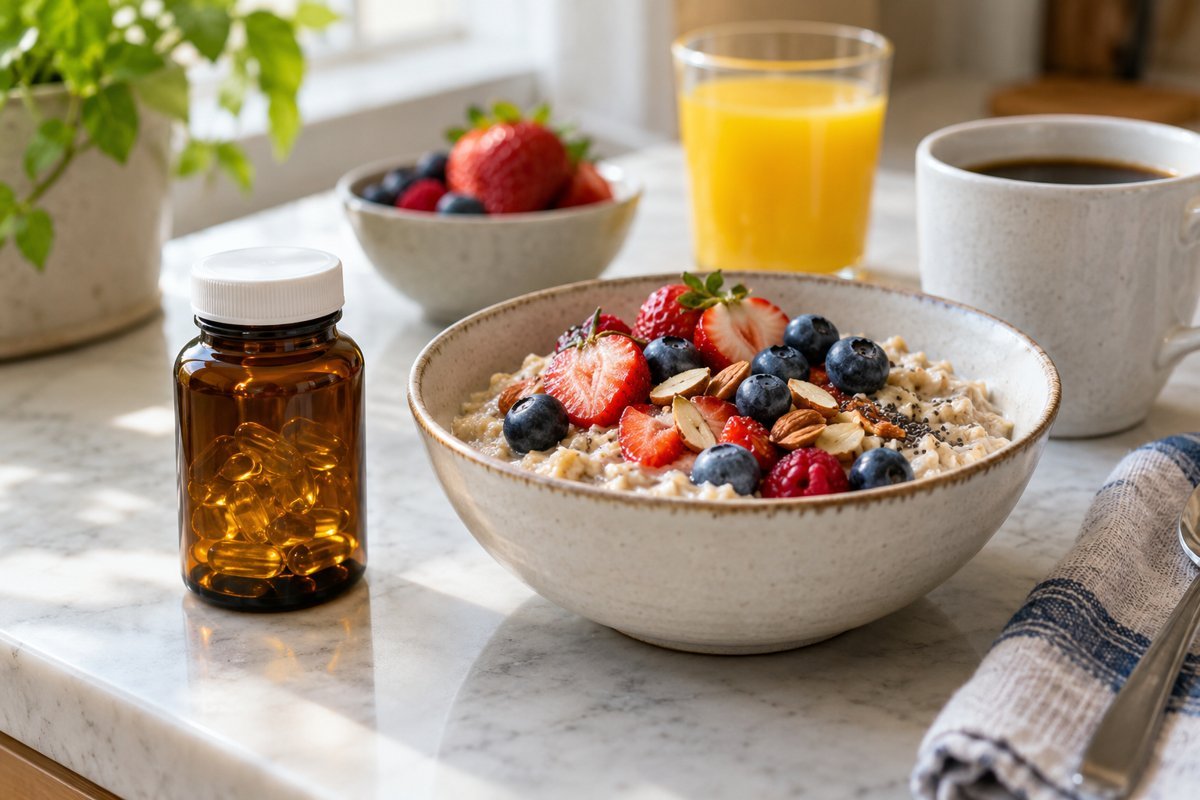
A product can be sold with impressive promises without being useful for your situation. Before buying a supplement, check the reason you would take it and whether it interacts with medication. A recommended supplement for a specific deficiency is different from a general promise to reverse aging. Bring the label to a qualified professional.
A supplement may be recommended for a specific reason, but it doesn't replace ordinary food. Ask before adding products, especially if you take medicines. Save your money for meals you'll use unless you have a clear need. Claims that a powder reverses aging deserve careful scrutiny.
11. Making processed meat the standard sandwich filling

A filling is one part of a sandwich, so rotating it can be a small change within a comfortable meal. Think about texture, allergies and storage along with variety. Hummus or cooked egg may suit one person and not another. A discussion of processed meat should not be exaggerated into a claim about the cause of wrinkles.
Rotate the filling you use most often. Hummus, egg, beans or another suitable option can change lunch without a whole new recipe. WHO's processed-meat guidance concerns long-term health, not a measured effect on wrinkles. Keep those claims separate when choosing what to eat.
Source: WHO: processed-meat evidence.
12. Ignoring food storage because it looks fine
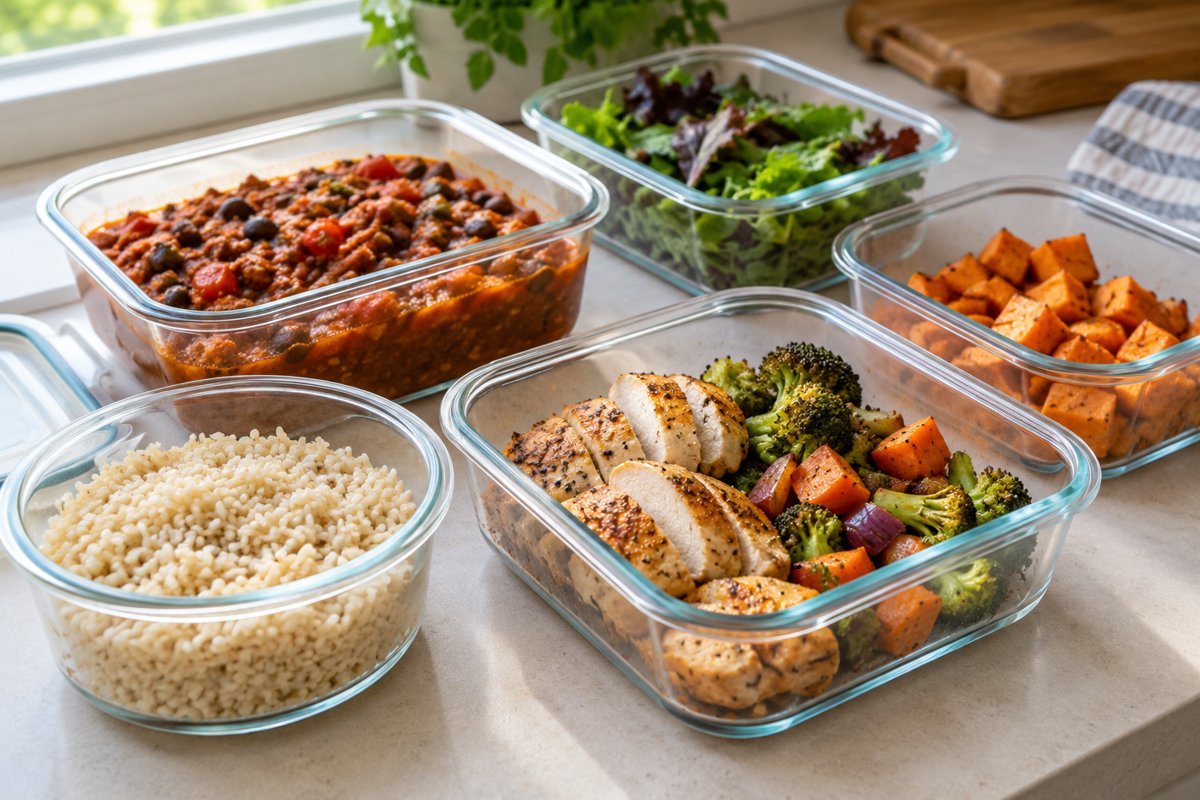
Food safety becomes harder when dates are hard to read or remembering when leftovers were made is difficult. Label cooked containers with a date, and keep reliable storage guidance handy. Ask for support if needed. Saving a few leftovers is not worth taking a chance with food whose handling you cannot establish.
Looks and smell can't confirm that every food is safe. Follow storage instructions and use leftovers within reliable guidance. Keep perishable food cold and reheat it appropriately. Older adults can be more vulnerable to foodborne illness, so handling food safely belongs in a healthy routine.
13. Trying to fix skin changes only through food
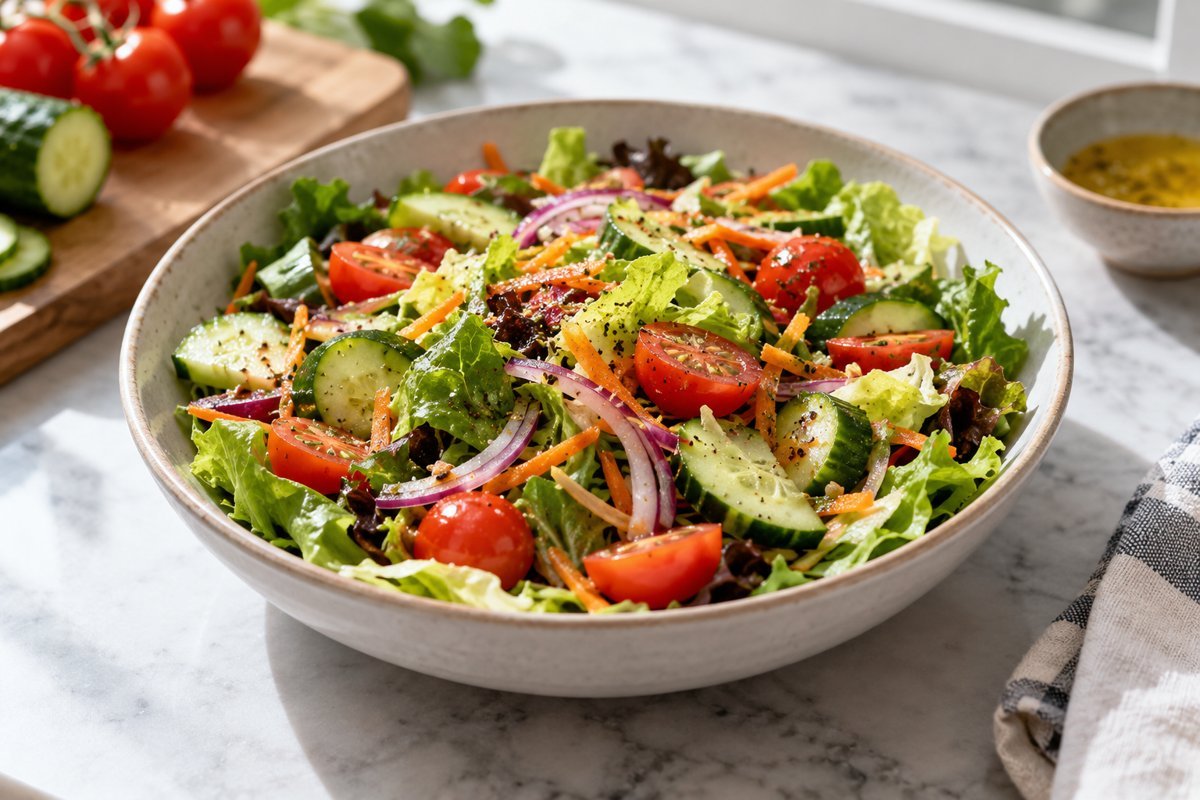
Claims about a single food making skin look younger often leave out the many other factors involved. Enjoy varied meals for their broader value without expecting them to erase time or repair a worrying skin change. A dermatologist can assess a concern that a shopping list cannot.
A balanced diet is useful, but skin care and sun protection matter too. An expensive 'anti-aging' food isn't a substitute for those habits. If a skin change worries you, get it checked. You don't need to blame yourself or your last meal for the normal process of getting older.
Choose the habit that's easiest to improve this week. Stock a simple breakfast, put a vegetable option in the freezer, or ask about a medication interaction. If you need help shopping or cooking, that is a practical need worth discussing. Good food routines should make daily life easier, not give you another list of reasons to worry.
Keep reading: 25 Budget-Friendly Foods for Simple, Balanced Meals or 12 Lunch Choices Worth Rethinking—and What to Try Instead.





3 thoughts on “13 Food Habits Worth Reviewing as You Get Older”