Page 2 of 3 · Items 6–10
6. Forgetting fruit because preparation feels awkward
Try fruit that’s easy for you to wash, peel or cut, or choose a suitable prepared option. Soft cooked fruit can be another way to use it. If chewing or swallowing is difficult, ask a professional about safe textures instead of copying someone else’s meal plan.
7. Treating pastries as the only quick breakfast
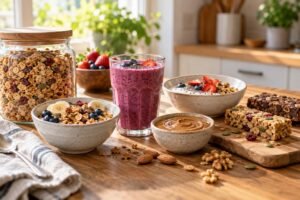
There are other short breakfasts: oats, yogurt with fruit, or toast with an egg. Keep the ingredients where you can reach them easily. A pastry can still be enjoyed; the useful change is having another option available when it has become the automatic choice every day.
8. Eating the same few foods for weeks
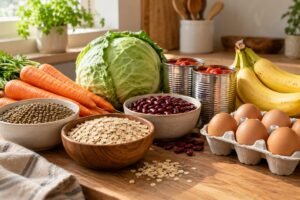
Familiar meals are comforting and convenient. Keep them, then add one new side or ingredient at a time. Beans in a soup or a different vegetable beside dinner can broaden the routine. Variety doesn’t require complicated recipes or a shopping list full of specialty products.
9. Using alcohol as a nightly health habit
Alcohol isn’t needed for healthy aging. It can also interact with medicines, and the effects of drinking can change with age. If you take medication, ask your pharmacist or clinician about alcohol. Don’t rely on a headline about wine to make that decision for you.
10. Buying supplements instead of planning meals
A supplement may be recommended for a specific reason, but it doesn’t replace ordinary food. Ask before adding products, especially if you take medicines. Save your money for meals you’ll use unless you have a clear need. Claims that a powder reverses aging deserve careful scrutiny.