Your breakfast choices need to fit your appetite, schedule and storage options. These 15 choices can create practical problems, from a drink replacing food to yogurt traveling without cooling. Each page explains the issue and an ordinary way to adjust it. There is no single breakfast that everyone must eat.
Updated October 18, 2026
In this article
- Coffee with nothing to eat when you're hungry
- A breakfast too small for your plans
- A meal so large it feels uncomfortable
- A very sweet drink in place of breakfast
- Toast with no topping or side when you need more
- A smoothie recipe with no clear portion
- A bar that you don't actually enjoy
- A breakfast made only from leftovers of snacks
- Adding every topping without tasting
- Choosing dairy despite a known intolerance
- Trying a new supplement with breakfast
- Using energy drinks to cover a difficult routine
- Packing yogurt without keeping it cold
- Eating from a container that has several servings
- Having no fallback when your plans change
1. Coffee with nothing to eat when you're hungry
References
Sources checked October 11, 2026. General information; individual needs and rules can differ.
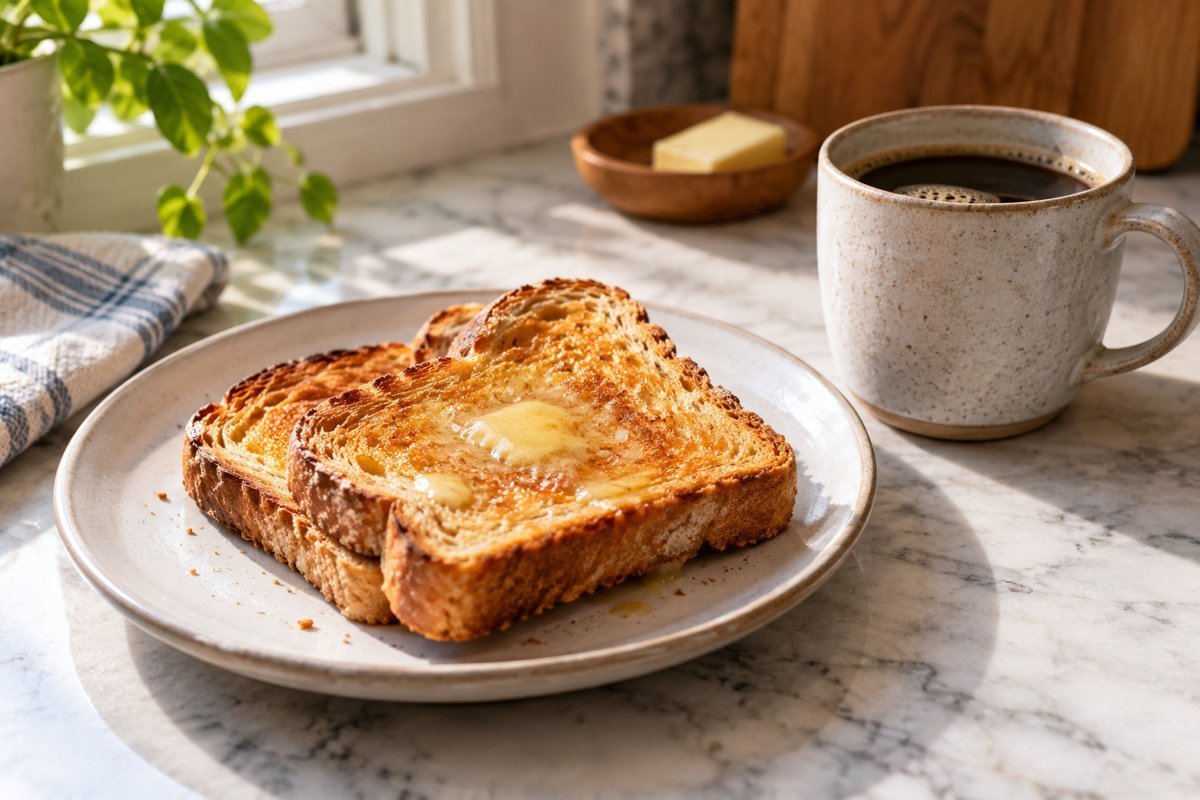
Coffee may be the part of the morning you look forward to, but it doesn't tell you whether you've had enough food. If hunger is the reason you're uncomfortable, more caffeine is a different choice from breakfast. Keep one simple option ready so that a delayed meal is a decision rather than an accident.
If you wake up hungry, coffee alone may not be the breakfast you wanted. Keep something simple available: toast, oats or a suitable yogurt. You can still have the coffee. Notice what works for you rather than following a rigid rule about the only correct time to eat.
2. A breakfast too small for your plans
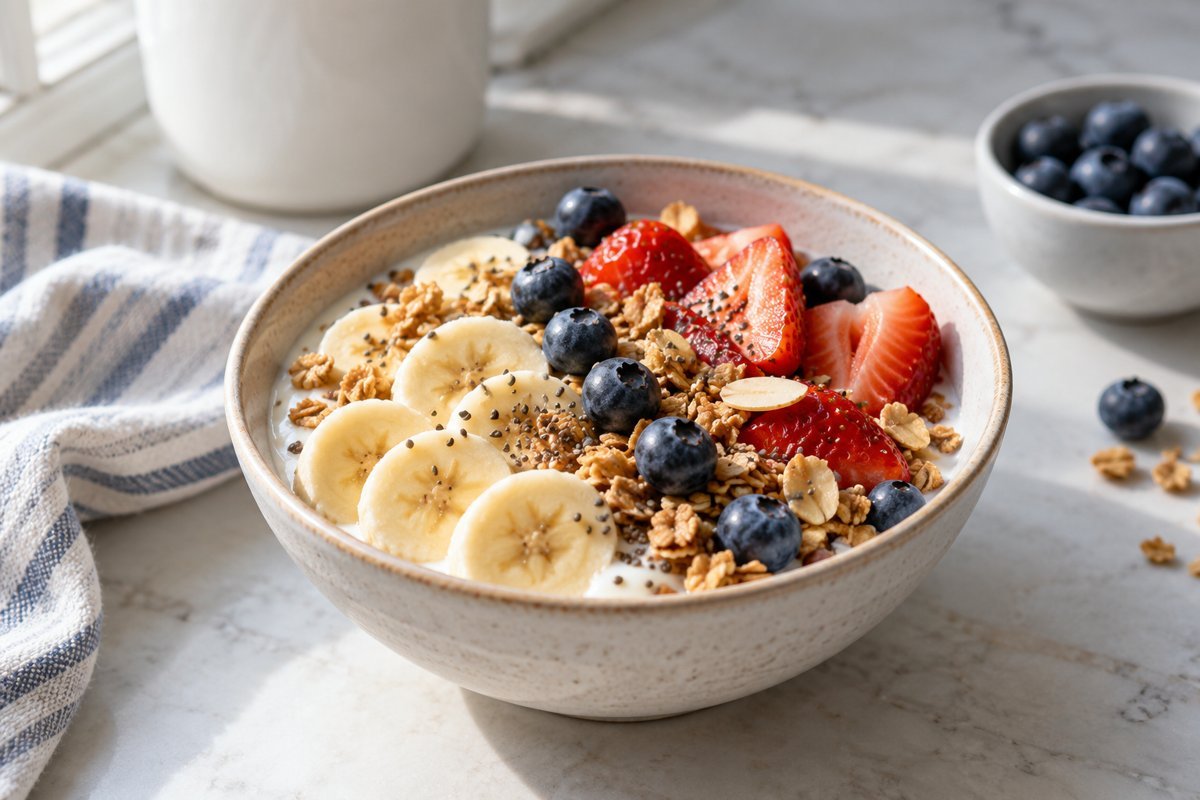
A morning at home and one with a long commute may give you different opportunities to eat. Think ahead to the next meal without assuming that everyone's breakfast should be the same size. If your schedule changes, a packed snack can be more useful than trying to force a very large meal early.
A few bites may be enough on one morning and inadequate on another. Think about when you'll next be able to eat and whether you need to pack a snack. You don't need to copy someone else's portions. Build a routine around your appetite, activities and any personal medical advice.
3. A meal so large it feels uncomfortable
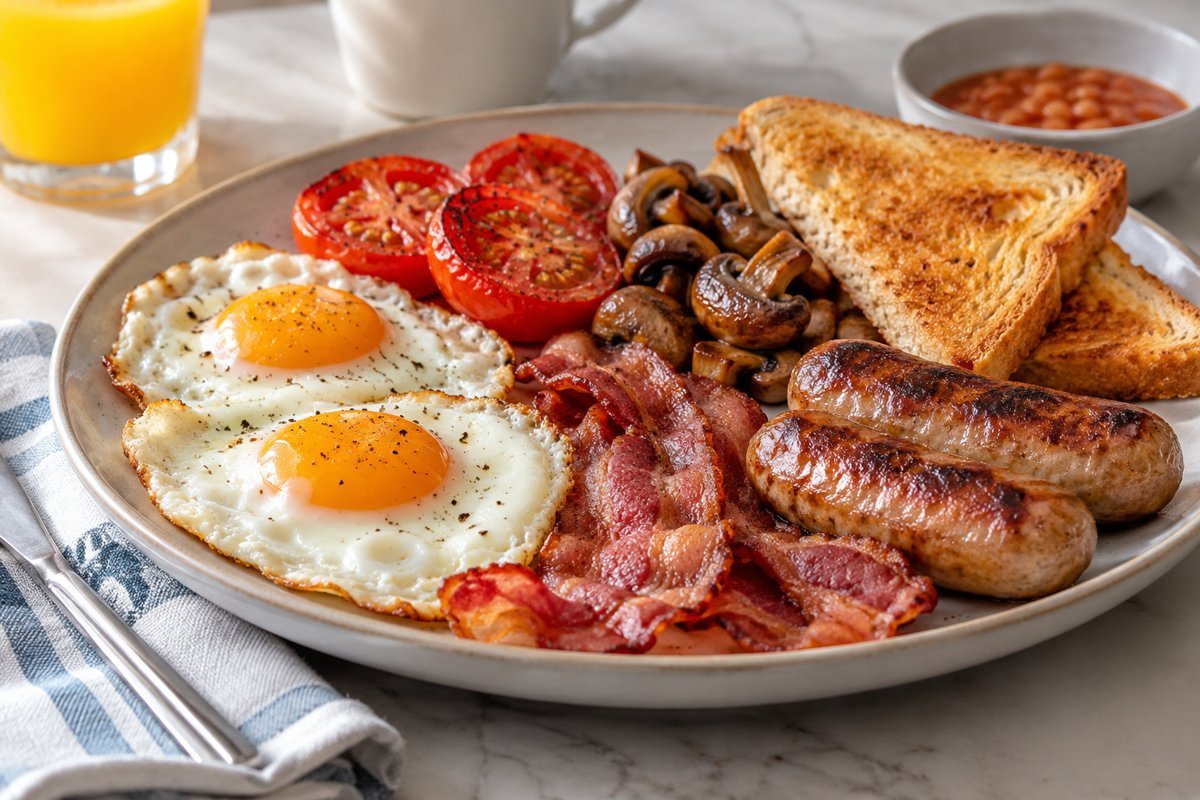
A meal deal can encourage you to order extra food because it looks better value. Value also includes comfort and waste. Choose the parts you actually want, and check whether leftovers can be stored safely before deciding to take them. A photograph of a large breakfast is not a recommended portion.
An oversized restaurant breakfast may not suit a morning of travel or work. Order the parts you want, share if appropriate, or take leftovers only if you can store them safely. More food isn't always more useful. Choose an amount you can enjoy without feeling obliged to clear the plate.
4. A very sweet drink in place of breakfast
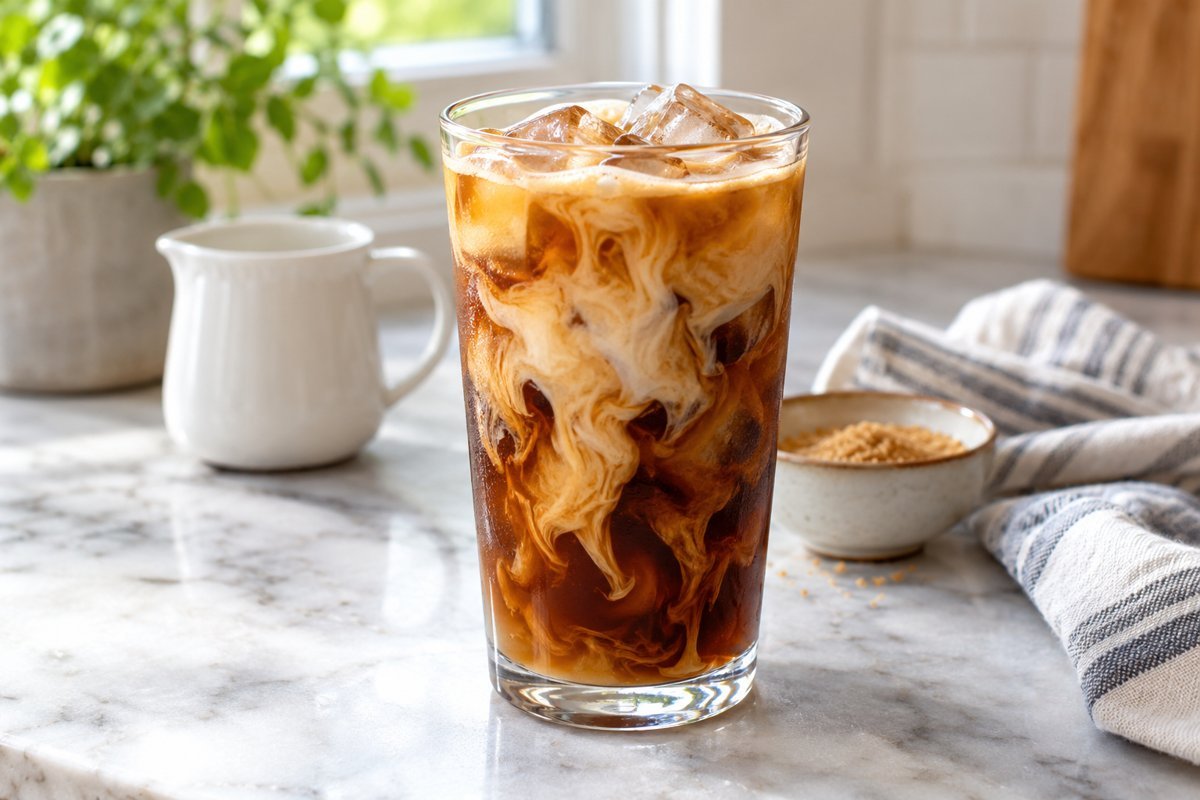
The extras in a drink can be easy to forget because they arrive in one cup. A food label or café menu can help you see what it contains. Separate the drink order from the question of what you want to eat, especially when a sweet drink has become the only thing you pick up.
A large flavored coffee or fruit drink can become the whole morning meal by accident. Try having food alongside a smaller drink. That might be toast and an egg or yogurt with oats. The point is to plan the meal you want, instead of letting a drink order make the decision.
5. Toast with no topping or side when you need more
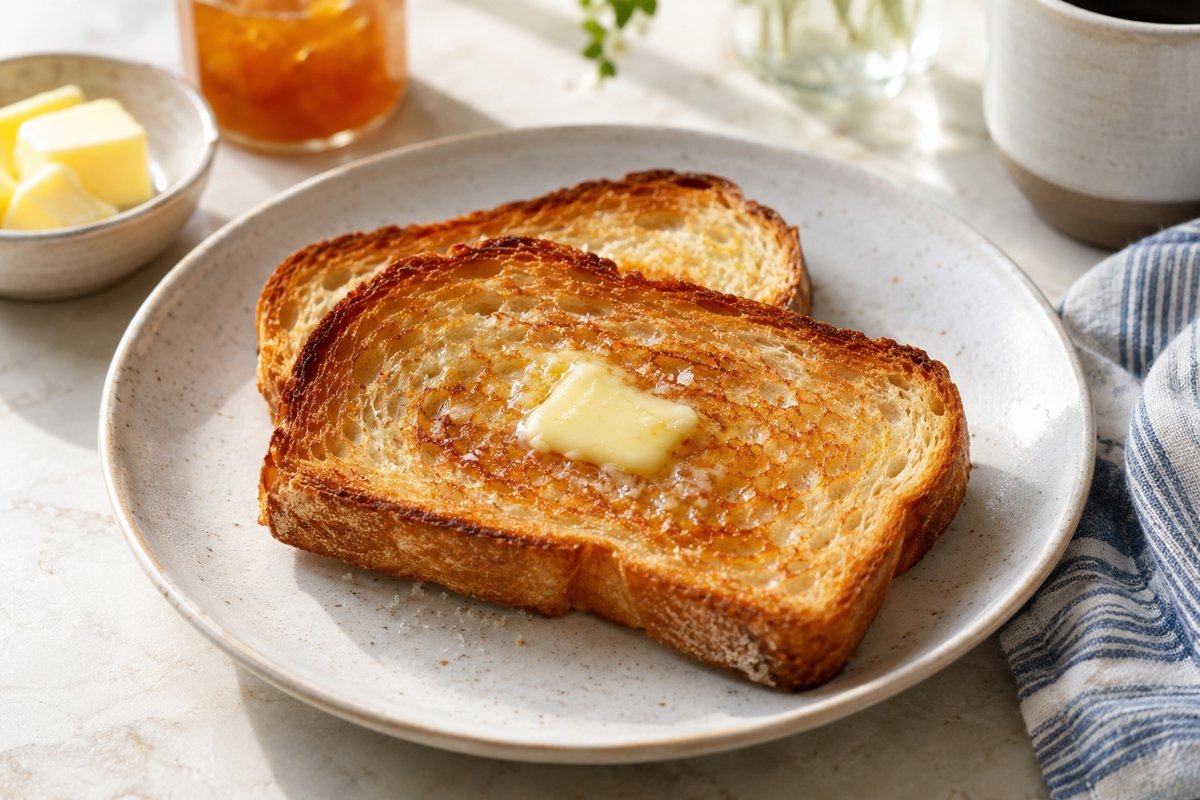
Toast is a useful base because it is quick and familiar. Its topping can change the meal without requiring a different kitchen routine. Keep a suitable topping close at hand, and think about an easy side when you know you'll want more. You don't need a complicated recipe to add variety.
Plain toast can be part of breakfast, but it may not be enough for your appetite. Try adding egg, beans, nut butter or another suitable topping. Fruit can go beside it. Keep the solution familiar so it doesn't turn a two-minute meal into an elaborate cooking project.
6. A smoothie recipe with no clear portion
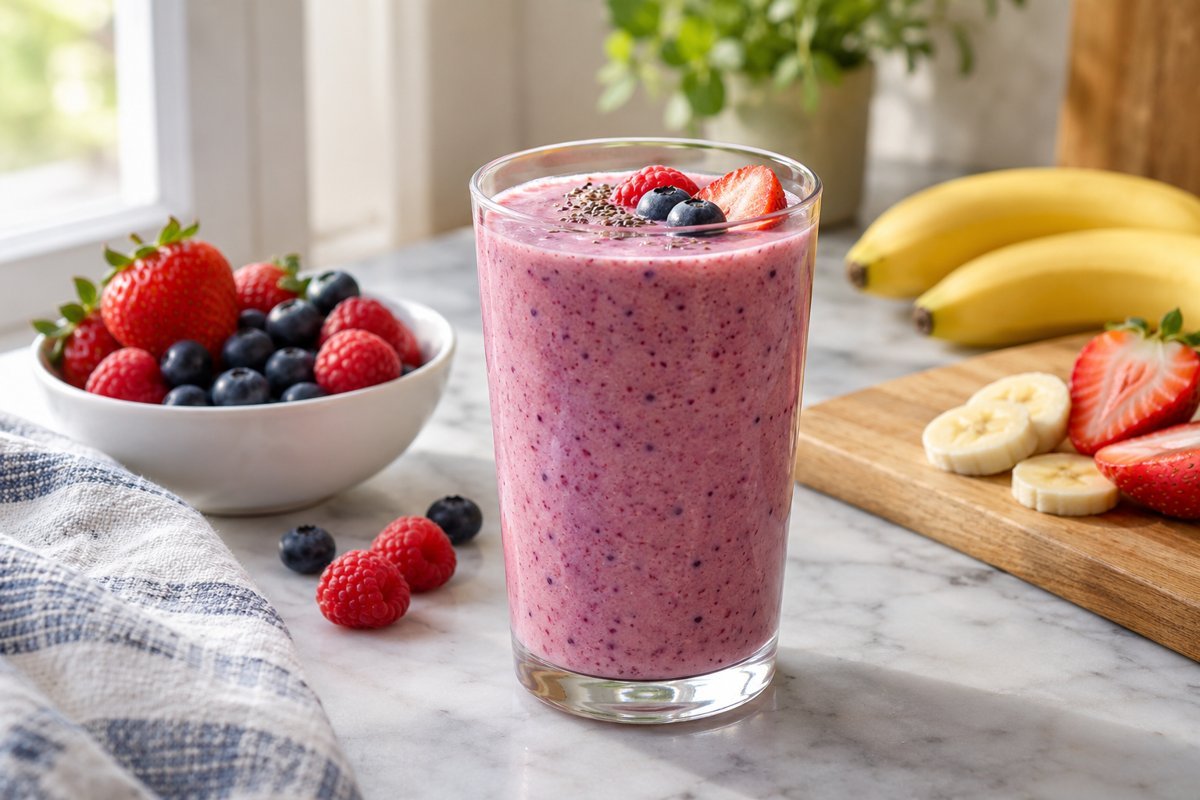
A large blender jug makes it easy to create several servings by accident. Start with amounts for one person, and see how much the recipe makes before adding more ingredients. A homemade drink can be carefully chosen, but being homemade alone doesn't establish its size or suitability.
Blending a little of everything can make much more than you meant to drink. Start with a recipe for one serving and adjust it after trying it. Save any extra safely. Knowing the amount is more useful than assuming a homemade drink automatically matches your needs.
7. A bar that you don't actually enjoy
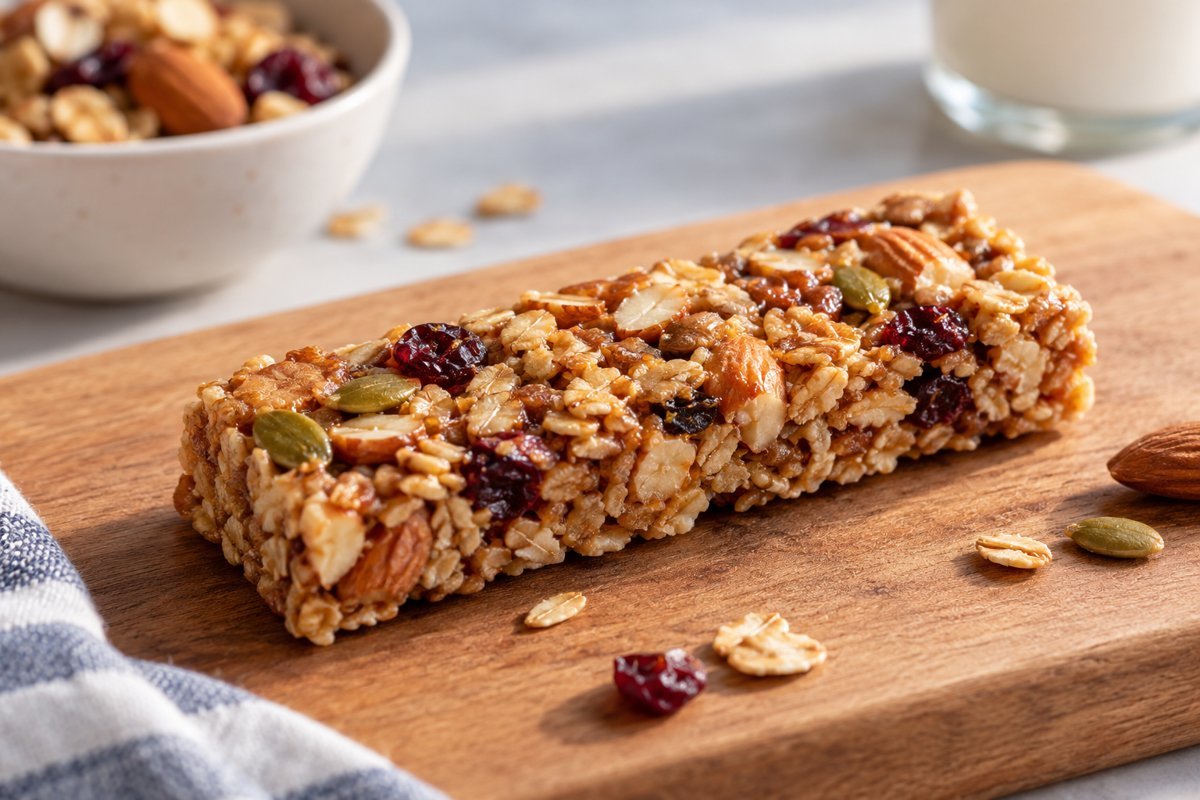
A convenient food must also be one you'll use. Buying a box of bars that you dislike can leave you without the backup you thought you had. Try a single bar first if possible, and keep allergy suitability in mind. A familiar alternative may be both cheaper and more reliable.
A supposedly healthy breakfast isn't helpful if you leave it in your bag and buy something else. Keep a portable food you'll eat, whether that's a suitable bar, fruit or a sandwich. Convenience and preference matter. You can compare labels within the foods that genuinely work for you.
8. A breakfast made only from leftovers of snacks
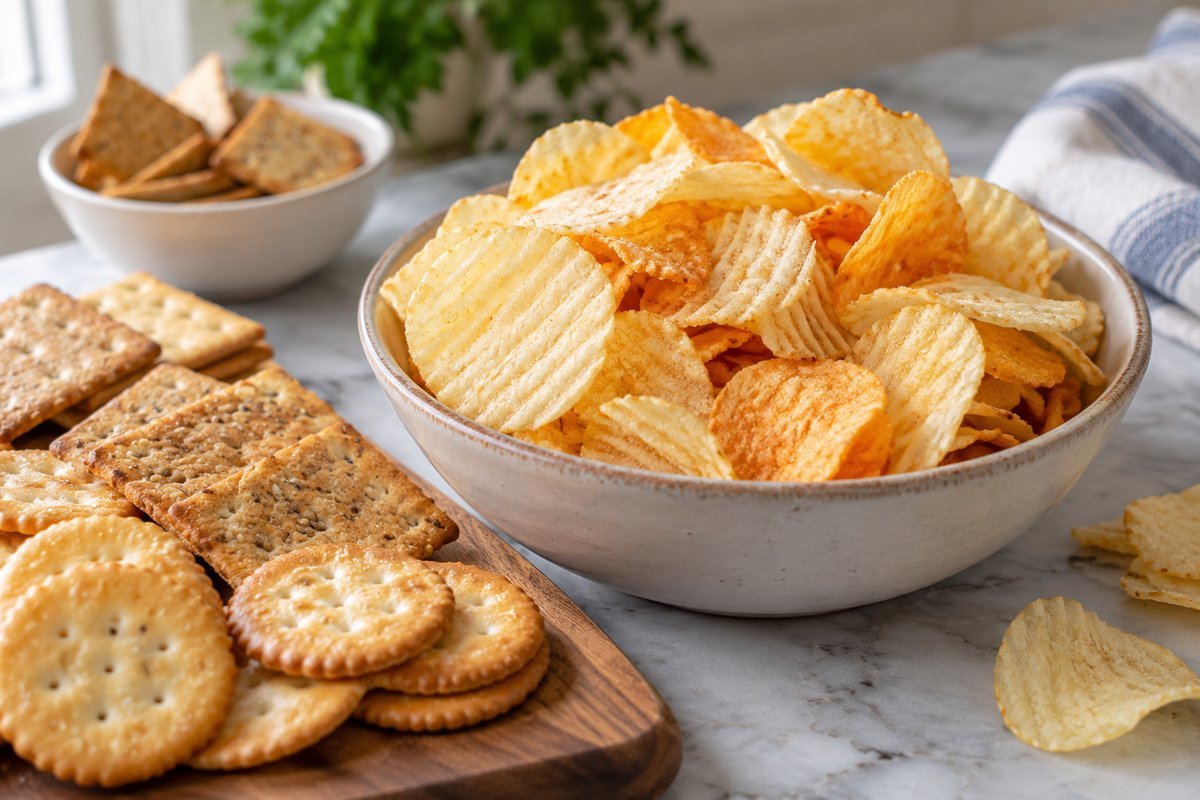
Running out of breakfast food is often a planning problem rather than a reason for stricter food rules. Keep a short list of shelf-stable or freezer options you know how to prepare. Check what needs replacing before the busiest morning arrives. A practical backup can be very ordinary.
A cookie, some chips and a sweet drink may be what's available when the fridge is bare. Plan one backup breakfast before that happens. Oats, frozen bread or a suitable shelf-stable option can help. It doesn't need to be impressive; it needs to be there when you need it.
9. Adding every topping without tasting
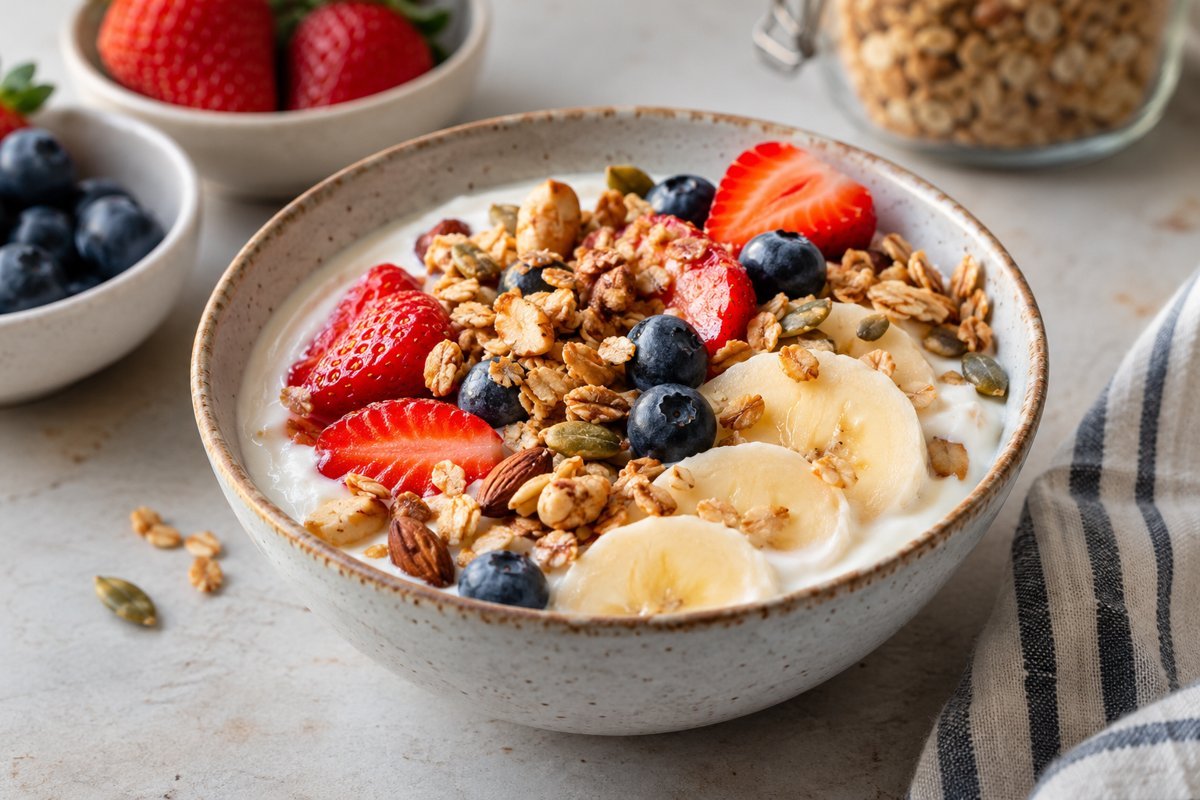
Several small additions can become a larger part of a bowl than you intended. Pick the topping whose flavor you most enjoy, then taste before adding another. This is an easy way to learn your preference; you don't have to remove every sweet ingredient or follow someone else's bowl recipe.
Cereal, yogurt and oats can accumulate syrup, honey, dried fruit and chocolate before you notice the total. Start with one or two things you really like. Taste first, then add more if wanted. This keeps the bowl under your control without requiring you to remove all sweetness.
10. Choosing dairy despite a known intolerance
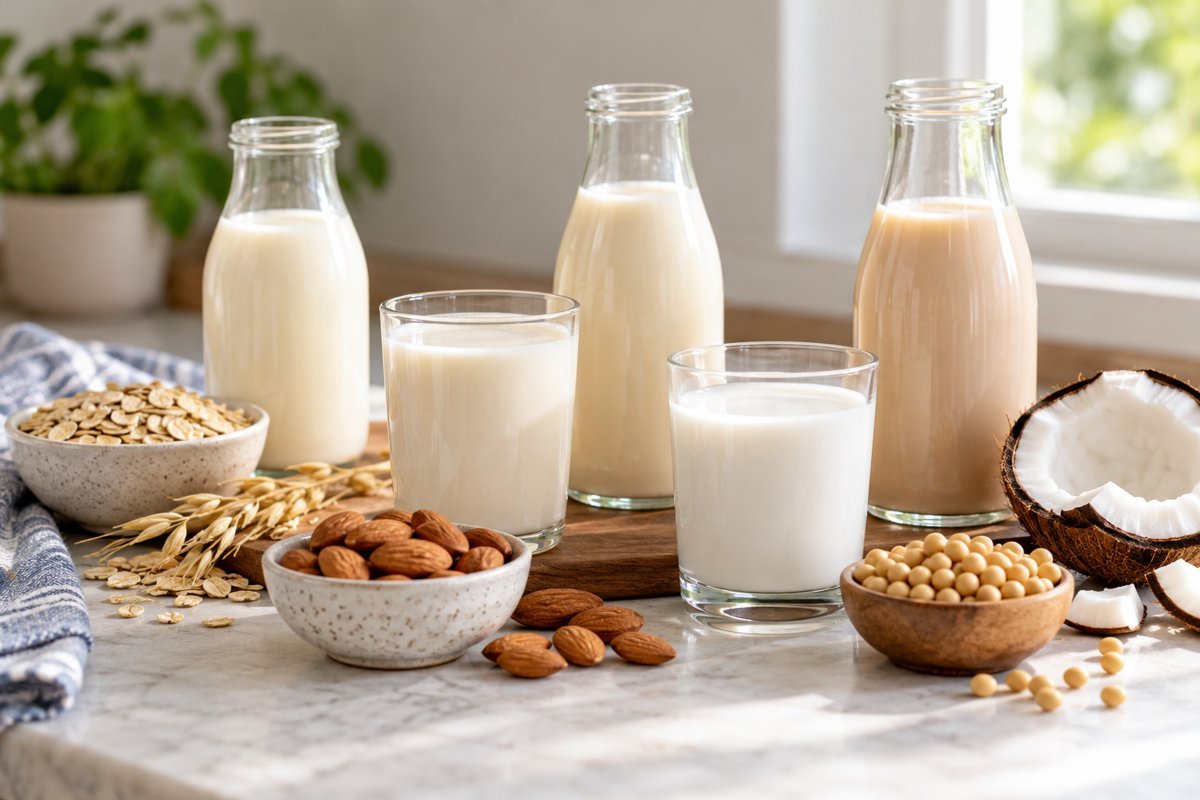
Milk allergy and lactose intolerance are different conditions, and a product suitable for one may not be safe for the other. Don't diagnose yourself from a breakfast list. If symptoms are new or severe, get appropriate advice. When changing a regular drink, check both safety and the nutrients of the replacement.
Don't force a food that repeatedly disagrees with you because somebody calls it essential. Suitable alternatives may be available, but they differ in nutrients. Get advice if you need to replace a major part of your diet or if symptoms are new. An allergy and an intolerance also require different kinds of care.
11. Trying a new supplement with breakfast
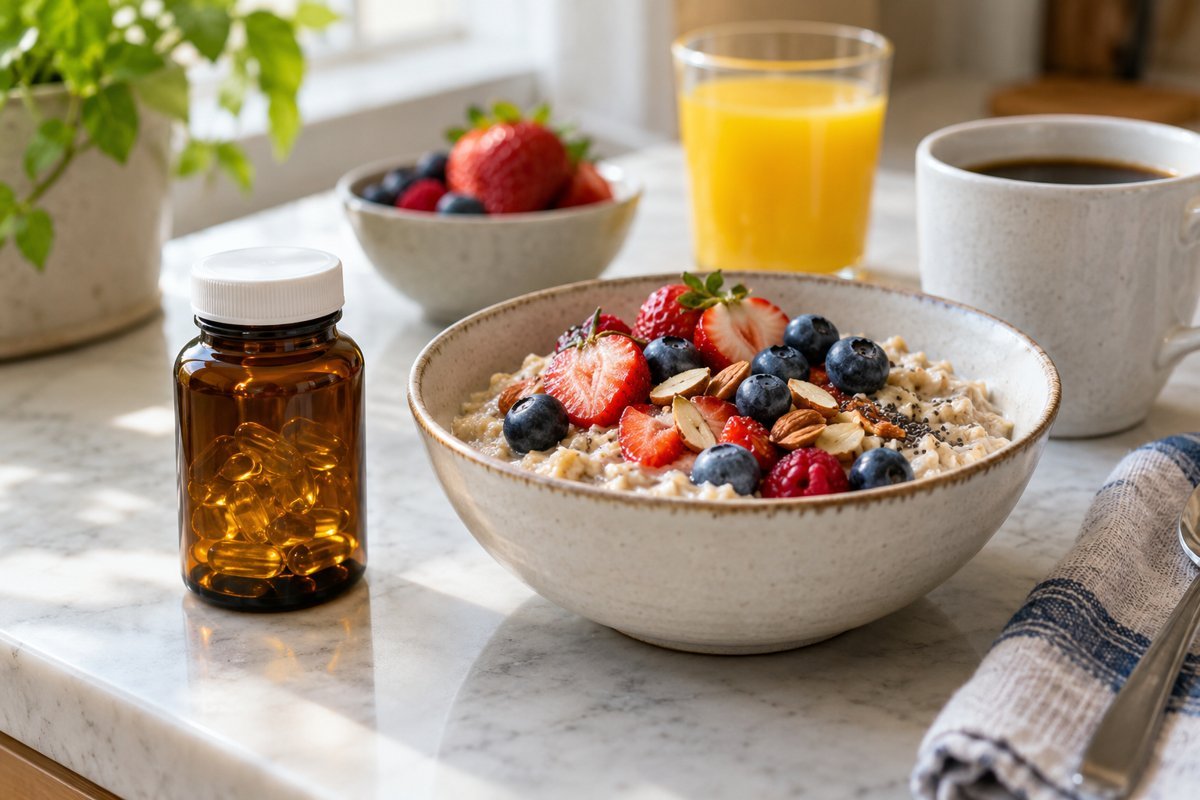
A supplement's 'energy' label does not explain whether you need it. Bring the ingredients and dose to a clinician or pharmacist when considering it for a health reason. Food, sleep and a medical concern may need separate attention. Adding several new products at once can also make it harder to identify a problem.
A breakfast routine doesn't need a new powder or pill. Supplements can interact with medicines or be unsuitable for some people. Ask a qualified professional before adding one for a health reason. Ordinary food is a sensible starting point; a promise of instant energy is not enough evidence.
Source: NIH: dietary supplement safety.
12. Using energy drinks to cover a difficult routine

Coffee, tea and energy drinks can all contribute caffeine across the day. The amount in a container varies, so read the label and keep track of the whole routine. FDA's general information doesn't replace individual advice for someone sensitive to caffeine, taking medication or managing a medical condition.
An energy drink isn't a substitute for meals or sleep. Caffeine amounts can vary, and some people are more sensitive than others. Read the product information and ask for advice if relevant to your health or medication. Don't keep adding caffeinated drinks because the morning still feels tiring.
13. Packing yogurt without keeping it cold
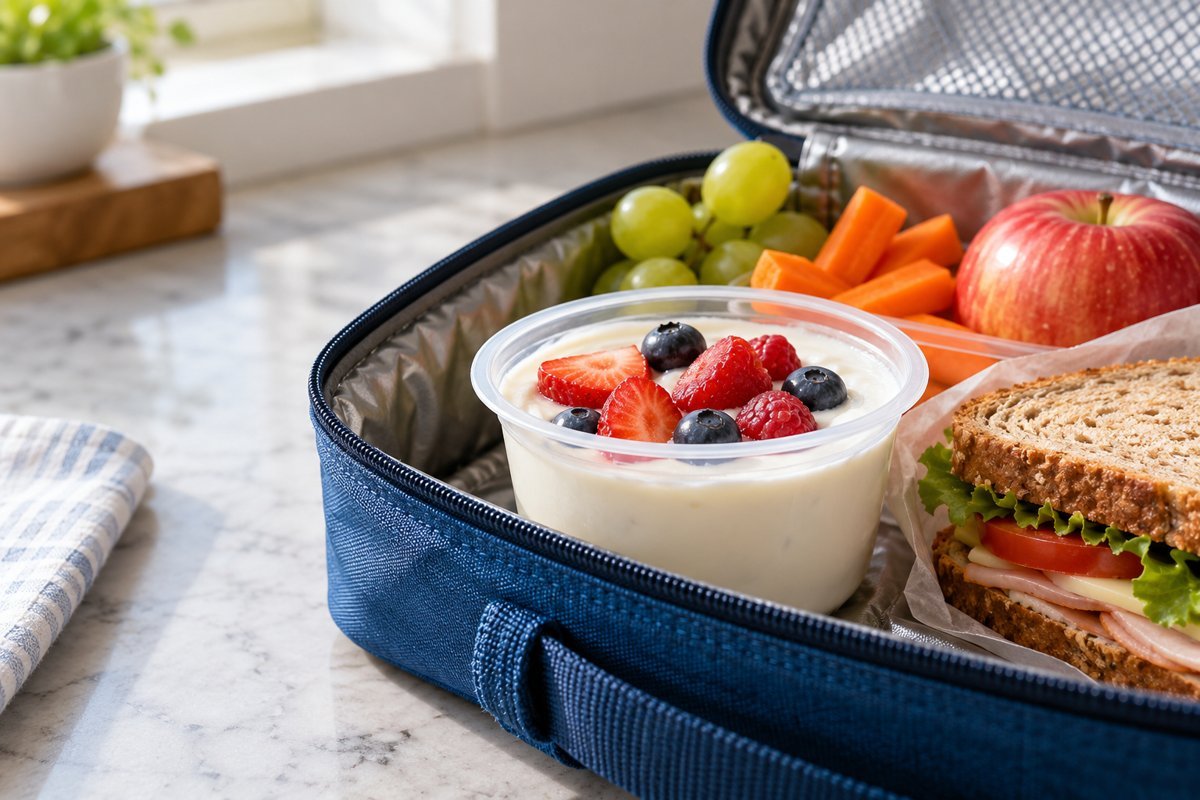
The plan for a portable breakfast should include the journey as well as the recipe. Yogurt and other perishables cannot simply sit in a warm bag until you have time to eat them. Use a reliable cold-storage method, or choose a food that is safe without refrigeration when you cannot keep it cold.
A breakfast to eat later needs a storage plan. Perishable foods should stay cold rather than sit in a warm bag for hours. Use an insulated bag and adequate cold sources, or choose a food that can safely travel unrefrigerated. Convenience includes getting the food to breakfast safely.
14. Eating from a container that has several servings
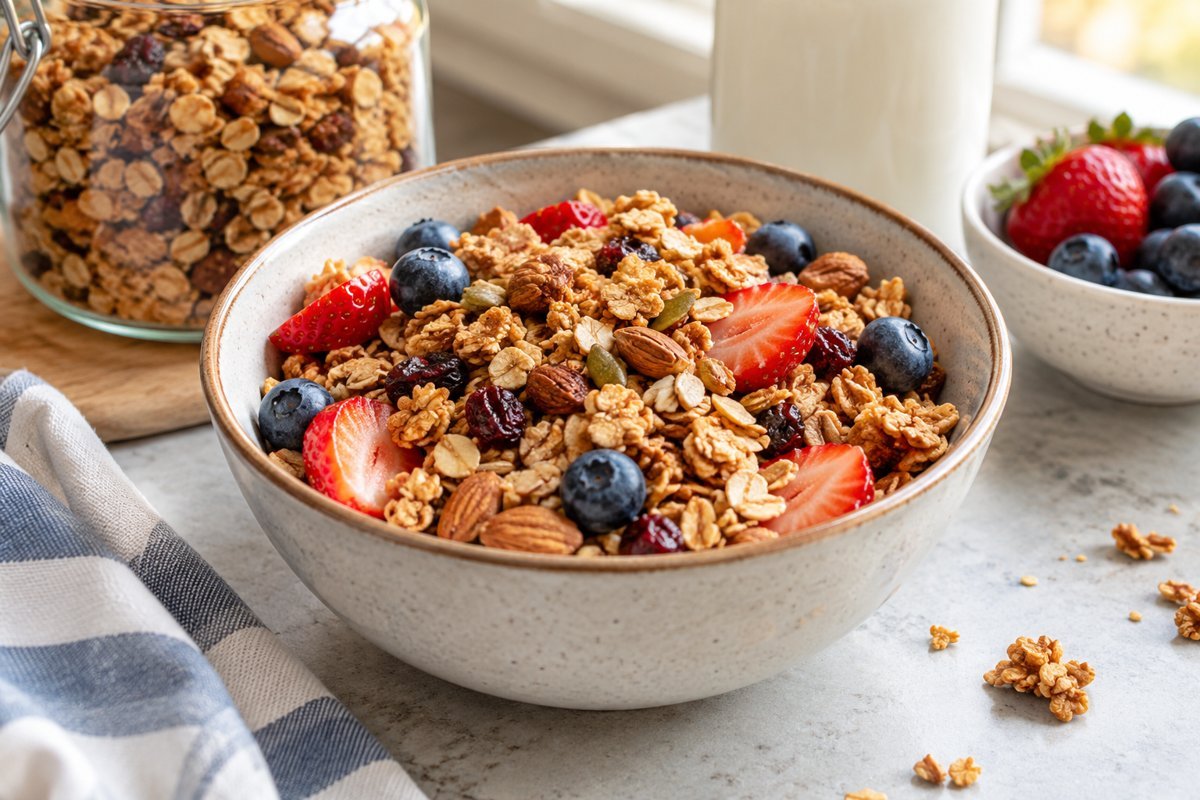
A package and a portion are different ideas. A bag of granola or a large yogurt tub can contain several servings even though it is easy to eat directly from it. Put the amount you intend into a bowl so that you can see it. Label serving sizes are not personalized instructions.
A pot or packet isn't always one portion. Look at the label, then put the amount you want in a bowl. This is especially useful for cereals and granola. The serving printed on a label describes typical consumption; it isn't a personal instruction for how much you must eat.
Source: FDA: servings per container.
15. Having no fallback when your plans change
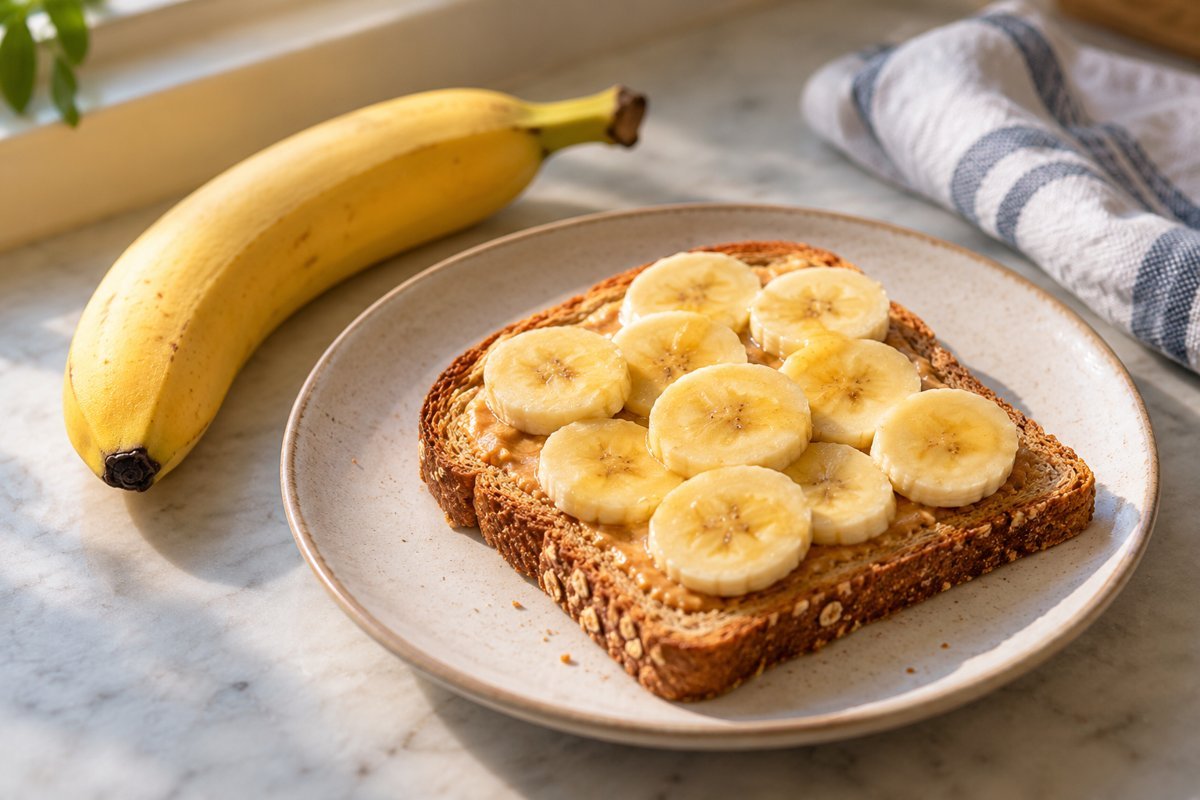
A backup works best when it fits the places you usually get delayed. Something kept at home won't help on a train, and a food requiring refrigeration may not suit a long journey. Pick one realistic option for your routine and replace it after using it rather than planning an ideal breakfast you can't access.
A delayed train or early meeting can upset a carefully planned breakfast. Keep one simple option you can carry or make quickly. That might be a suitable snack plus fruit, or bread in the freezer. A flexible routine survives a busy day better than a breakfast that works only when everything goes right.
Choose your backup breakfast today, while you're not rushing. Check whether you can prepare it, carry it and store it safely. Then try it on an ordinary morning. If it leaves you hungry or doesn't suit you, change it. There is no single breakfast that every person must eat to have a good day.
Keep reading: 15 Breakfast Foods Worth Rethinking—and Easy Ways to Improve Them or 25 Budget-Friendly Foods for Simple, Balanced Meals.






2 thoughts on “15 Breakfast Choices That Can Make Busy Mornings Harder”