Page 2 of 3 · Items 6–10
6. A smoothie recipe with no clear portion
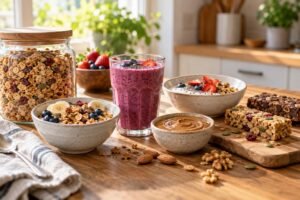
Blending a little of everything can make much more than you meant to drink. Start with a recipe for one serving and adjust it after trying it. Save any extra safely. Knowing the amount is more useful than assuming a homemade drink automatically matches your needs.
7. A bar that you don’t actually enjoy
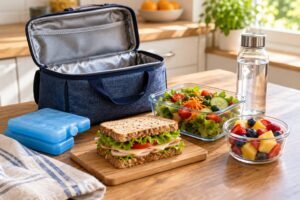
A supposedly healthy breakfast isn’t helpful if you leave it in your bag and buy something else. Keep a portable food you’ll eat, whether that’s a suitable bar, fruit or a sandwich. Convenience and preference matter. You can compare labels within the foods that genuinely work for you.
8. A breakfast made only from leftovers of snacks
A cookie, some chips and a sweet drink may be what’s available when the fridge is bare. Plan one backup breakfast before that happens. Oats, frozen bread or a suitable shelf-stable option can help. It doesn’t need to be impressive; it needs to be there when you need it.
9. Adding every topping without tasting
Cereal, yogurt and oats can accumulate syrup, honey, dried fruit and chocolate before you notice the total. Start with one or two things you really like. Taste first, then add more if wanted. This keeps the bowl under your control without requiring you to remove all sweetness.
10. Choosing dairy despite a known intolerance
Don’t force a food that repeatedly disagrees with you because somebody calls it essential. Suitable alternatives may be available, but they differ in nutrients. Get advice if you need to replace a major part of your diet or if symptoms are new. An allergy and an intolerance also require different kinds of care.