To check food ingredients, read the list on the back of the package rather than relying on a picture or a claim on the front. These 21 examples show where a quick check can help with flavors, portions, allergies and differences between products. An unfamiliar ingredient name alone is not proof that a food is harmful. For front-of-package claims and serving sizes, see what to check on foods marketed as healthy.
Updated October 26, 2026
In this article
- Fruit drinks
- Flavored yogurt
- Breakfast cereal
- Granola bars
- Peanut butter
- Bottled salad dressing
- Jarred pasta sauce
- Instant noodles
- Packaged soup
- Deli meats
- Meat-free burgers
- Plant-based drinks
- Coffee creamers
- Flavored oatmeal packets
- Bread
- Frozen ready meals
- Sweetened dried fruit
- Protein snacks
- Brightly colored sweets
- Bottled smoothies
- Mixed snack packs
Read the ingredient list and the nutrition panel separately
The FDA explains that ingredients generally appear in order of weight, from most to least. That order does not tell you the number of grams of sugar, sodium or protein you will eat; use the Nutrition Facts panel for those amounts.
For a simple calculation, imagine a cereal label lists 8 g of added sugars per 40 g serving. A 60 g portion is 1.5 servings, so it would supply 12 g of added sugars. This is an illustrative calculation, not a tested product or a recommended portion. Compare the same amount of each food, and check the actual package. If allergies matter, read the ingredient list and any allergen statement every time you buy it.
1. Fruit drinks

References
Sources checked October 11, 2026. General information; individual needs and rules can differ.
A fruit picture can make three different products look alike: 100% juice, a juice blend and a fruit-flavored drink. Start with the product’s actual name, then look for the percentage of juice where it is given. This helps you compare what you’re buying without treating every bottle with an orange on it as the same drink.
Check whether you’re buying juice, a juice blend or a flavored drink. Those are different products even when the pictures look similar. Read the actual ingredients, then decide what you want. A bright orange label isn’t proof that the bottle is simply squeezed oranges.
2. Flavored yogurt
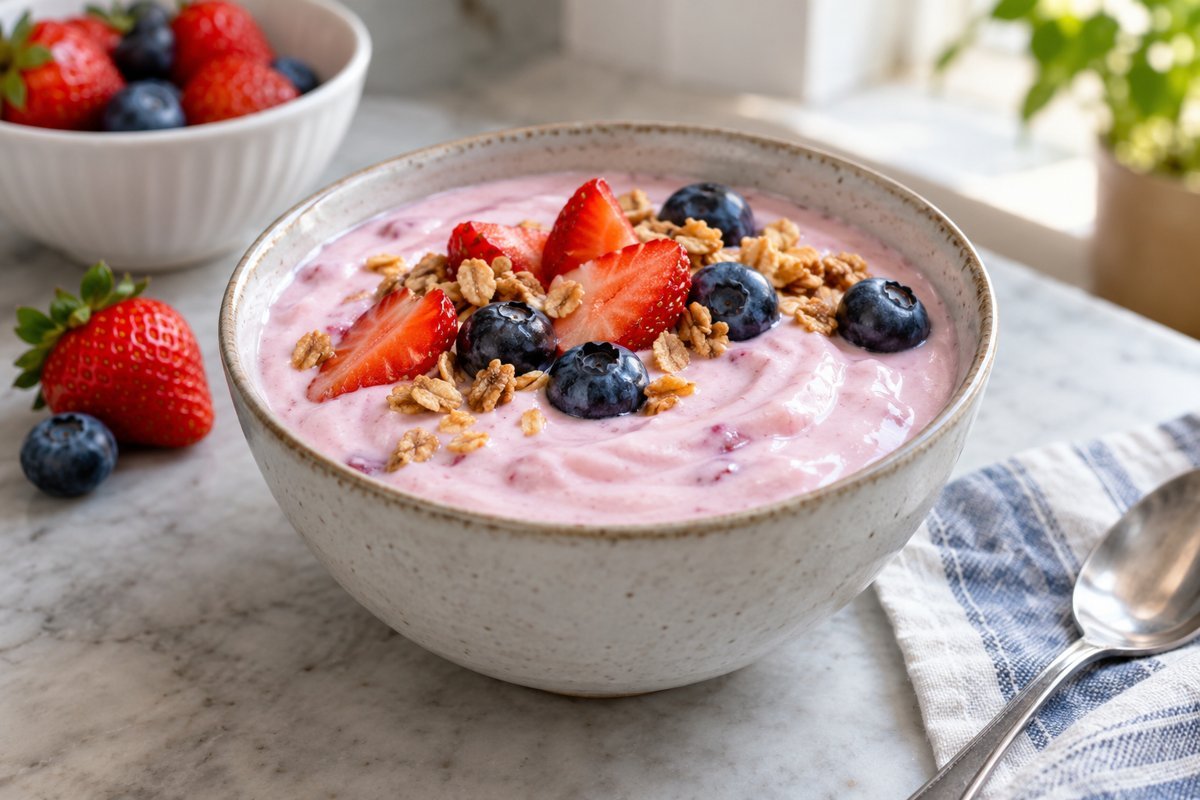
The ingredient list helps explain the flavor; the Nutrition Facts panel helps explain the amount of added sugar per serving. They are useful together. If you’re comparing yogurt pots, check that the portions are alike and whether milk or another ingredient is unsafe for you. A familiar brand can still change its recipe.
Fruit flavor can come with a range of other ingredients. Compare a flavored pot with a plain version and decide whether adding your own berries would suit you. The yogurt doesn’t become a bad food because it’s sweetened. What matters is choosing with the whole product in view.
3. Breakfast cereal
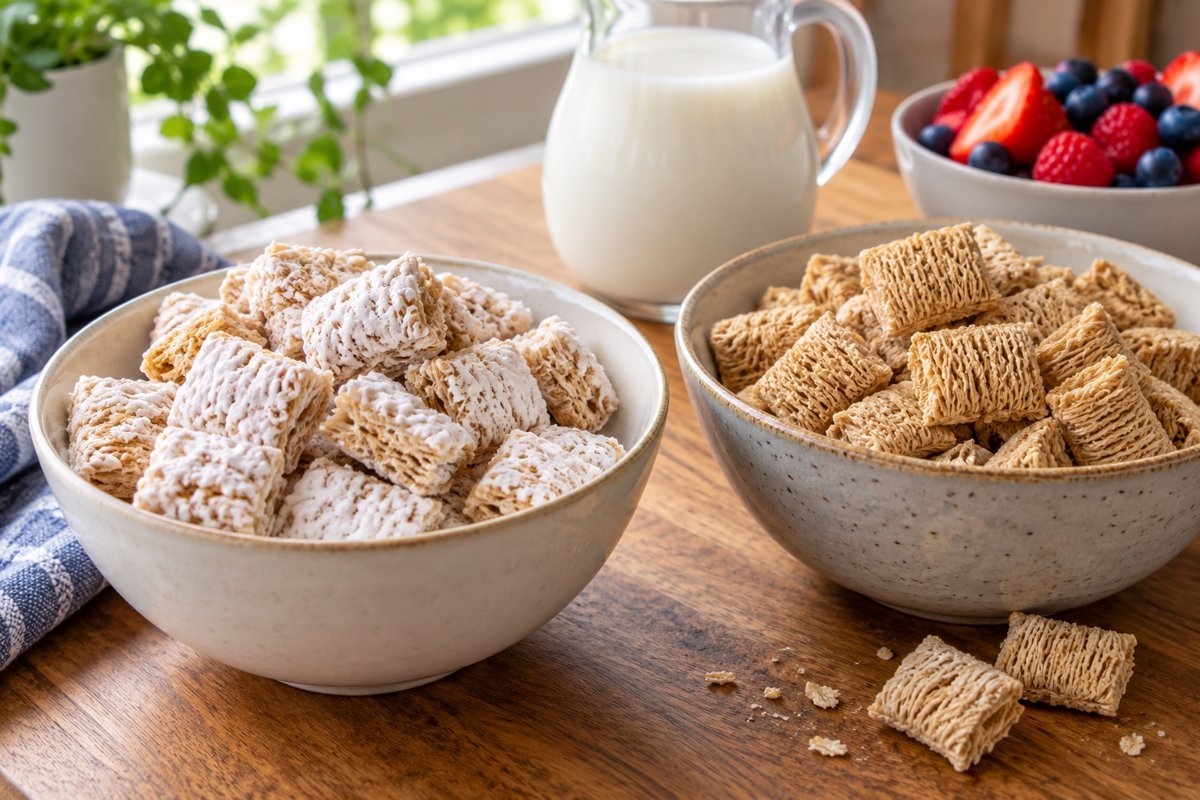
Cereal ingredients are listed in order by weight, which makes the top of the list worth reading. Several different names for sweeteners can appear in one recipe, so also check the added-sugars line. Whole grains can be one useful feature without telling you everything about the finished cereal.
Turn the box around before choosing it for the picture of grain on the front. The recipe may include several sweeteners, flavors and other additions. Compare a couple of products you genuinely like. There’s little value in buying a supposedly perfect cereal that nobody in the household will eat.
4. Granola bars
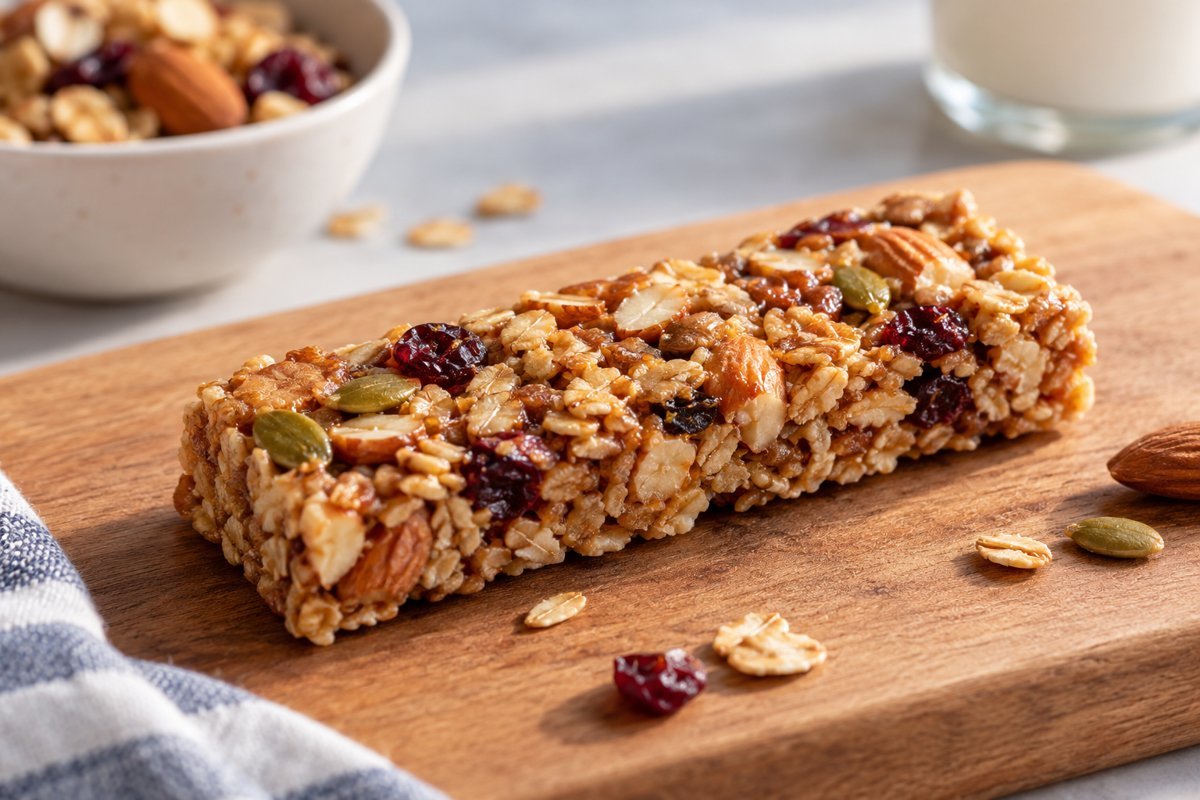
A bar with oats on the wrapper might also include nuts, milk, chocolate or other ingredients that matter to you. A protein claim is separate from an allergy check. Read the label before putting a bar in a child’s lunchbox or sharing it with someone whose dietary needs you don’t know.
Some bars are mostly oats and nuts; others are closer to a sweet snack. The wrapping doesn’t tell the whole story. Read the list and keep allergies in mind. A handy bar can still have a place in your bag without being treated as a complete meal.
5. Peanut butter
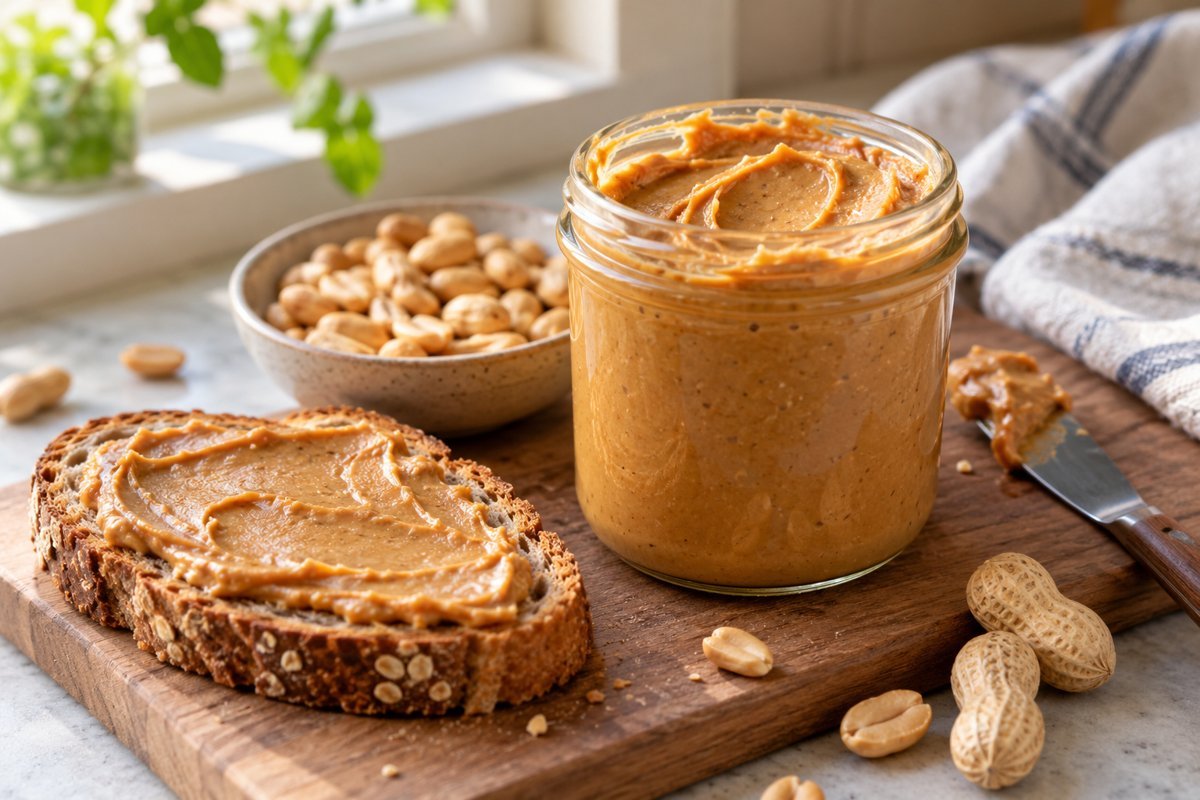
A short ingredient list may make comparisons simple, but it doesn’t make a food safe for someone with a peanut allergy. Check the product itself rather than treating a ‘natural’ label as a safety claim. For everyday use, compare added sugar and salt only after establishing that the ingredients are suitable for you.
Look at how the version you buy differs from another jar. Some include added sugar or salt; some are simply peanuts. If you choose a version that separates, follow its storage instructions and stir as needed. Pick one you enjoy and can use safely.
6. Bottled salad dressing
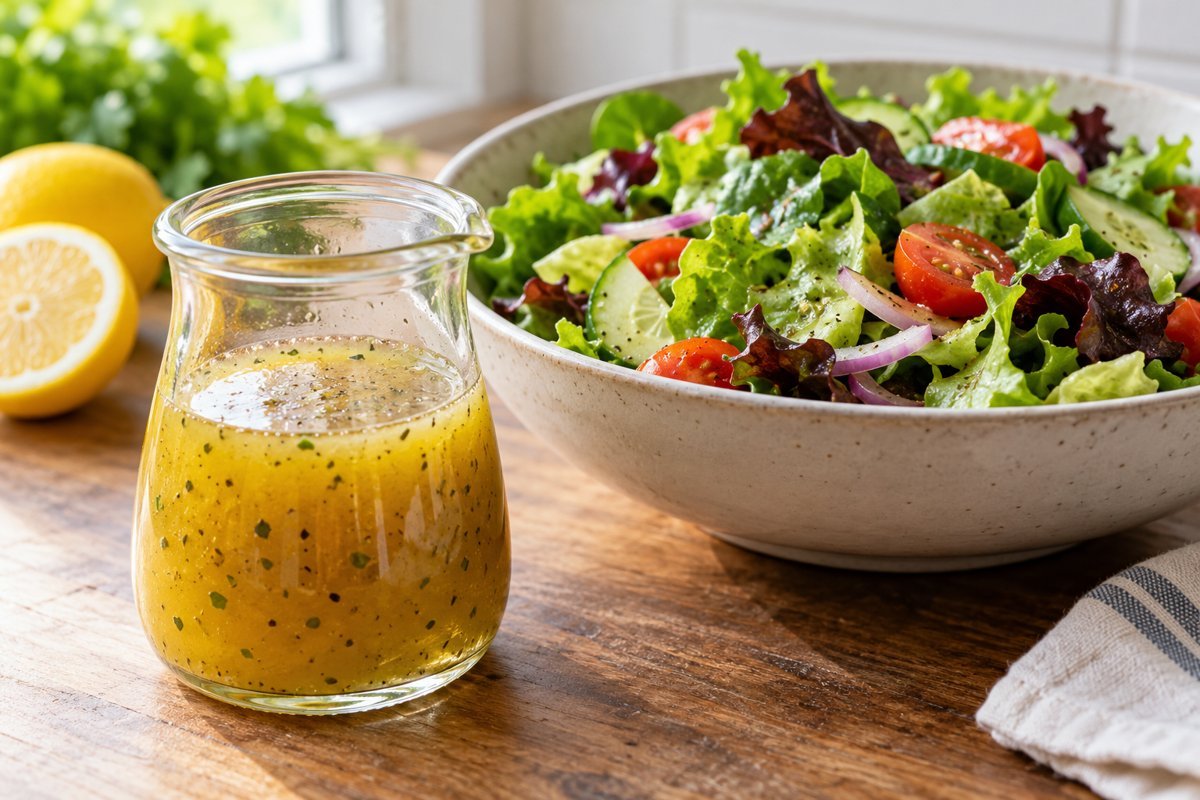
Dressing labels can reveal ingredients that aren’t obvious from the name, such as milk or egg in a creamy recipe. Portion size also changes the amounts shown on the panel. If you pour dressing directly from the bottle, try measuring your usual pour once so comparisons reflect how you actually use it.
Dressings vary in their oils, sweeteners and flavorings. Compare them, but remember that how much you pour also matters. At home, you can try olive oil, vinegar and herbs in a small jar. Homemade dressing is an option, not a requirement for having a worthwhile salad.
7. Jarred pasta sauce
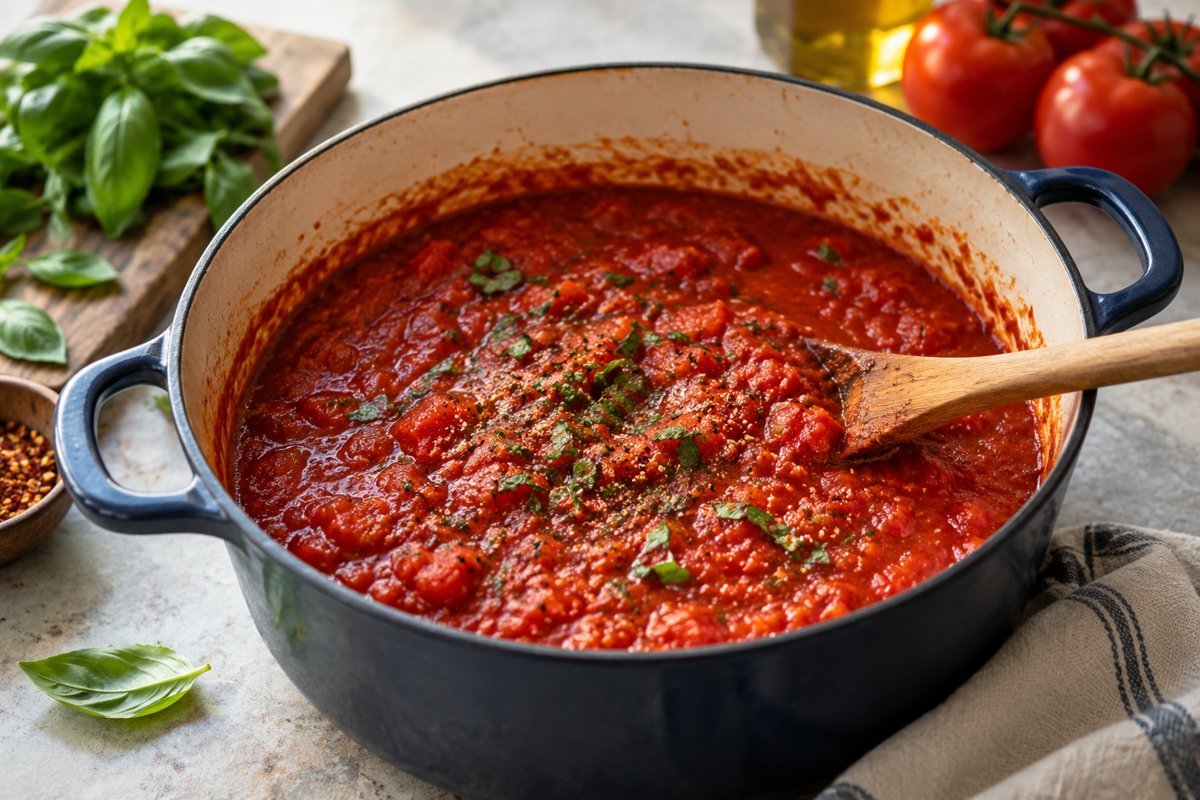
Two jars called tomato sauce can contain different amounts of vegetables, oil, salt and added sugar. They may also use meat stock or dairy ingredients. A lower price is only useful if the jar fits the meal you’re making. Checking the list before you buy can prevent both wasted food and an unwanted ingredient.
A tomato sauce may contain cheese, meat, sweeteners or several seasonings. That matters if you’re avoiding an ingredient or planning the rest of dinner. Check the jar rather than assuming all red sauces are alike. Add vegetables or beans if you want to make it part of a fuller meal.
8. Instant noodles
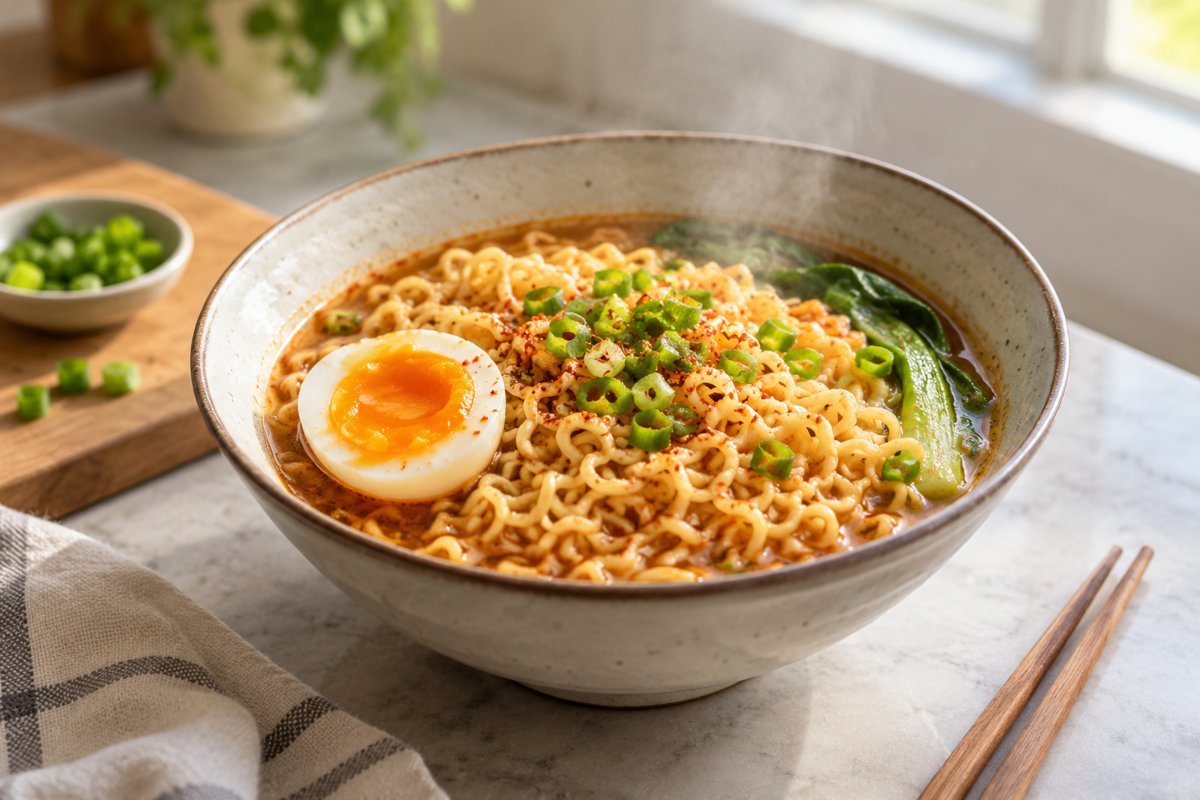
The flavor sachet can account for ingredients that aren’t present in the noodles themselves. A vegetable flavor may still use ingredients you avoid, so don’t rely only on the picture. When comparing salt amounts, check whether the panel describes dry noodles, prepared noodles or a whole packet.
The seasoning packet and noodles can have different ingredients. Read both when the label separates them. You can use a smaller amount of seasoning and add vegetables or an egg prepared safely. That gives you more control over a meal you may already find convenient.
9. Packaged soup
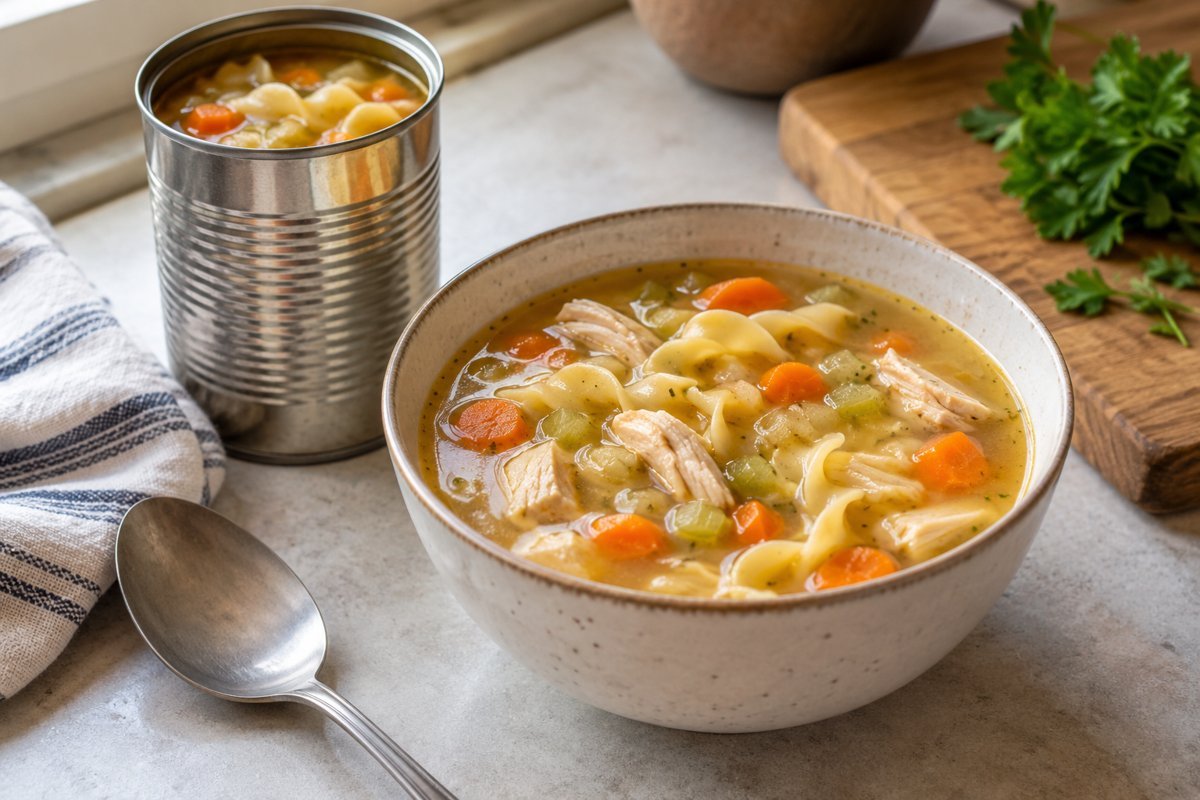
A soup’s serving size can be smaller than the container you plan to eat. Multiply the amounts if you use the entire can. This is particularly helpful when comparing sodium. Soup can remain a convenient lunch; the label helps you decide which version and what additions make sense.
A vegetable picture doesn’t tell you whether a soup contains milk, meat stock or another ingredient you avoid. Read the list each time you buy it because recipes can change. Adding beans or leftover cooked vegetables is a simple way to make a bowl your own.
10. Deli meats
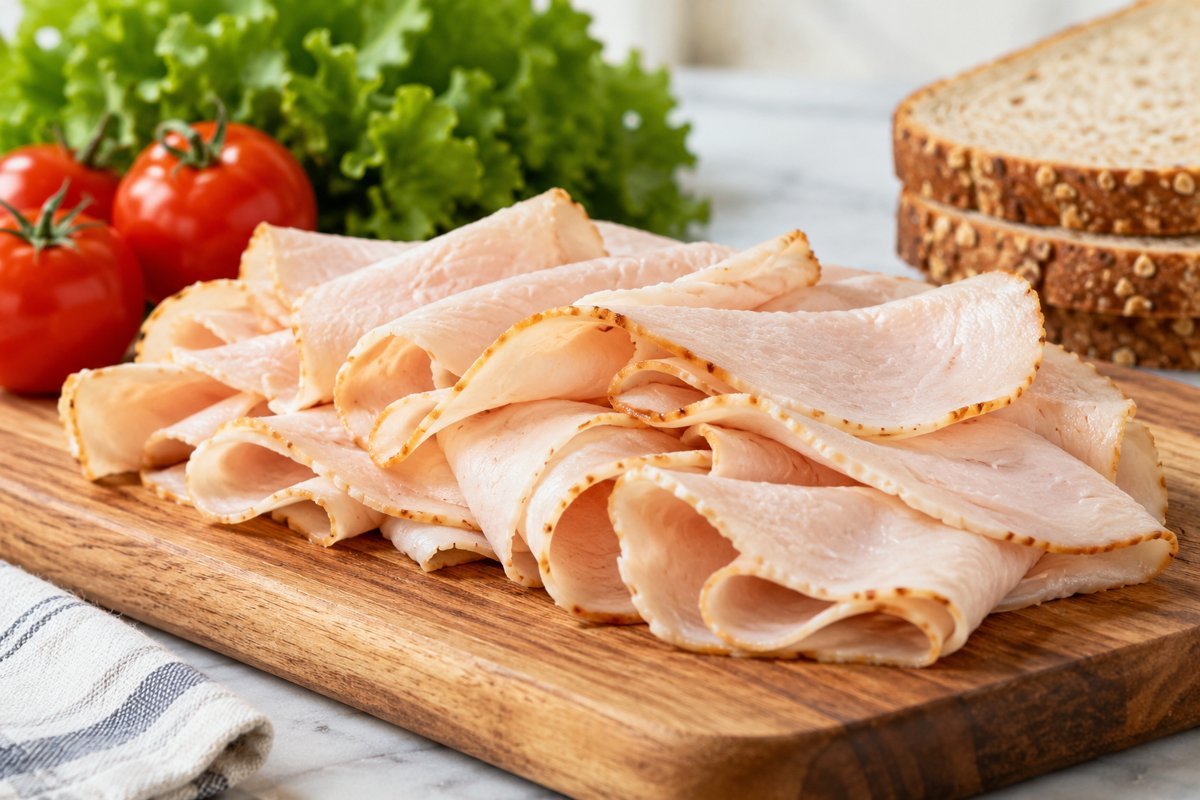
Processing depends on how meat is made, not only which animal it came from. A sliced turkey product can still be salted, cured or otherwise processed. Read its preparation and ingredients instead of assuming poultry is automatically different from all other deli meats. A variety of sandwich fillings reduces reliance on one option.
Chicken or turkey on the label doesn’t automatically mean the product is unprocessed. Look at the preparation and ingredients. For variety, try a sandwich with beans, egg or freshly cooked meat on some days. This avoids treating one deli choice as the answer to every lunch.
11. Meat-free burgers
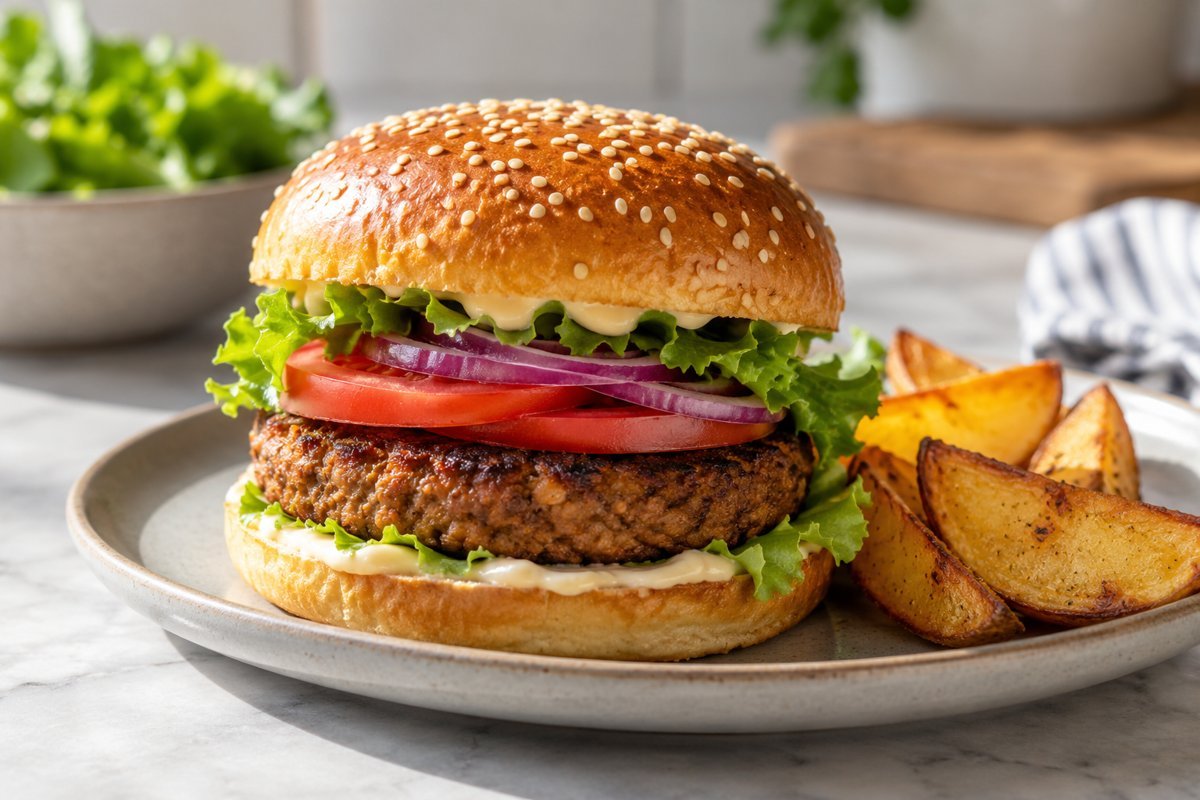
Plant-based burgers vary in ingredients, nutrition, oils and seasonings. Check the label for allergens and sodium rather than relying on the front-of-pack phrase. A frozen patty and a homemade bean burger are different products; compare them for the meal you want instead of expecting identical recipes.
Source: FDA: allergen labeling.
12. Plant-based drinks
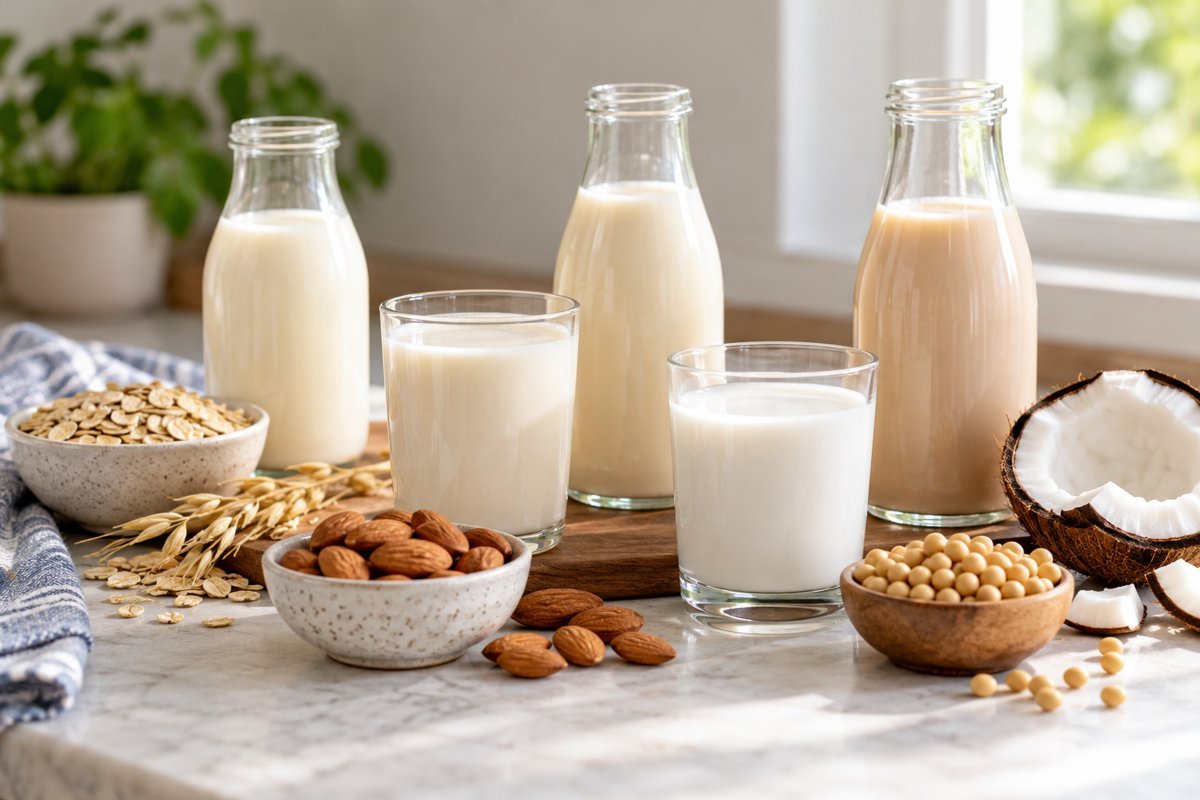
Oat, almond, soy and other plant-based drinks differ. If one replaces milk in your routine, compare ingredients, protein and fortification, including calcium and vitamin D. The best choice depends on what you need from it, how you use it and any allergies; the products are not interchangeable just because they are all dairy alternatives.
13. Coffee creamers

‘Non-dairy’ wording is not a substitute for reading a milk-allergen declaration. Some creamers contain milk-derived ingredients, while others use different fats and sweeteners. If you have a milk allergy, inspect the full label and follow your allergy plan. For flavor preferences, compare the amount you normally add to one cup.
A creamer may contain milk ingredients even when the front label sounds different. Read the actual label if dairy is an issue for you. For taste, try using a little less and see whether you still enjoy the cup. You don’t need a dramatic change to learn your preference.
14. Flavored oatmeal packets
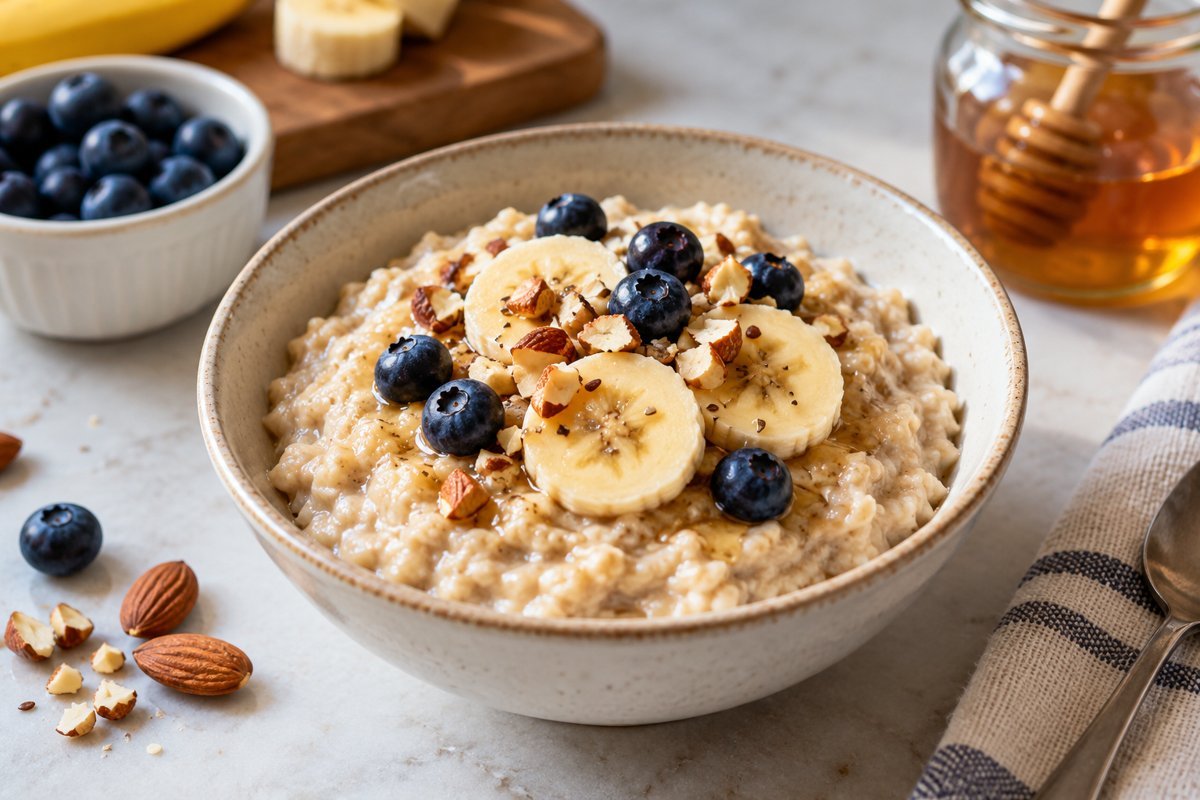
An oatmeal packet may supply the flavor, sweetener and portion all at once. Plain oats let you separate those choices. Compare equal prepared amounts, particularly if one packet makes a larger bowl. You can keep the convenience while adding a food you enjoy alongside it rather than expecting the packet to be the whole breakfast.
The convenience is useful; the recipe is worth comparing. Plain oats let you add cinnamon, fruit or another topping yourself. Flavored packets can still be an occasional quick breakfast. Keep both choices in mind rather than making the busiest morning harder.
15. Bread
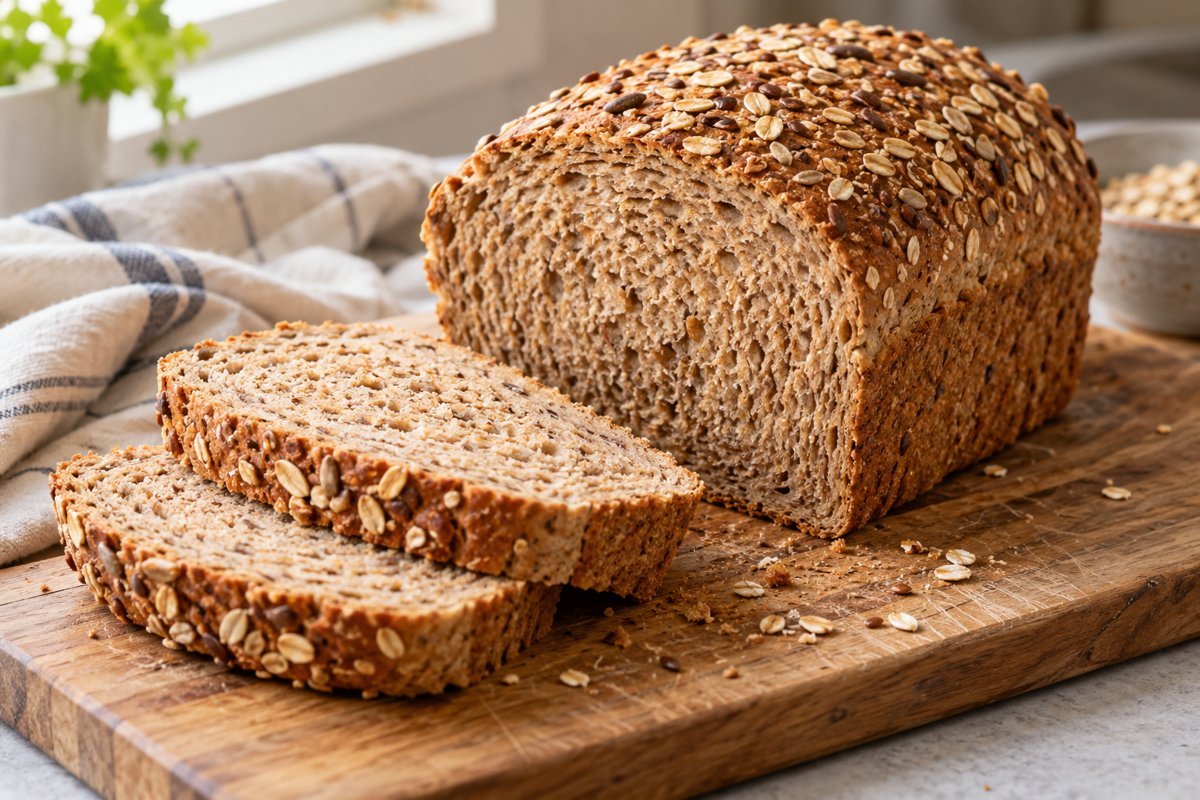
Bread color can come from ingredients other than whole grains. Look for the named grain ingredients instead of judging by a darker slice or seeds on the crust. Allergy information is another check: a loaf labeled multigrain may still contain wheat. Choose from breads that are suitable for you first.
A brown color or a picture of seeds doesn’t explain the full recipe. Check the grain ingredients and choose a bread you like using for sandwiches and toast. If you’re avoiding wheat, ‘multigrain’ isn’t an allergy guarantee. Read the whole label and follow your own medical advice.
16. Frozen ready meals
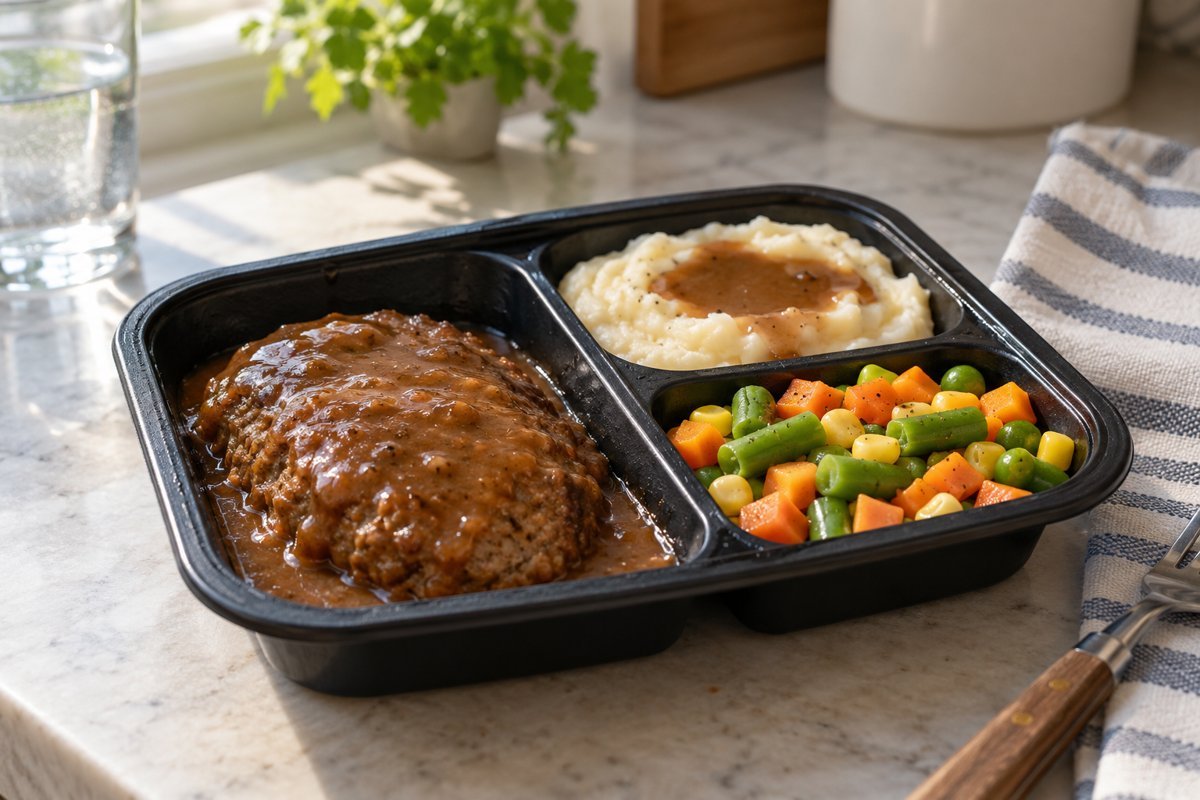
Frozen meals combine several components, so a sauce can introduce ingredients that aren’t obvious from the dish’s name. Check serving size too: some packages are intended to contain more than one serving. The panel describes the meal in the box, not the side dishes or drinks you might add.
The dish name doesn’t reveal every sauce or seasoning. Read the ingredients before buying, particularly for allergies. Think about what would go beside the meal, such as vegetables or fruit. Convenience can be useful; an informed choice doesn’t require cooking everything from scratch.
17. Sweetened dried fruit
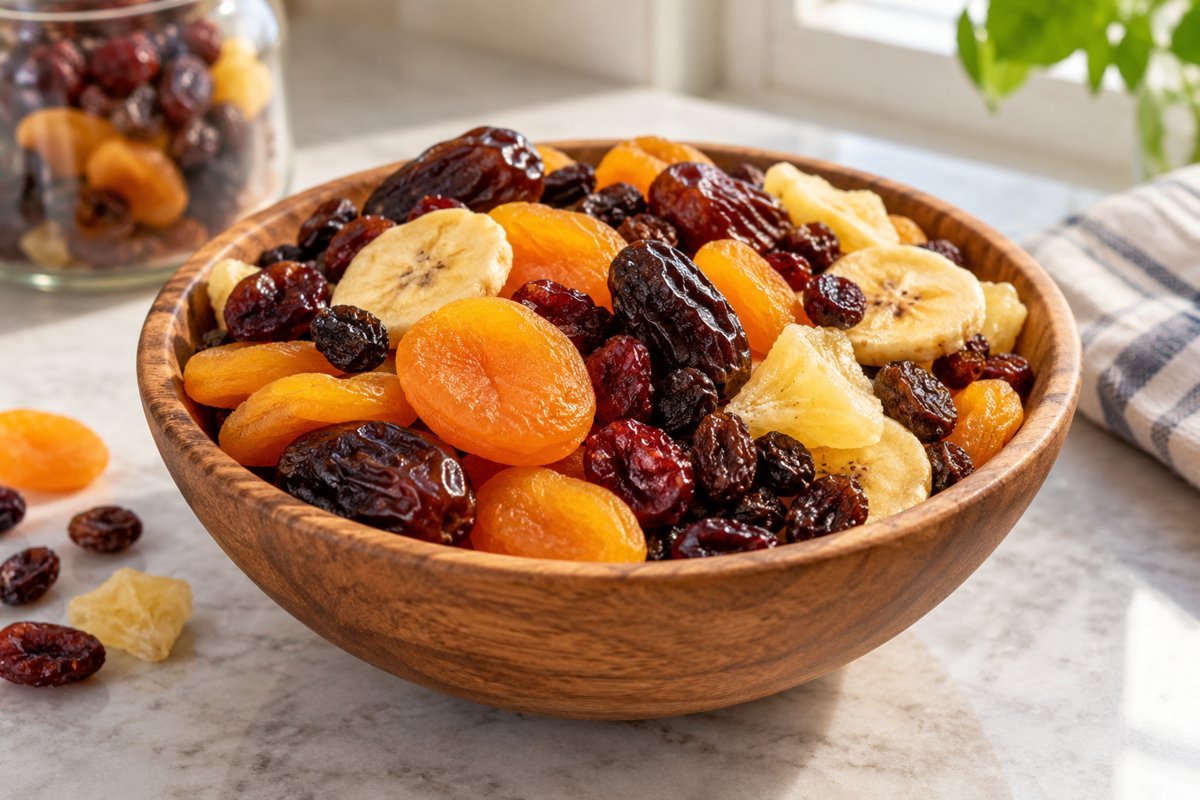
Dried fruit has less water than fresh fruit, so a small-looking amount is not the same portion as a large bowl of fresh pieces. Some recipes also add sugar or oil. Read the packet, especially for fruit mixes, and decide how you’re using it—as a topping, a baking ingredient or a snack.
Some dried fruits have added sweeteners or other ingredients, while others don’t. Check the packet before assuming the versions are identical. Use the one you enjoy in a portion that fits your snack or recipe. Fresh fruit and dried fruit offer different textures and uses.
18. Protein snacks
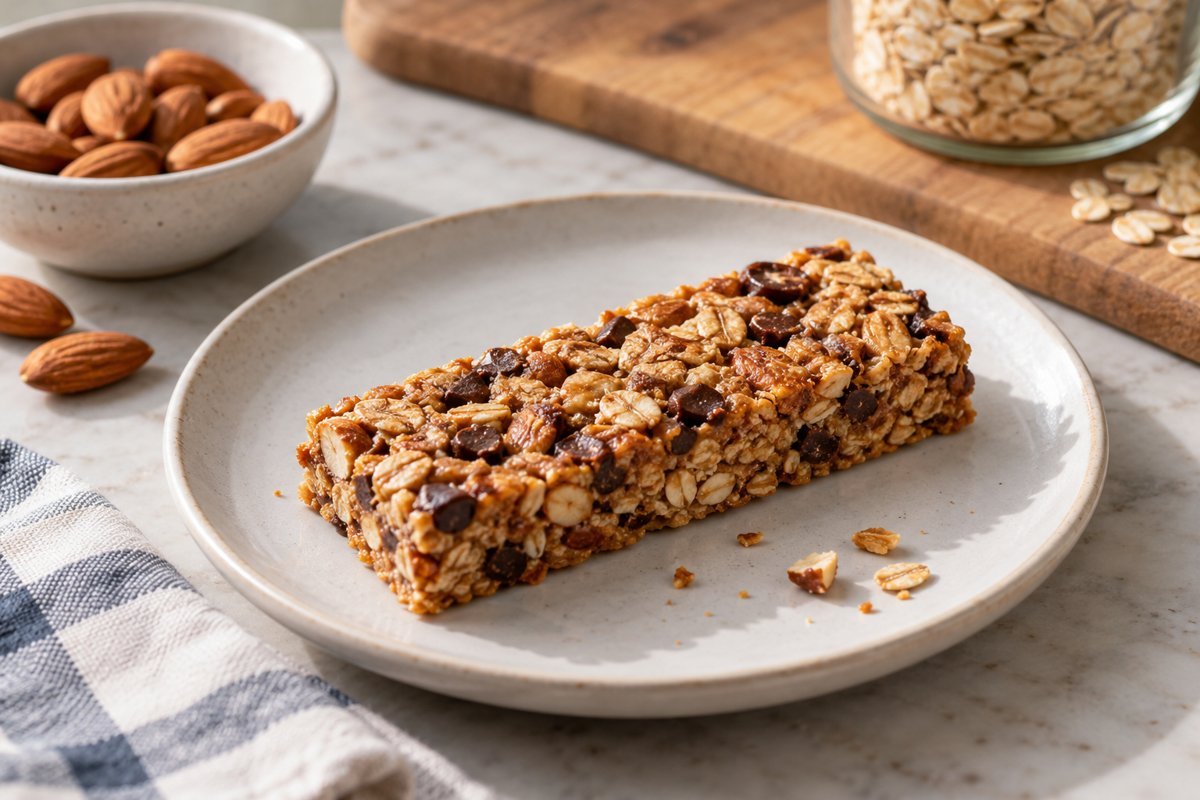
The word protein doesn’t tell you whether a product is a snack bar, a cookie or a meal replacement. Read the serving and ingredient information before expecting it to replace lunch. Protein can also come from ordinary foods such as beans, eggs or yogurt; the label doesn’t establish that you need a specialty product.
A high-protein claim doesn’t tell you the rest of the recipe. Bars and cookies can still contain ingredients you don’t want or can’t eat. Check the whole product and whether you need that kind of snack. A marketing word is a starting point for a question, not an answer.
19. Brightly colored sweets
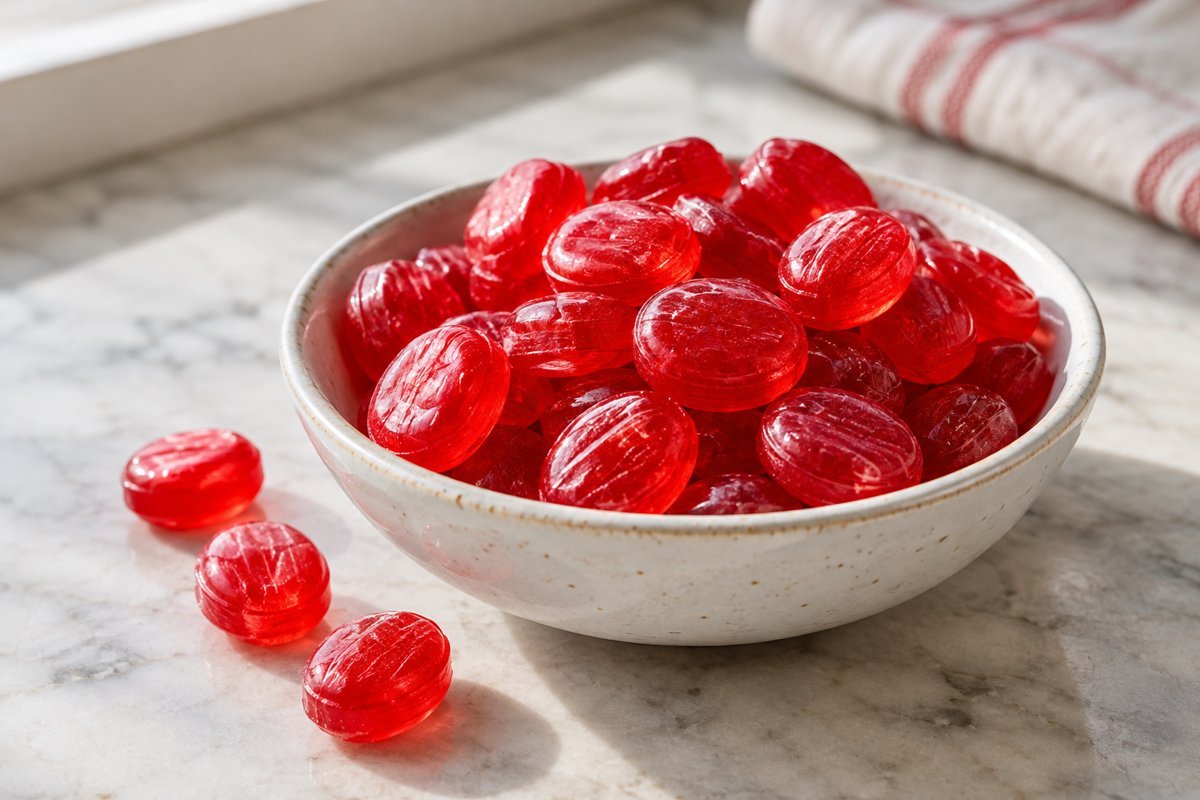
A color additive’s name can sound alarming without explaining its current regulatory status or the amount used. Different countries authorize different uses. Check FDA’s current Red No. 3 page if that ingredient is your concern, and keep a legal phaseout separate from an unsupported claim that a particular sweet causes disease.
Colors differ by product and country. U.S. rules for Red No. 3 are changing, with a food reformulation deadline of January 15, 2027. Check current official information rather than relying on an old viral list. An unfamiliar color name alone isn’t proof that a sweet causes illness.
Source: FDA: Red No. 3 phaseout.
20. Bottled smoothies
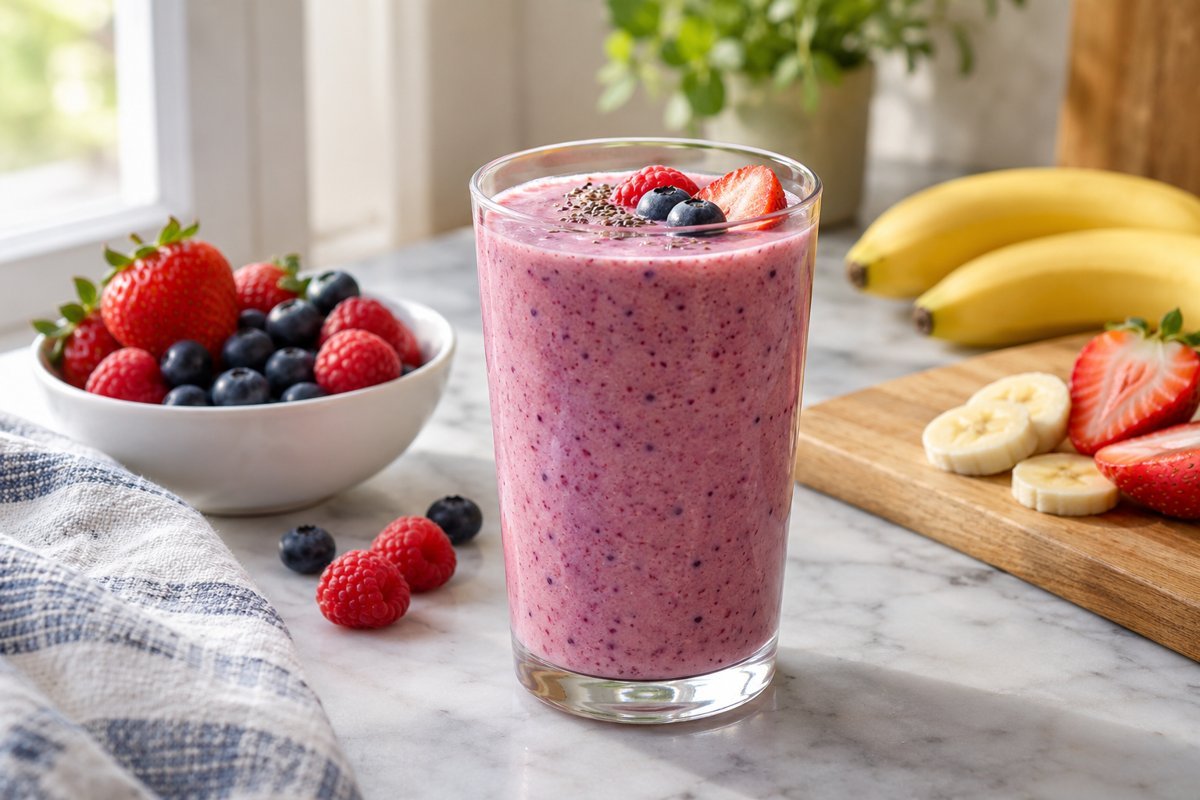
A bottled smoothie may use juice as a main ingredient, whereas a homemade version might include whole fruit and yogurt. Read both the ingredient list and the bottle’s number of servings. A large bottle is not necessarily one drink. Choose according to how it fits your meal rather than the healthy-looking design.
The bottle may contain juice, purees, dairy or other additions. Read it as you would any packaged food. Consider whether it is a drink beside lunch or a larger part of your meal. The word ‘smoothie’ doesn’t describe one fixed recipe.
21. Mixed snack packs
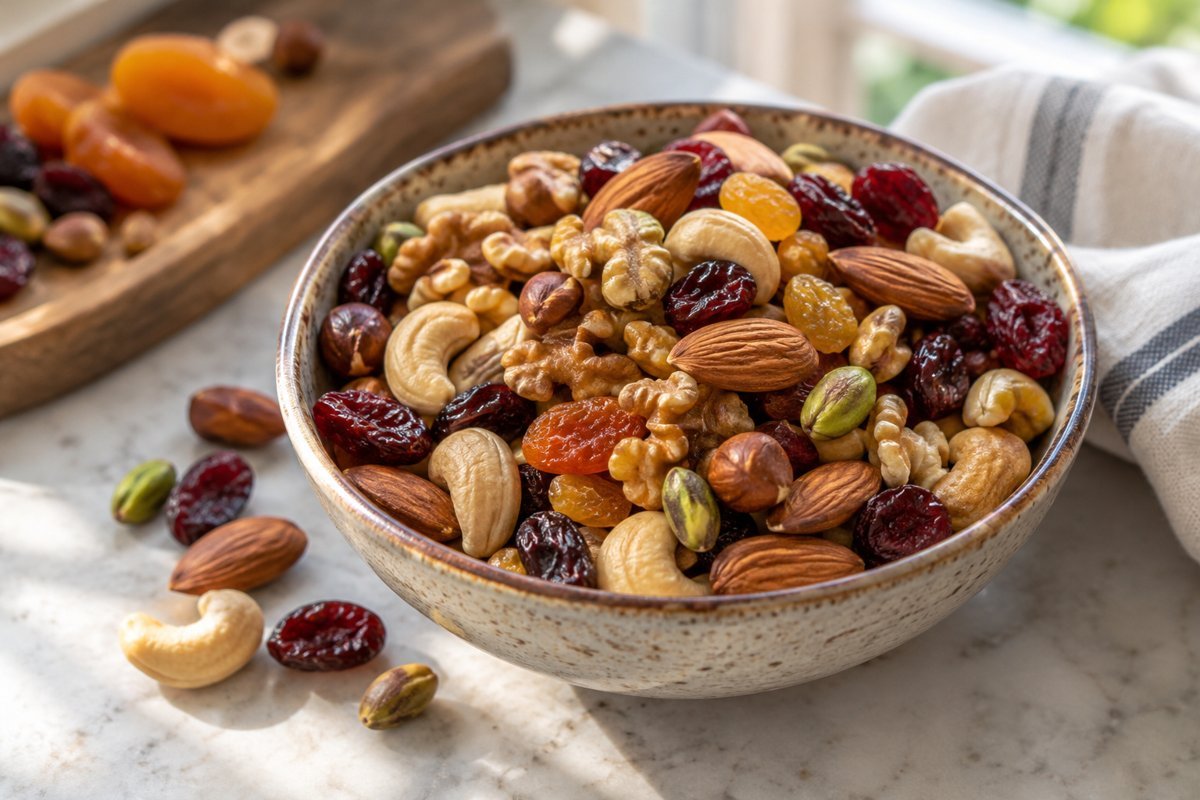
A snack pack containing several components can have separate allergen information for each one. Nuts in one compartment and crackers in another still share a package. If an allergy is involved, read every component and any relevant cross-contact warning. A neat portion pack makes serving convenient but doesn’t remove the need to check.
Several small foods in one package can mean several ingredient lists. Check each part when an allergy is involved. U.S. labels identify major allergens, but people can react to foods outside that group too. If the label leaves a safety question unanswered, contact the maker or leave it.
Source: FDA: food-allergen information.
Choose two products you often buy and read their labels side by side. Look for the difference that matters to you: an allergen, a particular ingredient, or how you plan to use the food. You don’t need to memorize every additive. Keep questions specific, and use reliable information rather than assuming that unfamiliar names mean danger.
Keep reading: 10 ‘Health Foods’ That Deserve a Closer Look or 10 Foods and Drinks to Rethink When Managing Your Weight.




5 thoughts on “21 Everyday Foods Worth Checking the Ingredients On”