Budget-friendly foods work best when you can turn them into meals and use them before they spoil. This list covers 25 ordinary ingredients, with ideas for cooking and storing them. Prices vary by shop and season, so compare unit prices and waste rather than relying on a fixed promise that one item is always cheapest.
Updated October 26, 2026
In this article
- Rolled oats
- Dry lentils
- Canned beans
- Dried beans
- Chickpeas
- Brown rice
- Whole-grain pasta
- Potatoes
- Sweet potatoes
- Carrots
- Cabbage
- Onions
- Frozen mixed vegetables
- Frozen spinach
- Canned tomatoes
- Bananas
- Apples
- Oranges
- Frozen berries
- Eggs
- Plain yogurt
- Milk or fortified alternatives
- Peanut butter
- Tofu
- Canned fish
Turn a short shopping list into several meals
Try this flexible example using foods from the list: oats with plain yogurt and banana for breakfast; lentils with canned tomatoes and carrots for a warm bowl; and rice with beans and frozen vegetables for another meal. Use leftovers only when they have been handled and stored safely. These are meal ideas, not a nutritionally calculated daily menu. For a five-dinner example using one grocery list, see our weeknight dinner plan.
Before shopping, check which ingredients you already have, then buy quantities you can use. If there are open cans or partly used vegetables in the fridge, start with these ideas for using half-finished ingredients. Compare prices in the same unit: a hypothetical 1 kg bag costing $3 is $0.30 per 100 g; a 500 g bag costing $2 is $0.40 per 100 g. These figures illustrate the arithmetic and are not current store prices. The larger bag saves money only if you can use it without waste. For dry versus canned beans, compare the usable cooked amounts rather than treating their package weights as equivalent.
1. Rolled oats
References
Sources checked October 11, 2026. General information; individual needs and rules can differ.
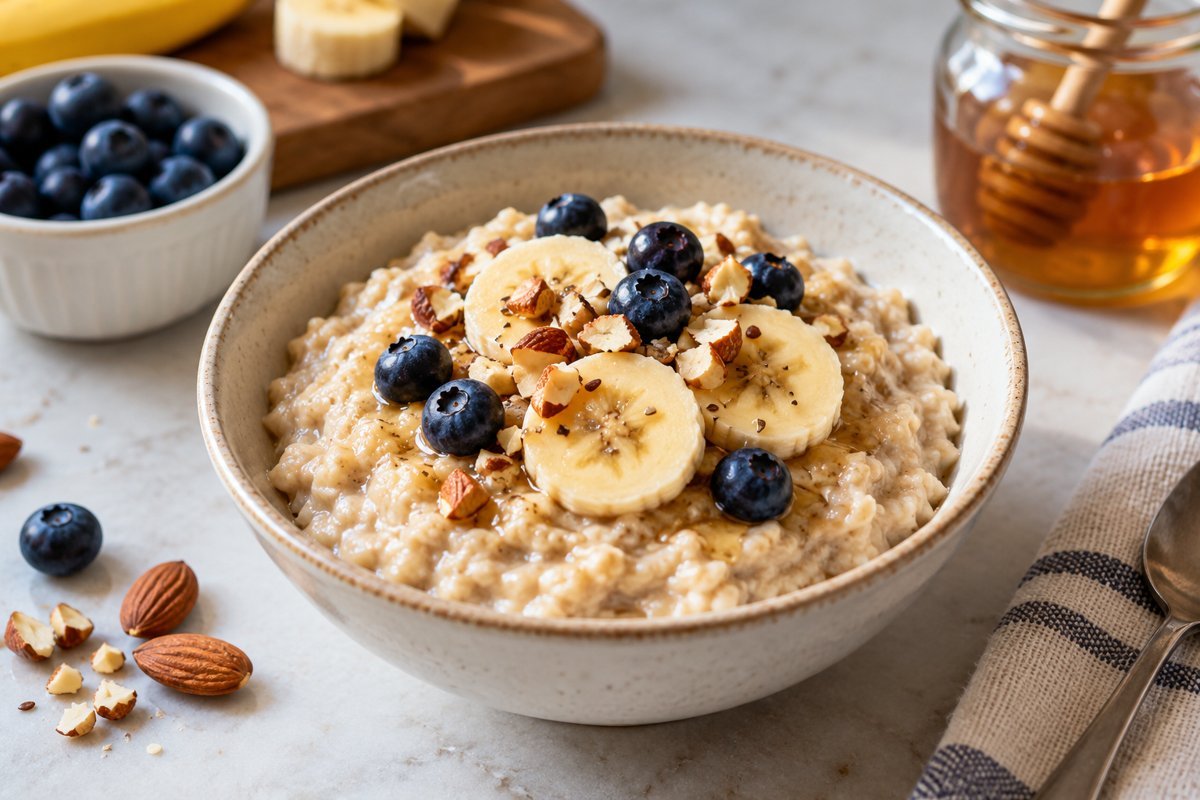
Plain oats are useful because the same container can become several meals. Cook them for breakfast, add them to a crumble topping or use them in savory bowls. Compare the price per ounce, not just the package price. A very large bag is only a saving if you can store it dry and use it.
Use plain oats for hot breakfast, overnight oats or baking. A larger container may cost less per ounce, but check the shelf label. Start with a bowl you enjoy: oats, milk or a suitable alternative, and sliced banana. Keep toppings simple so breakfast stays affordable.
2. Dry lentils
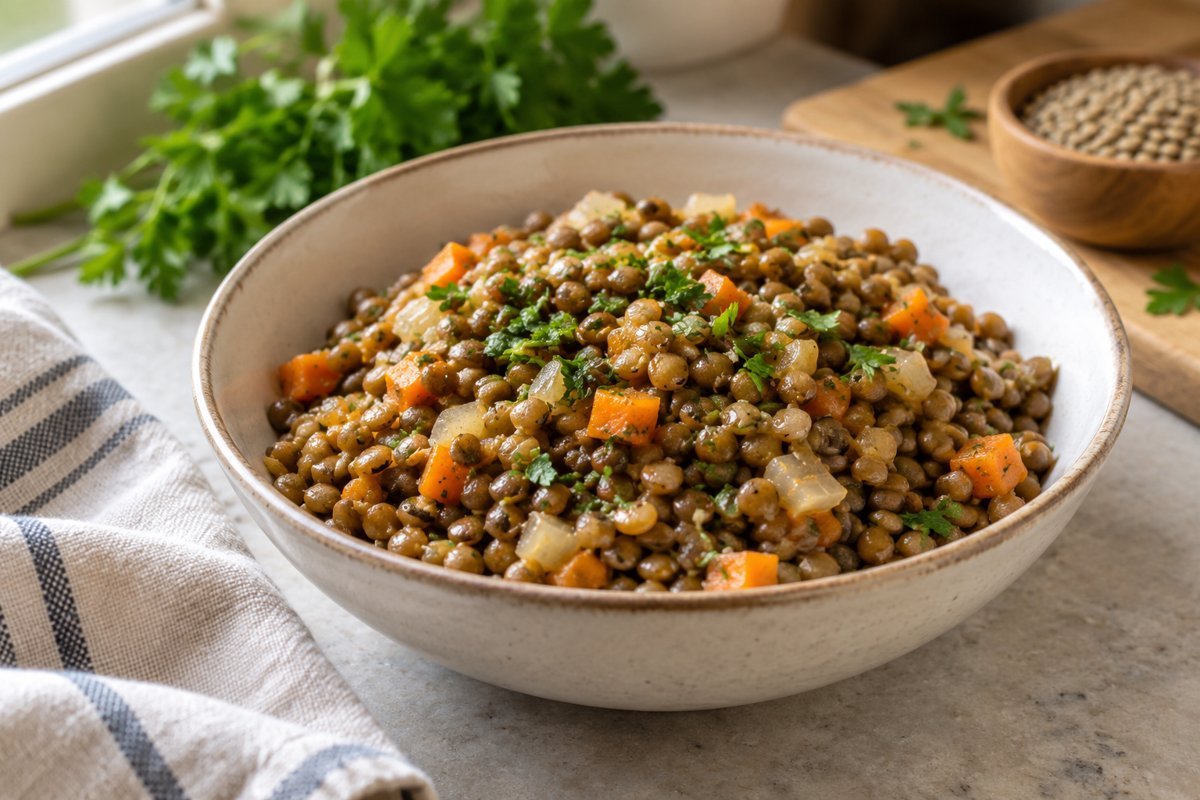
Dry lentils work well when you want to stretch a sauce or soup without buying another package of meat. Red lentils tend to soften into a dish, while other types can hold their shape better. Choose for the texture you want, and follow the packet rather than assuming all lentils cook in the same time.
Lentils are handy for soup, tomato sauce and warm bowls. Follow the packet’s cooking directions and add seasonings you already own. Cook a manageable amount, then refrigerate it promptly. If time is tight, compare canned lentils too; convenience can be worth paying for.
3. Canned beans
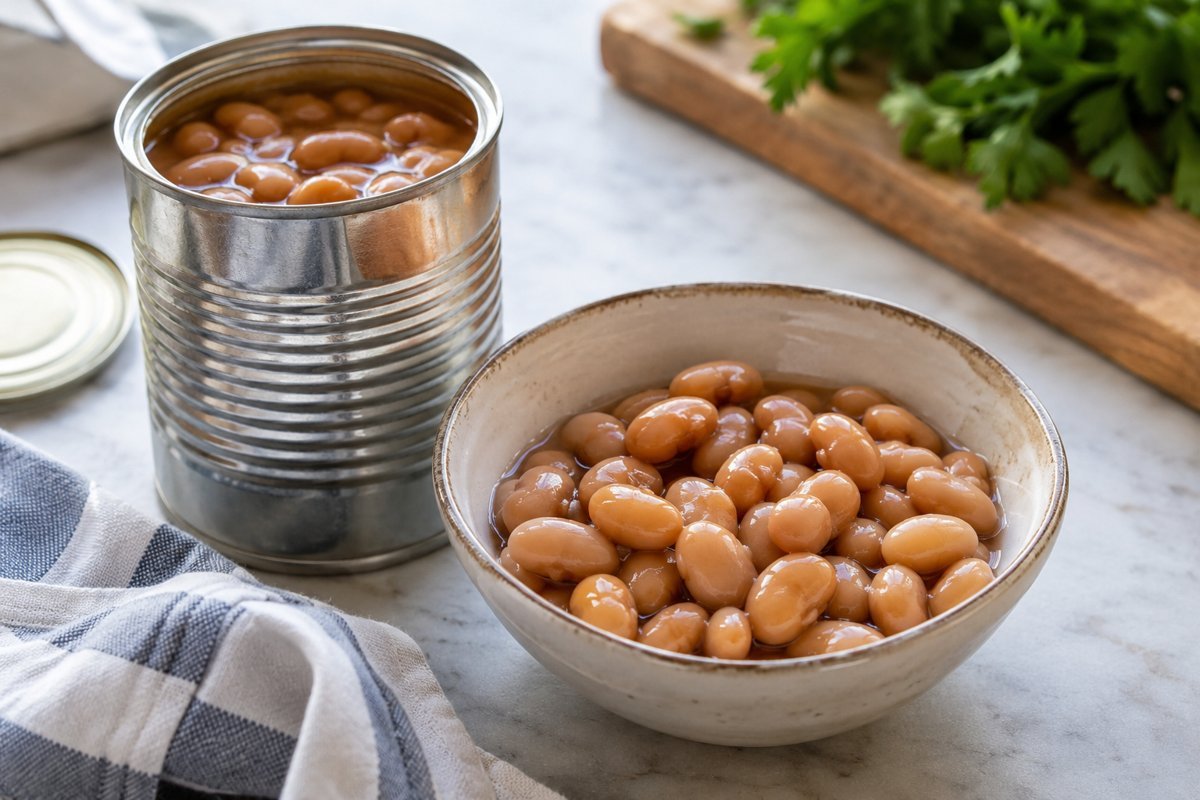
Canned beans trade some preparation time for convenience and can become taco filling, salad or quick soup. Compare the drained amount and choose lower-sodium options if those suit your needs. Rinsing can remove some surface liquid and salt. Transfer leftovers to a suitable container, refrigerate them promptly and follow reliable storage guidance. For more quick ideas, see our canned bean dinner ideas.
4. Dried beans
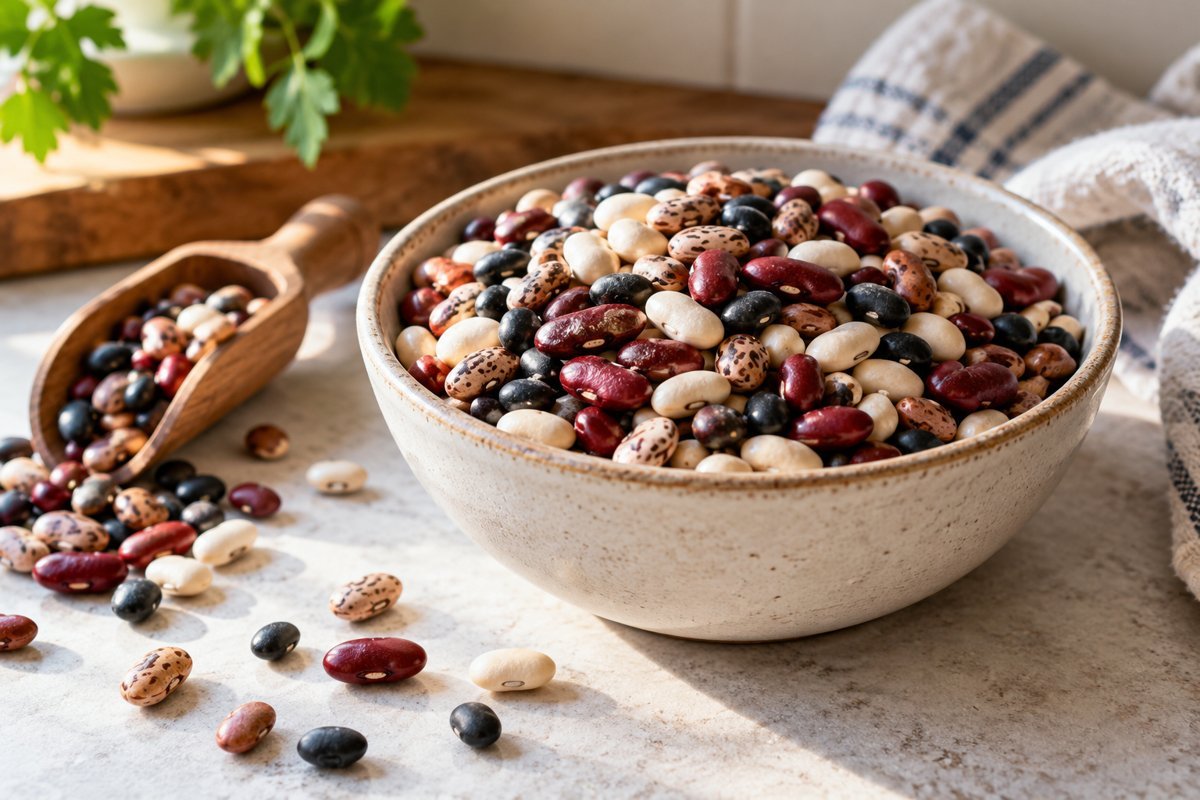
Dried beans can be economical if you have time to prepare them correctly. Follow reliable soaking and cooking instructions for the specific bean; undercooked kidney beans can cause illness. A pressure cooker or batch plan may save time, but canned beans are a reasonable alternative when you cannot prepare a batch safely. Buy only what you expect to use.
5. Chickpeas
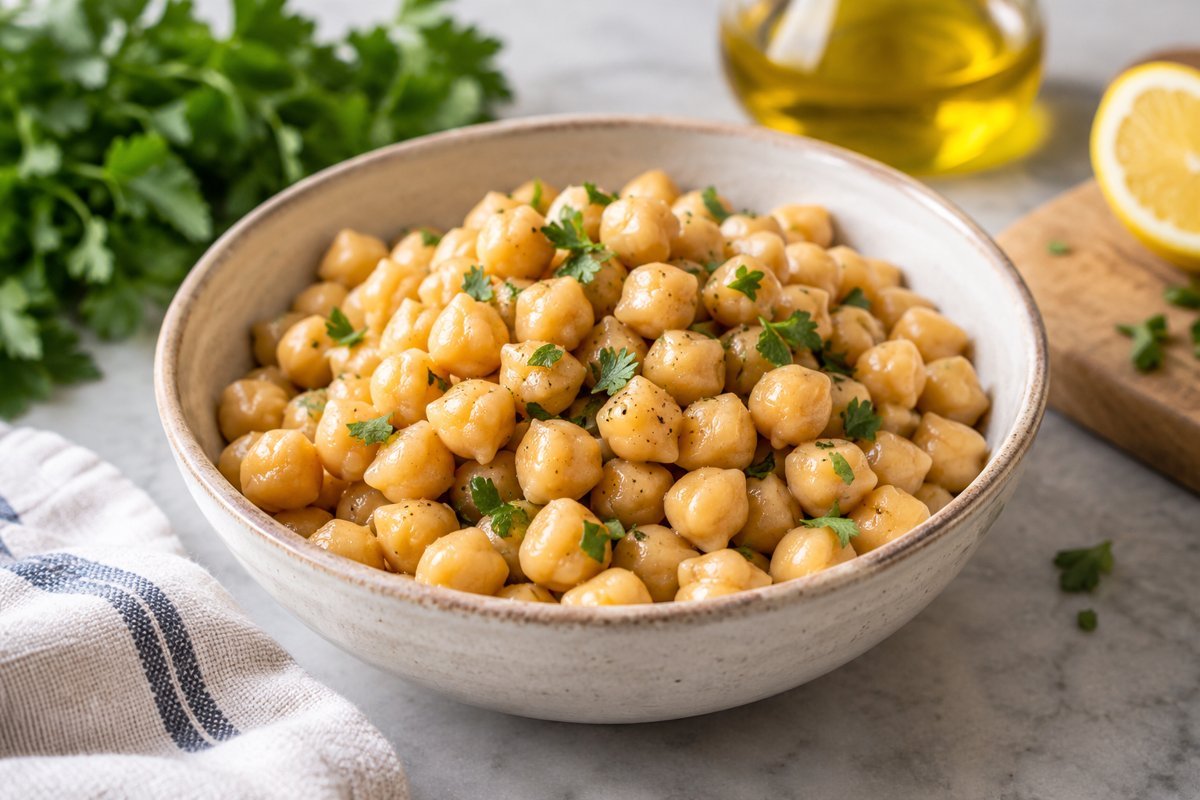
Chickpeas can be mashed into a sandwich filling, stirred into a curry or added to a salad. That makes one purchase useful across several meals. Start with a small amount of a new recipe rather than buying ingredients for a large batch you might not enjoy. Canned and dried versions suit different schedules.
Add chickpeas to a tray of vegetables, a salad or a simple curry. Canned ones save preparation time. Keep one easy recipe in mind before you buy them, such as chickpeas with tomatoes and rice. That helps turn a pantry purchase into an actual dinner.
6. Brown rice
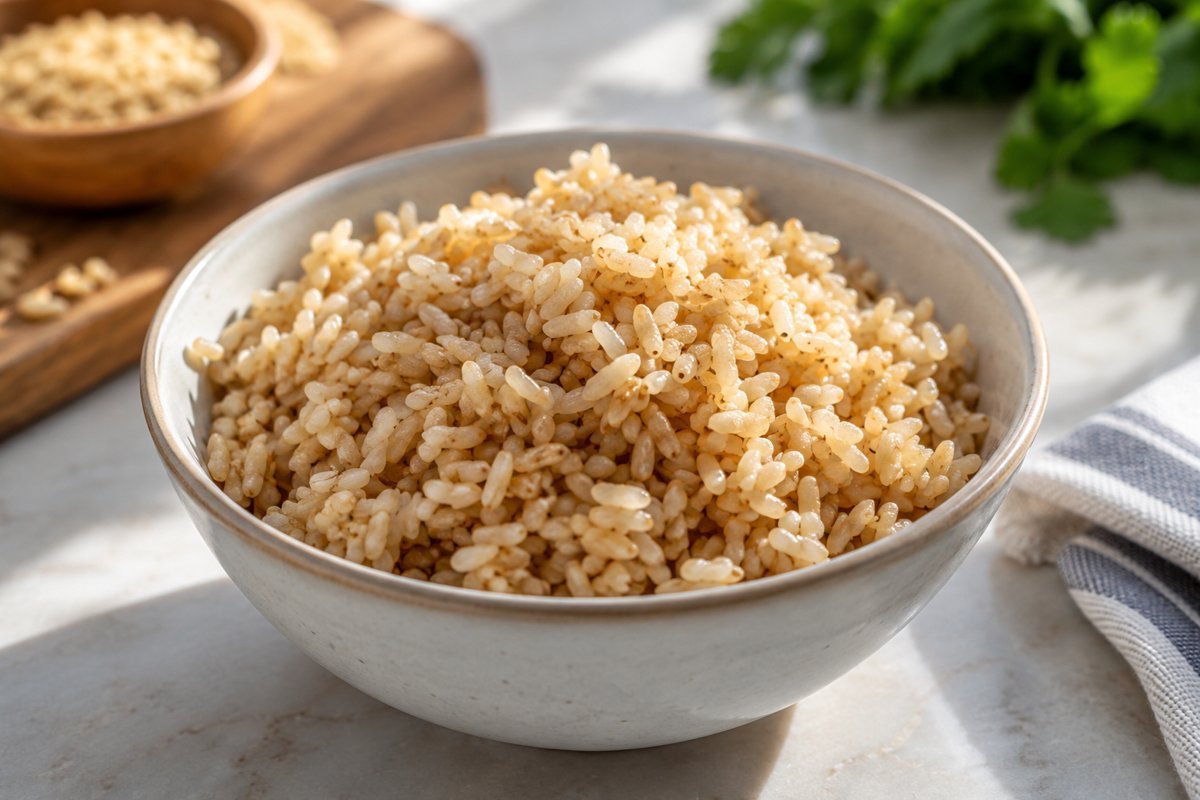
Rice is often sold in large bags, so unit pricing can reveal savings that the shelf price hides. Balance that saving with storage space and how much you use. Cool cooked rice promptly and refrigerate it safely; leaving a big pot out for hours to save effort is not a safe batch-cooking plan.
Rice can anchor several meals with different toppings. Compare bag sizes, and follow cooking instructions for your type of rice. Cool leftovers promptly and keep them refrigerated. Plan how you’ll use the cooked portion rather than making a huge batch with no storage plan.
7. Whole-grain pasta
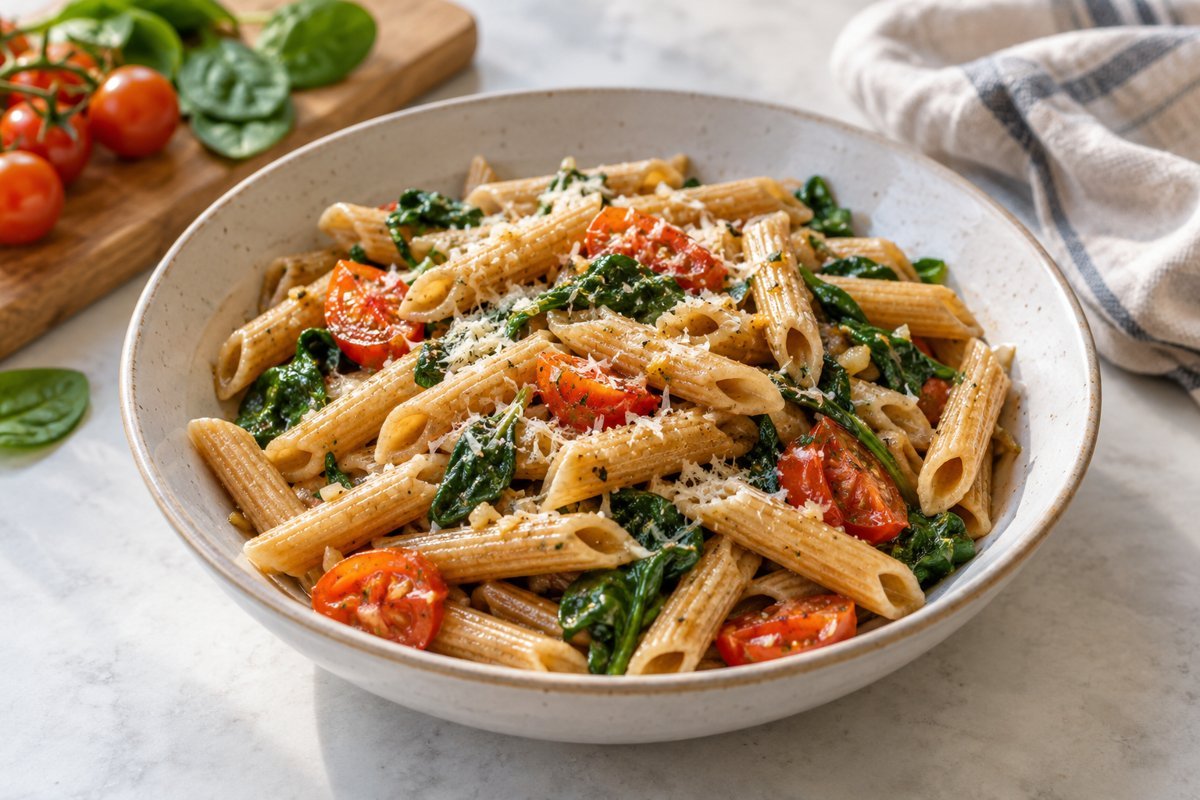
A packet of pasta can stretch across several meals when paired with vegetables and beans or another protein food. Whole-grain varieties have a different taste and texture, so try a small package before committing to a bulk purchase. The most economical food is one your household will actually eat.
Pasta works with frozen vegetables, beans or tomato sauce. Compare it with other pasta you like and choose a version your household will eat. Keep a simple sauce ready in the pantry. A familiar dinner often makes budgeting easier than a long recipe needing many new ingredients.
8. Potatoes
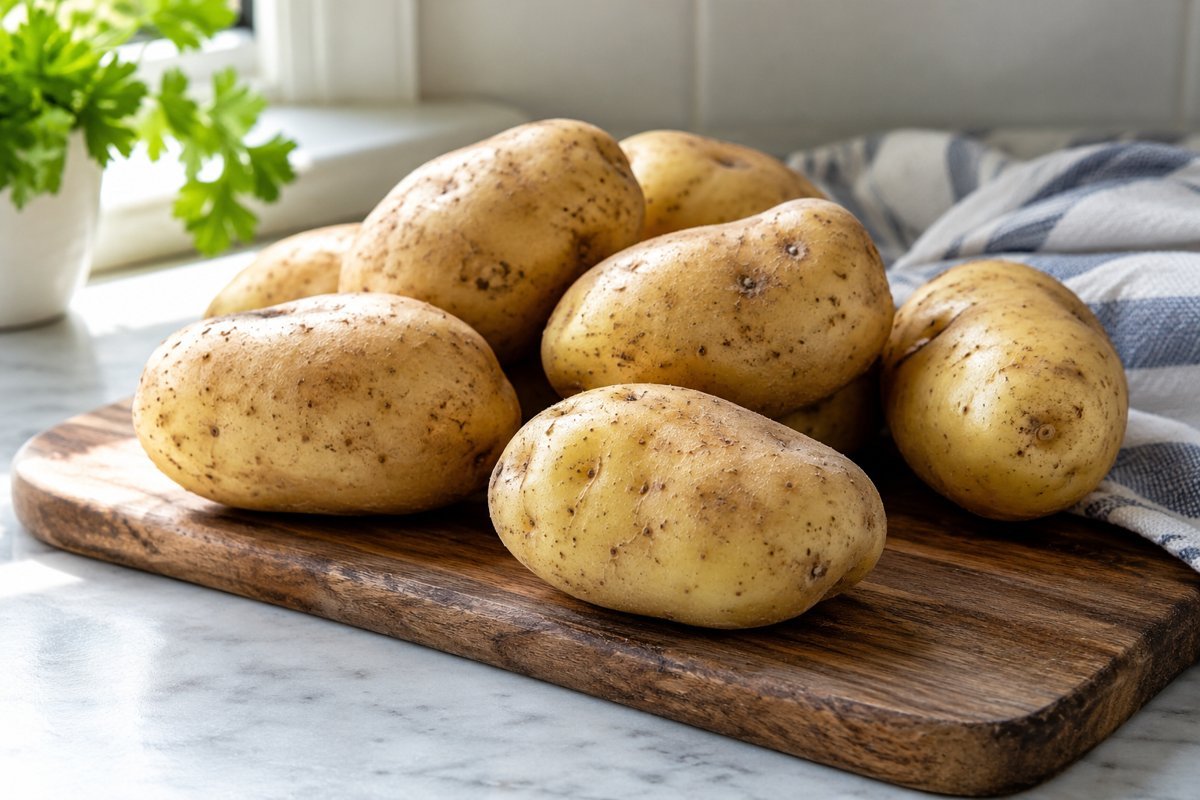
Potatoes work in soups, baked meals and simple sides, which makes them useful for using other leftovers. Buy the amount you can store properly rather than automatically choosing the largest sack. Keep them in suitable cool, dry, dark storage, and discard badly damaged or spoiled potatoes instead of trying to save every piece.
Bake, boil or roast potatoes, then pair them with beans, eggs or vegetables. Buy loose ones if a large bag would go to waste. Store them according to appropriate food-storage guidance and discard damaged or unsuitable potatoes. The inexpensive ingredient is the one you can use well.
9. Sweet potatoes
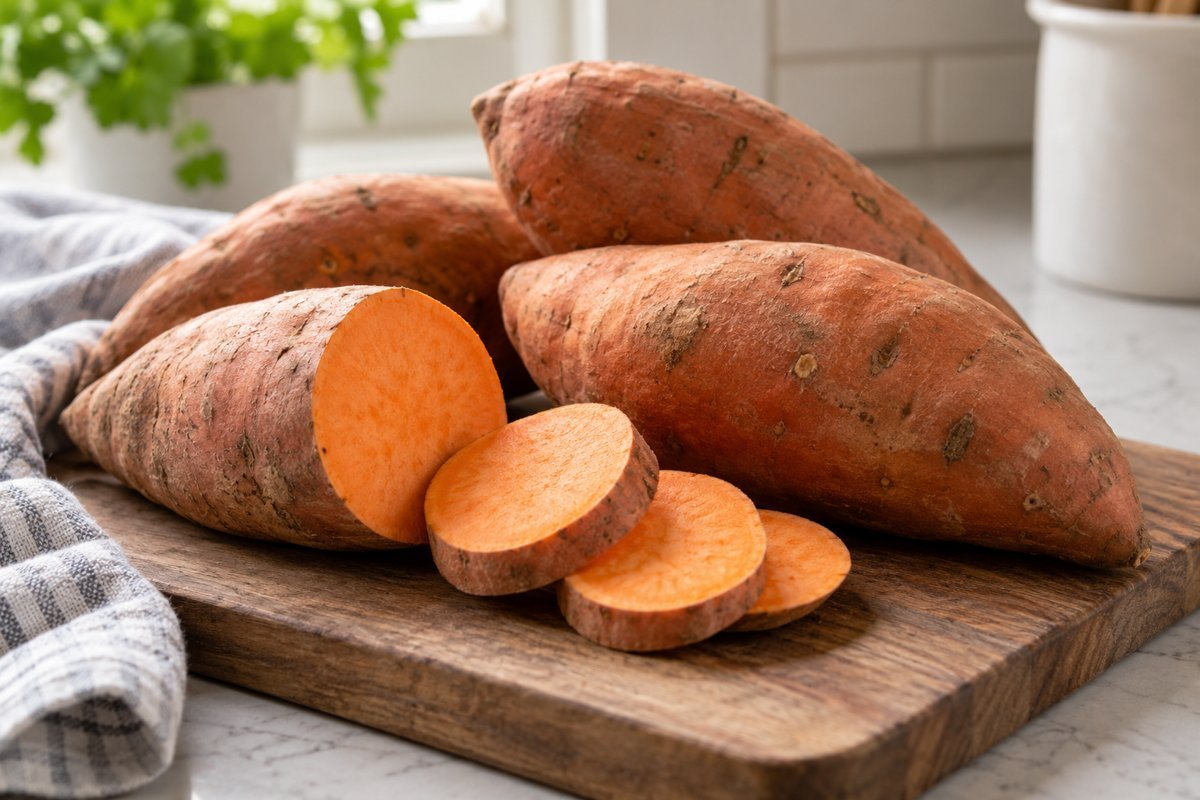
Sweet potatoes can be baked, roasted or added to a bean bowl. Their price varies, so compare them with other vegetables rather than assuming they are always cheap. Cooking several at once can make later meals easier, provided you refrigerate cooked food promptly and use safe storage guidance.
Try a baked sweet potato with beans or a spoonful of plain yogurt. Prices can differ a lot from ordinary potatoes, so compare rather than assuming. A smaller amount is fine when they cost more. You don’t need a fashionable ingredient in every meal.
10. Carrots
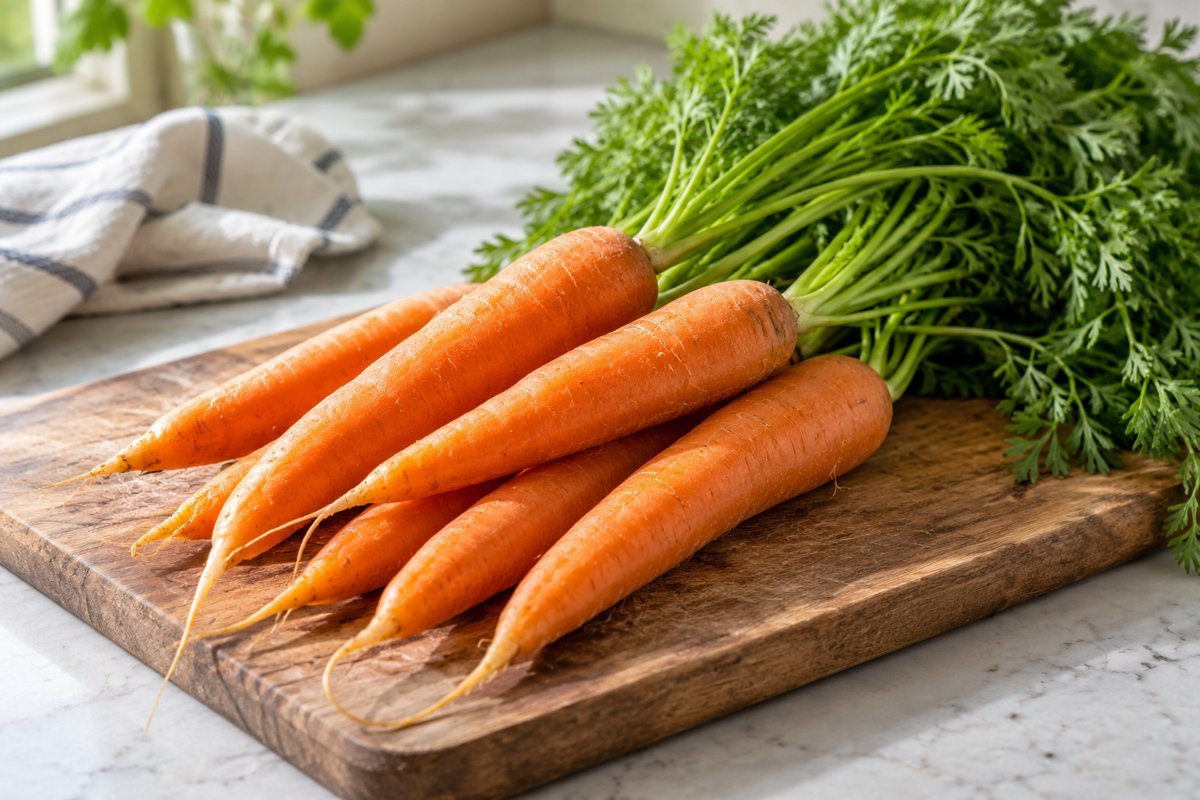
Carrots can be eaten raw where appropriate, cooked into soup or added to a tray of roasted vegetables. A bag gives you several uses without requiring a new recipe for every meal. Whole carrots may cost less than prepared pieces, but preparation time and waste also belong in the comparison.
Carrots work raw, roasted, grated into a salad or stirred into soup. Whole carrots may offer better value than small prepared packs, though the preparation time matters. Plan two uses before buying a big bag. Use safe washing and storage habits for any fresh produce.
11. Cabbage
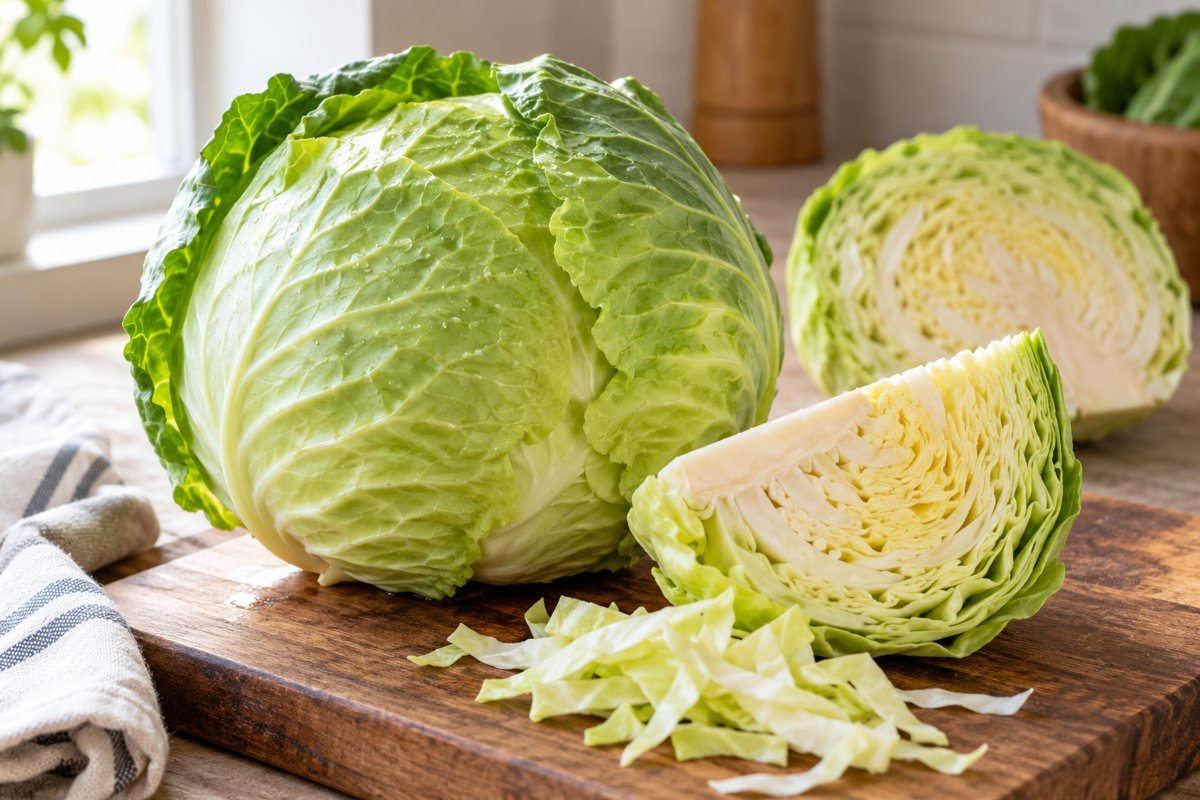
A whole cabbage can supply slaw, soup and cooked sides, though a very large one is poor value if half is discarded. Plan two or three uses before buying. Shred only what you need for the immediate meal and refrigerate the rest appropriately. Simple seasonings can change the dish without a long shopping list.
Slice some for a salad and cook the rest with beans or rice. A whole cabbage can go a long way, but only buy it if you’ll use it. Choose a smaller head when cooking for one. Simple seasonings can give two meals quite different flavors. For more ways to prepare it, see our 10 cabbage ideas beyond coleslaw.
12. Onions
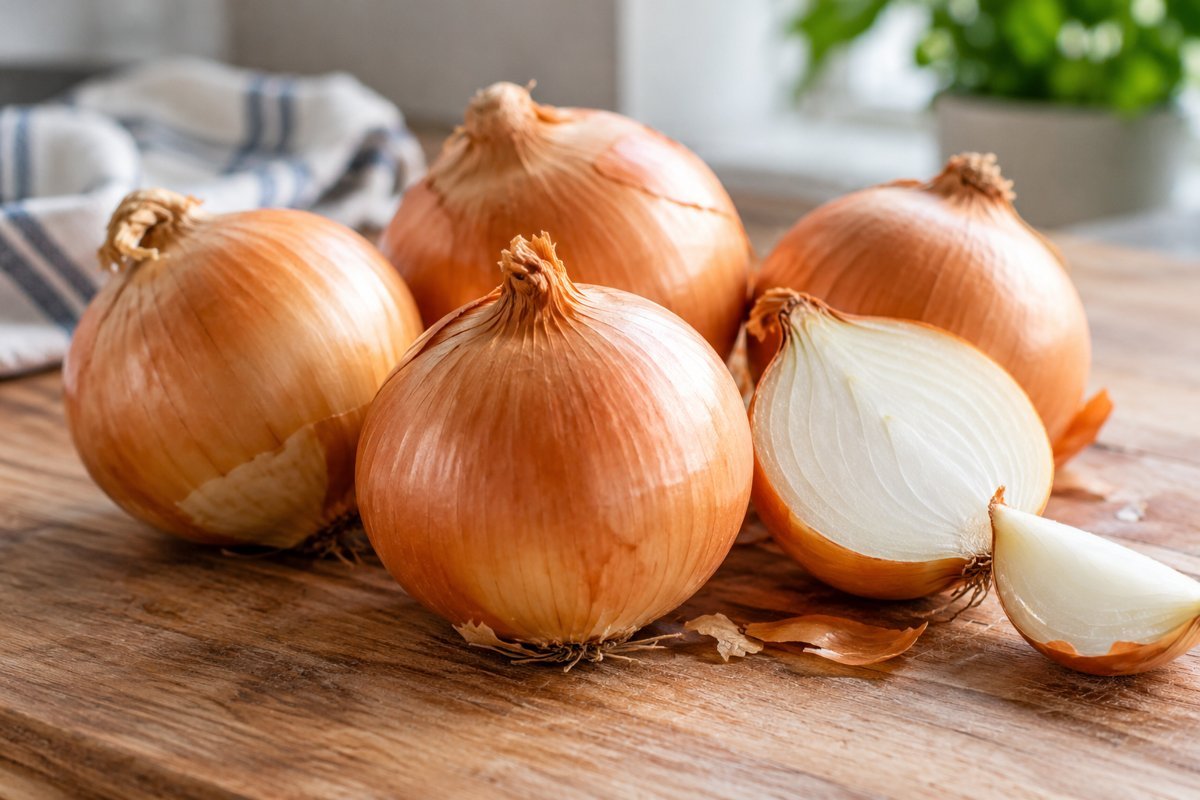
Onions provide a base for many meals, so they can make inexpensive beans and vegetables easier to enjoy. Buy sound bulbs and store them according to suitable guidance. A bag is useful if you cook regularly; a couple of loose onions may make more sense when you only need one recipe.
Onions can start soups, sauces and bean dishes. Buy only what your storage space and meal plan can handle. If chopping is difficult or time is limited, compare frozen chopped onions. The best value includes the work you can realistically do.
13. Frozen mixed vegetables
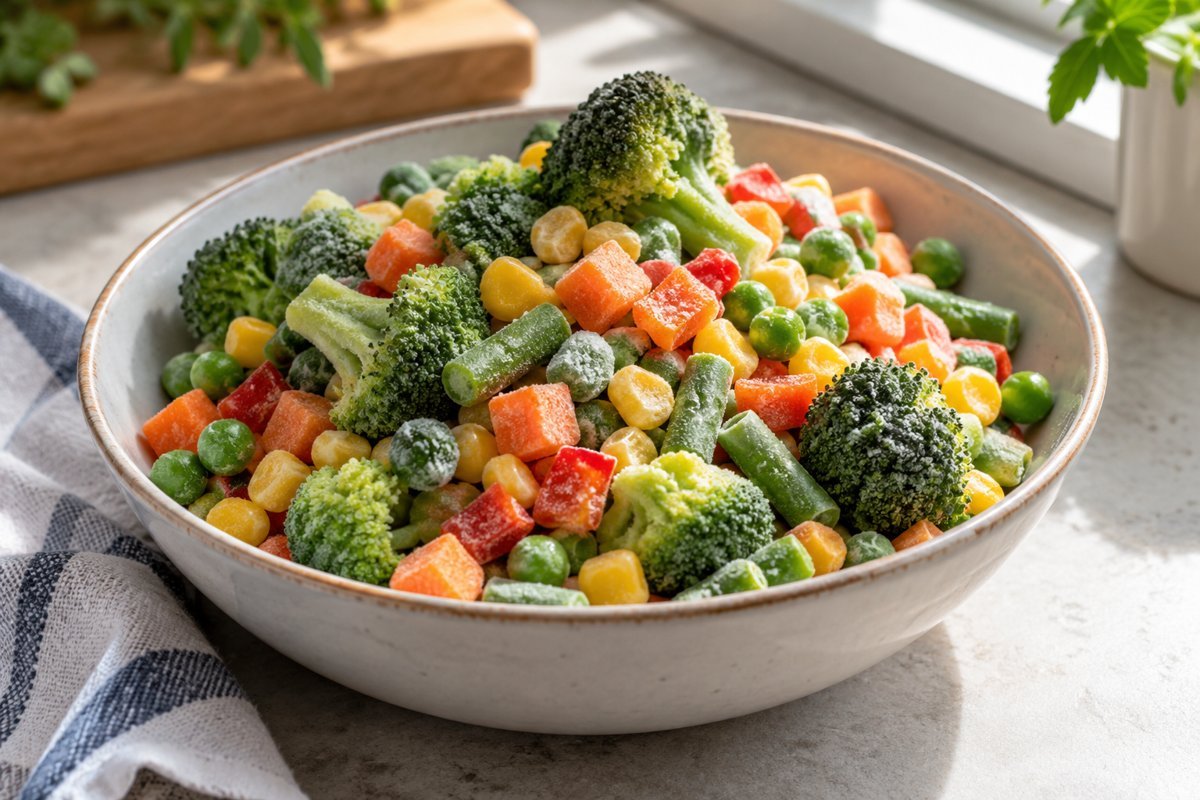
Frozen vegetable mixes let you take out a portion and put the rest back in the freezer. That can reduce waste compared with a large bag of fresh produce. Check whether the mix includes a sauce or seasoning if you want plain vegetables. Add it to noodles, rice or soup according to package cooking instructions.
A bag lets you use a little at a time. Add them to rice, soup or pasta and cook as directed on the package. Compare plain vegetables with versions that include sauces. Keep the bag properly frozen and close it after taking out your portion.
14. Frozen spinach
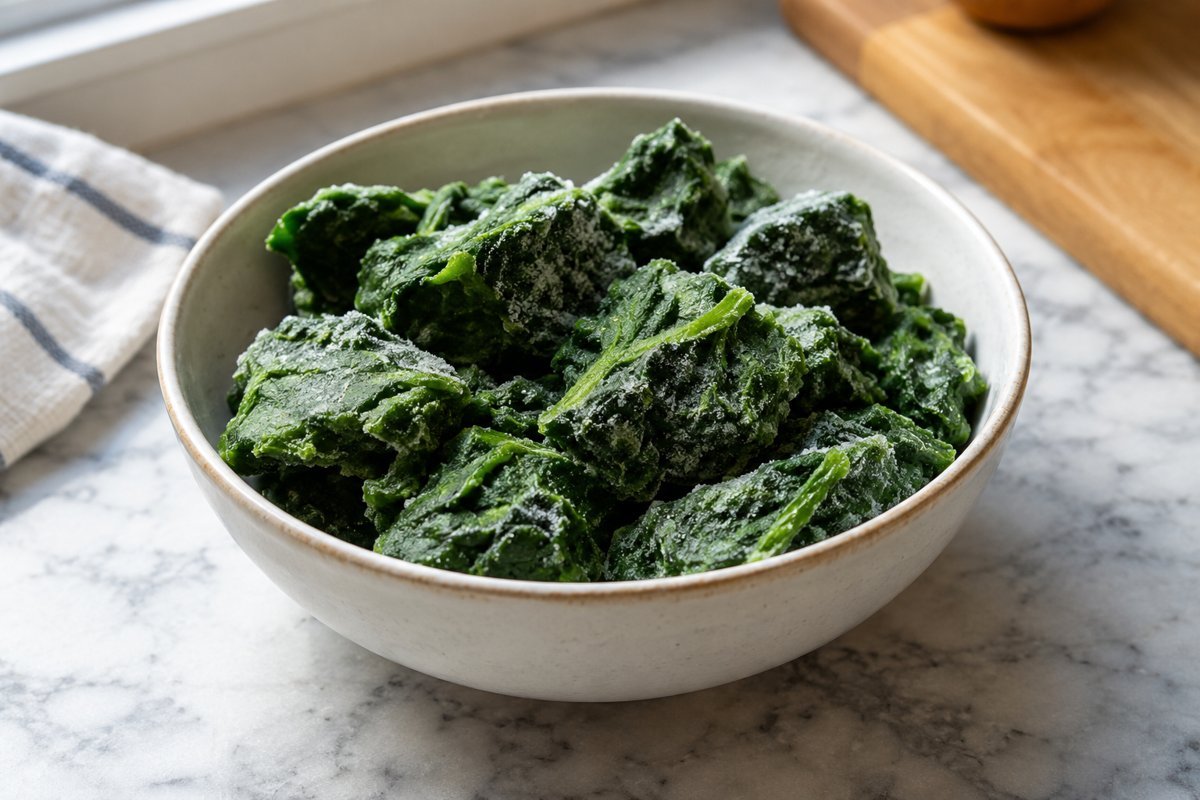
Frozen spinach is useful when fresh leaves often wilt before you use them. A small amount can go into pasta sauce, eggs or a bean dish. Follow the packet’s preparation directions and account for extra water in the recipe. You don’t need to use an entire block in one meal.
Use frozen spinach in an egg dish, lentil soup or pasta sauce. Its texture suits cooked meals. Follow the package directions rather than treating it as ready-to-eat salad. A compact freezer ingredient can make it easier to add vegetables when fresh ones run out.
15. Canned tomatoes
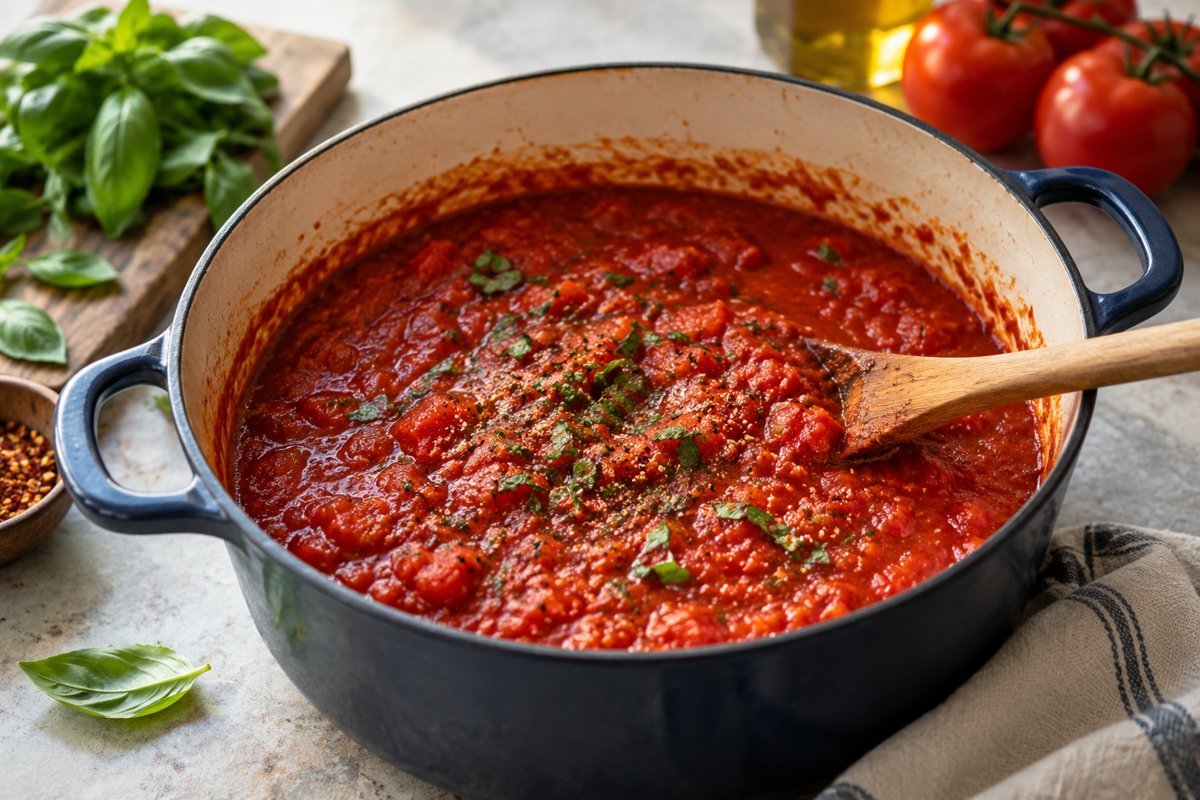
Canned tomatoes are a flexible starting point for sauce, soup or a lentil stew. Compare plain tomatoes with seasoned sauces so you know what you’re paying for. An opened can needs proper refrigerated storage. If you only use part of it, plan the next meal instead of letting the remainder disappear at the back of the fridge.
These can form the base of chili, soup or pasta sauce. Compare chopped, whole and crushed versions and pick what your recipes need. A simple can may be cheaper than a prepared sauce. Check how much seasoning or salt has already been added.
16. Bananas
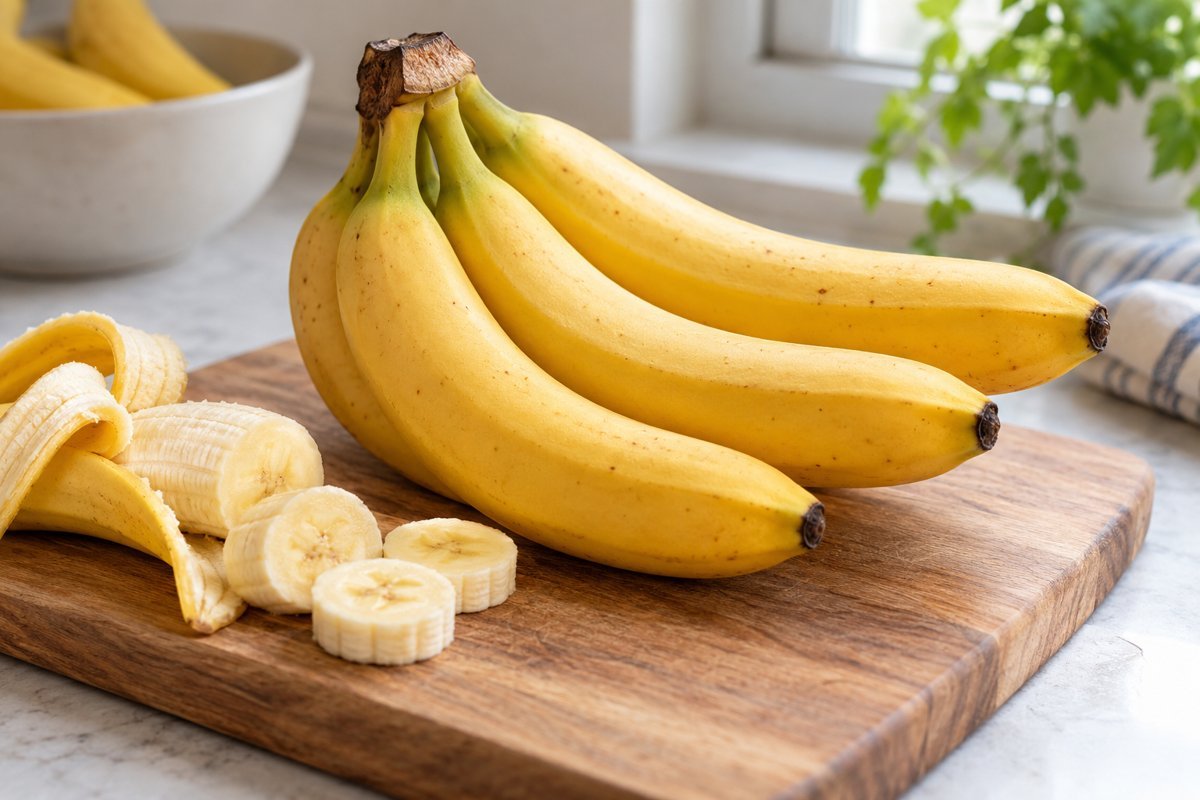
Bananas are easy to carry and need little preparation, but buying a large bunch can create waste if they ripen together. Choose a mix of ripeness where available. Ripe bananas can be frozen for later blending or baking; peel them first and use a suitable container.
Bananas are easy to add to oats or eat beside a sandwich. Buy different stages of ripeness if you’ll eat them over several days. Freeze peeled ripe pieces for a future smoothie if needed. Don’t buy extra just because the display looks like a bargain.
17. Apples
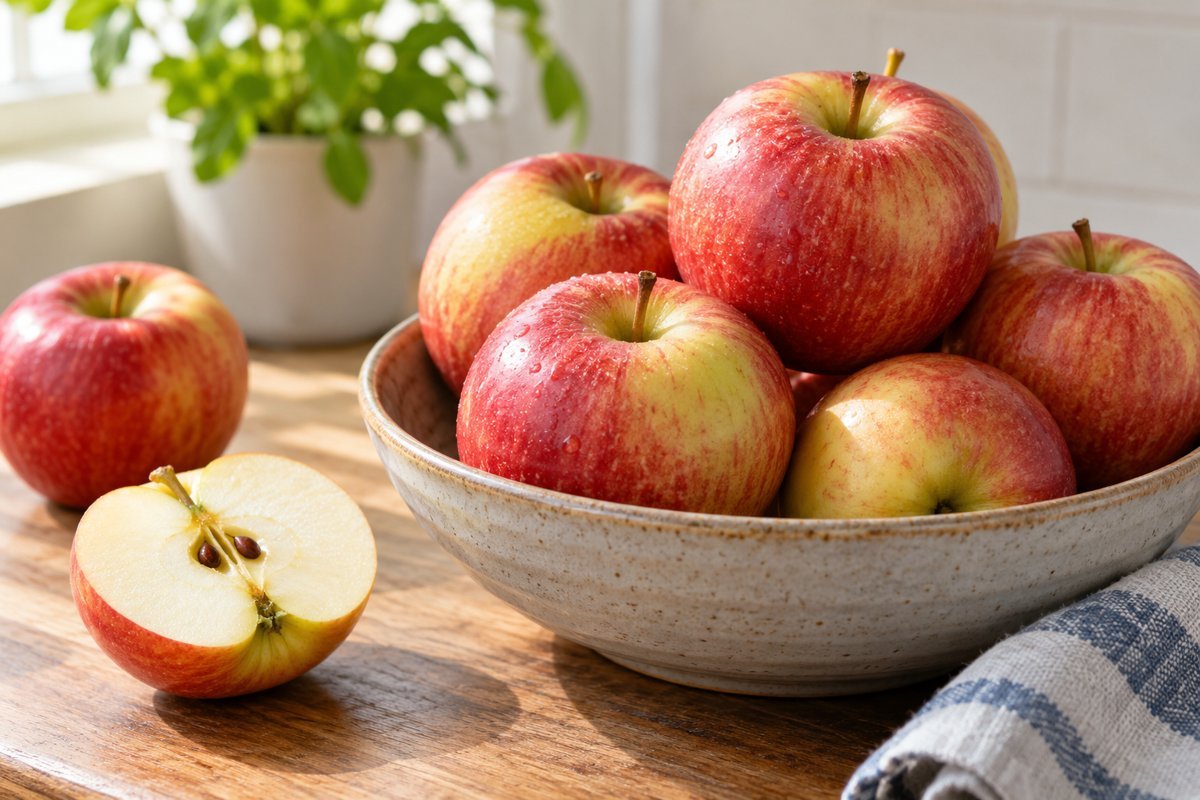
Apples can serve as snacks, go into oats or be cooked when their texture is no longer as crisp. Check the price per pound and inspect a bag for damaged fruit. A cheaper variety that you enjoy can do the same job as a premium one. Buy for use, not just appearance.
An apple travels well and needs little preparation beyond washing. Compare varieties and bag prices, and think about the number you’ll use. Slice one beside lunch or cook some into oats. Seasonal alternatives may cost less, so let local prices guide you.
18. Oranges
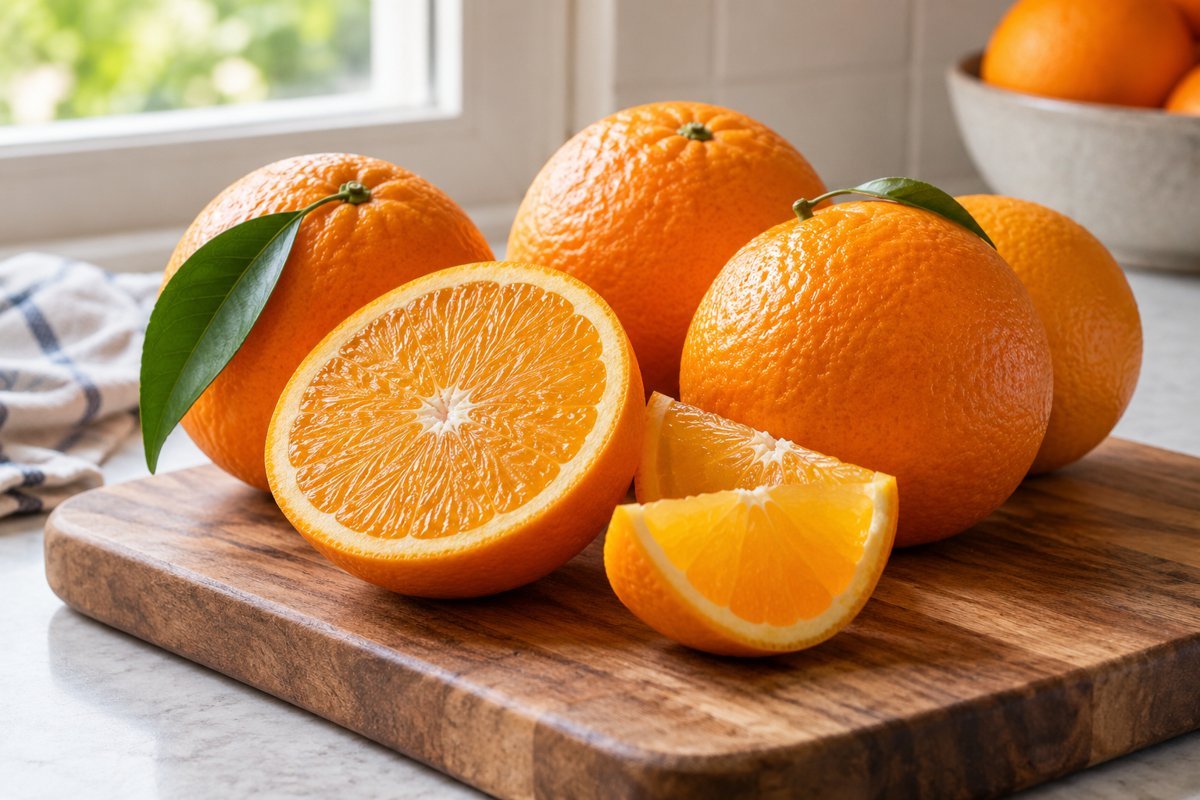
Oranges offer a ready-made snack without buying individual packaged portions. Compare bag prices with loose fruit and consider how many you can use. Whole oranges and juice are different purchases: the whole fruit also supplies fiber and a slower eating experience. Choose according to the role you want.
A whole orange can be a snack or part of breakfast. Compare the price of a bag with loose fruit. Choose fruit you have time and ability to prepare. If another seasonal fruit is a better deal this week, it can take the same place on your list.
19. Frozen berries
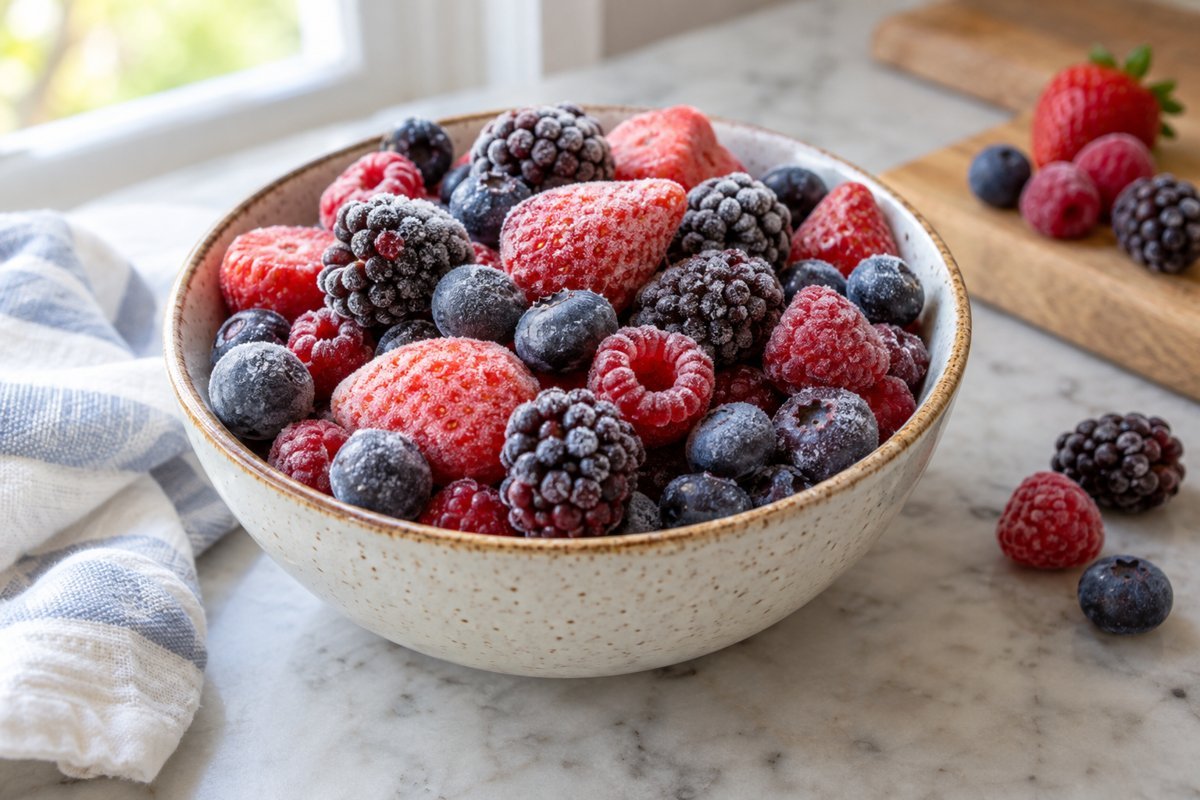
Frozen berries make it possible to use a spoonful at a time without losing a whole fresh punnet. Check whether the bag has added sugar and follow its safety and preparation instructions. Some products are intended to be cooked. Keep the bag sealed and frozen between uses instead of repeatedly thawing the whole lot.
Use a small amount in cooked oats, baking or a smoothie as appropriate for the product instructions. A bag can be easier to finish than a large fresh punnet. Compare plain berries with sweetened products. Keep some in reserve rather than feeling you must use the whole bag at once.
20. Eggs
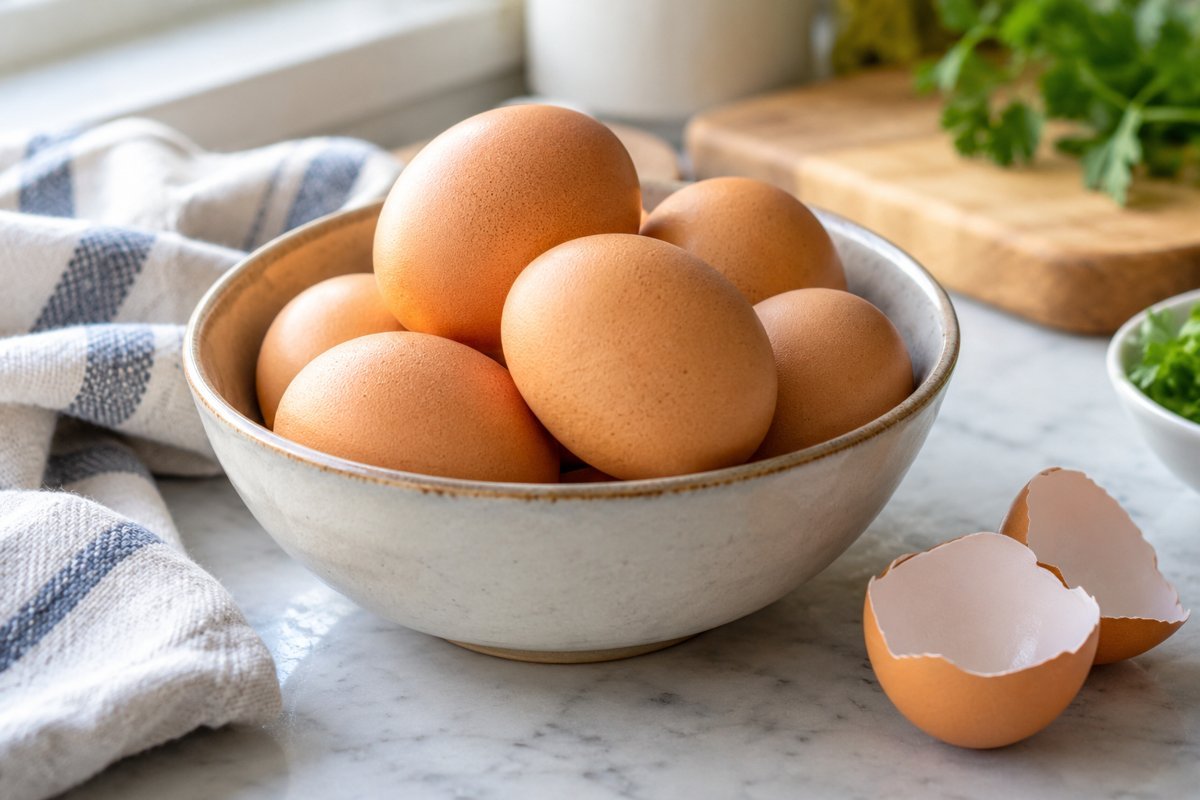
Eggs can make a quick meal with bread and vegetables, and their price varies enough that comparison shopping can matter. A larger carton is not a saving if you won’t use it. Keep eggs refrigerated where required and cook them safely, particularly when serving someone more vulnerable to foodborne illness.
Eggs can fit breakfast, lunch or dinner. Prices fluctuate, so compare the carton cost and use-by guidance. A vegetable omelet or hard-cooked egg can use ingredients already in the fridge. Cook and store eggs safely, especially when packing them for later.
21. Plain yogurt
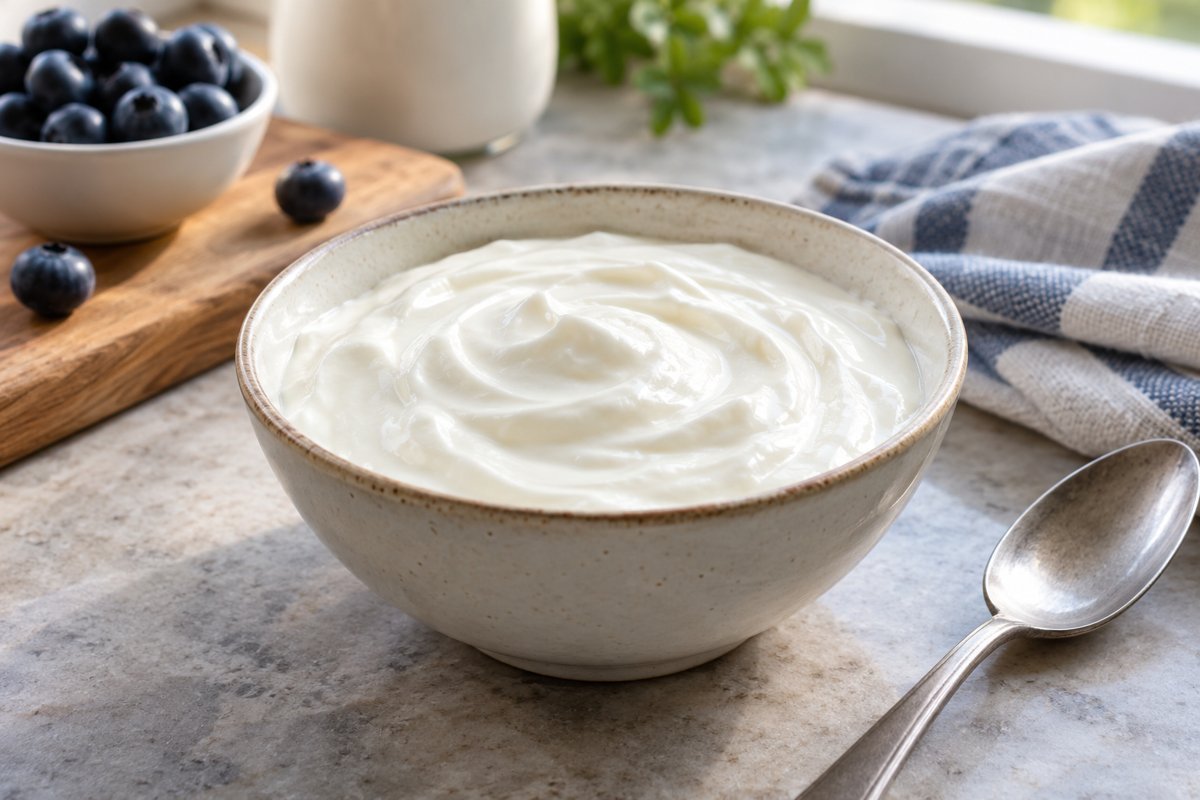
A large tub of plain yogurt can work for breakfast, a dip or a snack with fruit. Compare its unit price with small pots, but choose a size you will finish. Add fruit for sweetness or herbs for a savory sauce. Dairy-free versions are another option; check what they provide and consider any dietary restrictions.
22. Milk or fortified alternatives
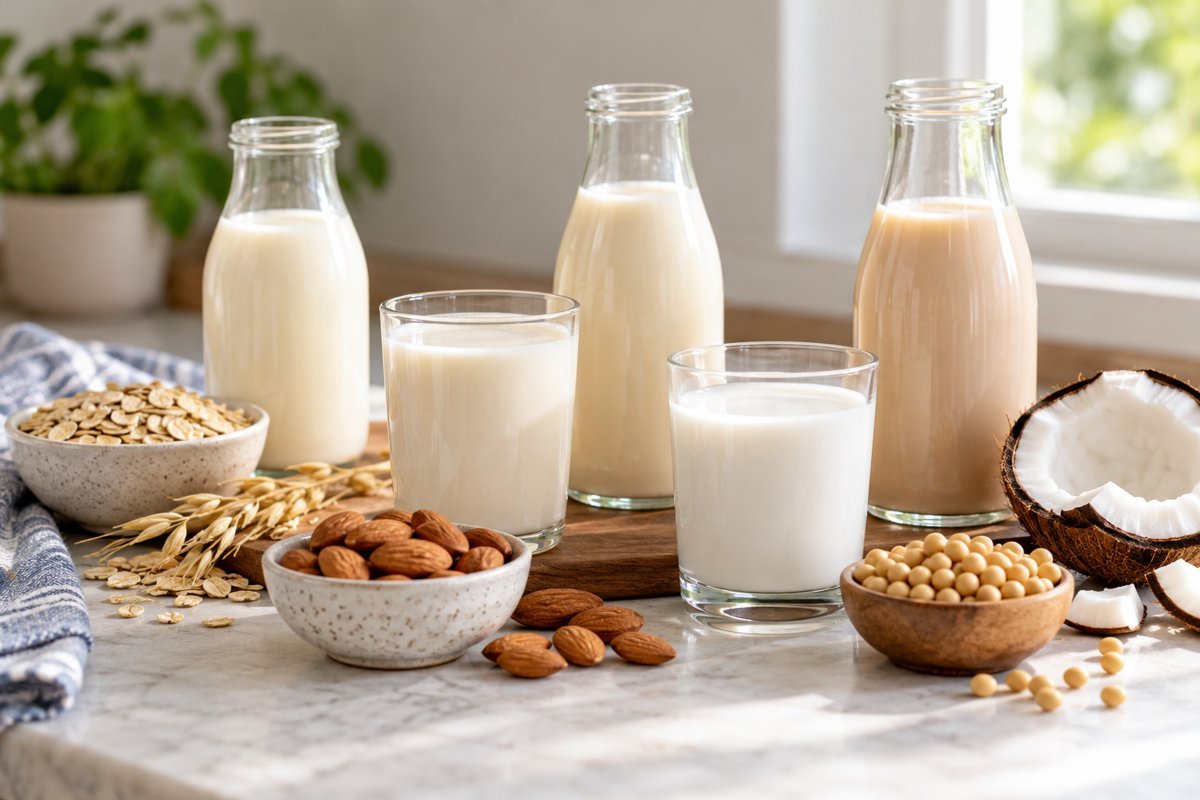
The economical choice depends on what you need from the drink. If it replaces dairy in your routine, compare protein and fortification as well as price. FDA notes that plant-based beverages vary substantially. Buying the cheapest carton without checking those differences can leave you with a product that serves another purpose.
Choose a drink that fits your needs and allergies. Compare unit prices and the amount you’ll finish before it spoils. Plant-based drinks differ in nutrients, so read the label if they replace milk. A smaller carton can be better value when a large one gets wasted.
23. Peanut butter
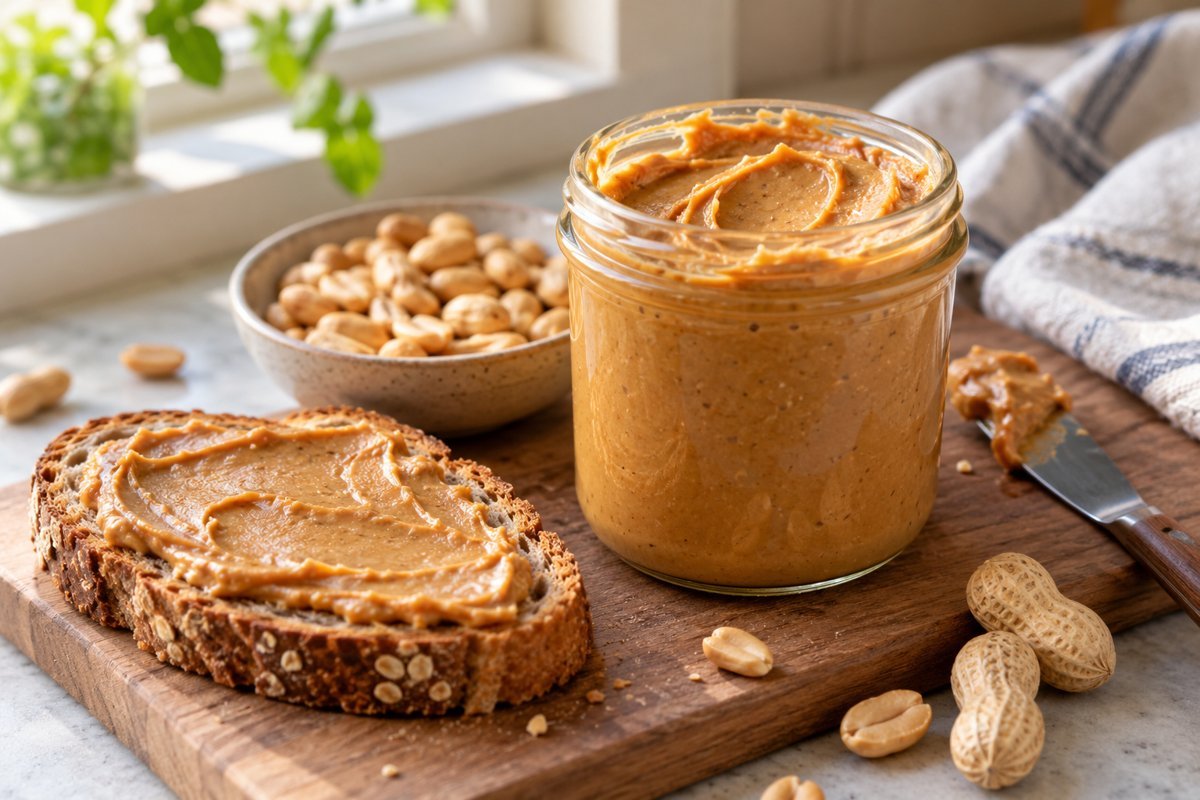
Peanut butter can be spread on toast, stirred into a sauce or used as a small snack addition. Compare ingredients and unit prices rather than assuming a premium label is necessary. It is unsuitable for someone with a peanut allergy, and a bulk jar only helps if it can be used safely.
A spoonful can go on toast, into oats or into a sauce. Read the ingredients and choose a jar that suits you. Peanut allergy requires a safe alternative. Nut and seed spreads vary in price, so there’s no need to buy an expensive one just for a recipe.
24. Tofu
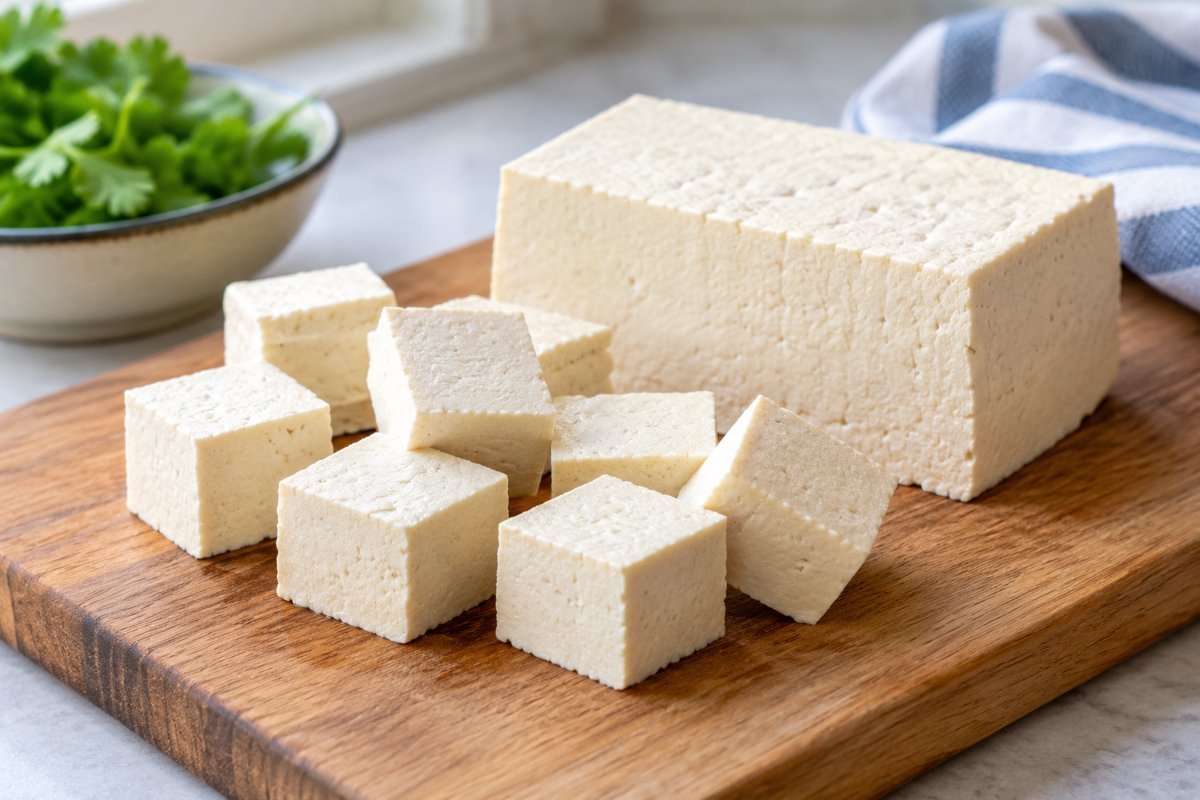
Tofu takes on sauces and seasonings, which makes it useful in rice bowls and vegetable dishes. Firm and softer types suit different recipes, so buy for the texture you need. Follow the package’s refrigeration instructions after opening. A simple stir-fry can use a modest amount without a specialist recipe.
Tofu can be used in a stir-fry, scrambled with vegetables or baked for a rice bowl. Choose the firmness your recipe needs and follow storage instructions after opening. Start with a small pack if it’s new to you. Food that gets eaten is better value than an unused bargain. For more meal ideas using tofu and rice, see our Japanese-style comfort dishes guide.
25. Canned fish
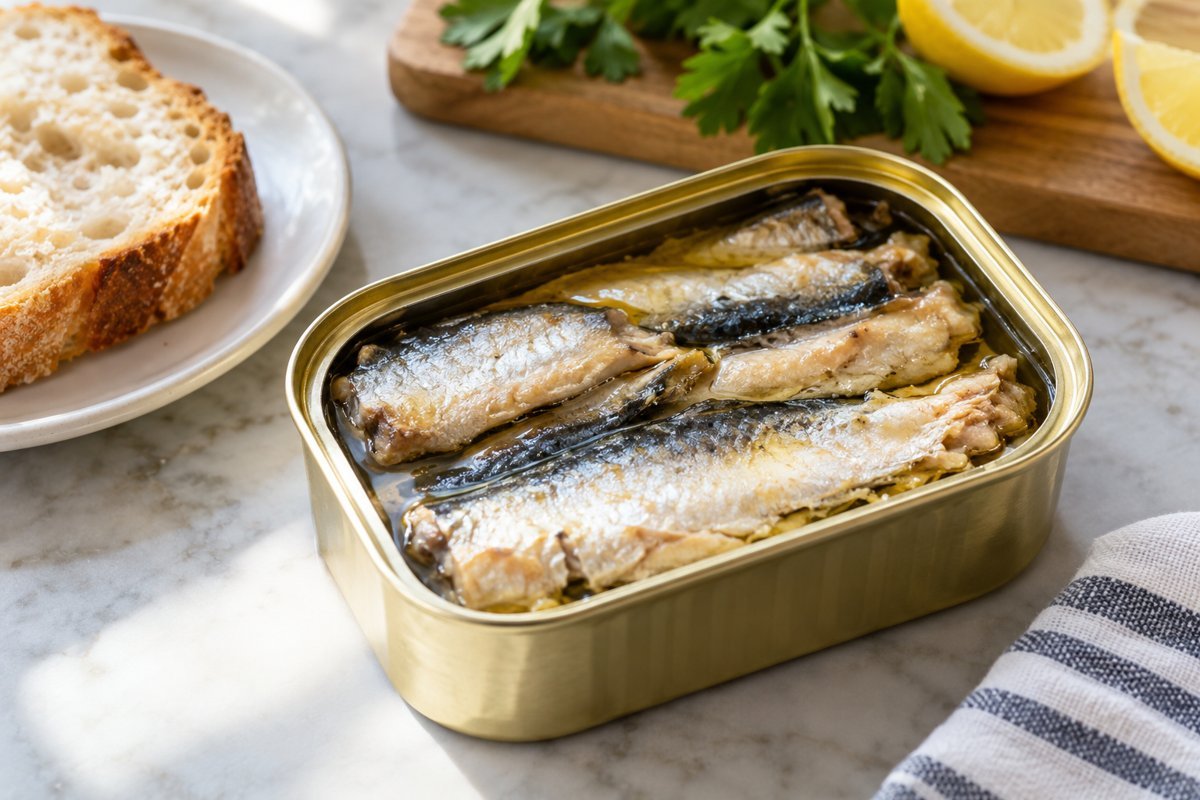
Canned fish can provide a protein food without buying a large fresh fillet. Compare the drained weight, packing liquid and type of fish. FDA’s fish advice is especially important for people who are pregnant or breastfeeding and for children, because mercury levels differ between species. A low price doesn’t settle which fish is appropriate.
Canned salmon, sardines or tuna can make a quick sandwich or salad. Compare prices and labels. Fish choices need extra care for people who are pregnant or may become pregnant and for children; use FDA fish advice for suitable types and amounts rather than a general shopping list.
Build a small plan from what you bought: oats and banana for breakfast, a bean-and-cabbage lunch, then lentils with tomatoes and rice for dinner. Use food-safety guidance when cooling, storing and reheating cooked food. Keep a short list of meals that worked. Repeating those is often more useful than buying a new set of ingredients every week.
Keep reading: 10 ‘Health Foods’ That Deserve a Closer Look or 12 Lunch Choices Worth Rethinking—and What to Try Instead.




8 thoughts on “25 Budget-Friendly Foods for Simple, Balanced Meals”