Choosing breakfast foods is easier when you can see what is actually on the plate. A bowl of cereal, a bakery muffin and a flavored coffee may all be convenient, but their portions and ingredients differ. This guide explains 15 familiar choices and gives a small, realistic change for each one. You don’t need to stop enjoying breakfast or turn one treat into a health scare.
Updated October 18, 2026
In this article
- Frosted cereal
- Oversized muffins
- Doughnuts
- Sweet toaster pastries
- Pancakes buried under toppings
- Large waffles with several sweet toppings
- Bacon as the main event
- Sausage-heavy breakfast sandwiches
- Sweetened yogurt eaten straight from a large tub
- Granola poured without measuring
- A smoothie with every extra added
- A large glass of juice instead of a meal
- Dessert-style coffee
- Breakfast bars chosen only for the packaging
- A fried breakfast with no variety
1. Frosted cereal
References
Sources checked October 11, 2026. General information; individual needs and rules can differ.
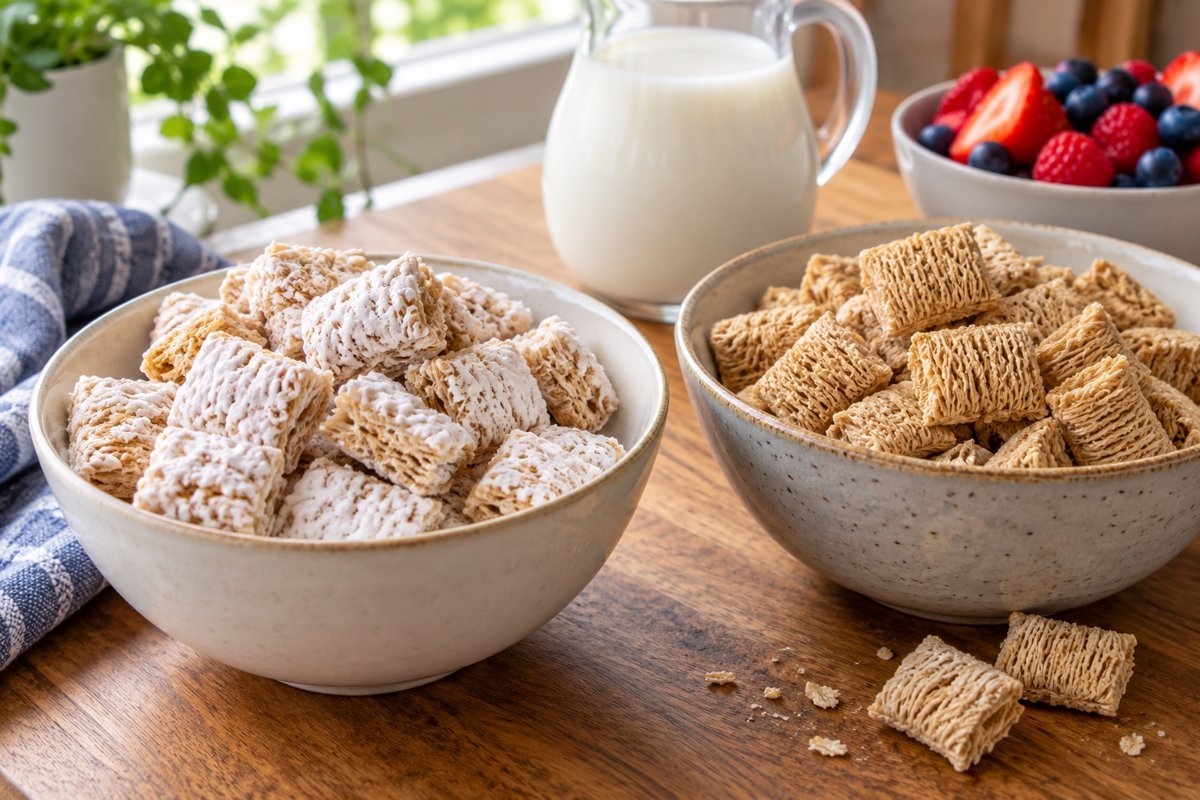
A cereal’s front label can show whole grains while the recipe still includes a sweet coating. The ingredient list and Nutrition Facts panel answer different questions: one tells you what went into it, while the other shows amounts per serving. Compare the same quantity of two cereals before deciding which suits your breakfast.
A large bowl of sweet cereal is easy to pour without noticing the amount. Try mixing a smaller portion with plain cereal, then add milk or a suitable fortified alternative and some fruit. You can keep the crunch you like while giving the bowl more variety. Compare similar portions when looking at different boxes.
2. Oversized muffins
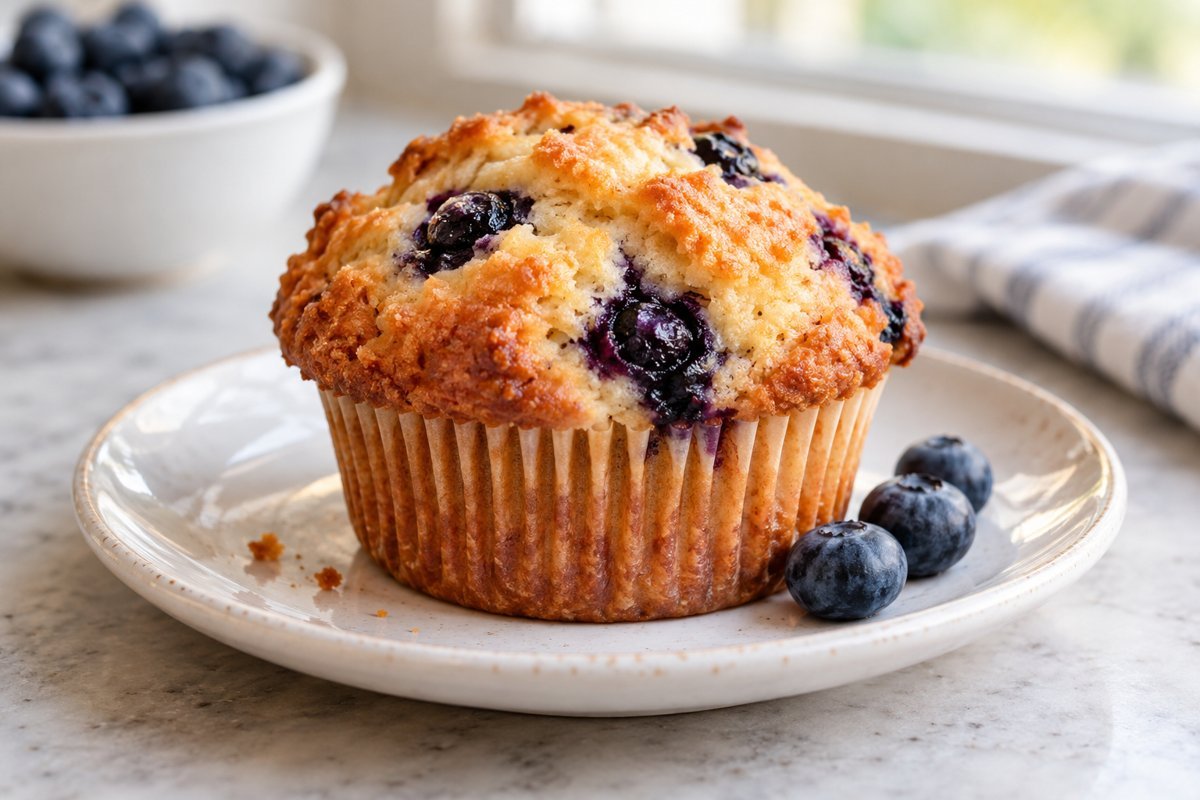
Muffins vary enormously in size, so the word ‘muffin’ isn’t a useful portion guide on its own. A small homemade muffin and a large café version can look like the same food while serving quite different amounts. Think about whether you’re choosing a snack or the main part of breakfast, and what else will be on the plate.
A bakery muffin can be much bigger than the one you’re picturing. If you enjoy one, share it or save some for later and add something else to breakfast, such as plain yogurt. Making muffins at home also lets you choose their size. You don’t have to turn a favorite into a forbidden food.
3. Doughnuts
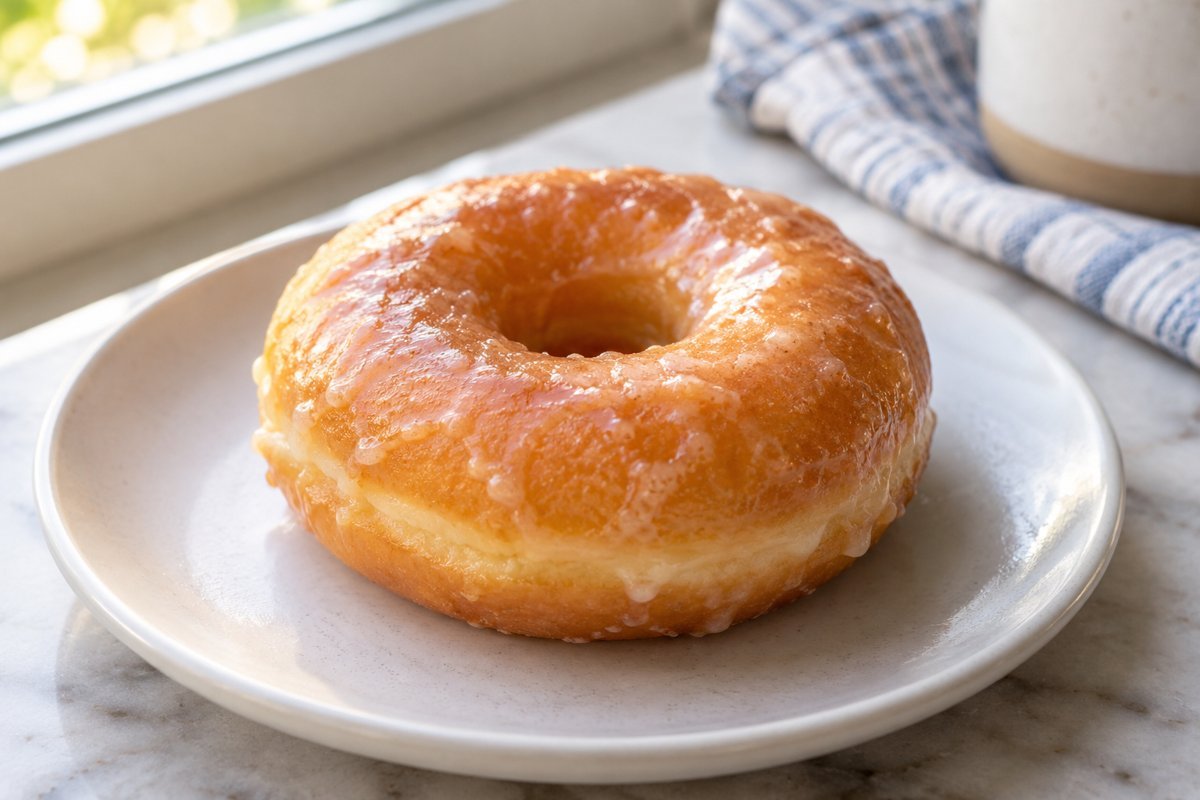
The problem with using a doughnut as your everyday breakfast isn’t that one bite ruins your diet. It’s that the meal can become repetitive, with little room for fruit, grains or a protein food. Adding a simple side is often easier than replacing a breakfast you enjoy with something you won’t eat.
A doughnut can be a treat, but it doesn’t need to carry the whole meal. On a morning when you want one, pair it with an egg or another food you enjoy. On ordinary weekdays, a piece of toast with nut butter may be simpler to keep ready. Choose based on your appetite rather than guilt.
4. Sweet toaster pastries
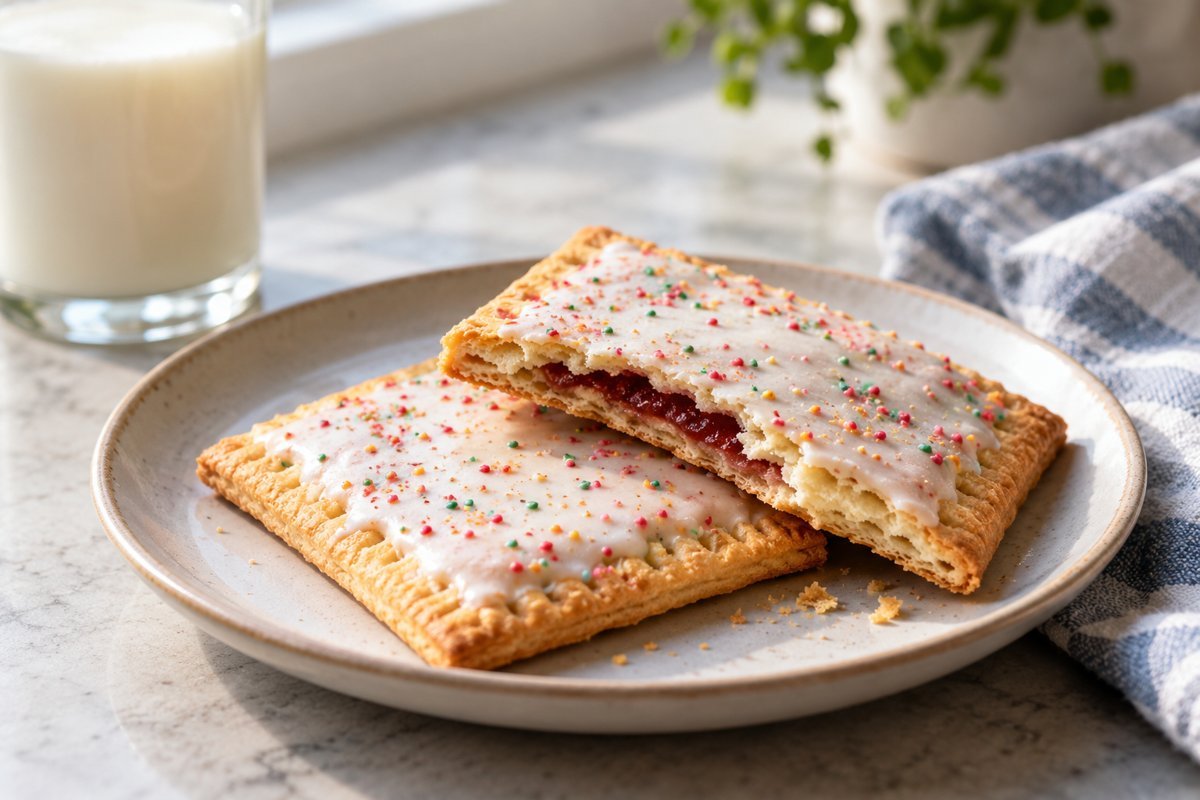
Toaster pastries are designed for convenience, and that matters on rushed mornings. Look at how many pastries the label counts as one serving and how many are in the packet. Opening a wrapper doesn’t automatically tell you the amount you’re having. Keep another equally quick breakfast within reach if you want more choice.
They’re handy when you’re running late. An equally quick option is whole-grain toast with peanut butter, if peanuts are safe for you, and a banana. Keep bread in the freezer so you can take out what you need. That makes the easier choice available before the rush starts.
5. Pancakes buried under toppings
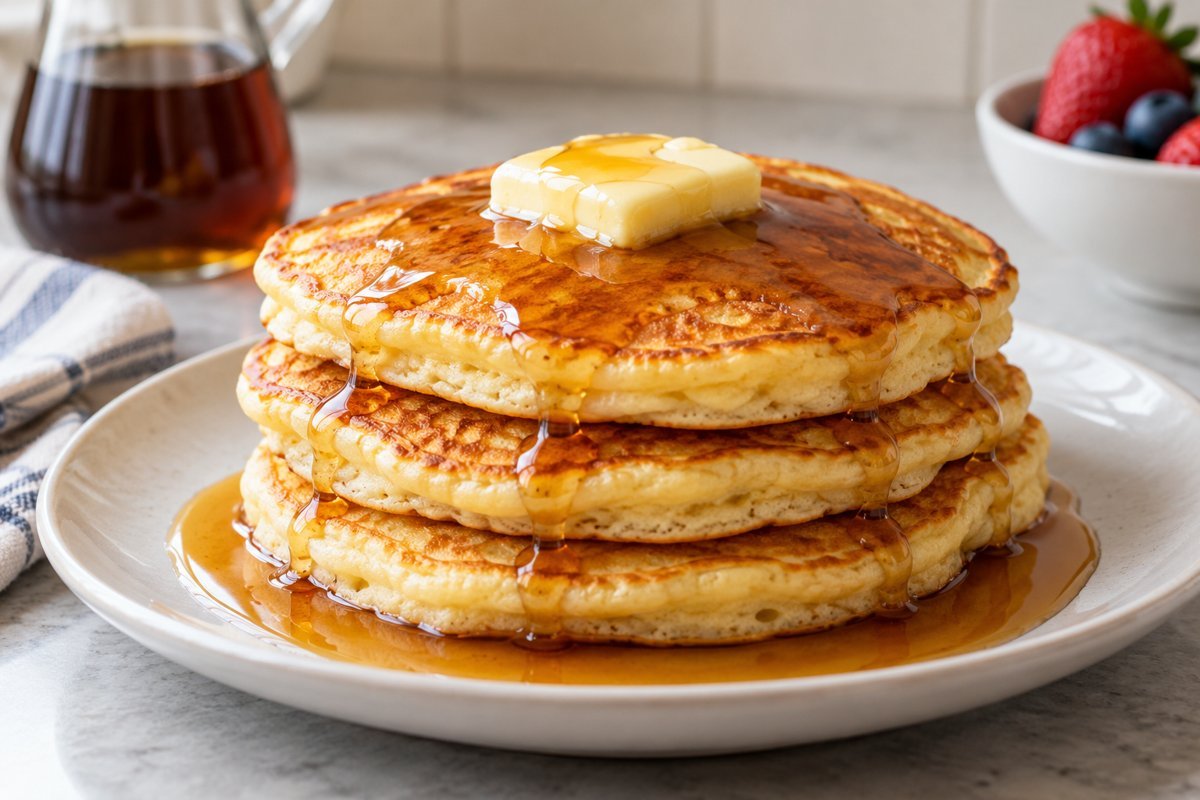
It’s easy to pay attention to the pancake recipe and forget the toppings. Butter, syrup and sweet sauces are separate parts of the meal, each with its own amount. The useful comparison is your whole plate, not a plain pancake on its own. A topping doesn’t need to cover every bite to add flavor.
The pancakes aren’t the only part of this breakfast. Syrup, whipped cream and chocolate sauce can become a bigger serving than planned. Put a little topping in a small dish instead of pouring straight from the bottle. Berries, sliced peaches or plain yogurt can add flavor without covering the whole stack.
6. Large waffles with several sweet toppings
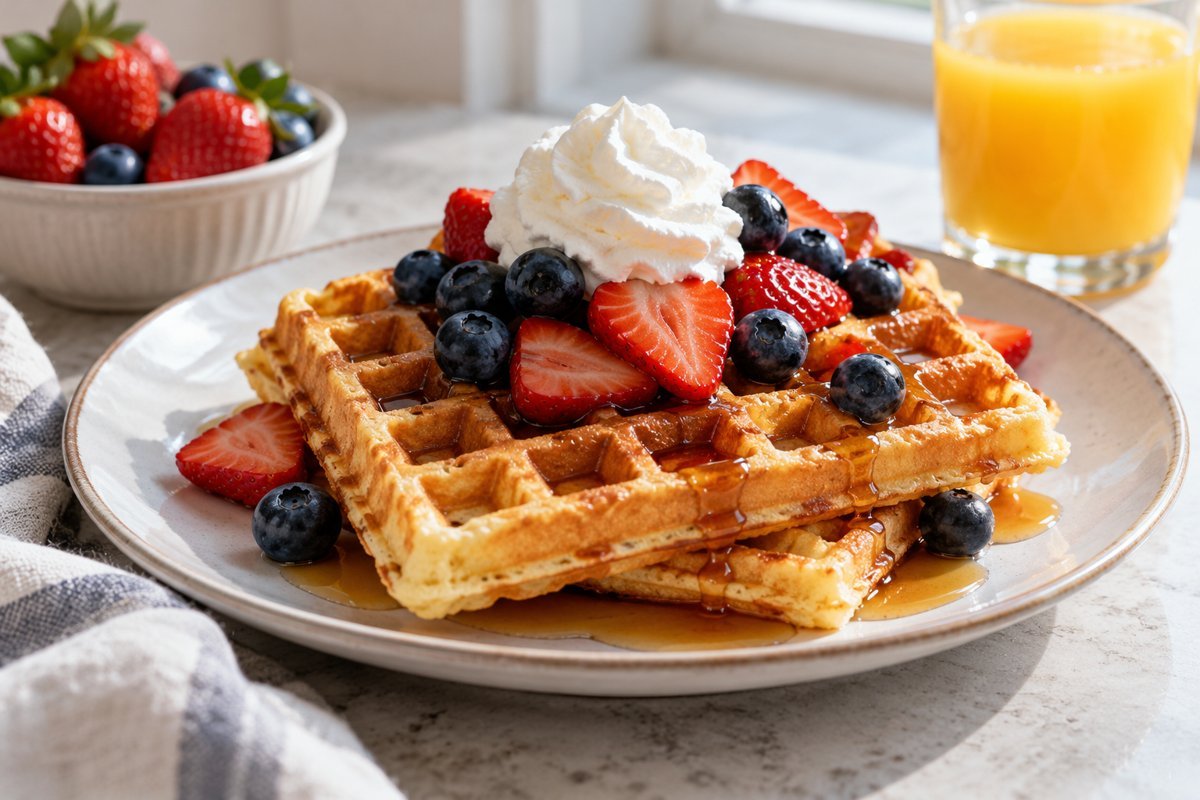
A restaurant waffle can be larger than one made in a small home waffle iron. Before adding several toppings, notice its size and decide how you want to build the meal. Fruit or yogurt can provide a contrast in taste and texture. You can also keep a sweet waffle as one part of a breakfast.
A waffle can be the base of a meal rather than a plate of dessert. Try one with yogurt and fruit, or go savory with an egg and tomatoes. Frozen waffles vary, so look at the actual product rather than assuming all versions are alike. A manageable portion leaves room for the other foods.
7. Bacon as the main event
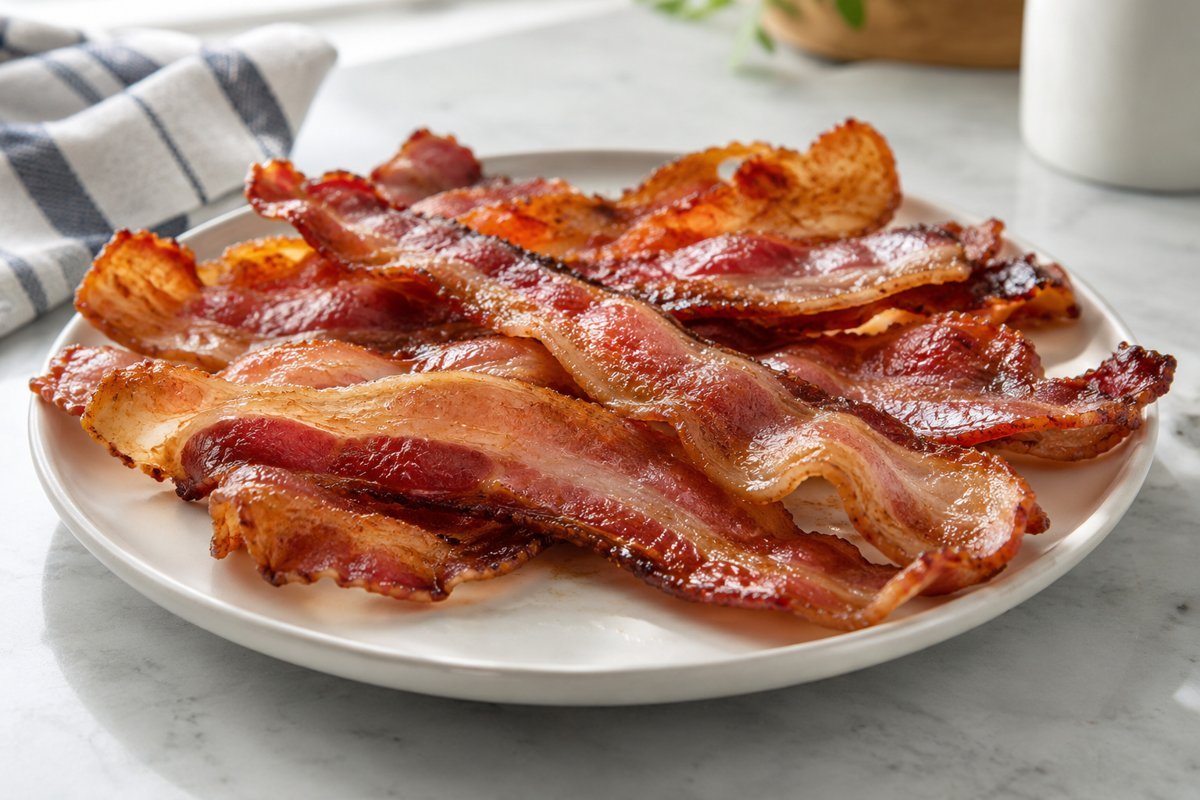
WHO’s processed-meat finding describes evidence about long-term eating patterns, particularly colorectal cancer. It doesn’t tell you that one breakfast will cause disease, and the evidence category is not a measure of how large the risk is. Keeping bacon as an occasional ingredient instead of the main protein at every breakfast is a practical way to vary meals.
Bacon is processed meat, which is a food category health guidance advises limiting. You can use a small amount for flavor instead of building breakfast around a pile of it. Beans, eggs or tofu offer other ways to make a savory plate. This is about the routine you repeat, not one brunch.
Source: WHO: processed-meat evidence.
8. Sausage-heavy breakfast sandwiches

A breakfast sandwich can be a complete, portable meal, but the filling changes what you’re buying. A sausage patty, cheese and sauce add different ingredients to the bread. Read the menu description or package, particularly if salt or an allergen matters to you. A turkey or chicken label does not automatically mean a sausage is unprocessed.
Look at the whole sandwich: bread, sausage, cheese and sauce all contribute to it. Try an egg sandwich with vegetables or choose a smaller version of your usual order. You can also make one ahead at home. A familiar meal is easier to adjust than a completely new morning routine.
Source: WHO: what counts as processed meat.
9. Sweetened yogurt eaten straight from a large tub
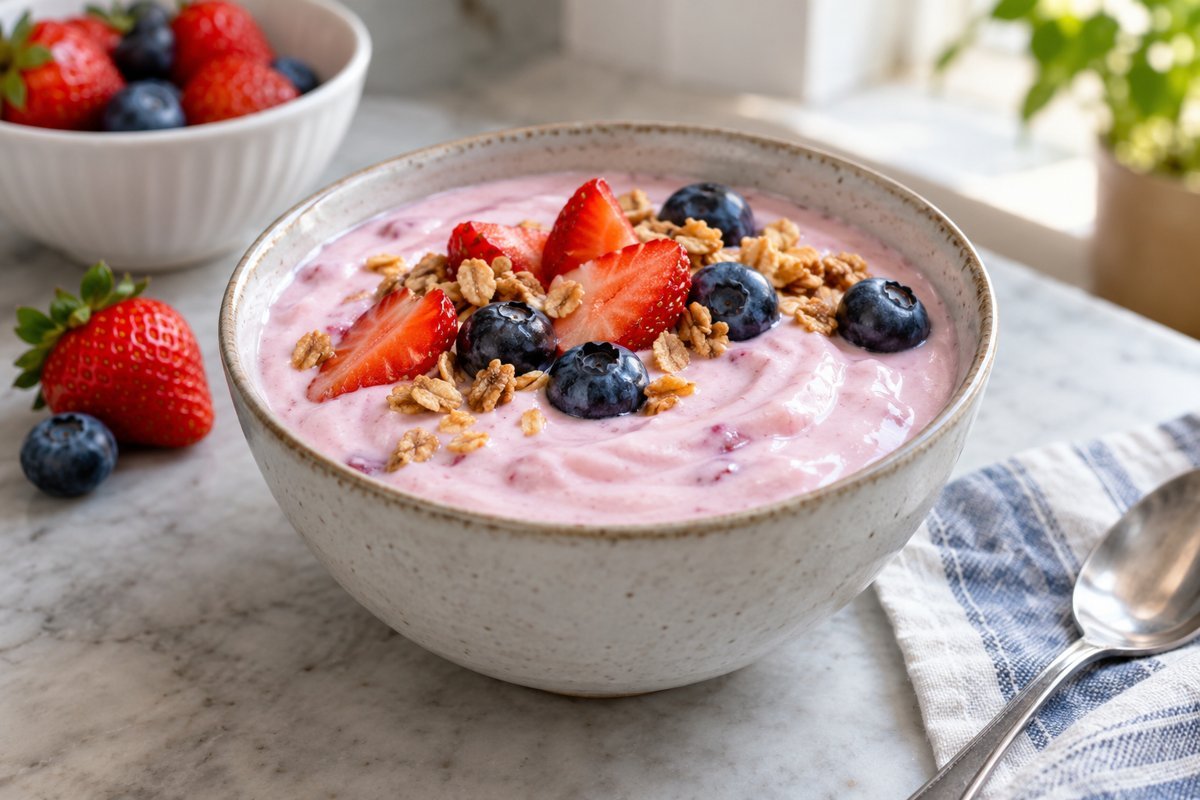
The FDA distinguishes total sugars from added sugars. Milk naturally contains sugar, so a yogurt’s total-sugar number doesn’t show only what the manufacturer added. Compare the added-sugars line alongside serving size, rather than assuming every gram of sugar came from sweetener. Plain yogurt and a flavored pot can serve different preferences.
A tub may contain several portions. Spoon some into a bowl so you can see how much you’re having. Plain yogurt with berries is another option, and you can add sweetness yourself if you prefer. People avoiding dairy can compare plant-based versions; their ingredients and nutrient amounts differ.
Source: FDA: total and added sugars.
10. Granola poured without measuring
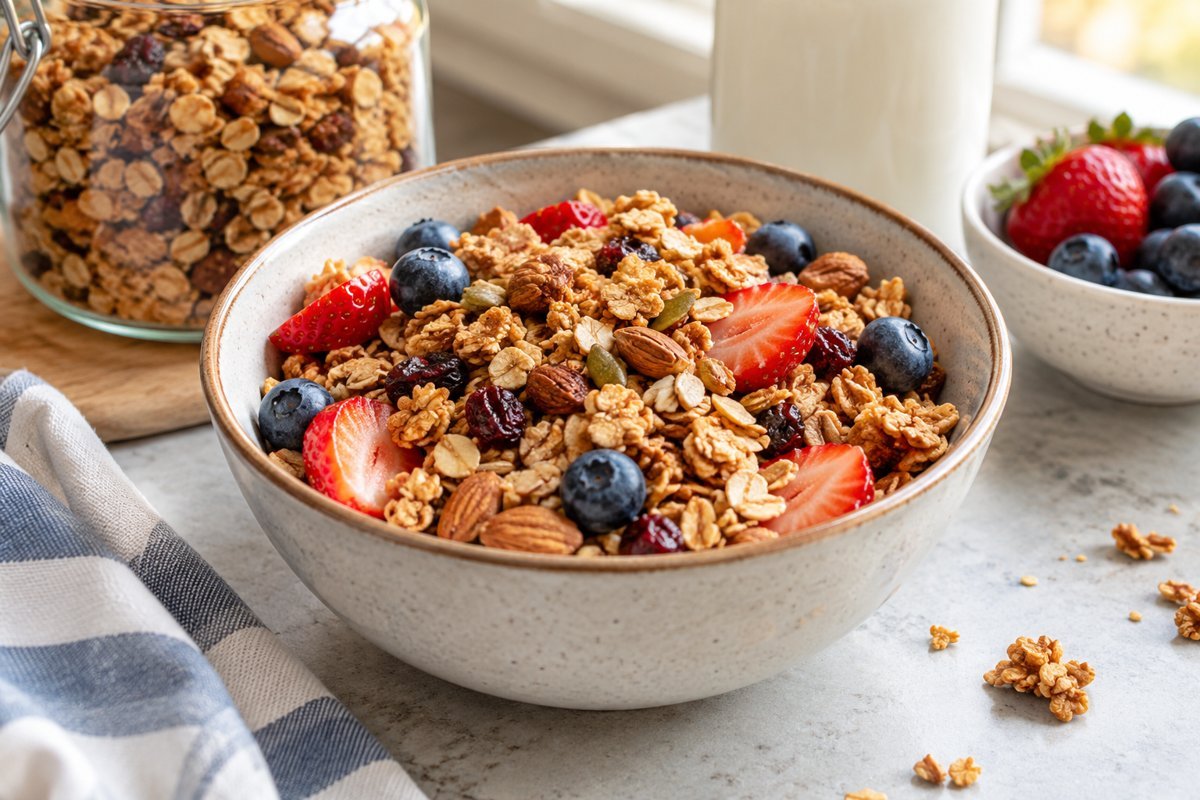
Granola often feels like ordinary cereal, but its recipe and suggested serving can be quite different. A mix of toasted oats, nuts, oil and sweetener may be better used as a topping than poured into a large cereal bowl. Measure once to see what your usual amount looks like; you don’t need to turn every breakfast into a calculation.
Granola has plenty of uses, but a small-looking handful and a cereal-size bowl are different amounts. Use it as a crunchy topping on yogurt or oats rather than assuming every bowl is the same. Nuts, dried fruit and sweeteners vary between recipes. Keep the version you enjoy and decide how it fits.
11. A smoothie with every extra added
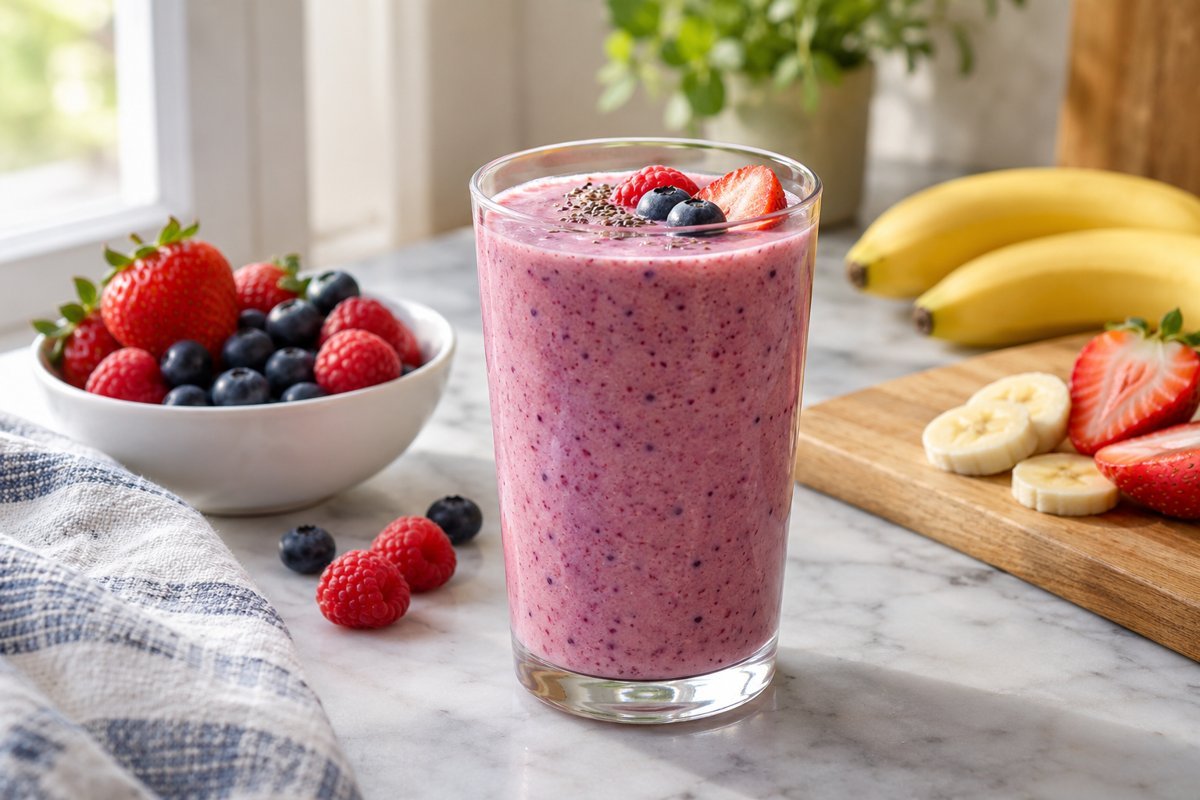
A homemade smoothie has no fixed recipe. A spoon of nut butter, several servings of fruit and a pour of juice can all disappear into one glass. Write down the ingredients the first time you make it and notice how much the blender produces. That helps you decide whether it is a drink, a snack or part of a meal.
Fruit, yogurt and other ingredients can make a useful breakfast. Adding juice, syrup, sweetened powders and several spoonfuls of nut butter creates a different drink. Start with a short ingredient list, blend, then taste. You can add more if you need it instead of treating every extra as necessary.
12. A large glass of juice instead of a meal
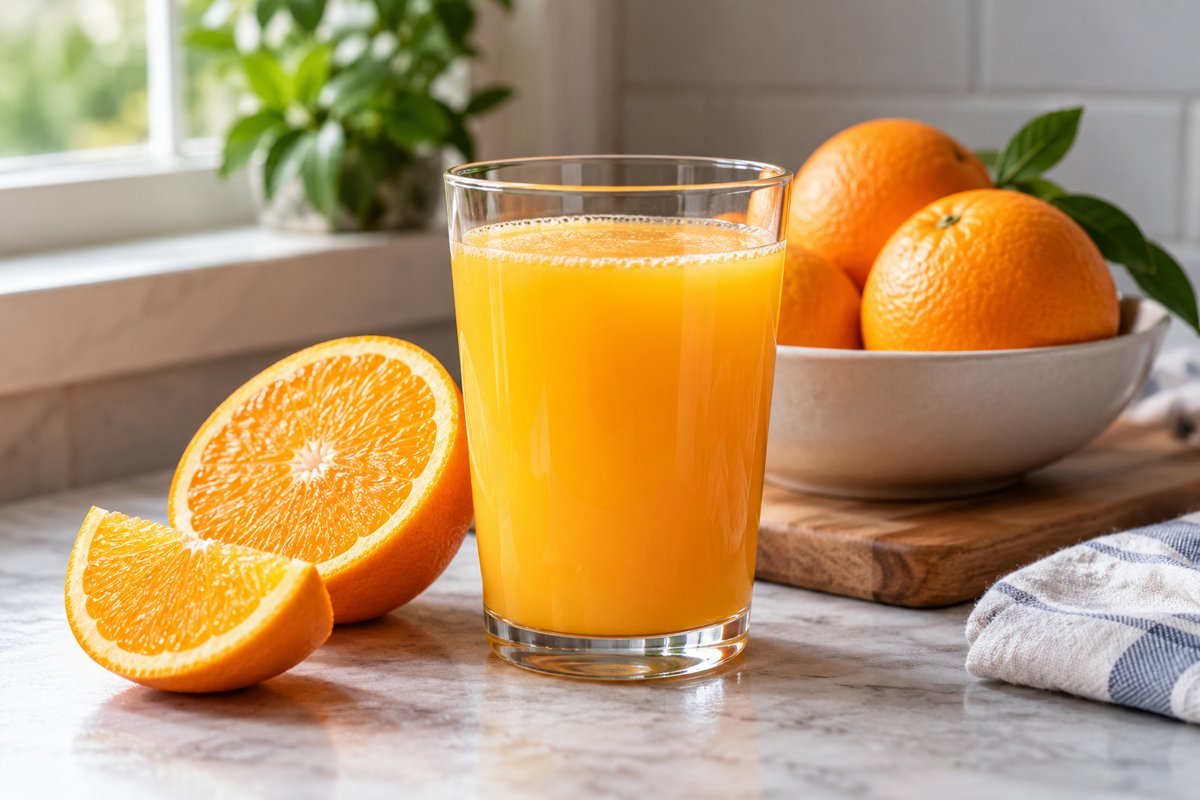
Juice is easier to drink quickly than it is to eat several pieces of fruit. It also lacks much of the fiber found in whole fruit. This doesn’t mean you must never have juice; it means the glass and the fruit bowl aren’t interchangeable. Notice the size of your glass instead of assuming every glass is one serving.
Juice can accompany breakfast, but it doesn’t have to replace food. Try an orange with toast and an egg, or have a smaller glass beside your usual meal. Whole fruit also brings texture to the plate. Water is an easy drink to keep on the table if you’re thirsty.
13. Dessert-style coffee
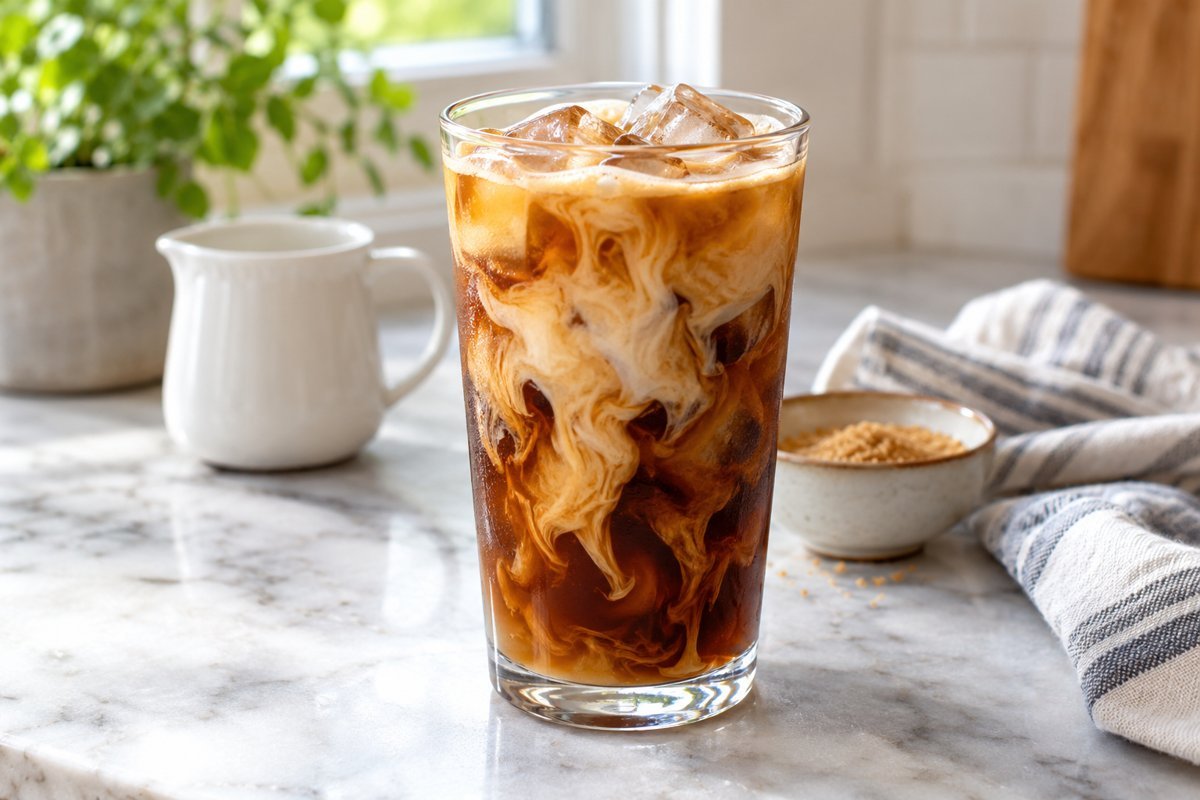
A flavored coffee order may include milk, cream, syrup and a sweet topping. The coffee itself is only one ingredient. Café sizes and recipes differ, so check the menu or nutrition information for the drink you actually order. Dropping a topping or choosing a smaller size changes the drink without requiring you to give up coffee.
A large coffee with sweet sauces, cream and toppings is closer to a snack than plain coffee. Try fewer pumps of syrup or a smaller cup if you drink it every morning. There is no need to remove everything at once. Keep a real breakfast ready so the drink doesn’t become your only food.
14. Breakfast bars chosen only for the packaging
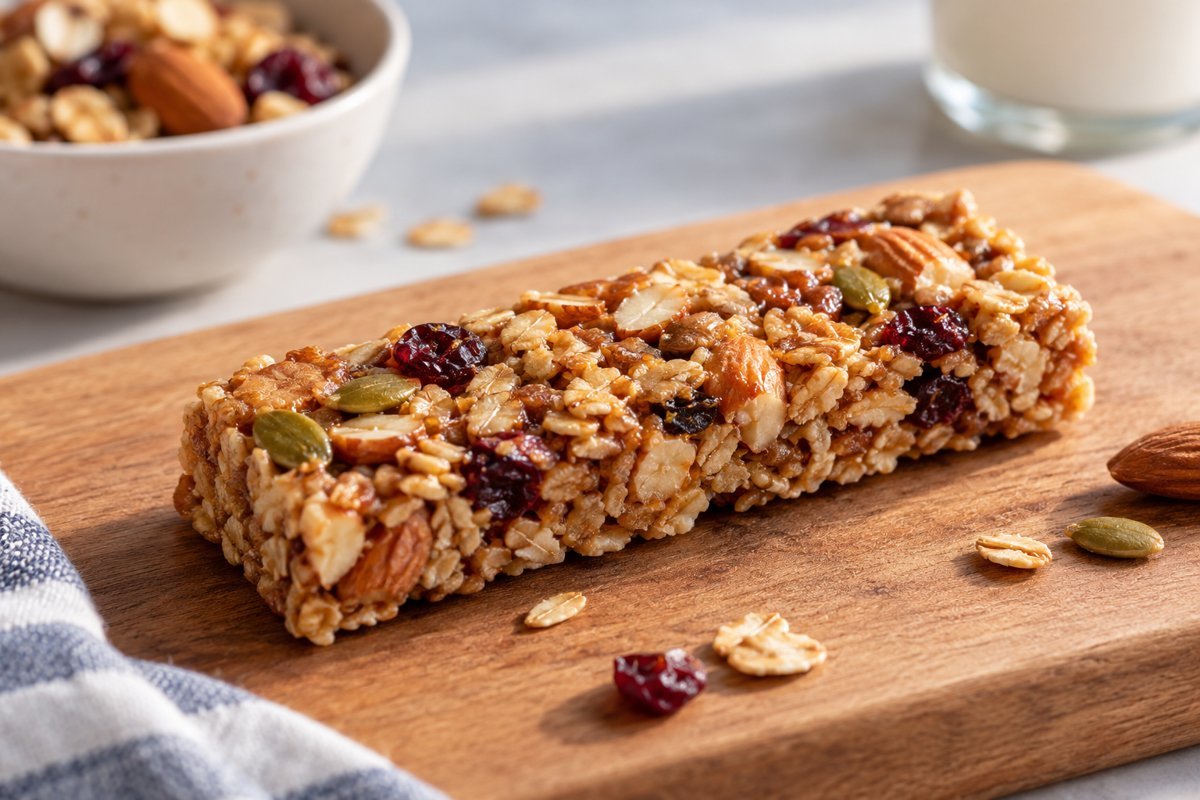
Words such as ‘oat,’ ‘protein’ and ‘natural’ describe only part of a breakfast bar. Look at its ingredients, serving size and the foods you’ll eat with it. A bar that is useful in an emergency doesn’t have to be treated as the ideal breakfast every day. Keep one that suits your allergies and tastes.
A picture of oats or a word like ‘natural’ doesn’t tell you everything about a bar. Read what is actually inside and compare it with a similar product. A bar can still be useful in your bag. Pair it with fruit or yogurt when that makes a more satisfying meal for you.
15. A fried breakfast with no variety
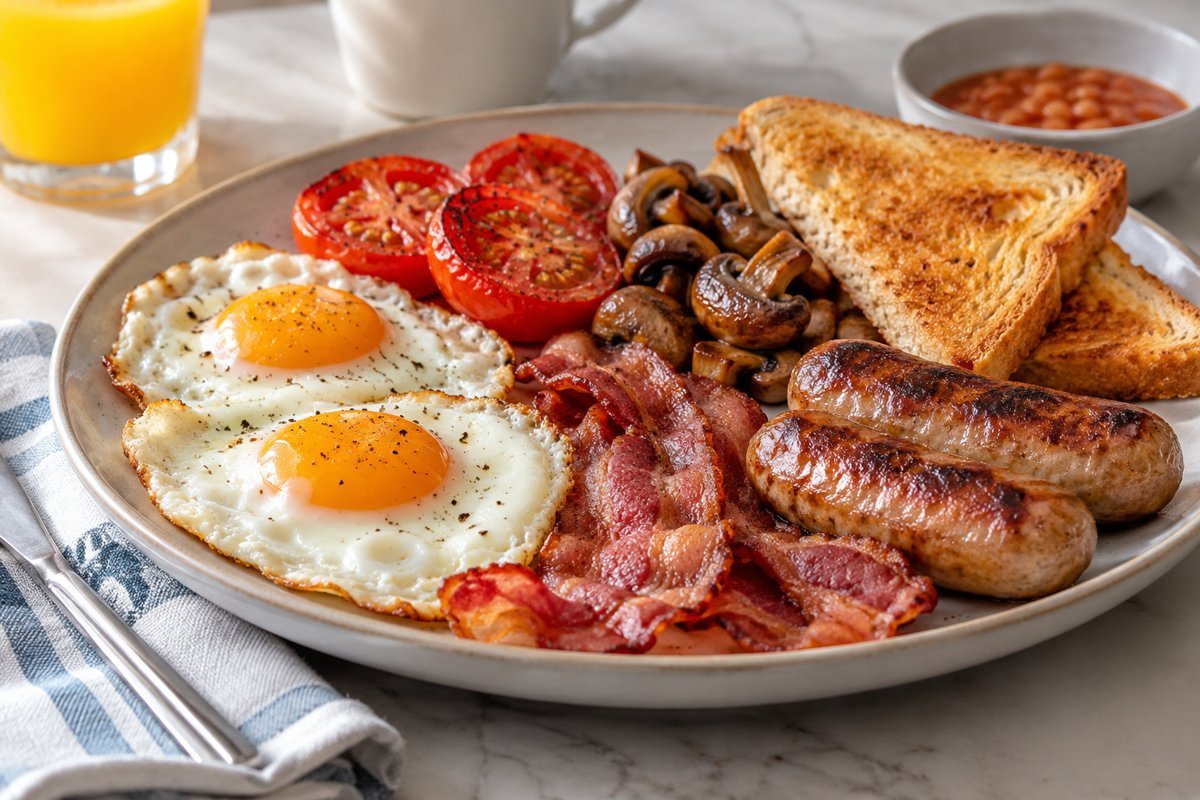
A fried breakfast can combine several salty or rich foods on one plate. Rather than calling the entire meal forbidden, choose the parts you most enjoy and add variety around them. Grilled tomatoes, mushrooms or beans can make the plate feel different without replacing it with an unfamiliar meal.
A plate built from fried potatoes, processed meat and buttered toast can be adjusted without losing its savory character. Add tomatoes or mushrooms, include beans, and choose which richer part you most enjoy. Cooking methods and portions matter. Build a breakfast you can repeat comfortably instead of aiming for perfection.
Try this tomorrow: choose one familiar breakfast, change one part, and leave the rest alone. That might mean fruit beside cereal, an egg in place of one sausage, or a smaller coffee. If you need a special diet for diabetes, allergies or another condition, follow your own clinician’s advice. The best routine is one that fits your needs and is practical enough to keep.
Keep reading: 25 Budget-Friendly Foods for Simple, Balanced Meals or 10 ‘Health Foods’ That Deserve a Closer Look.





2 thoughts on “15 Breakfast Foods Worth Rethinking—and Easy Ways to Improve Them”